Tech
Fascinating Look Back at Casio Rapman, the 1991 Keyboard That Put a Full Rap Crew on Your Desk

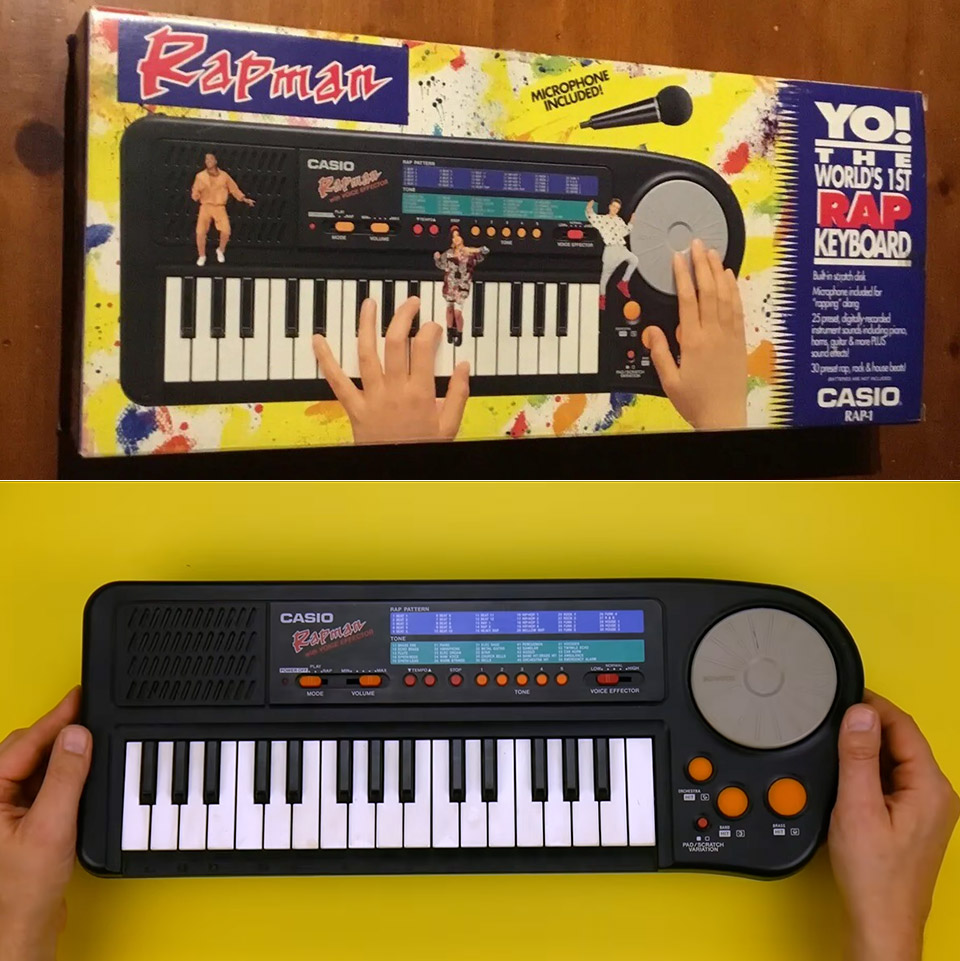
In 1991 hip-hop had moved from the margins into living rooms and shopping malls. MC Hammer and Vanilla Ice filled charts, Fresh Prince of Bel-Air played on television, and kids everywhere wanted to sound like the records. Casio answered with a plastic keyboard that claimed to do nearly everything a working rap group needed. They called it the Rapman, model RAP-1, and marketed it as the world’s first keyboard built specifically for rap.


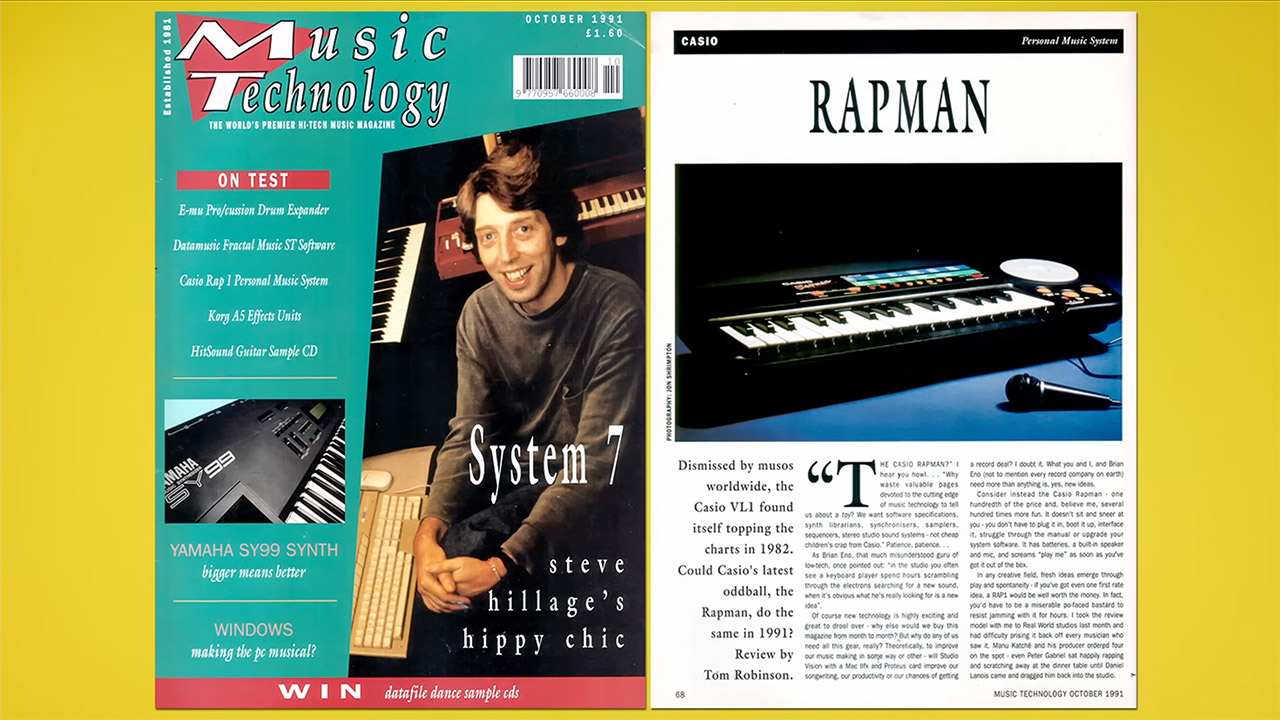
The Rapman, which was about twenty inches long and weighed slightly more than three pounds, ran on batteries or a small adapter and included its own built-in speaker for your convenience. Thirty-two keys extend across the front, both medium and exactly the perfect size. A simple power switch allows you to flip between play and rap modes; in play mode, the Rapman transforms into a fairly rudimentary three-note polyphonic keyboard; flick the switch to Rap, and one of thirty built-in patterns begins looping as the keys all drop down to single note melody duty. There are two tempo buttons that allow you to slightly change the speed, although they are a little strange, and the default is about 107 beats per minute, give or take.


Akai Professional MPK Mini IV 25-Key USB-C MIDI Keyboard Controller, Black
- Next-Gen Music Production and Beat Maker Essential – USB-powered MIDI keyboard controller with 25 mini velocity-sensitive keys, optimized for studio…
- Real-Time Control and Navigation – 8x assignable 360° knobs, a vibrant full-color screen and push/turn encoder for hands-on access to settings…
- Iconic MPC Pads with RGB Feedback – 8 velocity- and pressure-sensitive MPC pads deliver an iconic finger-drumming experience, plus dynamic visual…

The Rapman’s predefined routines are essentially its meat and potatoes. You’ve got twelve drum loops with that thin, punchy 808 sound, plus eighteen more with basic bass lines and chord stabs mixed in. Heavy Rap and Hip-Hop 1 through 4, as well as Mellow Rap, Funk, R&B, and House, all have names that indicate what they are about. Some of them have that unmistakable bounce to them, like old club records from the late 1980s, while others sound more like theme tunes for whatever TV show was on the air at the time. They all have one thing in common: none of them can be modified or edited in any way, and yet, some of them still sound like they’re worth using for brief little drawings today, even if they are a little rough around the edges.
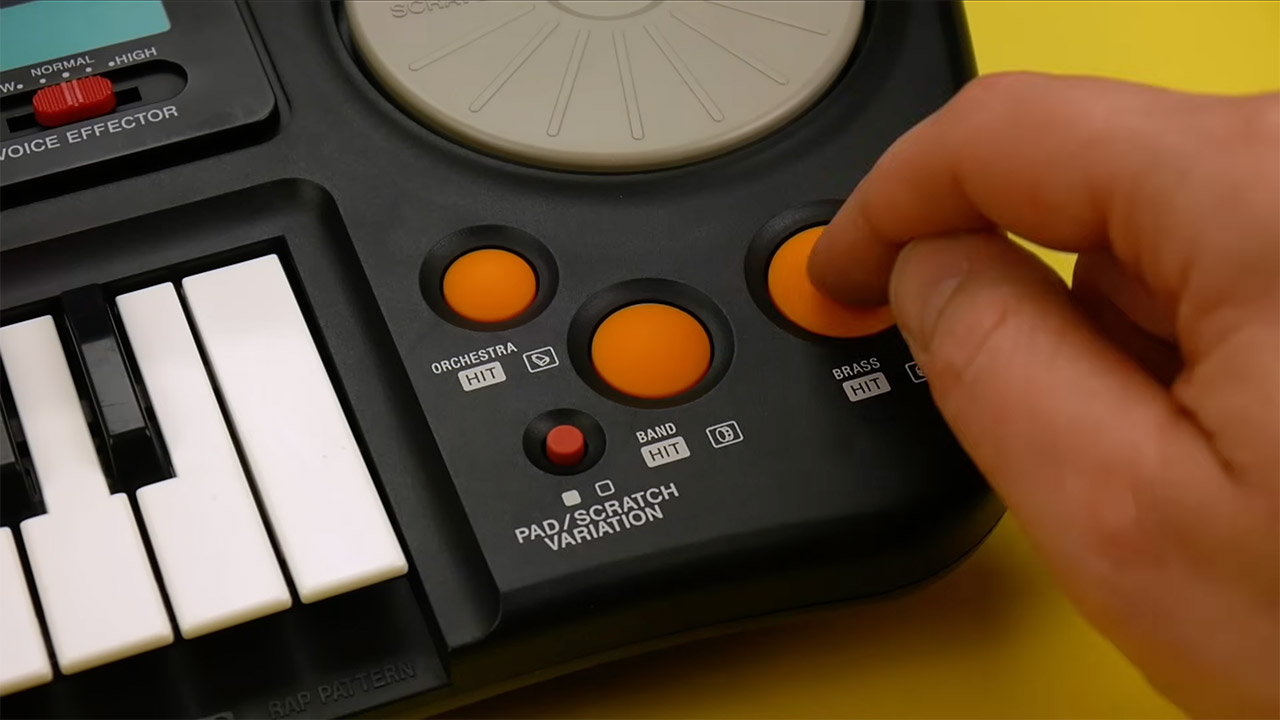
There are three small rubber effect pads to the right of the keys. The mode button allows you to choose between two separate sets of pads: one with agogo, kick, and snare, and the other with orchestra hit, band hit, and brass hit. Alongside the pads is a tiny little plastic disc that resembles a miniature record. Spin it around to hear short scratch samples. The disk is simply a spring-loaded rocker that presses two contacts together, so the scratches are short and to the point. But the gesture of sliding your hand across the top of it felt appropriate for the situation.

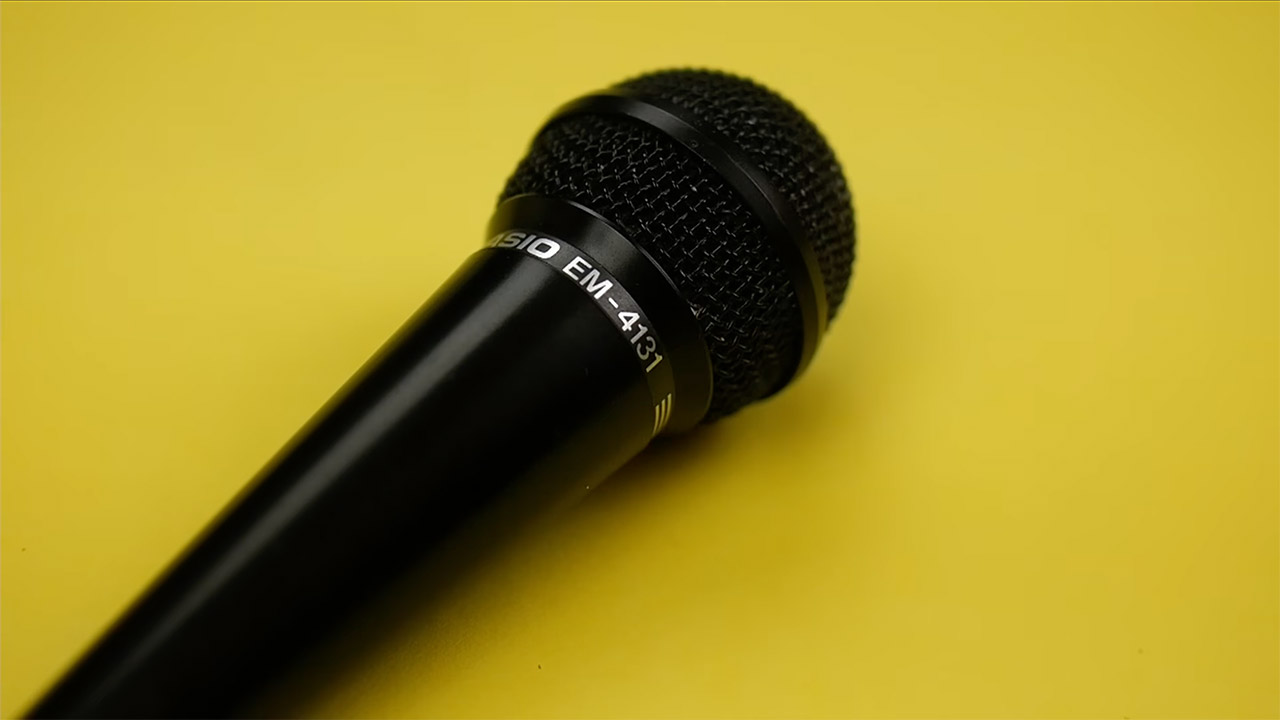
Casio also included a tiny plug-in microphone, the EM-4131 type, as well as a five-position slider for adjusting the pitch of anything you’re speaking into the microphone. Let me tell you, the effect is rather grainy and digital-sounding. Push the slider one way, and your voice will sound like a chipmunk, while pushing it the other way will result in a low, scratchy monotone. You can also use this circuit to take keyboard noises and feed them back into the mic, resulting in ugly, harsh feedback that some more experimental users enjoyed using for all sorts of odd textures. It’s worth mentioning that no other consumer keyboard at the time had a built-in pitch-shifting microphone, as it simply wasn’t available anyplace else.
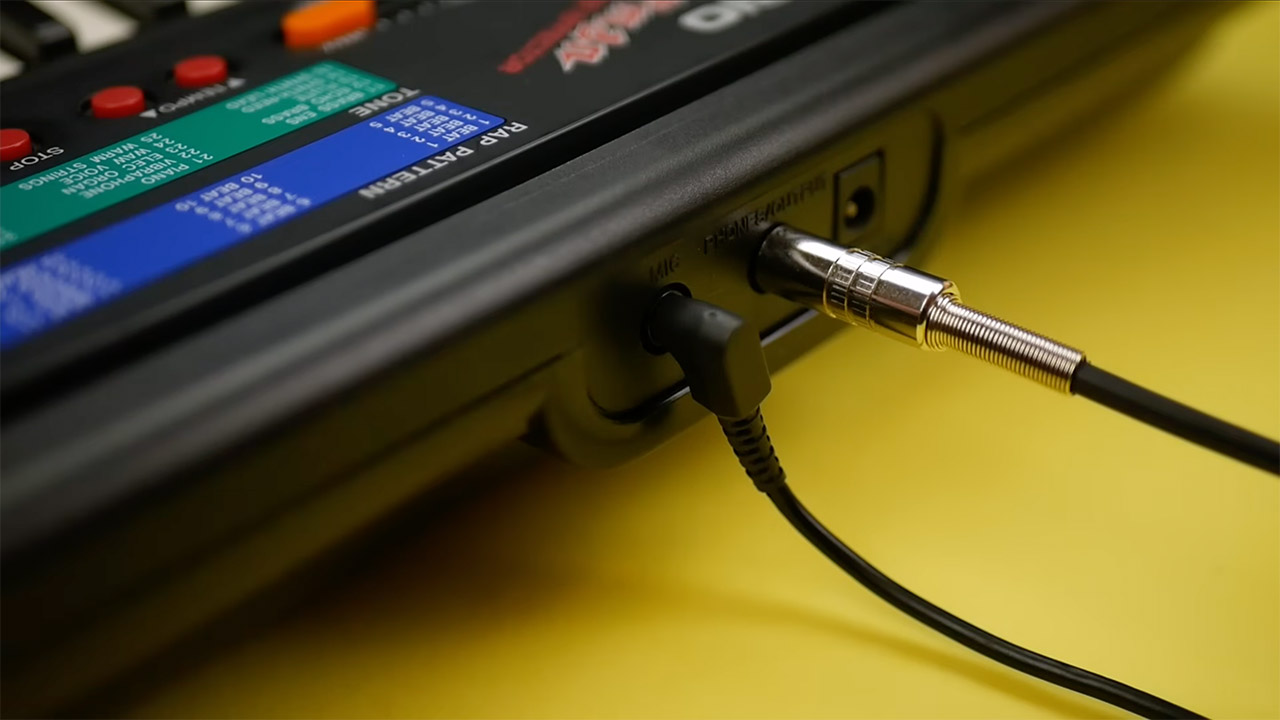
The remaining sound set on this device consisted of twenty-five pre-programmed tones. You had your brass ensemble and echo brass, but there was also metal guitar, electric bass, and an electric organ that stunned everyone with how good it sounded. A vocoder patch produced a short looping vocal-like effect, which many owners still believe is the best sound on the device. There were orchestral hits, a car horn, an ambulance, and an emergency alert to fill out the sound. Most of the tones were similar to those used in Casio’s SA-series toys: thin and bright, with a restricted number of notes that could be played at once and no real feeling of dynamics. When you started a rhythm, everything collapsed down to one note, thus all chord work vanished as soon as the beat began.
You can only send the output one way: through a 3.5 mm connector. There was no midi, no sequencing memory, and no mechanism to preserve what you created. For $99 in the United States or roughly £90 in the United Kingdom, you received a package clearly intended at bedrooms rather than studios. Nonetheless, experienced musicians noticed this. Peter Gabriel apparently began playing with one at a dinner table, and session participants began to order multiples.
You must be logged in to post a comment Login