Tech
Fascinating Look Back at InterActual Technologies, When Your Computer Turned DVD Movie Discs Into Something More

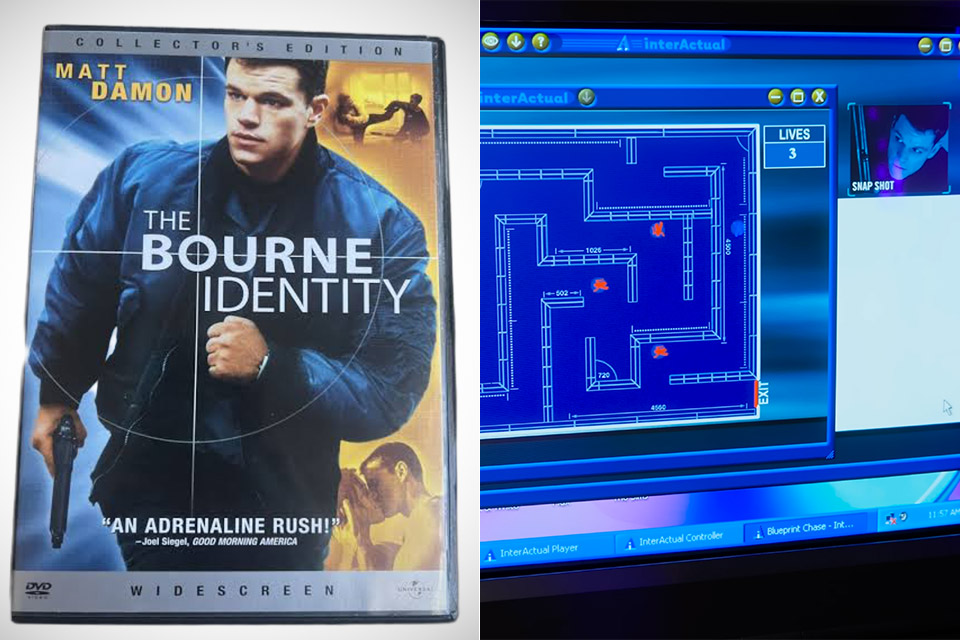
Back in the late 1990s and early 2000s, finishing a film on DVD often meant one more step. People would slide that same disc into the DVD-ROM drive of their Windows PC, wait for the software to load, and suddenly find themselves staring at a whole different set of options. Wallpapers. Screensavers. Side-scrolling Flash games. Synchronized screenplays that played alongside the film. Interviews, photo galleries, and even live online events that used the disc itself as the connection point. This was the brief window when studios packed extra material onto the unused space of a movie disc and aimed it squarely at computers.


InterActual Technologies was the main player. Todd Collart and Chris Brown founded this company in San Jose in 1995, long before the DVD format was fully developed. They received the backing of some major investors, including Warner Bros, Panasonic, and Macrovision. They developed a software program that transformed a standard movie DVD into something much more. Their early attempts were dubbed PC Friendly, but by 2000 it had been formally renamed InterActual Player, and according to Forbes, the studios were ecstatic, with approximately 90 percent of big studios using it. The concept was that InterActual discs would allow you to access high-quality entertainment on demand without having to wait for dial-up to work.
Sale

Monster Vision 2 | Portable Entertainment System with 15.6″ 1080p Display & 60W Speakers | up to 25 Hours…
- Monster Vision 2 features a brilliant 15.6” Full HD IPS Display and 60W audio power – the ultimate all-in-one experience for movies, music, and…
- UP TO 8 HOURS OF VIDEO PLAYBACK: Connect your favorite smart streaming device or gaming console via the dual HDMI ports (3ft USB-C to HDMI cable…
- UP TO 25 HOURS OF AUDIO PLAYBACK: Experience upgraded 60W sound performance for powerful, immersive audio. Stream wirelessly with Bluetooth 5.3, enjoy…
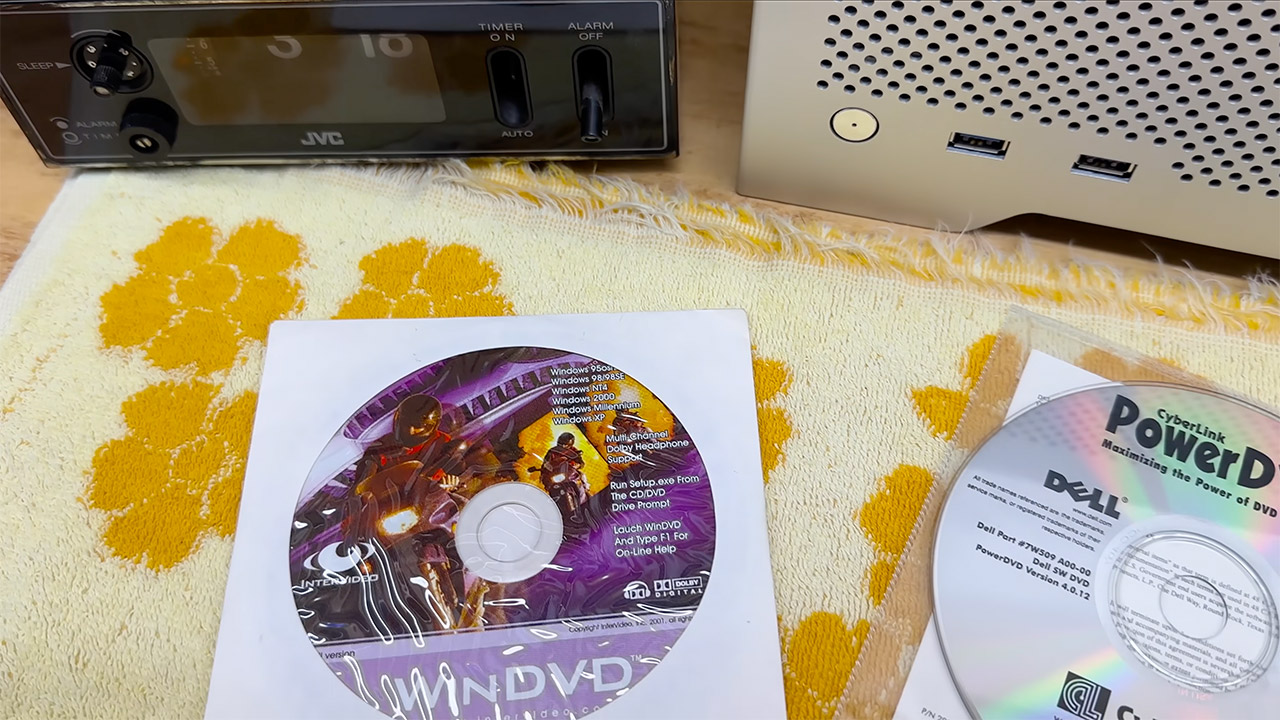
When you insert a DVD into your computer, an installer is automatically launched. Once the player was up and running, it would overlay on top of your existing DVD decoder, such as WinDVD or PowerDVD, which were included with many drives at the time. The UI resembled a terrible old website from the time, with HTML pages, Internet Explorer rendering, and a touch of Macromedia Flash for any interactive parts. Everything was saved on the disk, so you didn’t have to be online unless you wanted to attend a live event or receive a link.

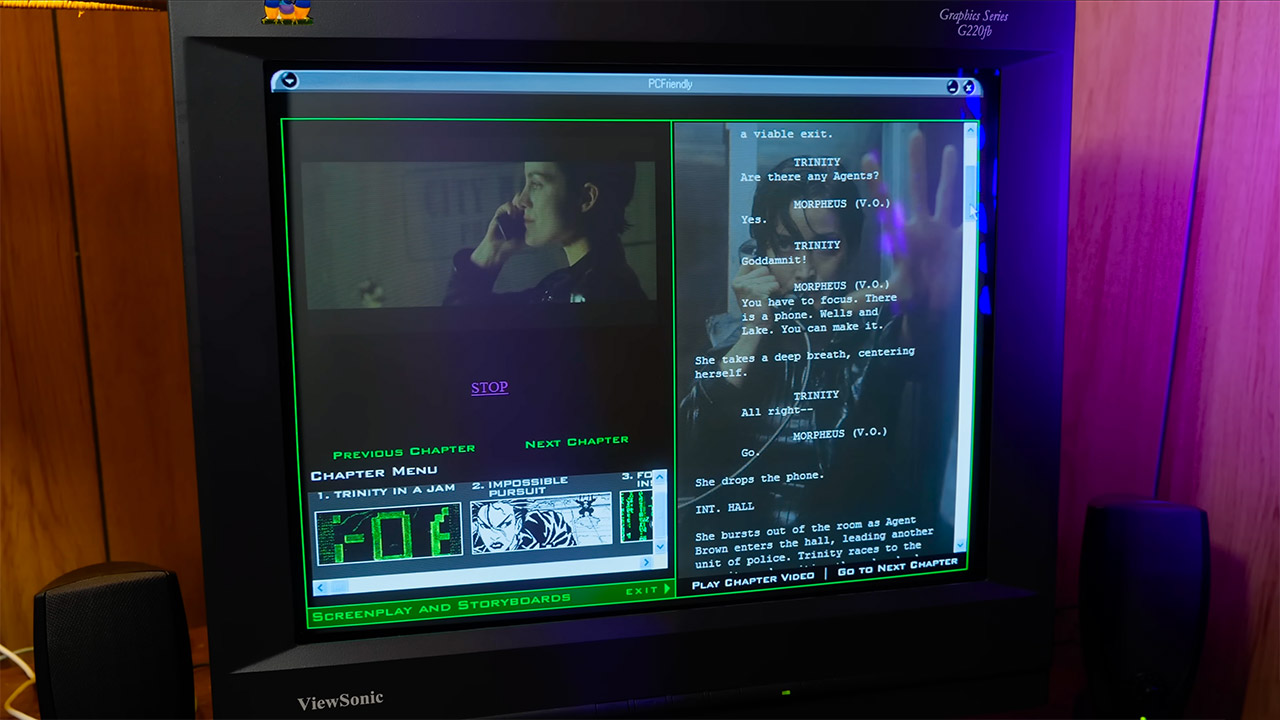
The Matrix is a great example, as the PC Friendly bonuses offered a handy script-to-screen tool that allowed you to read the text while watching the corresponding scene on screen. That’s not all; storyboard images appeared alongside the final cut, an archival version of the film’s 1999 website as a Matrix code screensaver because, well, it’s The Matrix and you need some Matrix-y stuff, and a quiz game. In November 1999, they went a step further by hosting a coordinated online screening in which over 200k individuals began watching the movie at the same time while also chatting with the directors. To their credit, the player did a nice job of keeping everyone in sync.
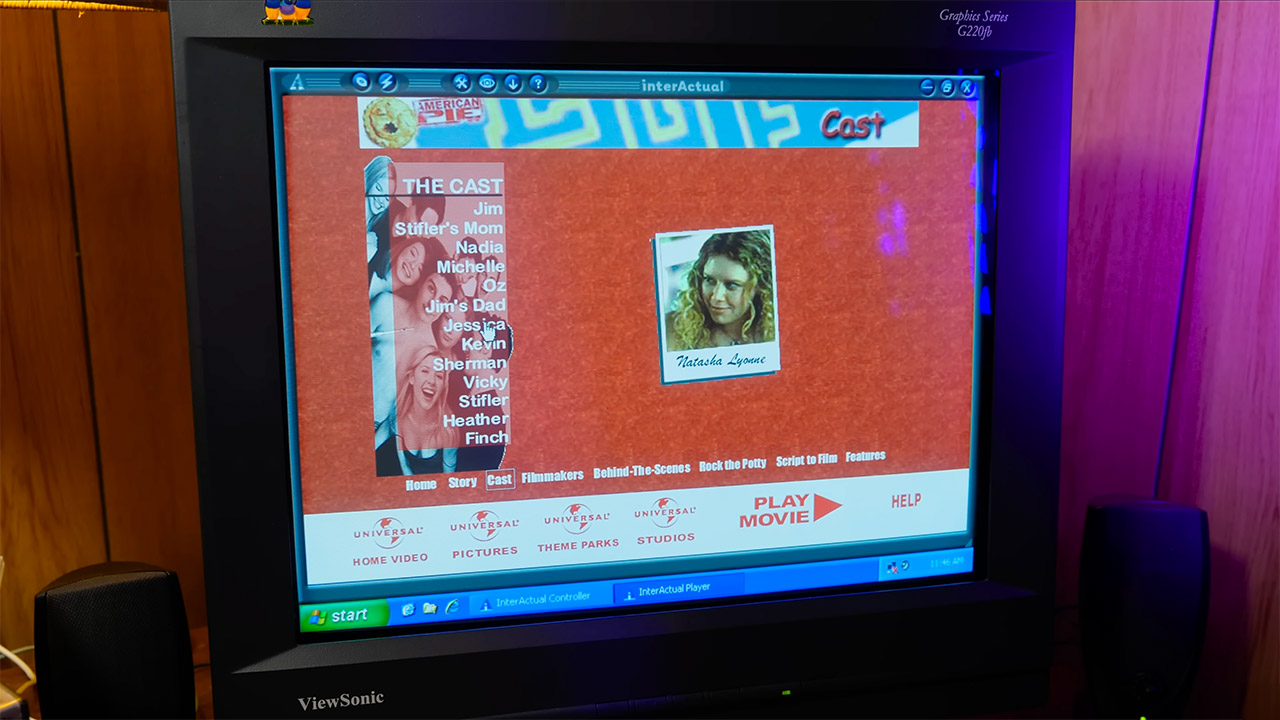
American Pie made an effort to be unique. Its InterActual package included a multitude of extras, including story summaries, on-set images, actor interviews, and even a “script to film” comparison, in which the written page was displayed alongside the finished scene. In a bizarre moment, it included a Flash game called Rock the Potty, in which Finch is attempting to make a wild sprint around the home without soiling himself after taking a laxative.
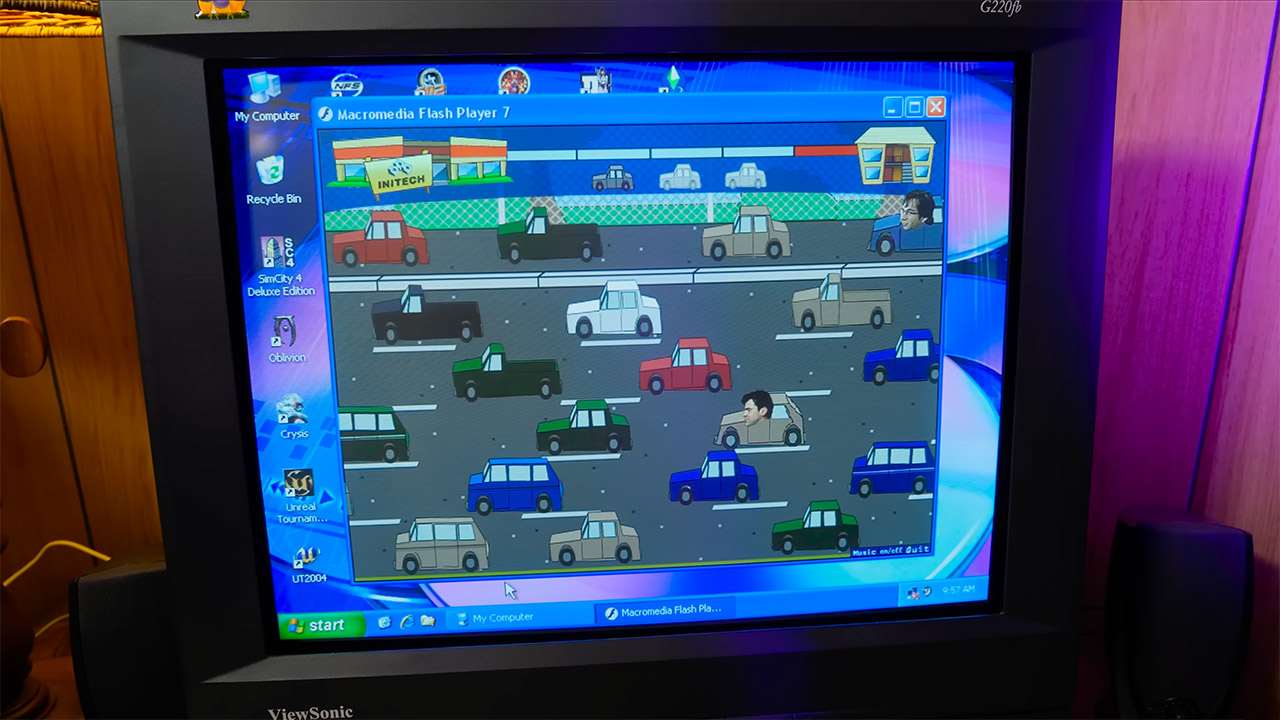
Office Space introduced a game called Road Rage Rally in which players attempted to beat Lumbergh to a parking spot. Meanwhile, Goldmember included a Revoice Studio, which allowed users to record themselves speaking over selected sequences’ dialogue. Men in Black included extraterrestrial case files, a shooting gallery, and a 3D headquarters tour, the last of which required QuickTime VR to navigate. The Mummy included wallpapers of Brendan Fraser and Rachel Weisz, as well as a demo for the connected PC game. Even earlier titles, such as the 25th anniversary edition of Jaws, would occasionally include a simple film scan slideshow that could be used as a screensaver.
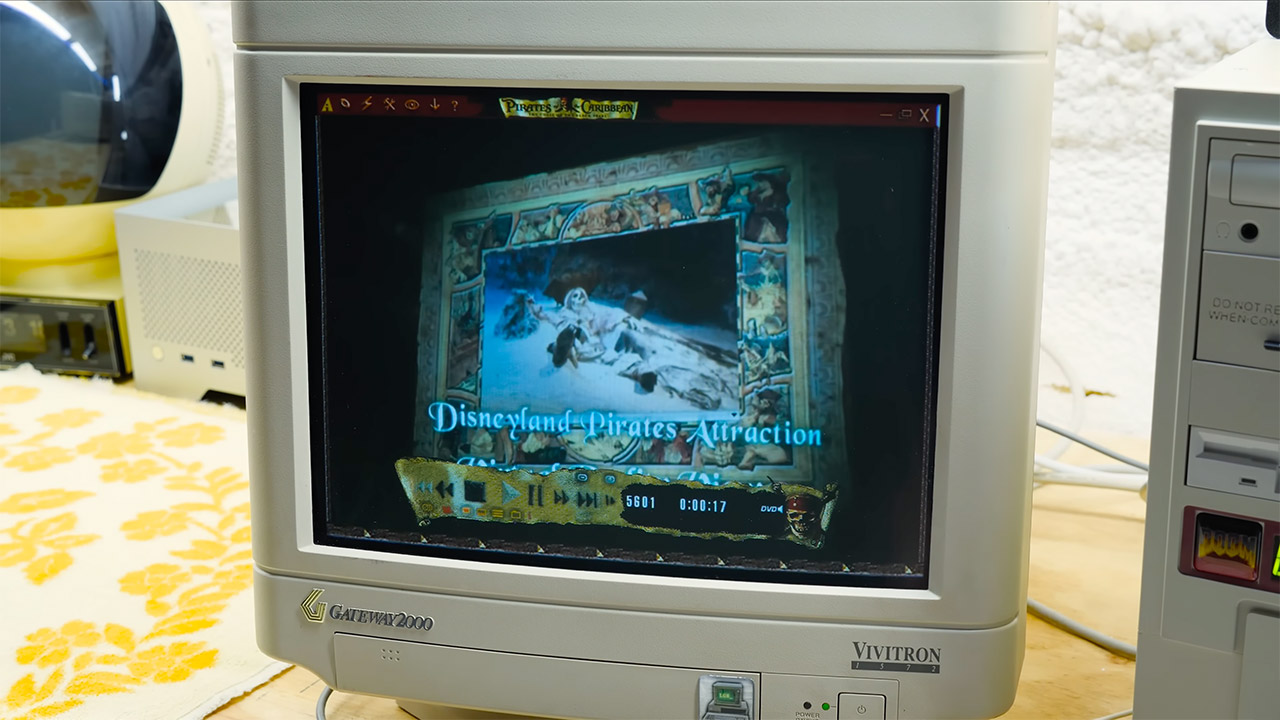
The window for shipping additional copies of a website closed quickly. As broadband became more generally available, the idea of putting a local duplicate of a website on a DVD became less necessary. Studios began to focus more on these new high-definition formats that appeared in the mid-2000s. Sonic Solutions acquired InterActual in 2004 and included it into their larger line of disc-authoring products. By the time Blu-ray emerged as the new big time format, all of the PC-specific bonuses had largely faded from new releases. The PC Friendly and InterActual logos began to disappear from the cases, and the software became more difficult to work with on newer operating systems. What was once a very ordinary supplementary feature has evolved into an oddity that only die-hard collectors and retro aficionados seek out.
You must be logged in to post a comment Login