Tech
Fascinating Look Back at Sony’s SMC-70, the 1982 Machine with Sixteen Colors and the First 3.5-Inch Floppy on Office Desks

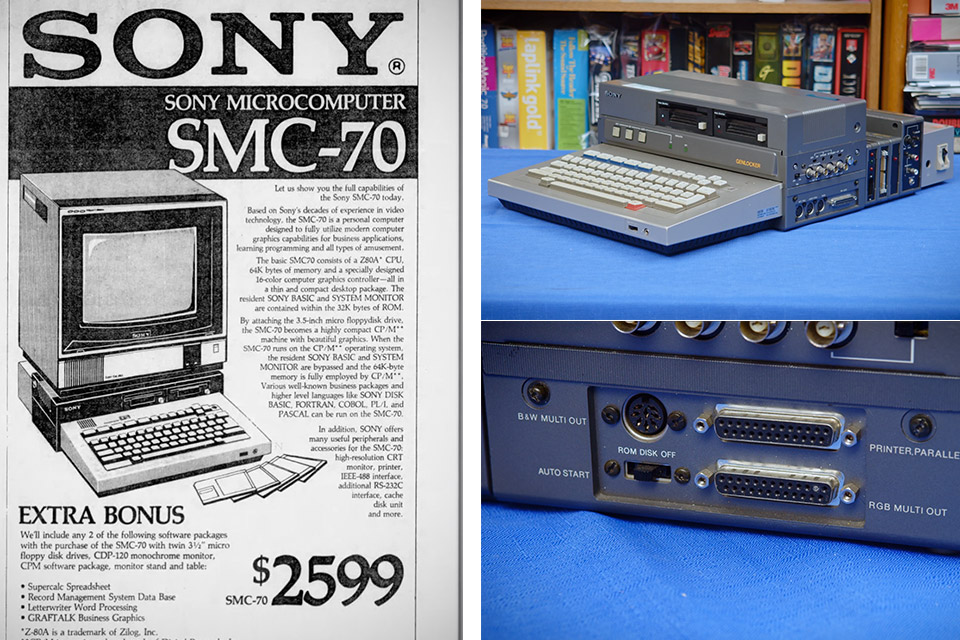
Photo credit: ETZone
Sony shipped the SMC-70 in September 1982 as its first real microcomputer, first in the United States for office work and then in Japan on December 1. Most people walking past a gray-and-silver slab that year would have assumed it belonged to NEC or Sharp. Few realized the company that made Trinitron sets and Walkmans had just entered the personal-computer business with a Z80A running at 4.028 MHz, 64 KB of user RAM, and Sony BASIC already sitting in ROM.


This scrunched-up keyboard and computer combination, measuring only 90 millimeters high and weighing 4.8 kilograms, was a real head-turner, resembling a polished typewriter rather than the lumbering old CP/M computers that plagued workplaces. The dual-tone keys also had a useful red Help button. The analog RGB and composite outputs connected to Sony’s own line of color monitors, while a cassette port running at 1200 baud and an RS-232C serial port handled the rest of the day’s peripherals. If you wanted to go all out, you could even install an internal 3.5-inch drive, the same ones Sony had produced a couple of years before, which housed roughly 280 KB of formatted goodness and whirred along at 600 rpm, as that was a whole lot faster than the 5.25-inch disks everyone else was still stuck on.


Apple 2026 Mac mini Desktop Computer M6 chip
- LITTLE DO-IT-ALL — Mac mini packs pure power into a small, five-by-five-inch desktop as the M6 chip delivers next-level AI capabilities. Mac mini…
- M6 CHIP — Everything you do on Mac mini feels more responsive with the M6 chip and its next-generation CPU. Fly through AI workflows with up to 4.8x…
- CONNECT IT ALL — Features three Thunderbolt 4 ports, an HDMI port, and a 2.5Gb Ethernet port in the back, and two USB-C ports and a headphone jack…
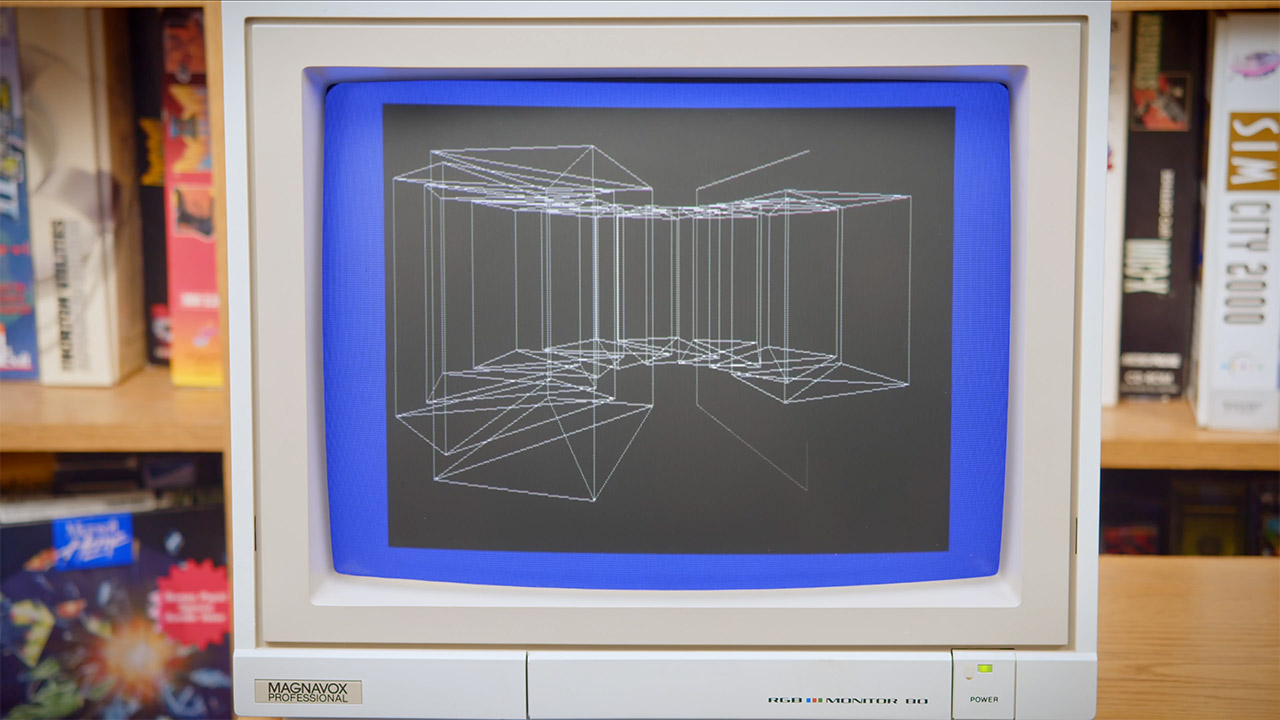
Graphically, this compact machine sported four modes that left the majority of its 8-bit competition in the dust: 320 by 200 pixels in 16 colors, 640 by 200 in four colors, 640 by 400 in monochrome, and even a 160-by-100 four-page mode in 16 colors. You could control the character, graphics, and border planes separately and stack them on top of each other, ensuring that your text was clearly visible above any drawings. If you wanted to be really creative, there was a light-pen port and a programmed character generator, allowing you to draw titles or diagrams directly on the device. The CP/M 2.2 worked perfectly with Sony’s color extensions, and if you splurged on the cache-disk module, it would convert a portion of your RAM into a lightning-fast virtual drive.

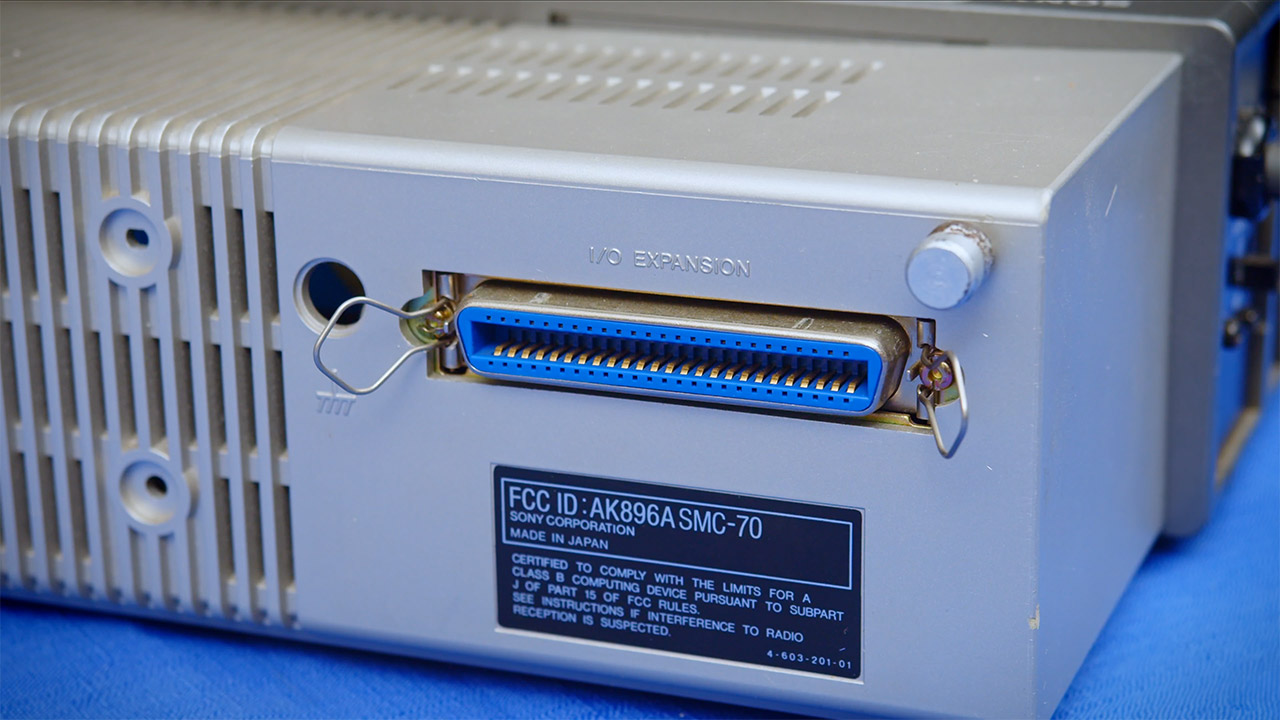
Expansion was a breeze because there was no need to fiddle with casings and slots like on the old S-100 and ISA motherboards. This chassis simply split in the center, allowing you to stack all of your modules on top of one another and secure them in place with those neat little metal rods that worked as skewers. Ribbon cables or external links allow the stack to grow indefinitely, either vertically or horizontally. Later on, you could add additional RAM banks of up to 256 KB, an IEEE-488 interface, kanji ROM for Japanese characters, or the Supercharger box, which had a 5 MHz 8086, up to 768 KB of extra memory, and even CP/M-86. Sony even promised MS-DOS support, but it never materialized in any significant quantities.
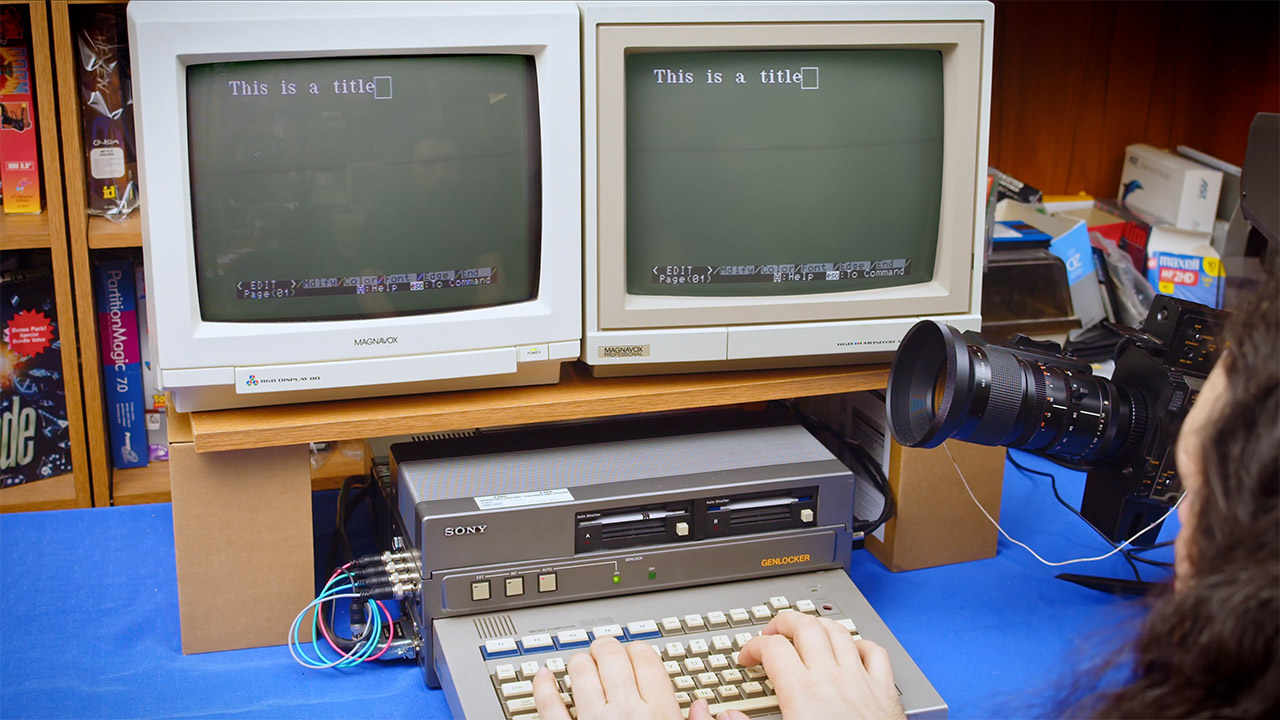
Broadcast versions followed in 1983. The SMC-70G and PAL-equipped SMC-70GP both have built-in genlock circuitry, allowing computer graphics to lock onto an incoming video stream. That made them extremely handy for stations and production studios looking to create character creation, lower-thirds, weather maps, or other simple digital effects that could be experimented with on tape or laserdisc. There was also software available, such as Graphics Editor and Video Titler, that allowed you to draw in sixteen different colors or set text in many sizes and faces, then layer the results directly on top of everything else without the need for a special character generator.
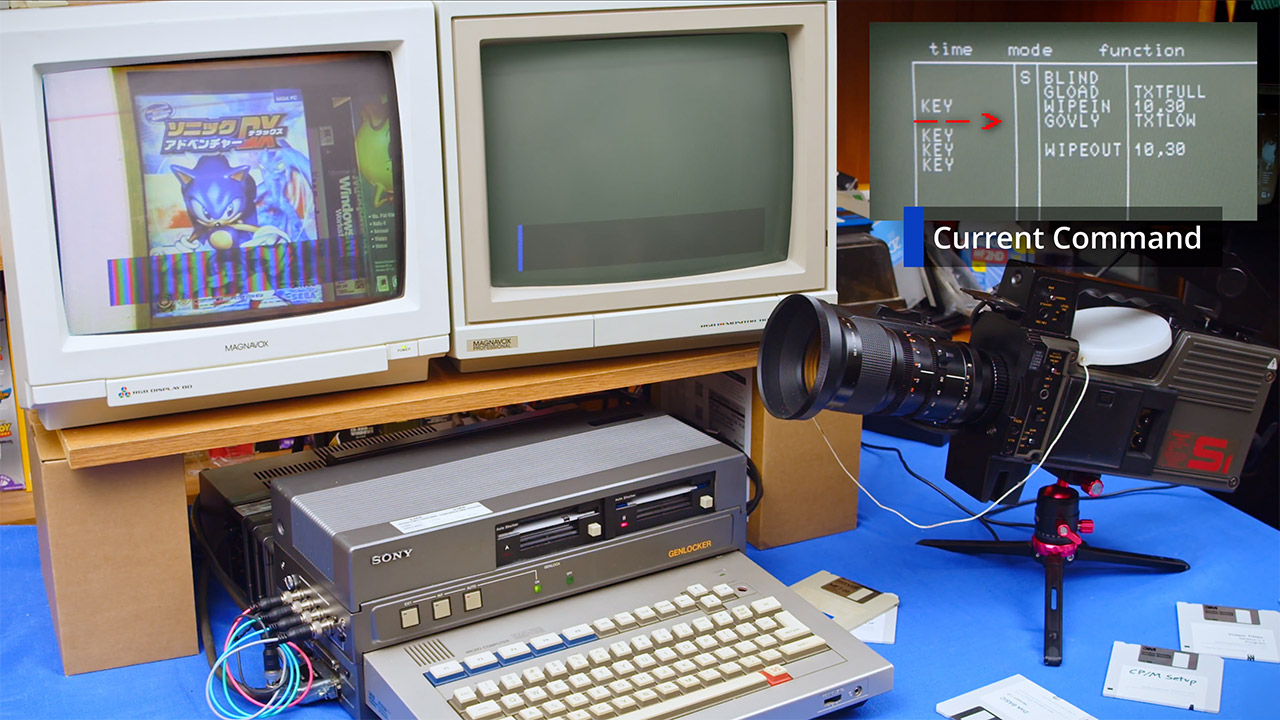
In the end, sales did not take off as the engineers had hoped. This item remained a bit of an anomaly, a well-built computer that people remembered fondly, now largely by collectors who repair those crazy module stacks and the strange film that drew one out of storage. Sony had been building computers for a long time, but the SMC-70 was the first time they combined a full microcomputer, color graphics, and a brand-new small floppy drive all on the same tabletop.
[Source]
You must be logged in to post a comment Login