Tech
Federal appeals court rules Kalshi’s sports prediction markets are gambling

What just happened? A federal appeals court ruled on Friday that Nevada can enforce its gambling laws against Kalshi’s sports prediction markets, dealing the company a major setback in its fight to keep state regulators out of the business. The decision could give regulators across the West more leverage to challenge sports contracts offered on federally regulated prediction exchanges, while moving the industry closer to a Supreme Court fight over whether those products are financial derivatives or gambling.
The Ninth Circuit Court of Appeals found that Kalshi’s sports contracts amount to sports betting, even though the company offers them through a federally regulated exchange. The decision could have implications well beyond Nevada, particularly in states that have been trying to limit or block sports-related prediction markets.
Kalshi lets users trade contracts based on event outcomes. The platform lists markets tied to sports, elections, economic data, weather, entertainment, and other subjects. Its sports contracts have become a major part of its activity as prediction markets have grown quickly this year.
The company has argued that its contracts are federally regulated financial products, not gambling. Kalshi is regulated by the Commodity Futures Trading Commission and has said that federal oversight should prevent states from applying their own gaming laws to its operations.
The Ninth Circuit rejected that argument.
“The substance of the sports event contracts offered on Kalshi’s (exchange) is sports gambling, regardless of whether Kalshi calls them swaps,” the three-judge panel wrote.
The court also said Kalshi had not shown a meaningful difference between its sports markets and traditional sportsbook wagers. “Kalshi’s attempts to distinguish its sports event contracts from sportsbooks betting are unpersuasive,” the ruling said.
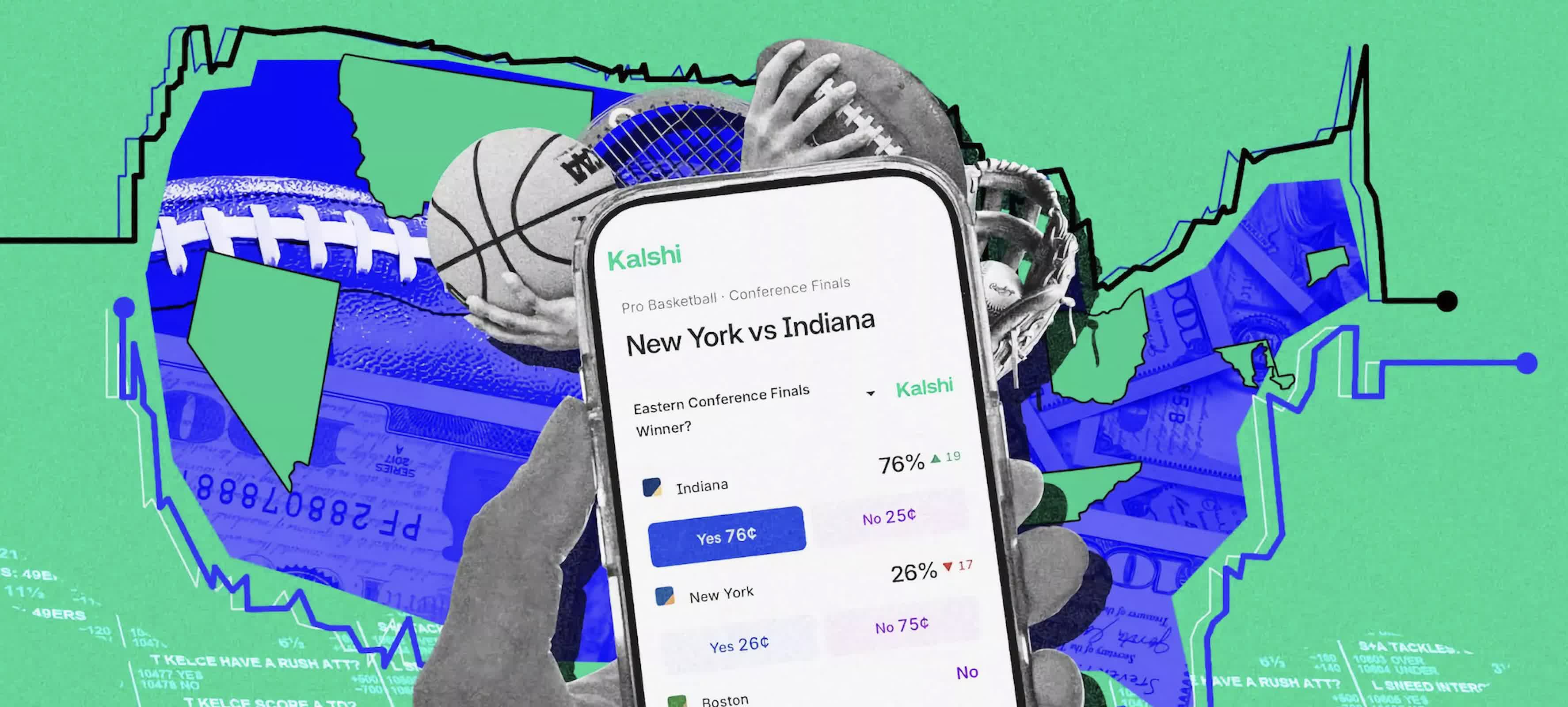
The panel took particular issue with Kalshi’s position that its products were not sports betting. The judges said it was “disingenuous” for the company to make that argument after using sports-betting language in earlier marketing materials.
The case began after Nevada regulators moved against Kalshi and similar prediction-market offerings from Crypto.com and Robinhood. Nevada has long treated sports wagering as a tightly regulated activity, and state officials argued that the platforms should be subject to the same rules and taxes as other betting operators.
Gov. Joe Lombardo said the ruling would help “safeguard the integrity of our gaming industry.” Mike Dreitzer, chair of the Nevada Gaming Control Board, said it “completely vindicates what we have been saying all along.”
Kalshi said it intends to challenge the ruling. Spokeswoman Dani Lever said the company believes CFTC regulations do not bar sports contracts and noted that the agency is considering further clarification of its rules.
“Despite the Ninth Circuit’s opinion, we still believe the CFTC regulations as written do not prohibit sports contracts, and in any event, the CFTC is working to clarify those regulations,” Lever said in a statement. “We will be seeking further review.”
The decision conflicts with a ruling earlier this year from the Third Circuit Court of Appeals. In that case, the court blocked New Jersey from enforcing its gaming laws against Kalshi and other prediction-market companies.
That split raises the odds that the Supreme Court will eventually decide whether federally regulated prediction exchanges can offer sports contracts without state gaming licenses.
“It’s the first ruling against Kalshi at the appellate level, and the opinion seemed to be pretty brutal for the company,” Dustin Gouker, an independent journalist who covers the prediction industry, told CNN. “This gets us one step closer to an almost inevitable Supreme Court case on the legality of sports event contracts.”
The Ninth Circuit’s ruling now applies to federal courts in California, Arizona and six other states in the circuit. It could give regulators in those states more leverage as they challenge prediction-market companies.
The ruling comes as the industry is gaining users and trades. Kalshi has reported billions of dollars in weekly trading volume, with sports markets driving much of that activity. Polymarket, the second-largest prediction platform in the United States, was not part of the Nevada case, but the legal issues raised by the ruling could affect its business as well.
You must be logged in to post a comment Login