Tech
Ferrari’s CZ26 One-Off Debuts at Monterey Car Week, is Silver Capsule with Red Edges

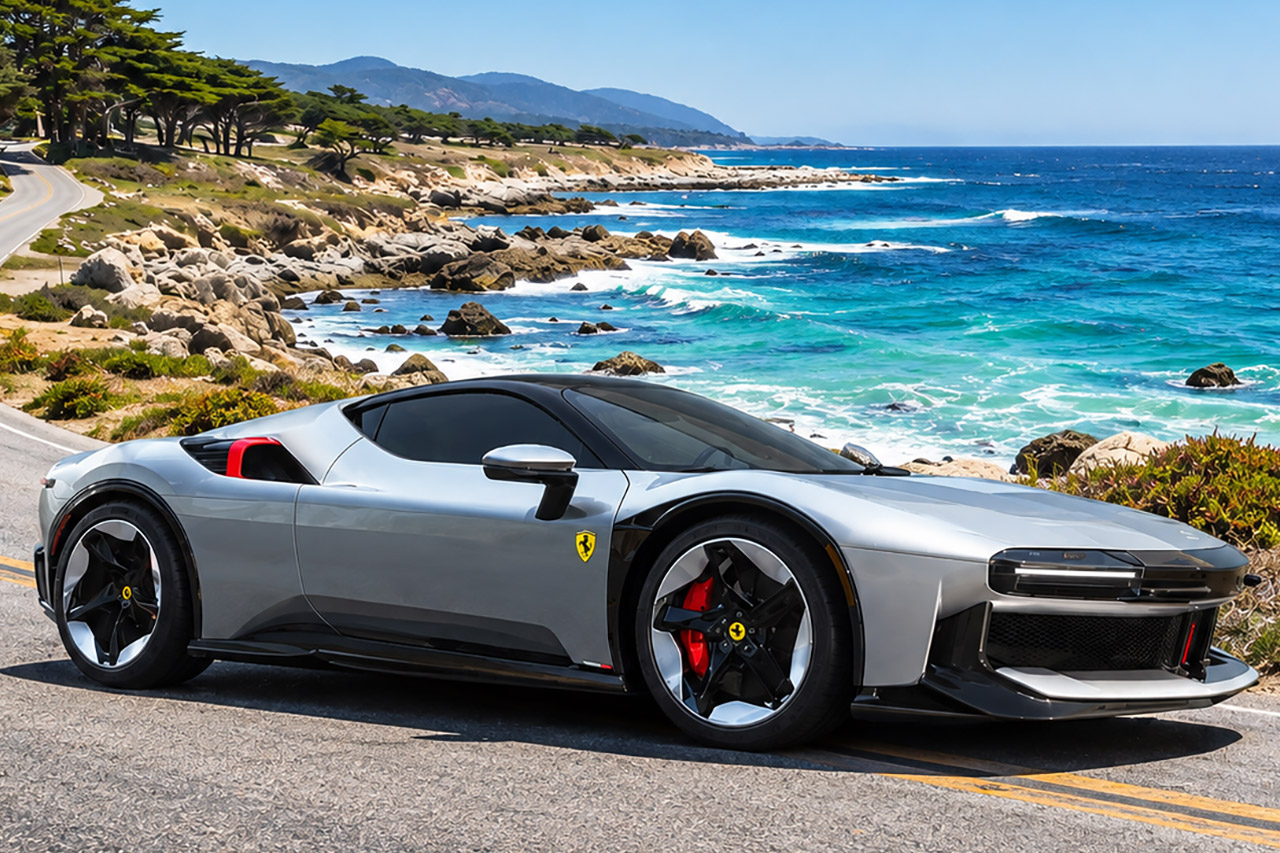
Ferrari rolled a completely unique coupe onto the Monterey Car Week stage this week and called it CZ26. Built through the Special Projects programme for a single American client, the car started life as an SF90 Stradale and left Maranello two years later looking like something else entirely. Flavio Manzoni’s design team treated the SF90’s hard points as a fixed foundation and then drew a new body around them, one that leans hard into the clean geometry of 1970s Italian industrial objects while still delivering the performance numbers the donor car made famous.


The silhouette is purposefully oriented horizontally. A low, central volume falls in like a capsule between four powerful, muscular wheel arches, and the roof and pillars are finished in black, giving the passenger cell the appearance of a discrete chunk embedded in the body. From the front, the vehicle looks to have a full-width, serious business-like grille that swallows incredibly slim lighting modules, brake ducts, and sensors in a single dismal strip.


LEGO Technic Ferrari 488 Pista Car 42235
- SPORTS CAR BUILDING TOY – Fuel kids’ passion for high-performance vehicles with the LEGO Technic Ferrari 488 PISTA Car (42235) model building kit…
- TOY CAR WITH REALISTIC DETAILS – Kids can learn new engineering skills as they put together and explore the V8 engine with moving pistons…
- FORZA HORIZON 6 UNLOCKABLE – Unlock a special LEGO Technic livery in the Forza Horizon 6 video game – please note that a copy of the game is…

The leading edge is practically straight up and down, giving the nose a sharp visage that appears to have been designed by a brilliant architect rather than just rounded off like the SF90. At the back, the body simply stops dead. The taillights are perched out on the end of the car with a cantilevered design that appears to be about to tip over, and the diffuser is as broad as the car is long, with the glass engine cover completely shaded, making it impossible to see what’s lying underneath. The car’s body is painted a liquid-silver color dubbed Argento Veloce, which looks like liquid metal and shimmers and swirls under the light; the only bright red elements you’ll notice are the functional aero bits.
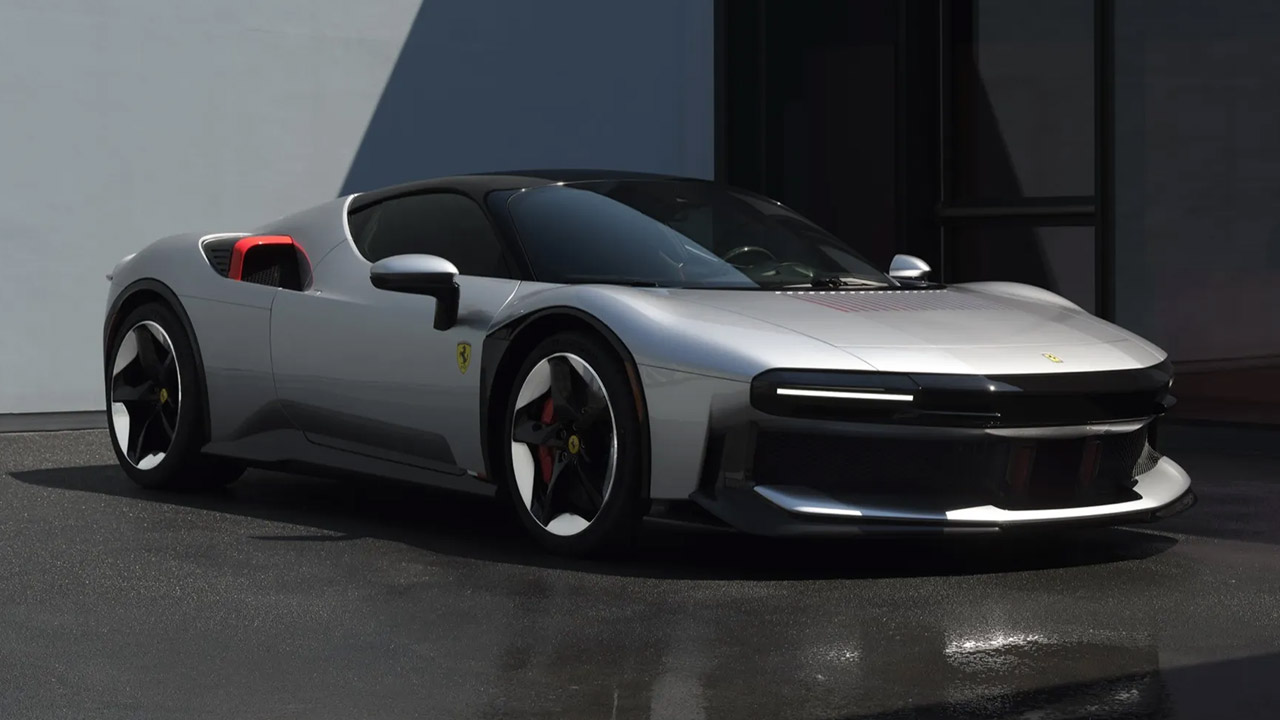
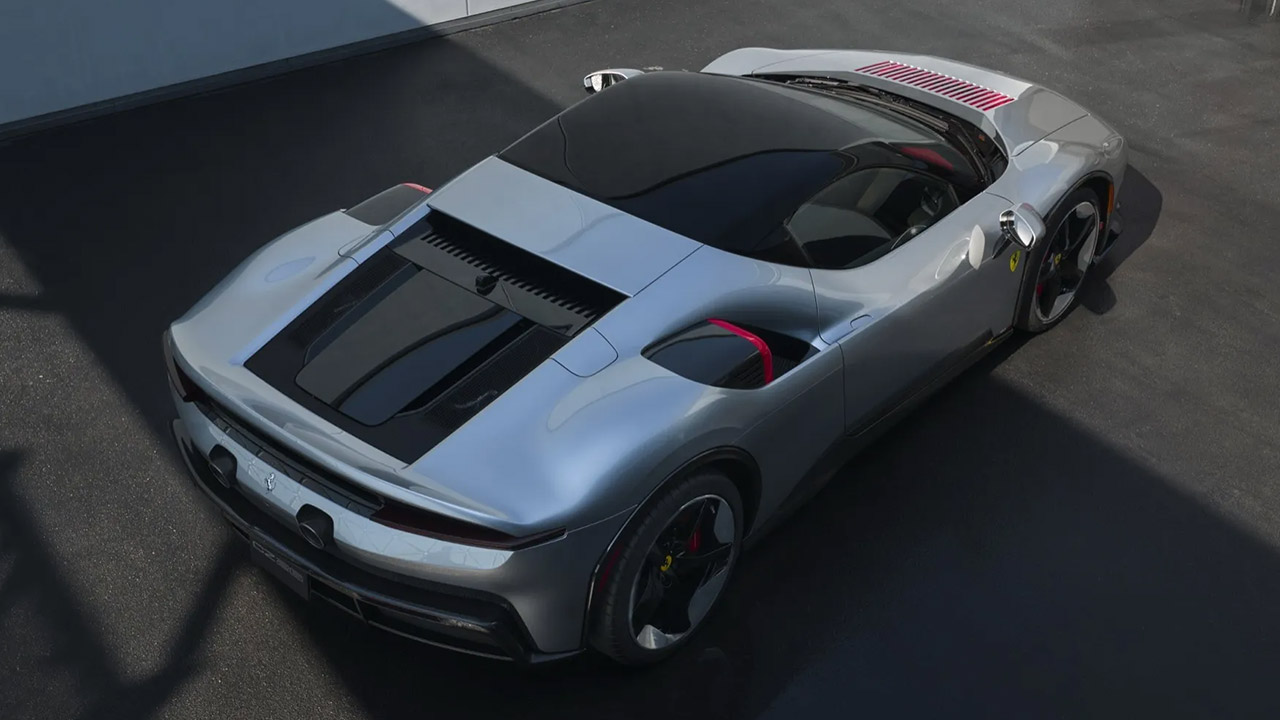
Every minor change underneath affects how air moves around the car. The radiator pack was rearranged so that air flows more effectively via it while also providing a little extra downforce at the front. The air curtains in the bumper corners ensure adequate airflow around the wheels. The underbody and all of its small vortex generators were modified to maintain the car’s overall balance. The rear spoiler was increased in size and the diffuser was reshaped to increase the car’s speed, while the engine cover received a few new air vents to keep it from becoming too hot when the hybrid system is working as hard as it can. Finally, it all adds up to a car that has a considerably simpler appearance than the SF90 but performs just as well in terms of airflow.

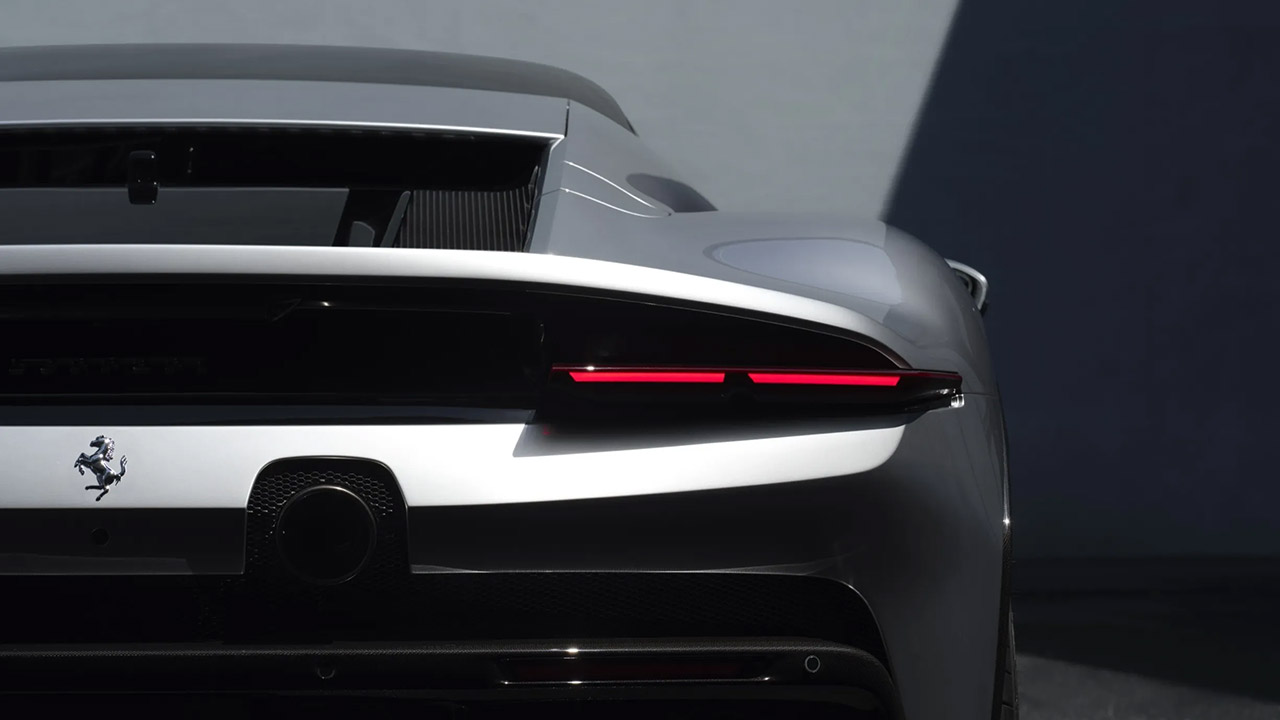
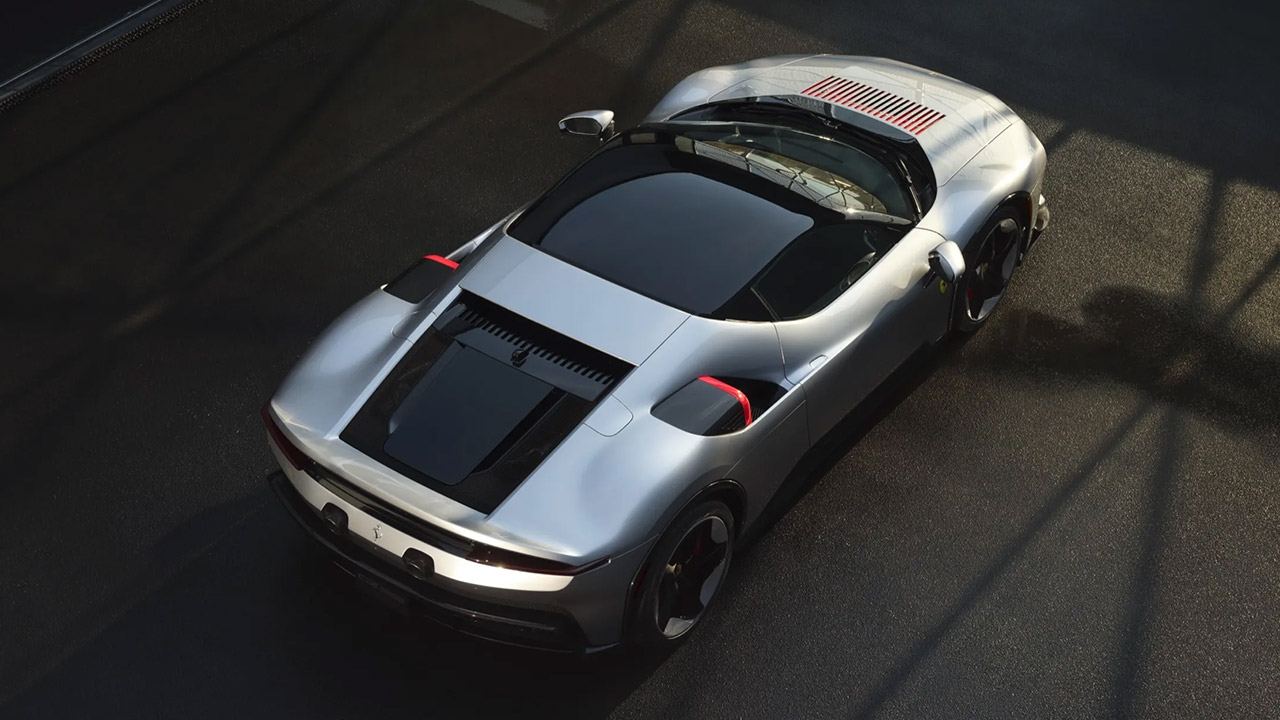
Nothing mechanical has changed; the 3,990cc twin-turbo V8 still produces 797cv at 7900 rpm and 804 Nm at 6250 rpm. Three electric motors add extra 162kW of power. The combined output ranges from 986 to 1000cv, depending on rounding. The power is routed to all four wheels via the reliable 8-speed dual-clutch gearbox, a configuration we’ve seen before. The 7.9kWh battery provides around 25 kilometers of pure-electric range, which is about as far as most people would want to go. The top speed remains at 328km/h, with acceleration from 0 to 100km/h taking 2.5 seconds and 0-200km/h taking 6.7 seconds. It takes only 29.5 meters to brake from 100km/h.
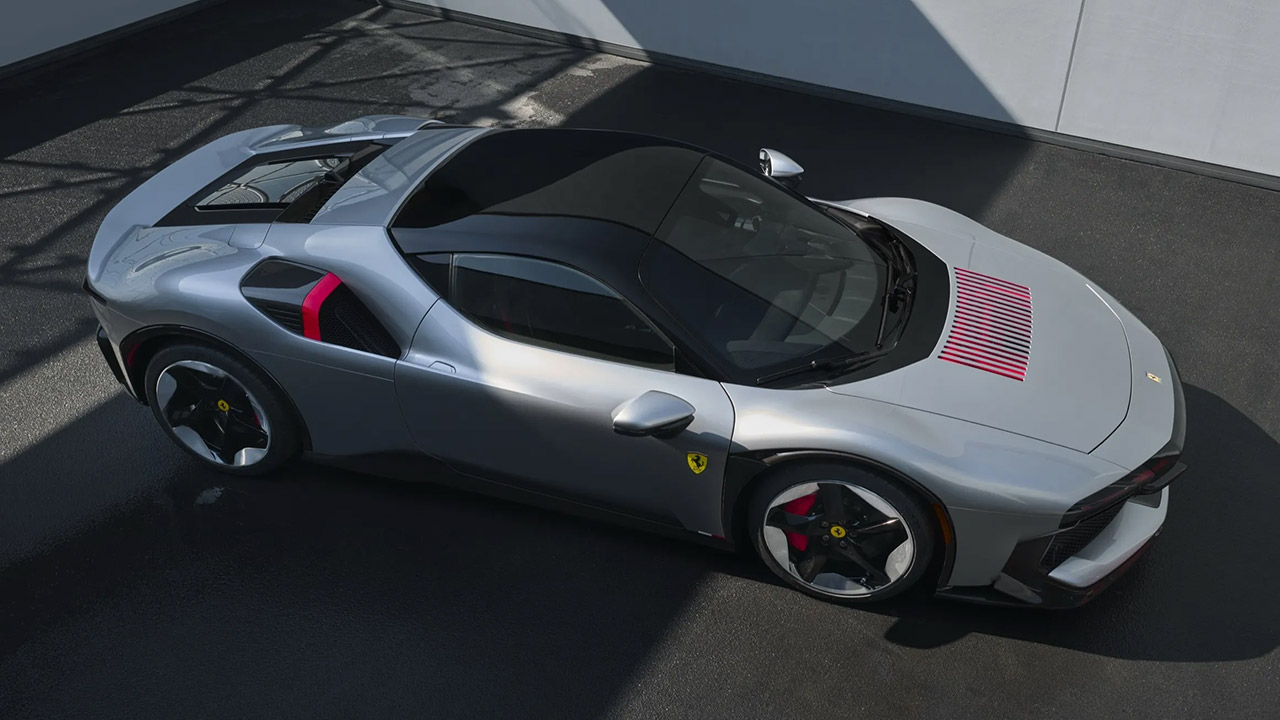
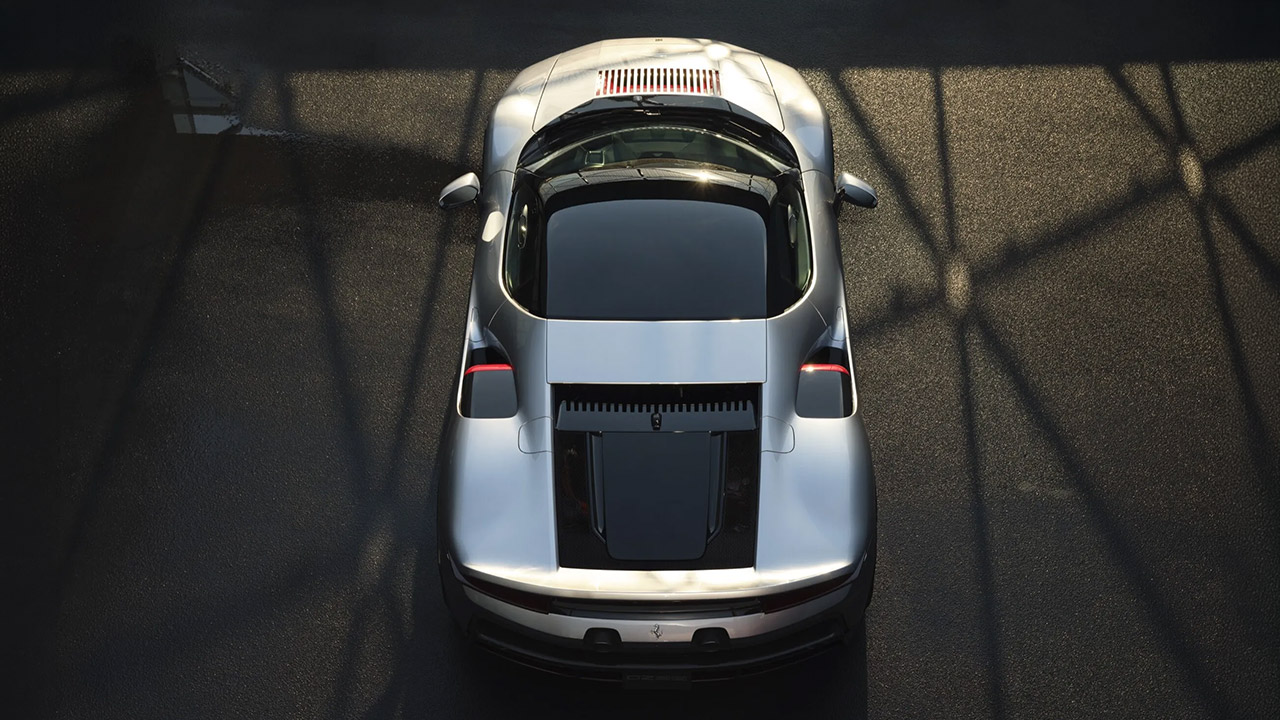
The weight distribution remains the same, with 45% up front and 55% in the back. The car itself is 4,762mm long, 2,005mm wide, and 1,189mm tall, with a 2,650mm wheelbase. The 20-inch wheels are shod with 255/35 rubber in the front and 315/30 in the rear, and the rims are gloss black with a shot-peened surface that catches the light in a way that regular pieces do not.
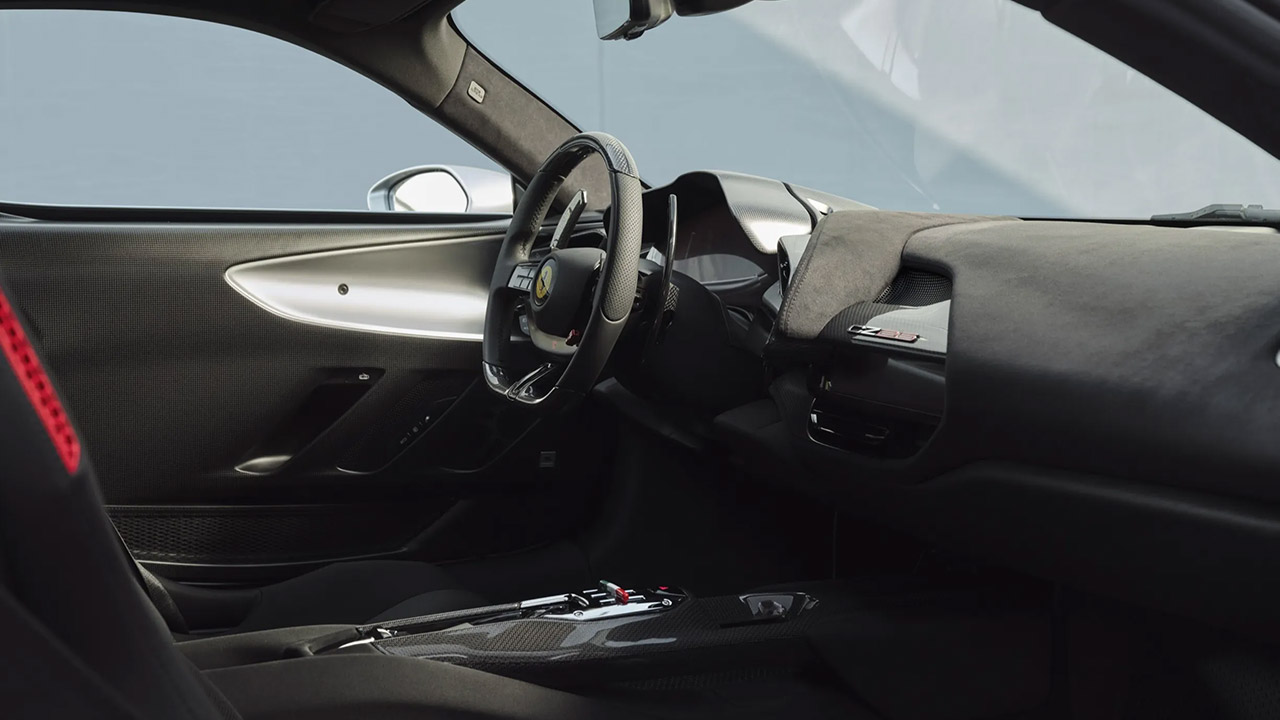
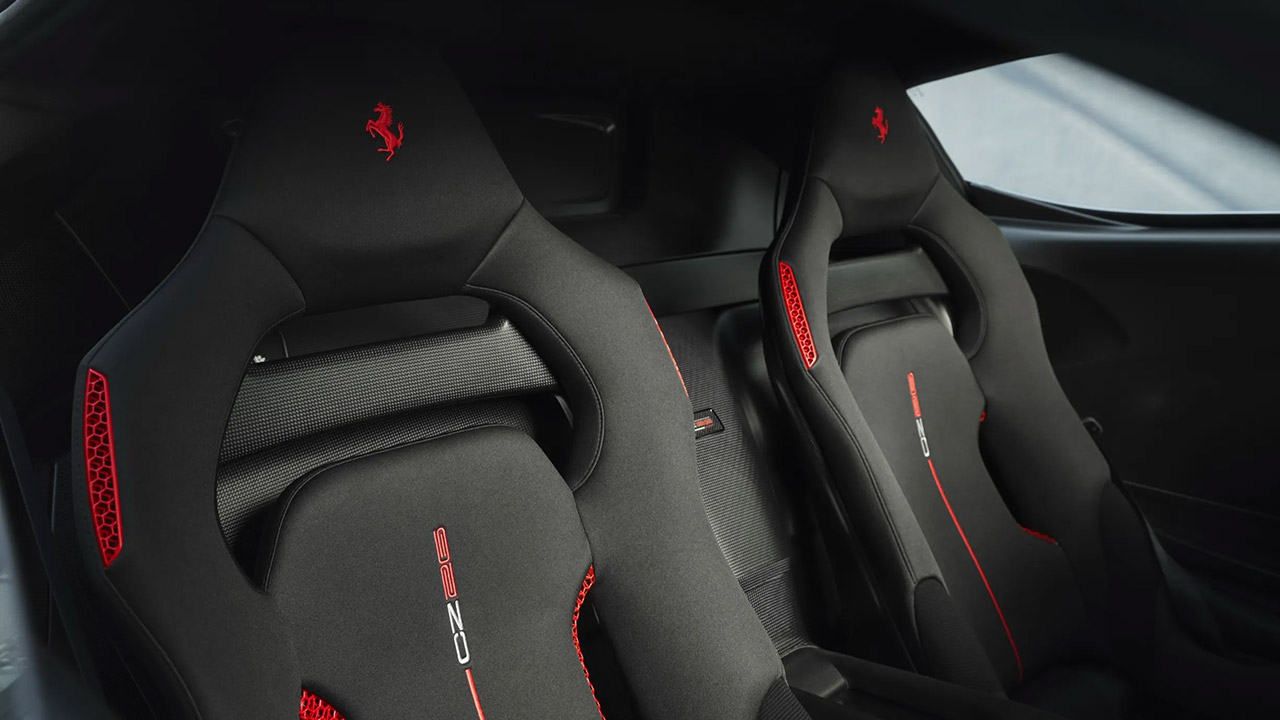
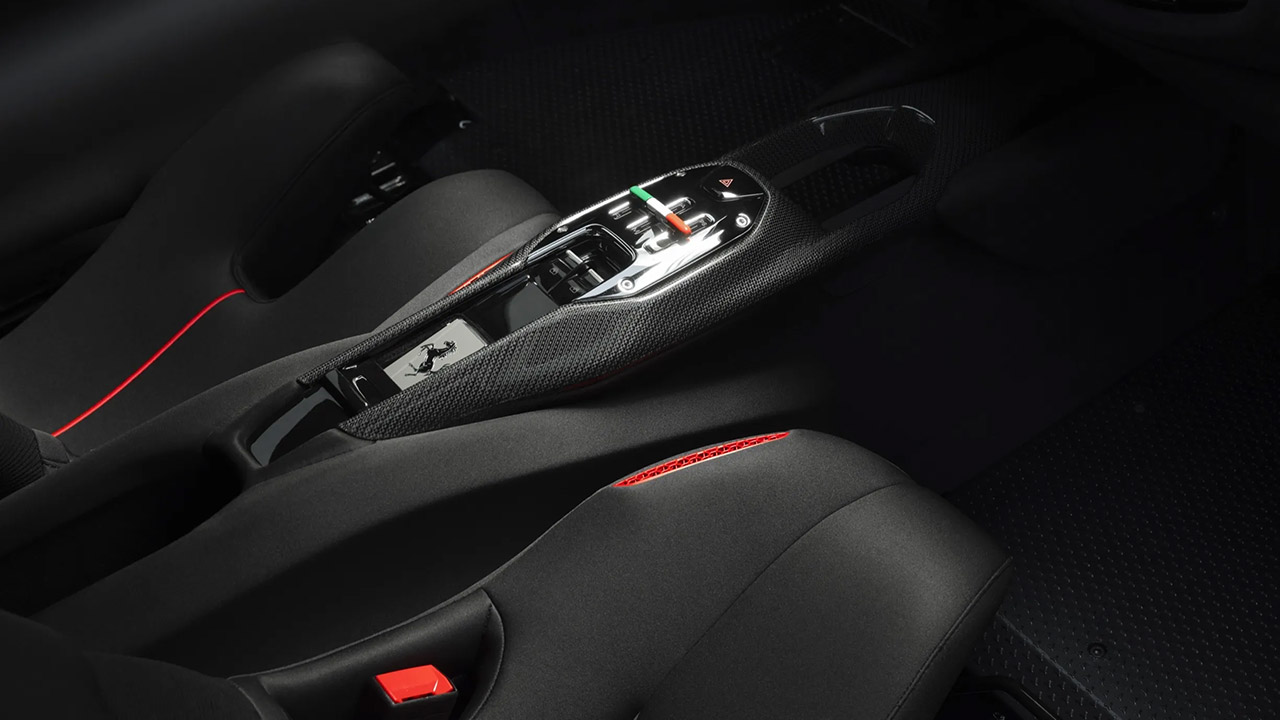
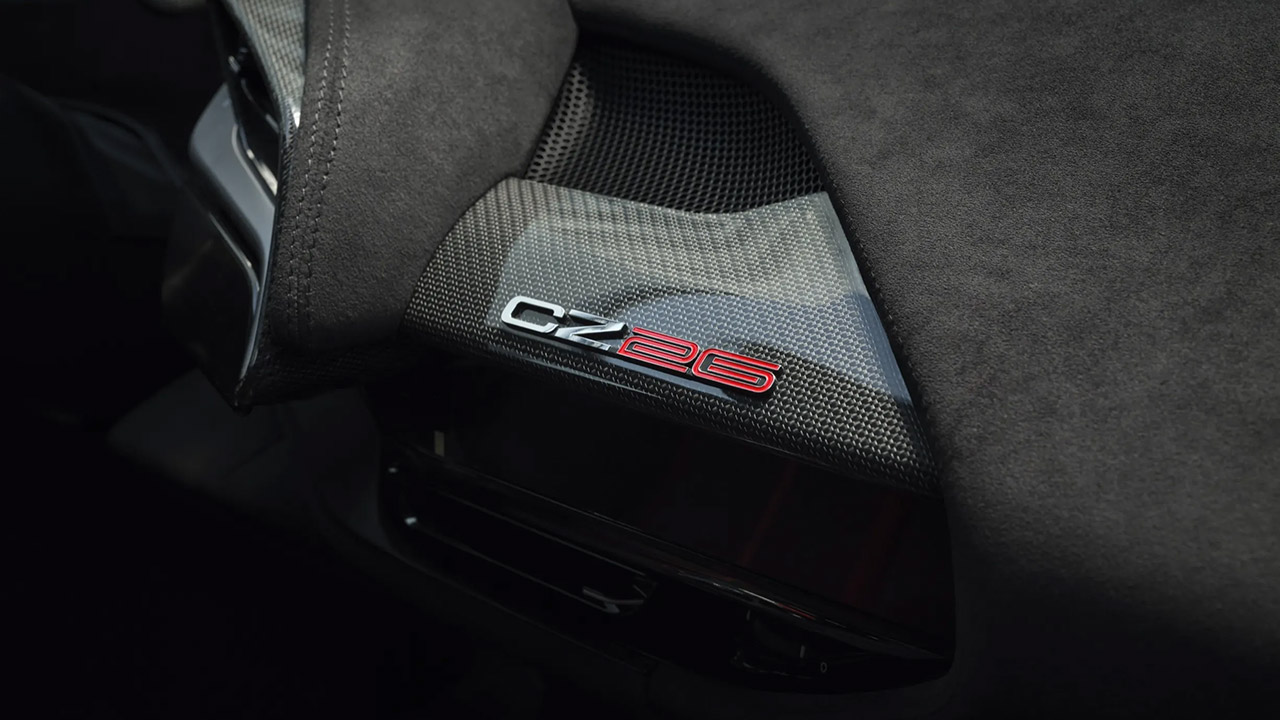
The cabin features the traditional black and red color scheme. The technical fabric upholstery takes up the most of the space, however it is broken up with snatches of Rosso Lampante stitching and inlays. The CZ26 logo will be embroidered on the dash and between the seats. The slick and glossy carbon fibers provide a stunning contrast, with metallic threads running thru them. The door panels and top of the dashboard have the same Argento Veloce finish as the exterior, blending the cabin and body together, while the seats, as expected, are the latest Ferrari design, lighter and more supportive than those on the SF90, but not considerably different.
You must be logged in to post a comment Login