Tech
Fingernail-Sized Atomic Clock Now World’s Smallest, Unlocks Swarms of Affordable Drones

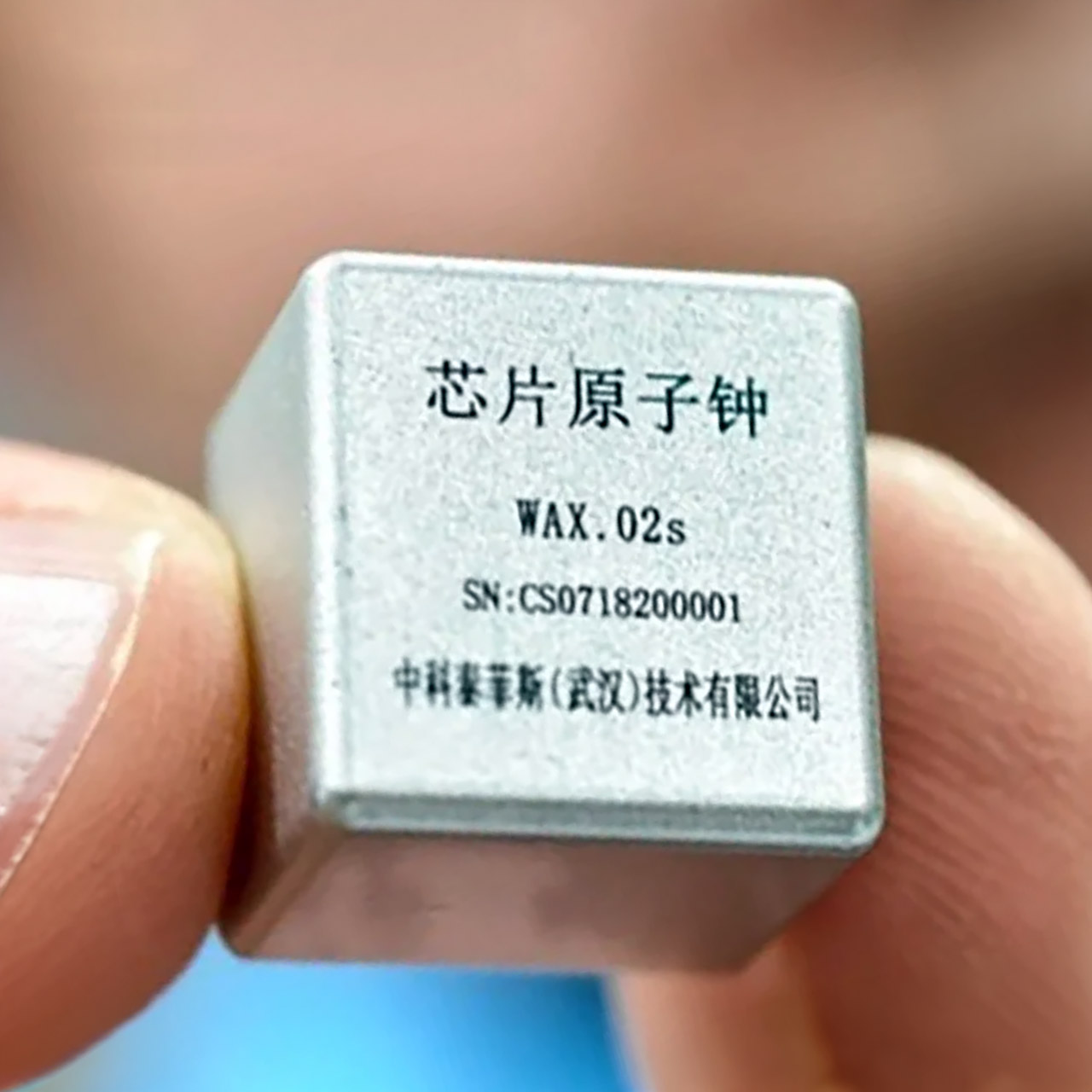
Photo credit: Wuhan University
Wuhan University scientists created an atomic clock that can fit into a fingernail-sized area. Measuring only 2.3 cubic centimeters, it weighs next to nothing but keeps time with enough precision to drift by only one second over 30,000 years.

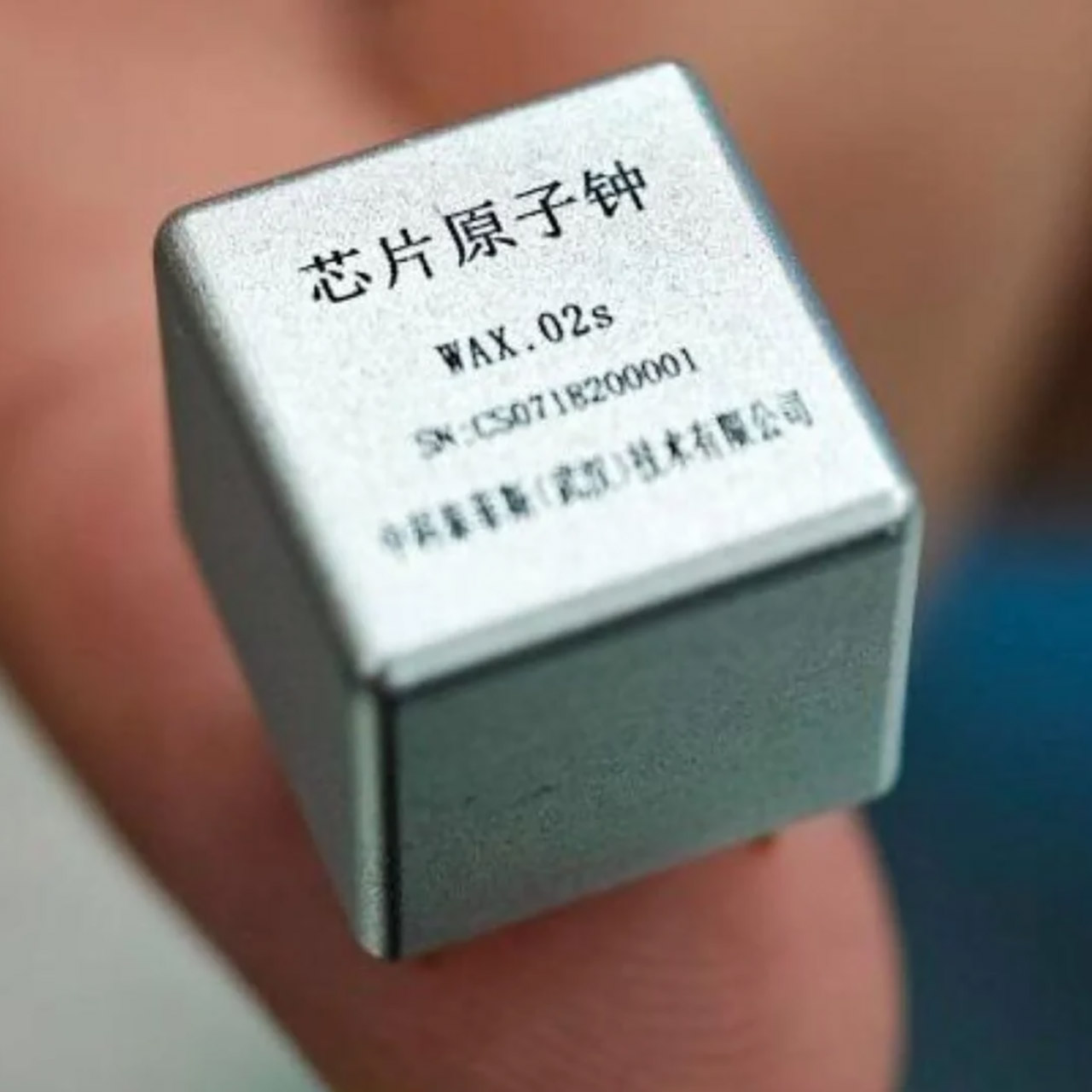
The smallest atomic clocks today measure roughly 17 cubic centimeters, which is more than seven times larger. The key to slimming it down was to replace the hefty microwave cavities present in prior designs with a quantum approach known as coherent population trapping. Inside a tiny glass cell containing rubidium atoms, a miniature semiconductor laser emits two carefully calibrated light frequencies. When those frequencies coincide exactly with the atoms’ inherent energy state, they lock into a stable state, producing a timing reference far more stable than any quartz crystal could.


DJI Neo, Mini Drone with 4K UHD Camera for Adults, 135g Self Flying Drone that Follows You, Palm Takeoff…
- Due to platform compatibility issue, the DJI Fly app has been removed from Google Play. DJI Neo must be activated in the DJI Fly App, to ensure a…
- Lightweight and Regulation Friendly – At just 135g, this drone with camera for adults 4K may be even lighter than your phone and does not require FAA…
- Palm Takeoff & Landing, Go Controller-Free [1] – Neo takes off from your hand with just a push of a button. The safe and easy operation of this drone…
Everything is stacked onto a single chip, reducing both size and power consumption to levels that previous designs could never achieve. Conventional atomic clocks, even in their most compact version, required several hundred cubic centimeters and many watts to function. This one completely bypasses such limits, making it possible to include atomic timing into devices that were previously impossible to equip with it. A university spin-off company currently oversees production, with backing from a state-owned investment group. Last year, hundreds of devices were sent, and the team is still refining its manufacturing process to keep costs on track.

According to Professor Jiehua Chen, who heads the research, the clocks are already in use in real-world applications such as micro positioning systems, underwater navigation, low orbit satellites, and drone swarms. When dozens of drones need to fire, communicate, or move at the same time, even a few nanoseconds of timing drift might disrupt a coordinated operation or break an encrypted communication.
[Source]
You must be logged in to post a comment Login