Tech
First Look at Lynx M20S, the Robot Dog That Keeps Moving Through Mud, Rain, and Everything Else
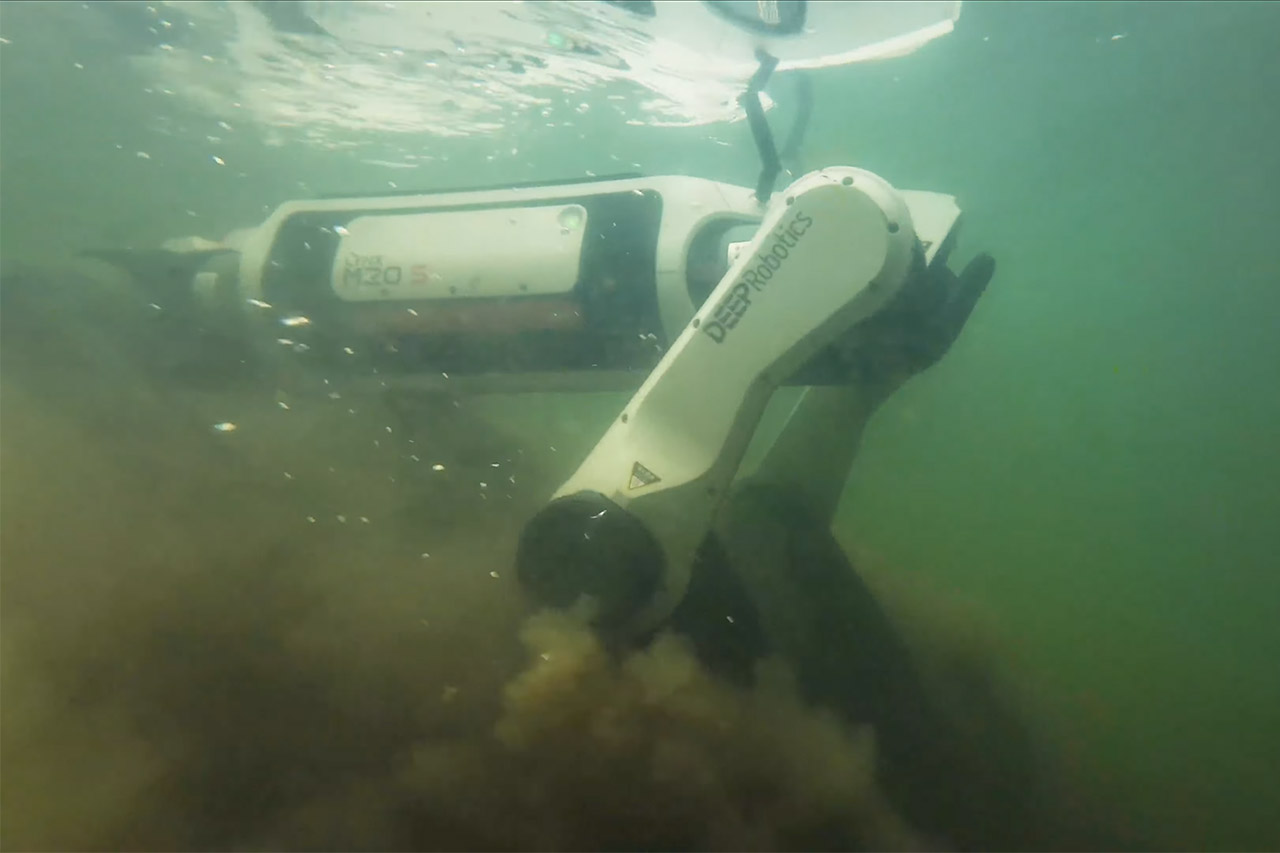
Deep Robotics has just released its latest four-legged robot, the Lynx M20S, and it’s evident that this machine was built to handle situations that would bring others to a halt. The days of the Lynx M20 being content with the safety of a controlled factory floor or a bone dry path are over, as the Lynx M20S simply continues truckin’ without blinking, trekking through water and dirt like it’s nothing. The engineers expanded on the previous Lynx M20’s robust foundation by improving three critical areas: hauling capacity, water resistance, and sheer speed.


The Lynx M20S may appear familiar, but it has been refined, measuring approximately 82cm long, 43cm broad, and 57cm tall, a sleek structure that maintains the overall weight under 33kg with the battery included. That means one person can easily move it around when necessary, so getting it from a truck to a job site is no trouble. M20S has wheels on the ends of each leg, so when in rolling mode, it glides along pavements and packed paths with ease. Flip a switch, and the wheels lock and the legs bend and lengthen, allowing you to step over logs, scamper up embankments, or step over obstacles up to 80cm tall. If you have to climb stairs, it is content to go to the next level at a fairly consistent rate: 25cm each step with a maximum slope angle of 45 degrees. It has a clever hybrid system that allows it to determine the optimal path forward based on what’s in front of it, all with a smooth transition from one mode to another.


Unitree Go2 Robot Dog Quadruped Robotics for Adults Embodied AI (Go2 X) Built for Developers
- 【Next-Generation Robotic Companion: Meet the Unitree Go2 Robotic Dog】 The Unitree Go2 X is a powerful and intelligent quadruped robot designed for…
- 【Intelligent Navigation with 3D LiDAR & Obstacle Avoidance】 Featuring ultra-wide 3D LiDAR with 360°x96° perception, the Go2 X detects obstacles…
- 【High-Definition Vision & Seamless App Integration】 A front HD camera streams 1280×720 video to the app. Control the robot, view real-time data…
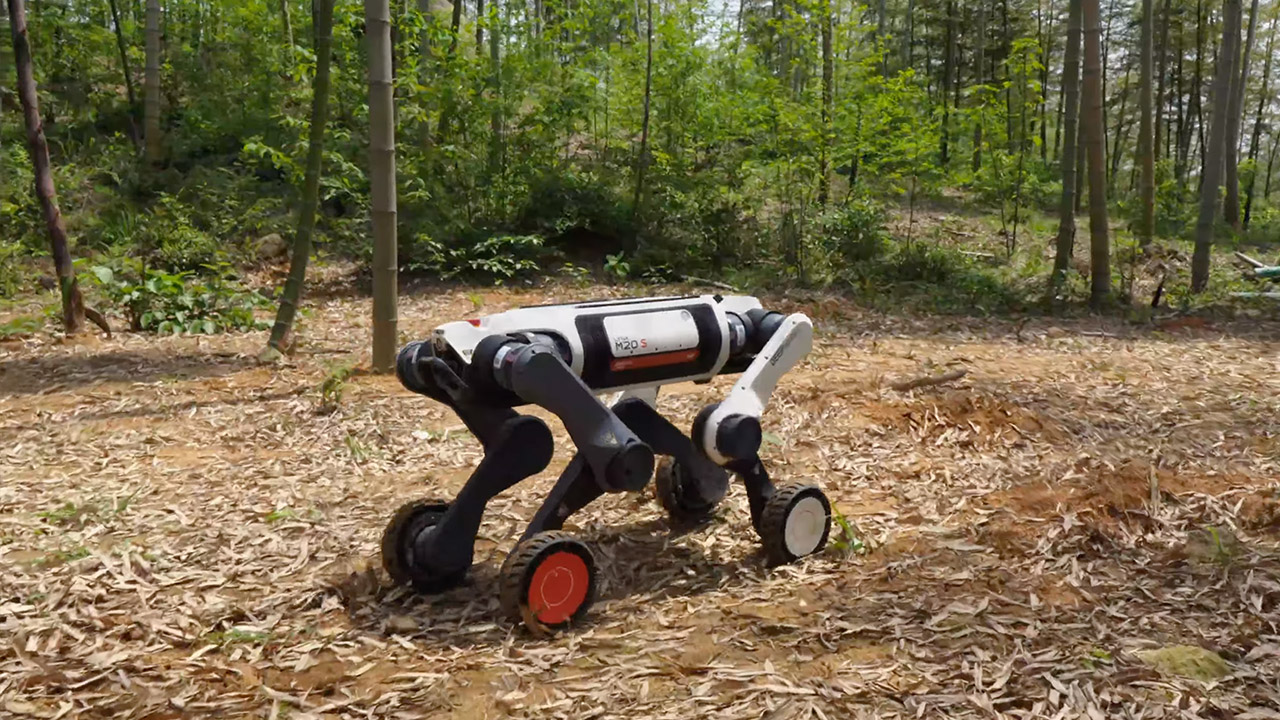
Speeds have undoubtedly increased with this new iteration, as lab testing suggest it can achieve a top speed of 9m/s, which is fast enough to keep up with a jogging on open ground. However, for everyday use, it has a more manageable top speed, striking a good mix between control and performance. Payload capacity has also been increased, allowing you to carry 35kg of weight in real work, up from 15kg previously. Hot-swappable batteries provide 3 hours of juice when unloaded and a good 2.5 hours when loaded, and the 1.5 hour charge time allows you to get back on the road quickly. Distance is expected to be roughly 15 kilometers without cargo and 12 kilometers with weight on board – quantities that matter when the operation is spread out over a vast location or a remote trail.

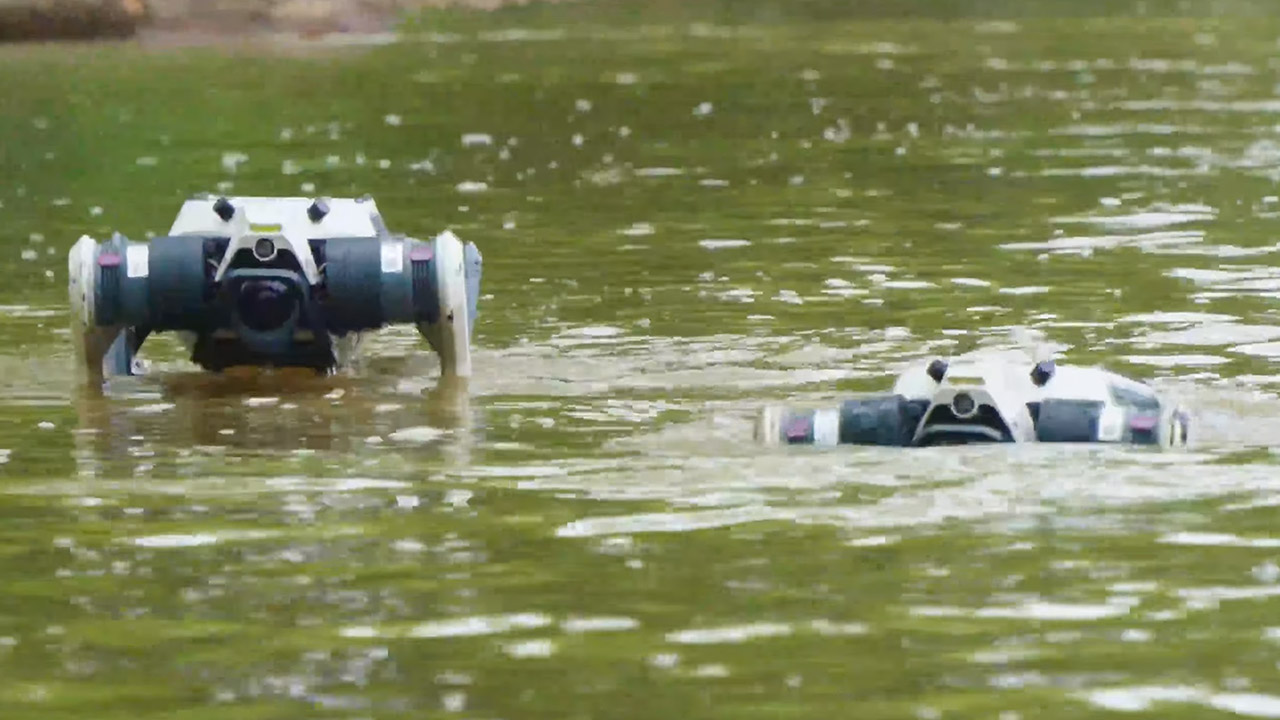
Protection levels received the same level of attention to detail. The Lynx M20S has recently received an IP67 rating. It’s well-sealed against dust and may be submerged in water for a short period of time without issue. I mean, earlier versions had an IP66 rating, which was fine for dealing with heavy rain or the occasional splash, but don’t expect it to get through a deeper puddle or an unforeseen flood. Temperatures range from negative 20 degrees Celsius to a blistering 55 degrees Celsius, so the robot can actually run whether it’s snowing or the sun is pouring down on some unfortunate guy in the desert. The Lynx’s joints and electronics are all shielded, so it can withstand a good old-fashioned rainstorm, muddy wetlands, or a dusty construction site, and all of that durability means it can do jobs when the weather is a complete nightmare.
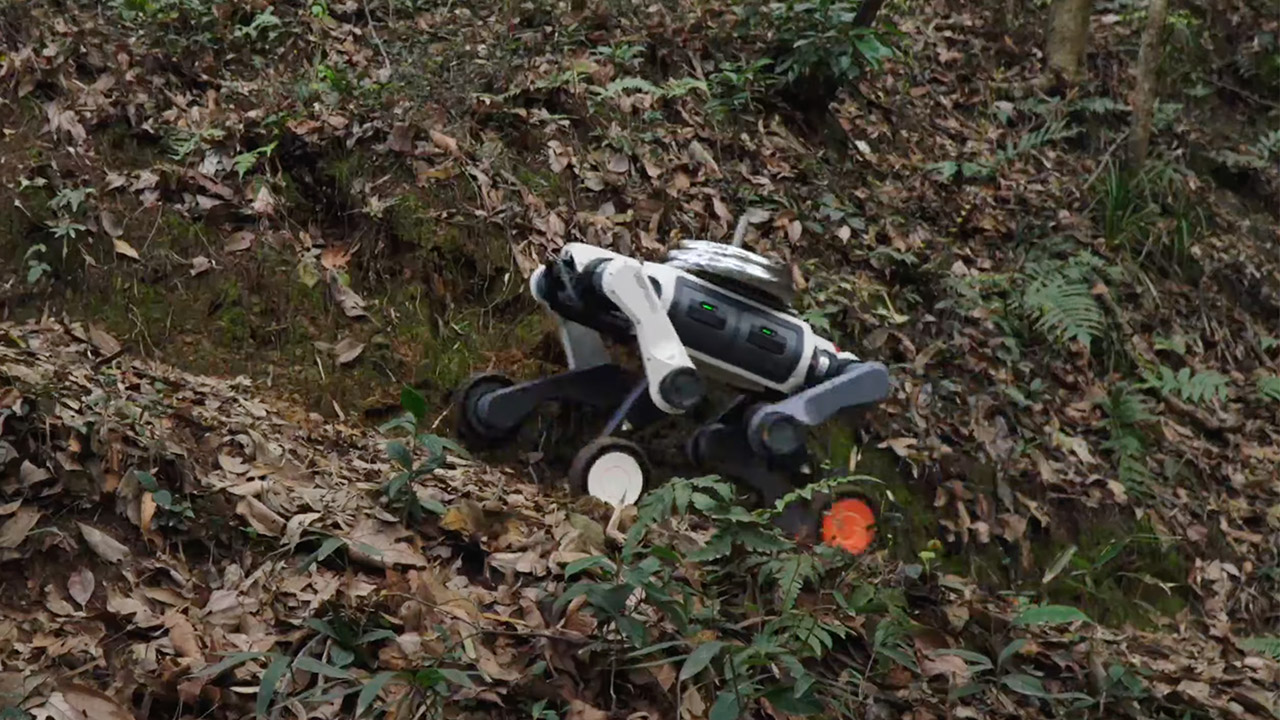
Sensors and brains are the final piece of the puzzle. It has dual 96-line LiDAR units that scan the entire 360 degrees around it (and 90 degrees up), sending thousands of data points to the navigation system per second. Wide-angle cameras provide it with some visual input, and the onboard processors map out the way ahead and dodge obstacles in real time, plus the machine works out when to roll, how to stride, and exactly how to modify its stance for balance on its own. Operators can monitor the live feed and intervene if things go wrong, but the majority of the movement occurs automatically. With those modular ports, you can add all sorts of different gear for whatever project you’re performing, such as gas detectors and inspection cameras.
You must be logged in to post a comment Login