Tech
First Look at the Modern Mactini, a Palm-Sized Mac With One Button and No Mercy
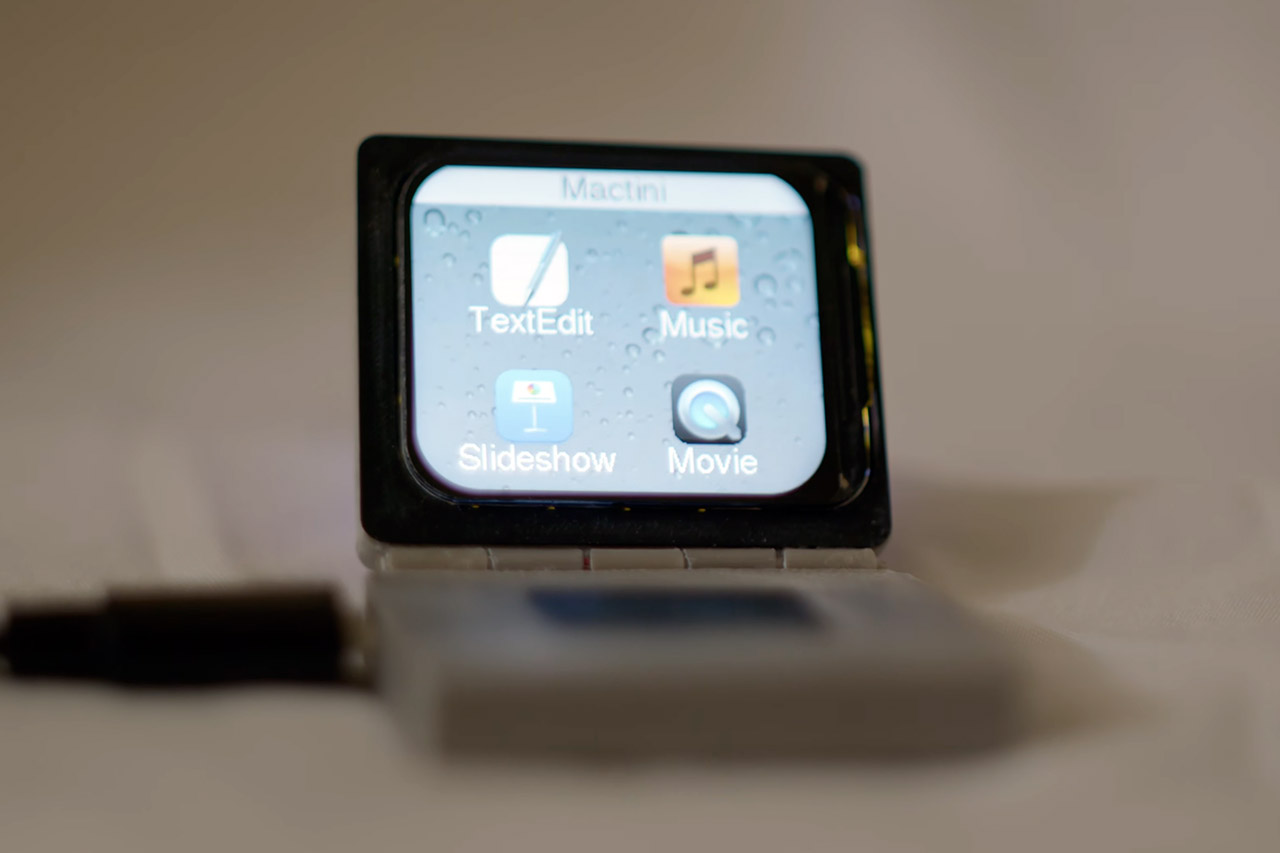
In 2008 Peter Serafinowicz walked onto a BBC set in the role of an Apple store employee and introduced Mactini, the smallest computer in the world. One key. Press it once for A. Press it 26 times for Z. For a comma, hold four seconds, lift for two, then fire off a rapid little drum fill. The audience laughed. Apple kept making things smaller anyway.


Tucker Osman re-watched the clip eighteen years later and decided that the joke was worth giving a functioning body. His Mactini, a matchbox-sized clamshell, opens in the palm of your hand. He obtained the case from FreeCAD after going through three separate print jobs. The screen is a tiny 1.69-inch color SPI panel from Waveshare, not the rescued iPod display he had hoped for, but their panel ended up being a better alternative because the old connector was difficult to locate.


Apple 2026 Mac mini Desktop Computer with M6 chip
- LITTLE DO-IT-ALL — Mac mini packs pure power into a small, five-by-five-inch desktop as the M6 chip delivers next-level AI capabilities. Mac mini…
- M6 CHIP — Everything you do on Mac mini feels more responsive with the M6 chip and its next-generation CPU. Fly through AI workflows with up to 4.8x…
- CONNECT IT ALL — Features three Thunderbolt 4 ports, an HDMI port, and a 2.5Gb Ethernet port in the back, and two USB-C ports and a headphone jack…

The input is not a mechanical switch; instead, Osman printed the touchpad using conductive filament, so the entire thing acts as a capacitive surface. The firmware then determines how long you leave your finger down before lifting it and categorizing the durations as short, medium, or long. When combined with the gaps between taps, it creates a rhythm, which it then compares to a lookup table to determine what it should be. The comma still requires the exact timing specified in the original drawing. Try typing something longer than a word; this is done on purpose to test your patience.
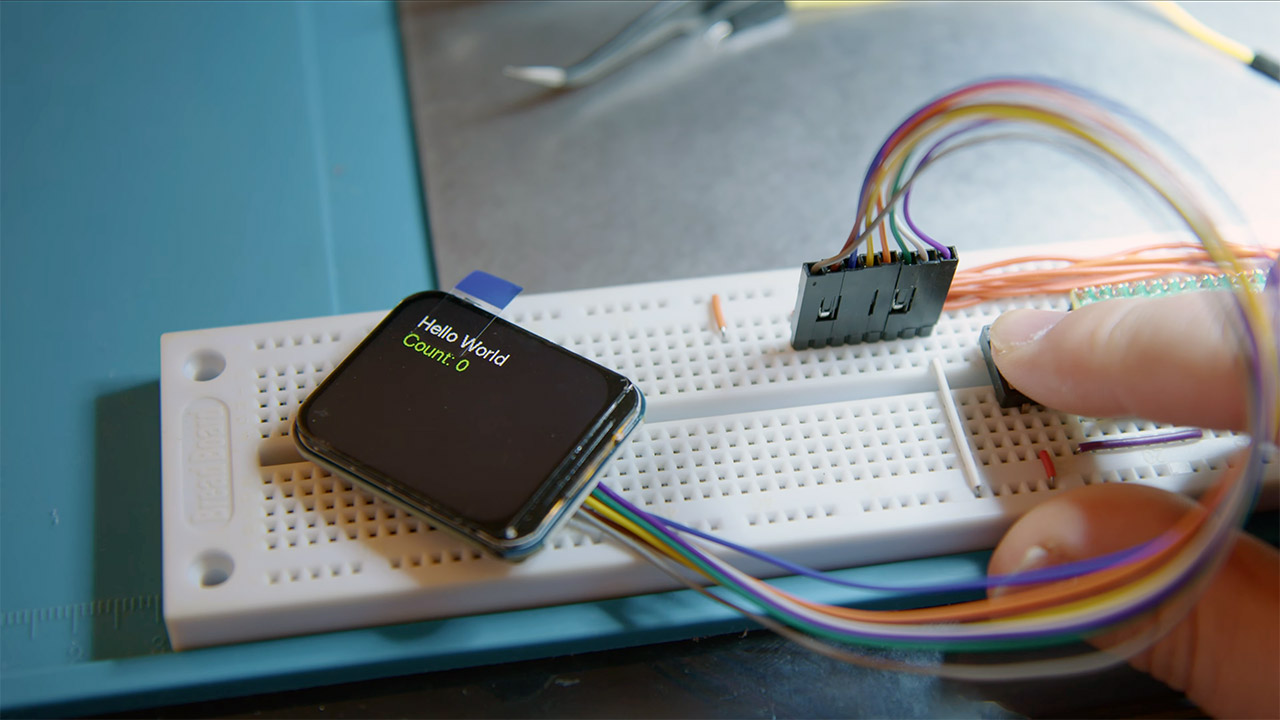
When he started integrating sound and video, things started to lag all over the place. The solution was to use FreeRTOS, which allows gesture recognition, screen rendering, and audio to run as distinct processes, ensuring that none of them freeze. Pixels are copied to the display via DMA in the background, allowing the processor to handle everything else. Sound is coming in through some old speakers he salvaged from damaged iPads, as well as an amplifier board from a water-logged Wyze camera. The volume is relatively low, as you can barely hear it even if the room is silent. The video is a 90-second clip from Tenet, but because the RP2350 lacks a hardware decoder, it is limited to 12 frames per second.

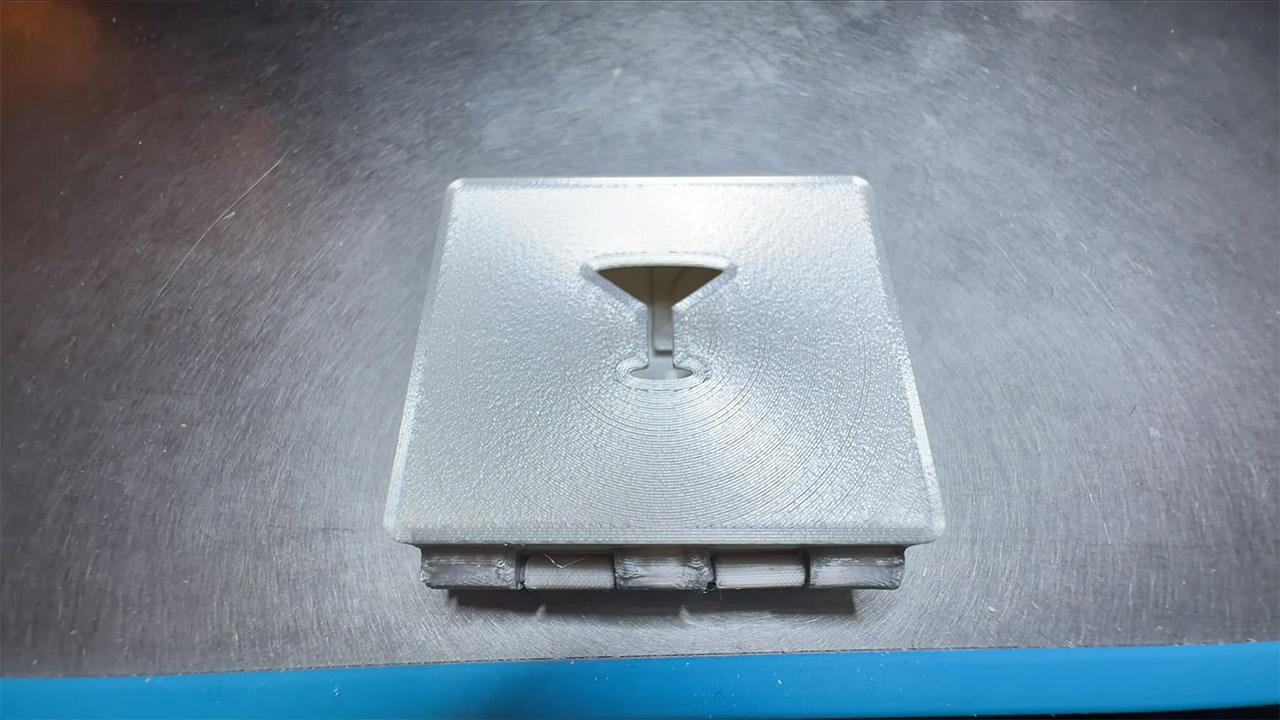
A shimmering martini-glass logo sits on the rear of the lid, and he salvaged the diffusers and backlight components from shattered third-generation iPod nanos. He also had to run some cables through the hinge so that they could withstand the Mactini being opened and closed. He collected and printed every part he could find.
[Source]
You must be logged in to post a comment Login