Tech
Former NASA Engineer Mark Rober Built His Own Car Theft Device From a Baby Monitor to Expose a Growing Problem


Professional car thieves have leaned on a quiet radio trick for years to slip past keyless entry systems. Mark Rober, the former NASA engineer known for his glitter bomb videos and hands-on builds, wanted to see exactly how that trick works and whether regular people could defend against it. His latest experiment delivers a clear answer on both fronts.


Rober started by buying a customized relay attack device from a dark net seller accessed through Tor for $12,000 in Bitcoin. Rober believed the risk was worthwhile and put the expensive gadget through a series of preliminary tests after the source provided him with detailed instructions and a warning about self-destruct capabilities in case anyone became too inquisitive. This worked since it could unlock and even start a car, but it took some time and required periodic signal frequency modifications.
When you deconstruct the technology behind these devices, it becomes pretty straightforward. The majority of modern cars transmit a low-pitched radio signal every few seconds to determine whether the accompanying key fob is nearby. When the fob receives the signal and answers with the right code, the car recognizes that the owner is close enough to start the engine or unlock the doors. This is exploited by thieves who creep up on the vehicle and send a louder signal in the direction of the fob, which might be anywhere, such as inside a home or an office. The fob replies as if it is right next to the vehicle.

Rober was determined to make the same car-unlocking device faster and less expensive. He went to a local store, bought a cheap, basic baby monitor for only $12, and tore it up right away. The wireless components of the monitor are ideal for handling that kind of signal, so he tinkered with them to get them to pick up the car’s signal and then rebroadcast it at full blast just next to the fob. He spent less than $200 on his do-it-yourself version, which was a fraction of the price of a real one.

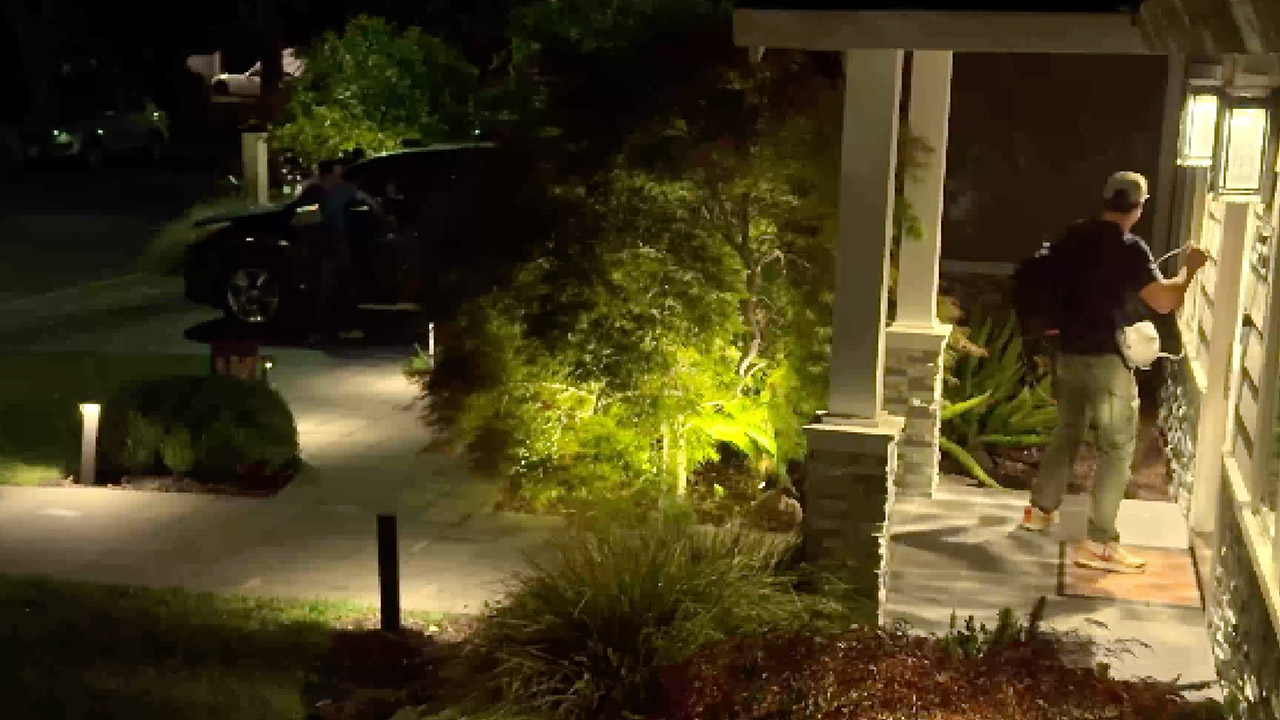
After that, Rober began testing his creation. He would move the antenna around and adjust the power levels in suburban areas until he could consistently unlock the car in ten seconds. After that, he advanced to real-world trials in a controlled setting. Additionally, he was able to obtain a CT scan of the original device without activating its self-destruct features, which greatly aided him in determining which components are truly essential and which may be replaced with less expensive baby monitor technology.

The clincher came when he took the device for a ride in a brand new 2026 Hyundai Sonata, courtesy of streamer JasonTheWeen. Rober got into the car and hotwired it during a Twitch live stream while Jason was busy gaming; since the entire process was being seen by a live audience, it was a slam dunk proof of concept. Later, as promised, Rober presented Jason with a spanking new Rivian.
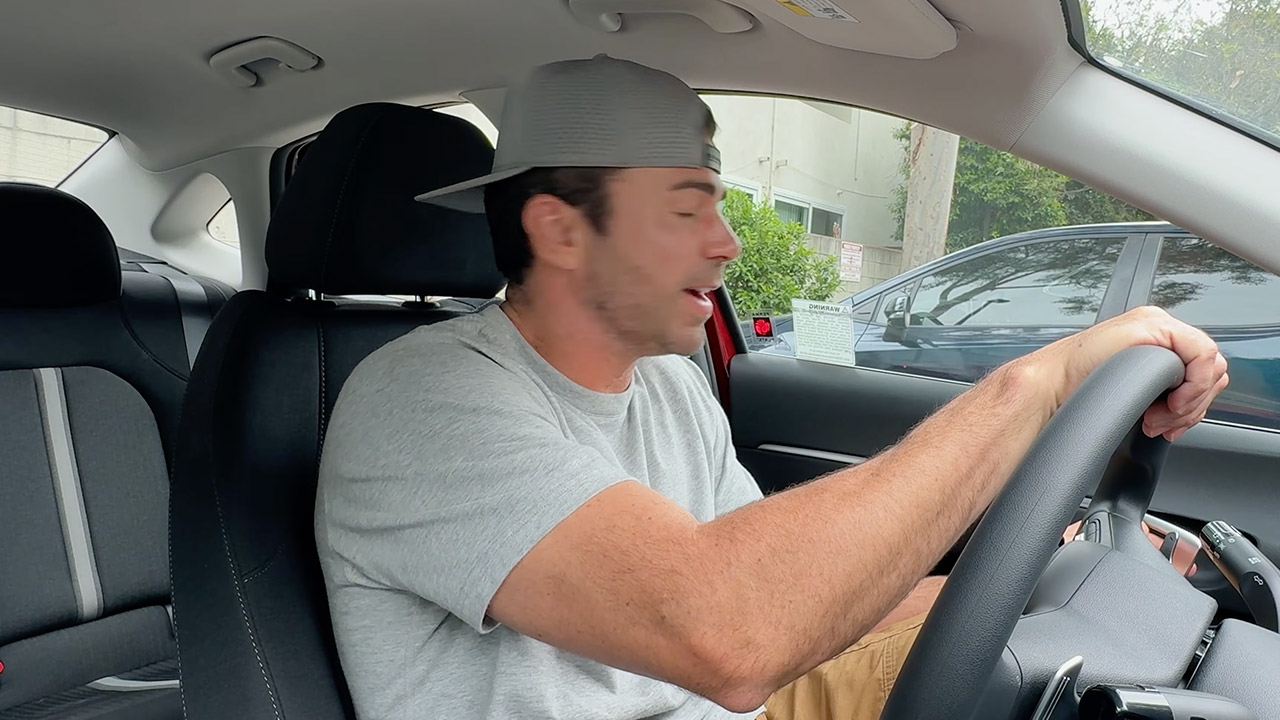
Then Rober became a little more mischevious, stashing a Sonata with a dozen GPS trackers buried inside in a dangerous neighborhood with a reputation of snatch-and-grab auto thefts. He left it there for five days to see what would happen if someone decided to try their luck – and sure enough, they did. The tracker data revealed that after receiving a parking penalty, the automobile wound up in an impound yard, where a high-definition camera filmed a youngster driving it away.

Rober was first interested in seeing the hack in action, but he soon began to consider how to prevent it from happening again. He discovered that you can effectively stop a relay by simply placing the fob in a metal tin or wrapping it in aluminum foil; bam, the signal is blocked. Problem fixed. Although Rober discovered a few additional solutions to the problem, he also learned that some car manufacturers, such as Kia, are willing to send out free software updates to close the gap.
You must be logged in to post a comment Login