Tech
From Smashed Laptops and Broken iMacs Comes a Clean All-in-One PC from DIY Perks

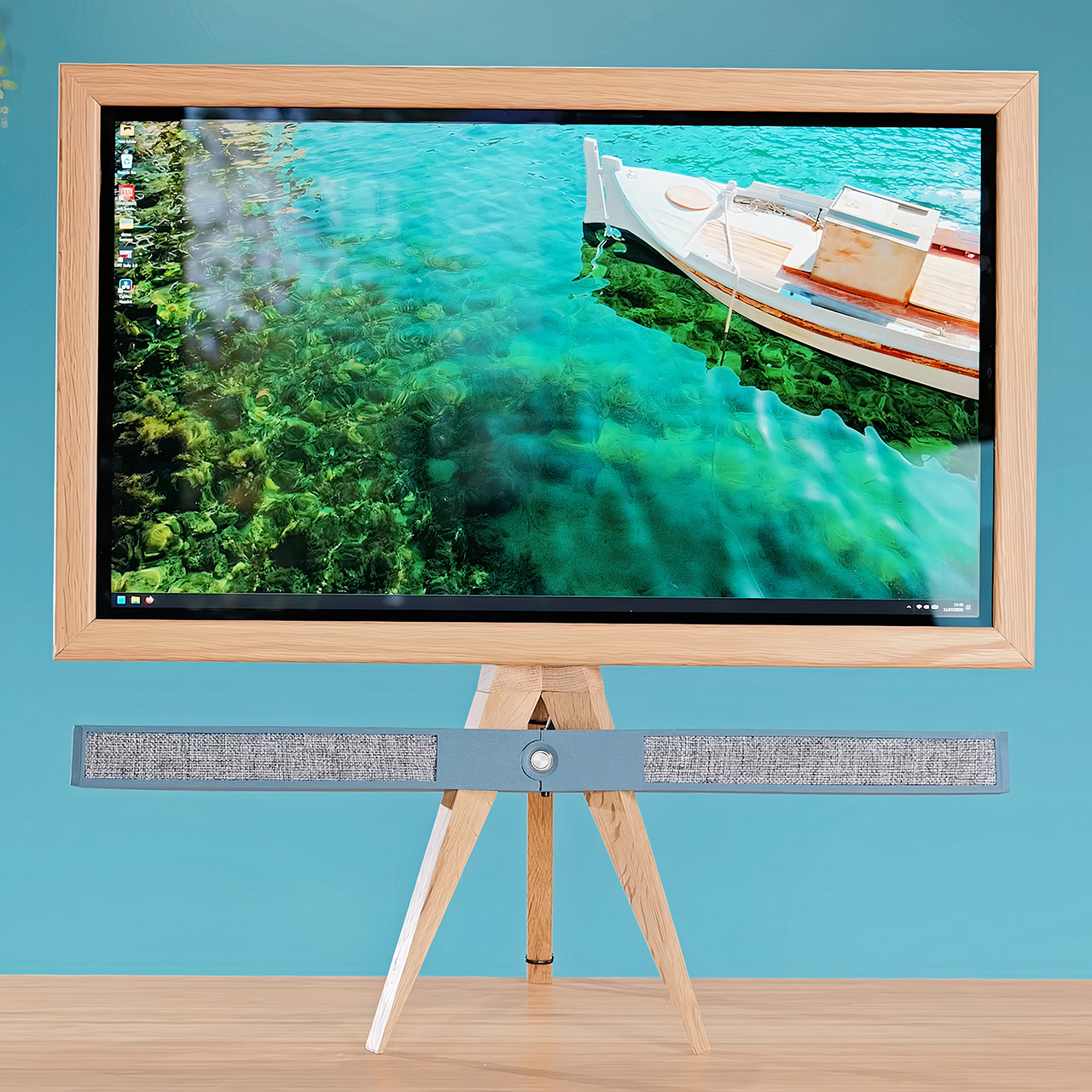
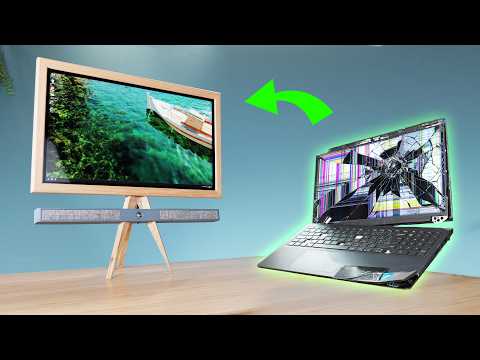
Matt of DIY Perks looked at piles of discarded hardware most people would haul to the dump and saw a complete computer waiting to be put together. High-end laptop motherboards that once lived inside machines with cracked cases or ruined keyboards still carry strong processors, dedicated graphics, and plenty of memory. Those boards sell for far less than equivalent desktop parts because repair shops and most buyers overlook them. He picked one up that included an AMD processor with AI features, an NVIDIA RTX GPU, and 32 GB of DDR5 memory already soldered on board. The price sat below what a simple desktop RAM kit often costs.

Getting the board to work without its original keyboard needed some careful detective work with a multimeter. He fished about the keyboard connector pins with the meter until he found the standby voltage line, which typically runs at 3.3 volts. Bridging that pin to ground with a piece of wire activated the mechanism. The fan kicked in, and the board began to warm up, indicating that it still had life, and he was relieved that he had never operated it without a heatsink and fan attached. Video output came from the USB-C connector, which he confirmed by examining the chipset specs while blissfully browsing the web.


Apple 2024 iMac All-in-One Desktop Computer with M4 chip with 10-core CPU and 10-core GPU: Built for…
- BRILLLLLLIANT — iMac is the ultimate all-in-one desktop computer, powered by the M4 chip and built for Apple Intelligence.* With a stunning 24-inch…
- FITS PERFECTLY IN YOUR SPACE — The all-in-one desktop design is strikingly thin, comes in seven vibrant colors, and elevates any space with style.
- BUILT FOR APPLE INTELLIGENCE — Apple Intelligence is the personal intelligence system that helps you write, express yourself, and get things done…
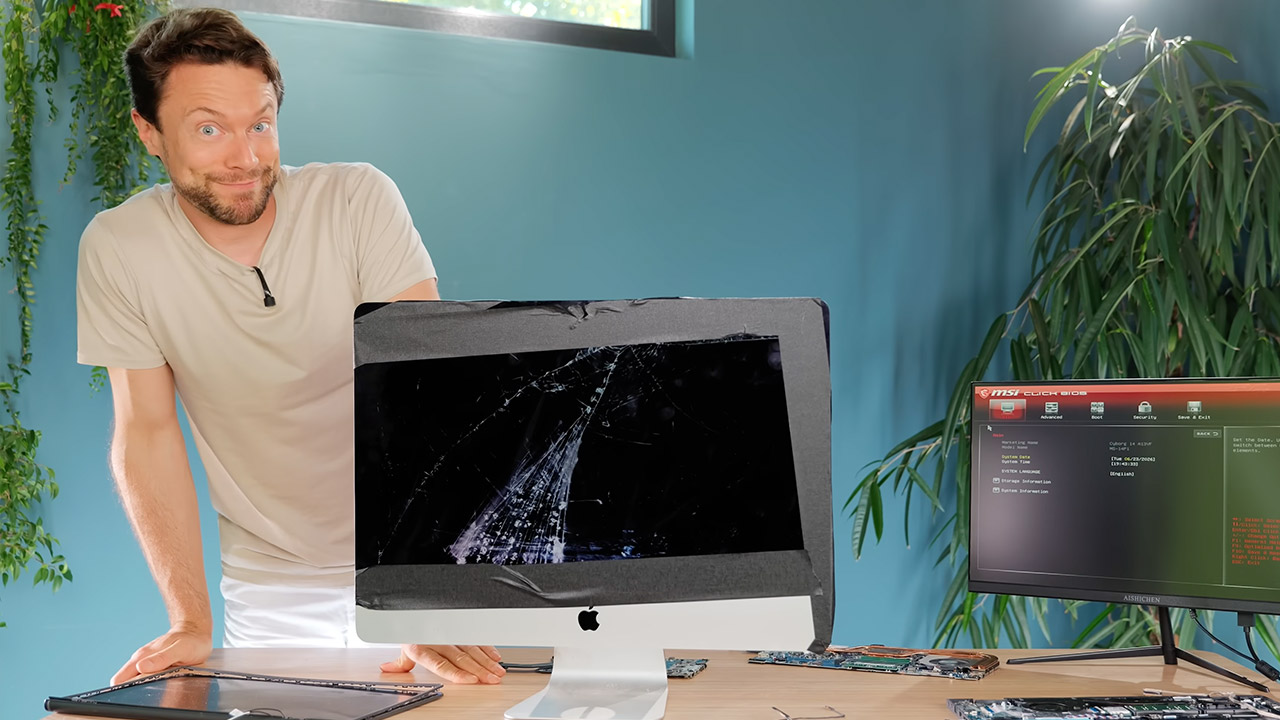
For the screen, he searched local recycling centers for a broken iMac with a smashed exterior glass panel. You would be surprised at what individuals give away for free. The LCD itself was in perfect shape. Separating the bonded glass layers needed time and a heat gun, as he’d weaken the adhesive and then work a fine wire between the layers, moving slowly to keep the panel from splitting. When all was said and done, a quick wipe down with alcohol restored the surface to its original condition. What a screen it is, with over 4K resolution, a wide color gamut, and impressive brightness.


A few pieces of hardwood formed a modest wooden edge around the panel, and a coat of colored oil provided a very warm finish. He wrapped the case in a layer of vinyl before slapping an aluminum sheet on the rear to give it a clean appearance. The wooden offcuts between the screen and back served as braces to hold everything together, providing a small gap to keep the system cool and some opportunity to pass cables. The motherboard was mounted to the metal using normal PCB standoffs. He added few more holes to allow air and cables to move freely.
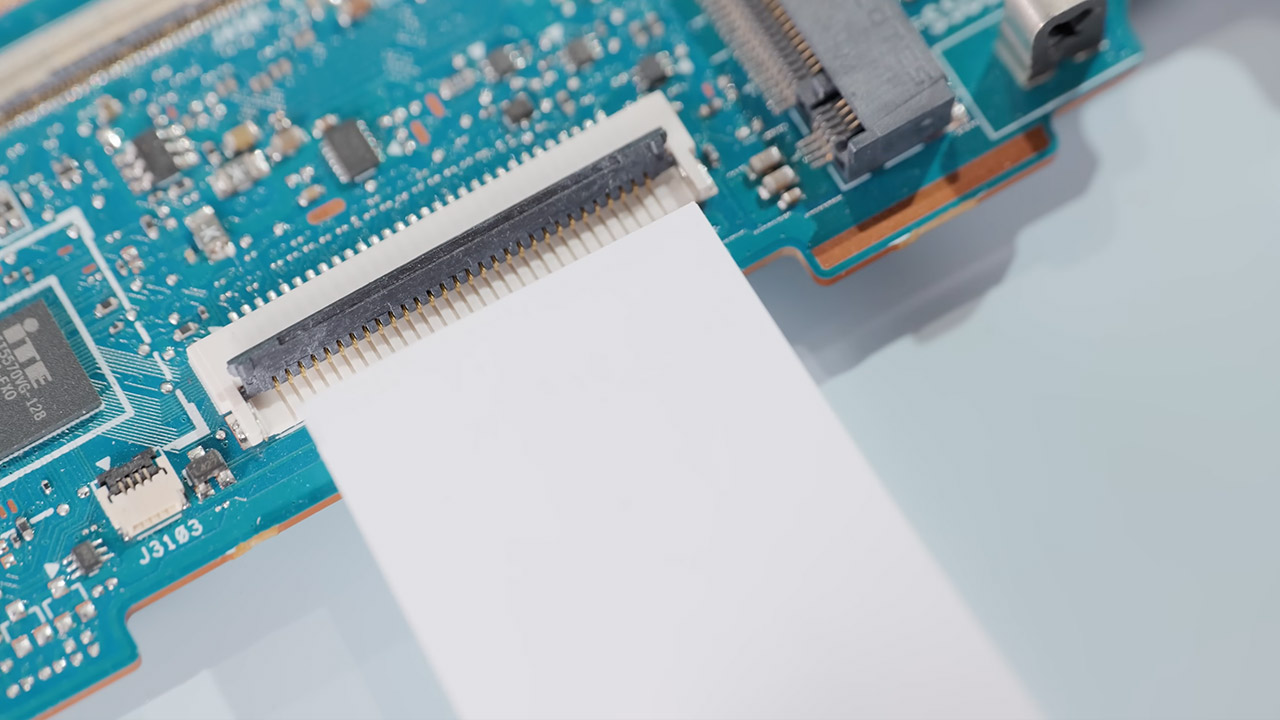
The board had storage, extra memory if needed, a USB hub, a card reader, and a Wi-Fi card with fold-up antennae. They were out of the way and still received a strong signal. He used a handmade ribbon cable composed of paper, copper foil tape, and a soldered-in ground wire to control the power on. You just pressed a little tactile button against the strip to complete the circuit.

The stand born from this project started with an old oak floorboard chopped into three triangular legs. A laser level was used to check that the cuts were exact and that everything was aligned correctly. A piece of wood and a metal bracket kept everything welded together, resulting in a sturdy tripod. The speakers were from a broken television, and a pair of thin mid and high drivers were mounted next to a compact subwoofer, all housed in a 3D printed case covered in textured fabric. This enclosure clipped to the stand legs and protruded at an angle. The display driver board already featured a 15-watt stereo amplifier, which was more than adequate for the main speakers. A filtered signal drove a separate 30-watt mono amplifier for the subwoofer, which was kept clean with a few capacitors and a tiny transformer.

A final aluminum plate closed off the back, leaving a free channel for the fans to breathe. Then, a piece of electrical tape was used to plug any openings in the case that may allow the warm air to simply recirculate. And that was it; the finished machine resembled a framed picture sitting erect on a wooden tripod. All of the cords were hidden from sight, and the sound only came from the front. The fact that the RTX graphics chip could produce clear 4K images and didn’t blink an eyelid when its user threw video editing or AI upscaling at it was rather astounding.
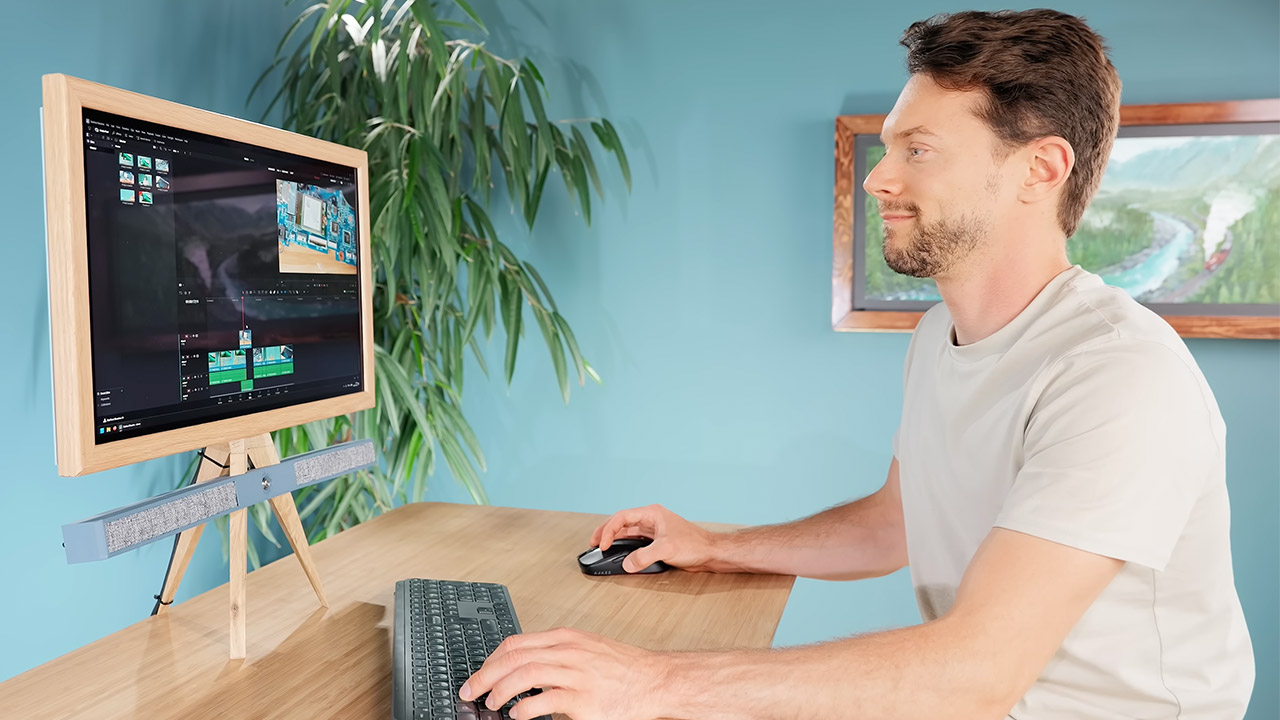
In the end, everything cost about a third of what it would have cost to buy all of the comparable new parts, and the end result was a quiet, capable desktop that appeared to have been assembled with care and attention, rather than some old bits and bobs thrown together from the local tip. Matt even suggests an even simpler version: wrapping a basic metal casing around the same laptop board creates a compact portable box that functions similarly to a recent Steam Machine alternative.
You must be logged in to post a comment Login