Tech
GameTank Revives Cartridge Gaming with a Brand-New 8-Bit Console Built in the Open

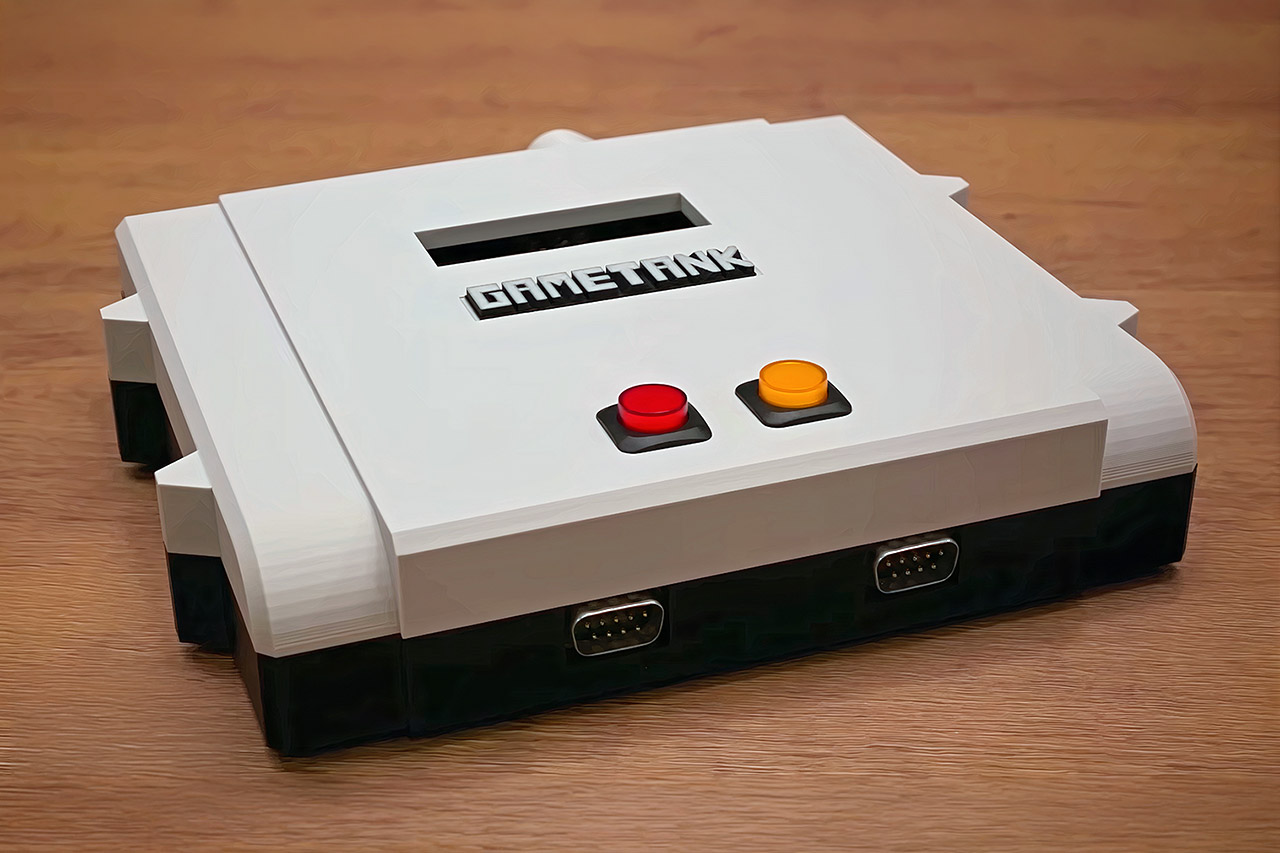
Clyde Shaffer spent years working on a console that would let people create and play entirely new 8-bit games on real cartridges. He started from the premise that most modern retro devices either replay old titles or rely on programmable chips that hide how the hardware actually works. GameTank takes a different route by using only common, still-available logic chips and two real 6502-family processors.


The finished machine is covered in a bright blue 3D-printed case with a cartridge slot on top and two controller ports visible from the front. A typical RCA jack allows composite video to be sent to antique CRT televisions or any other device that takes that signal. Power is connected via a simple barrel plug. The general design pays homage to classic machines while not imitating any of them.
Inside, the magic happens with a W65C02S CPU chugging away at 3.5Mhz to handle the primary software. Another identical processor running at 14MHz serves as a dedicated coprocessor for the audio side. There’s no FPGA in the mix, and no single microcontroller attempting to do everything. Instead, the design depends on plain old 74-series logic chips and RAM to handle address decoding, timing, and data movement, making it easy to fix and allowing anyone with minimal electronics knowledge to follow the schematics.
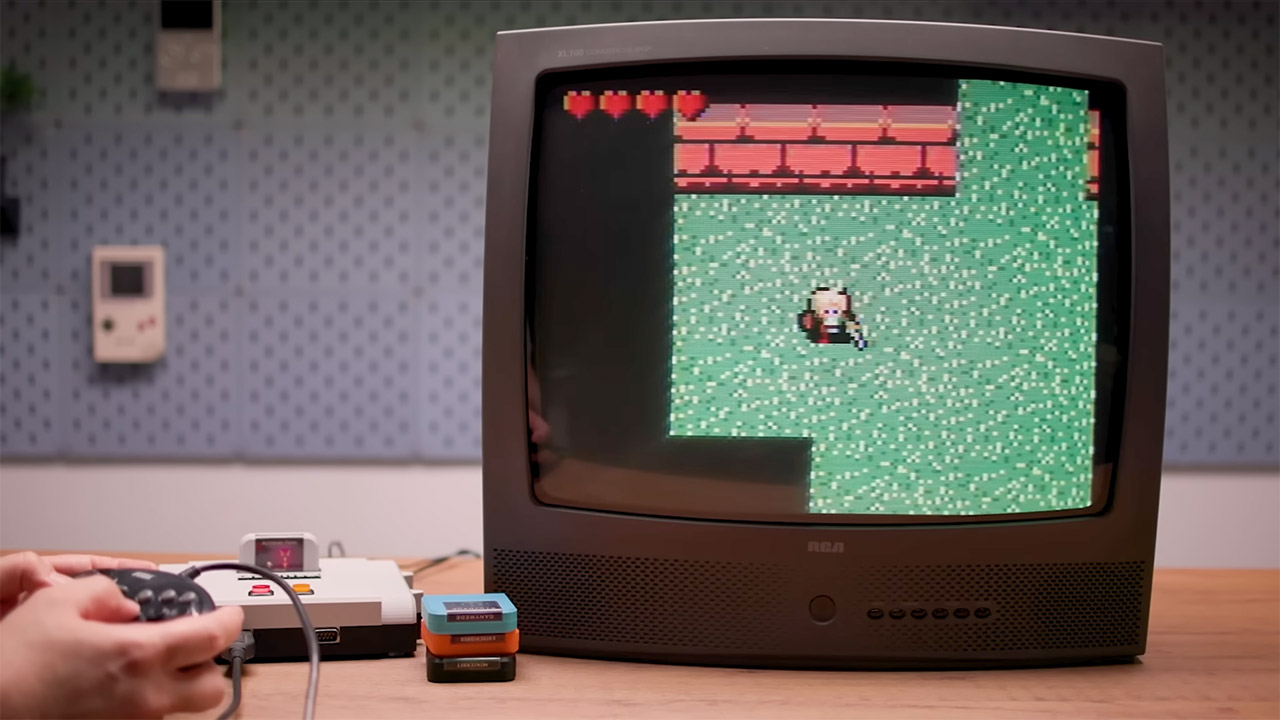
Graphics are rendered using a 128 by 128 pixel framebuffer. A clever small blitter circuit handles the difficult task of copying sprite data into the buffer at full clock speed, freeing up the main processor to focus on game logic. Sprite pages are stored in 512Kb of dedicated memory. Each one may be enlarged, turned on either axis, and can have transparency applied to the background. Artists get to work with a 200-color palette, which provides more versatility than many vintage systems. Sound is routed through the audio coprocessor and its own tiny memory. The chip then activates a four-voice FM synthesizer. The game code just passes note, instrument and timing info across a simple link . The result is music and effects that seem right at home in the 8-bit universe yet benefit from the extra processing punch.

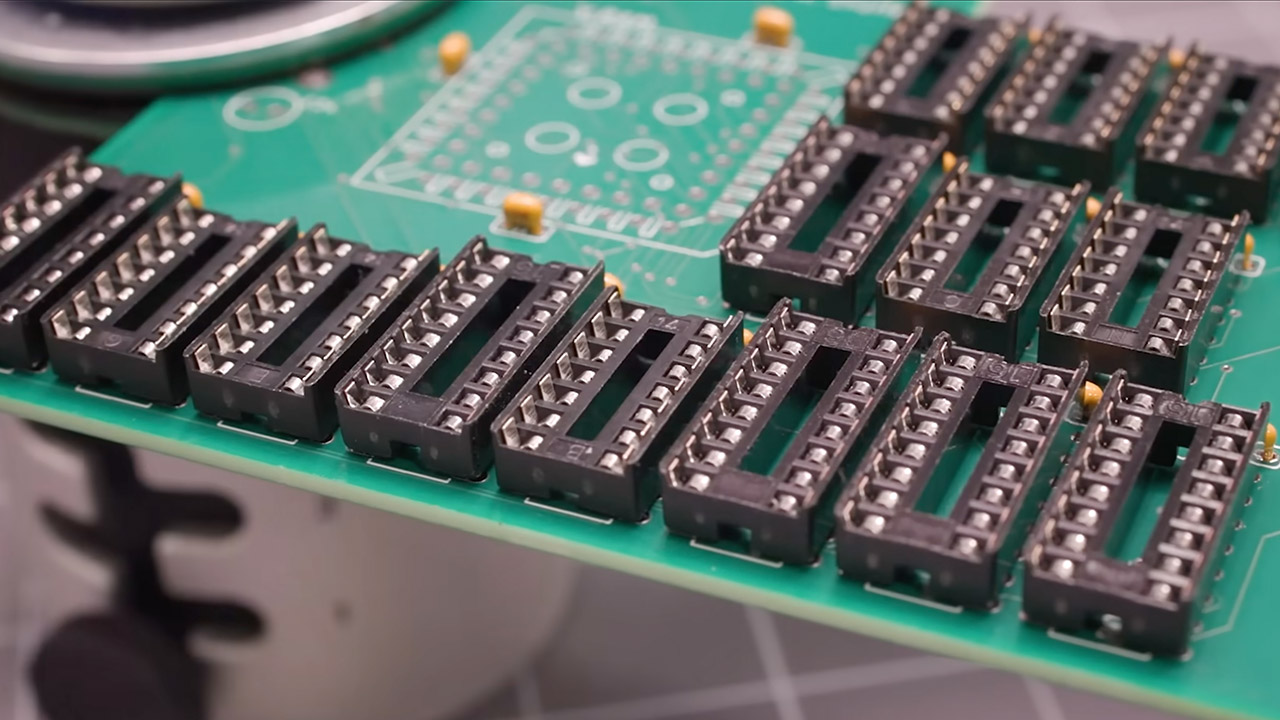
Memory banking expands the address space. The top part of the bus maps directly to the cartridge slot. 6522 Versatile Interface The adapter chip swaps 8Kb banks in the bottom cartridge space while also managing the controller input and the back expansion connector. That 26-pin socket on the back accepts GPIO lines and other signals, allowing future add-ons to be easily integrated without the need to rework the mainboard. Cartridges plug in to a unique 36 pin edge connector with a 0.1 inch pitch. Production carts have a massive 2Mb of flash memory. Blank carts come with development kits so creators can load up their own code. Programming is done using a small Arduino-based flasher that connects to a PC. The entire process takes seconds and works with both EPROM and flash versions.
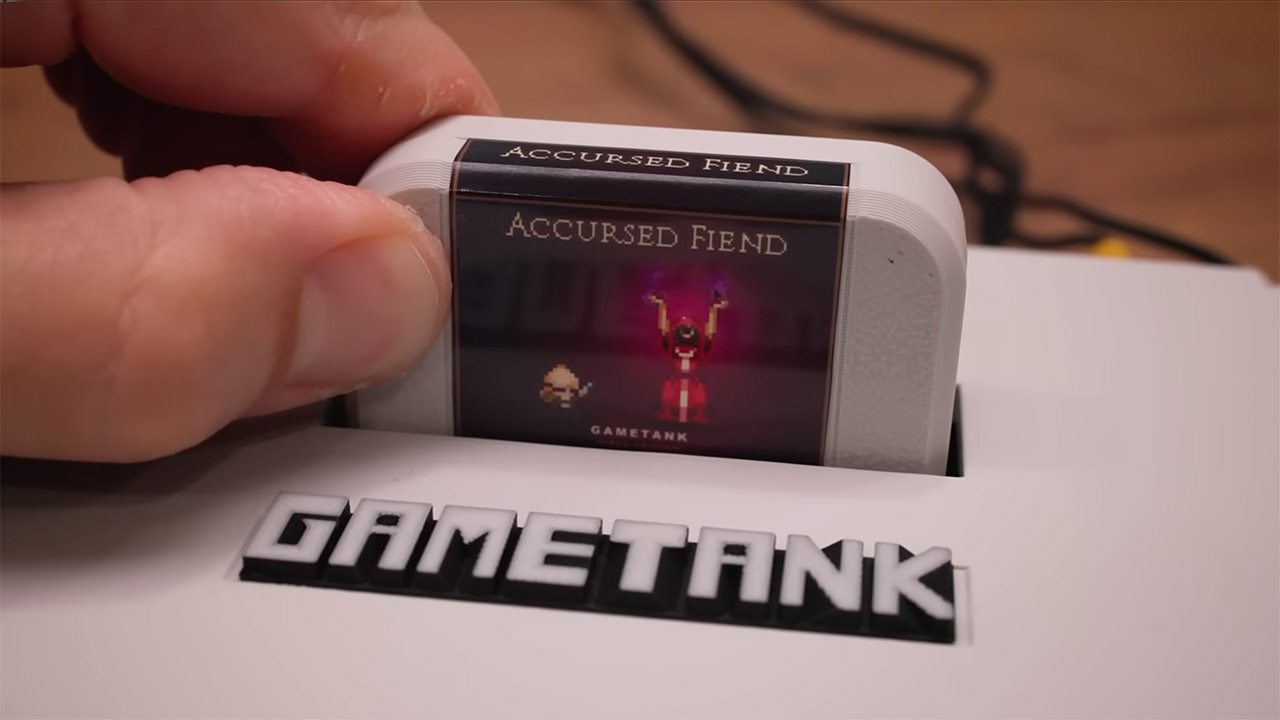
There is no operating system or built-in menu inside the console, as each game loads directly from the cartridge. This keeps the focus on new applications rather than obsolete title libraries. Developers get to write in assembly for maximum speed or mix C and assembly through the open SDK. There’s an emulator that runs on Windows, macOS, Linux, and even mobile phones that closely matches the real hardware, so most code just crosses over with minimal tweaking. A successful crowdfunding campaign on Crowd Supply reached its goal earlier this year. The development kit includes the built console, a matching controller, a blank cart, the flasher, and a physical copy of Accursed Fiend. Units are scheduled to arrive with backers in July.
You must be logged in to post a comment Login