Tech
Glass That Closes a Circuit When You Press It

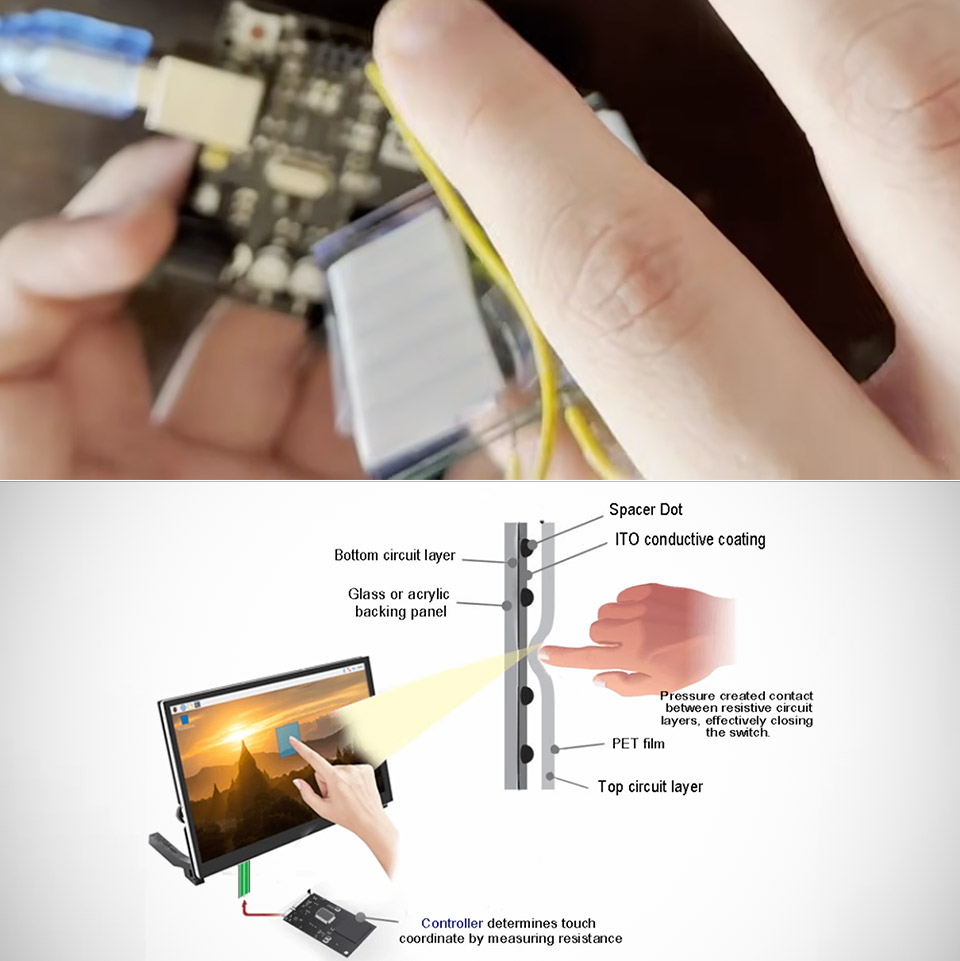
Ordinary glass stops electricity cold. It lets light through and blocks current completely. That combination works fine for windows and phone screens, yet it leaves the material useless as any kind of switch. A thin coating of indium tin oxide changes the rules. The layer is only 10 to 300 nanometers thick, nearly invisible, and still conductive enough to carry current from one edge of a small pane to the other.


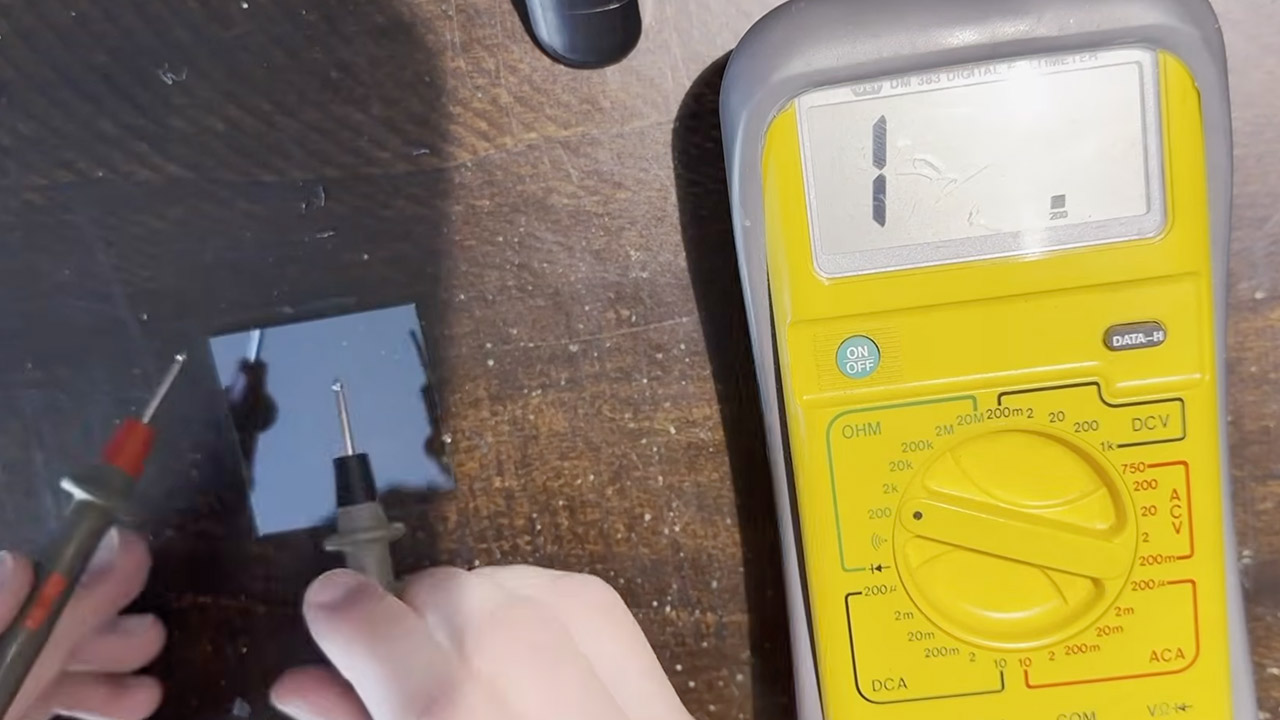
Sokol ordered a pack of this coated glass for another project and decided to use a couple of the sheets as buttons. He took his multimeter to test the coating and was thrilled to see that it performed as predicted. One side of each sheet measured around 20 ohms, but the uncoated side remained nice and open, as you would expect from plain glass. The conductive coating is only applied to one side of the glass, so bear this in mind when using it.


8Bitdo FlipPad Mobile Gaming Controller for iPhone and Android
- Flip Into Play – Flip down, ready to play. Take a call or reply to a message mid-game—just flip it open without unplugging. The hinge is rated for…
- Vertical Mobile Gaming – Designed around portrait play, FlipPad brings a classic handheld feel to your phone. Perfect for retro games and…
- USB-C Plug and Play – Built-in USB-C connection makes setup simple and direct. Plug in and start playing instantly. The USB-C port is rated for over…
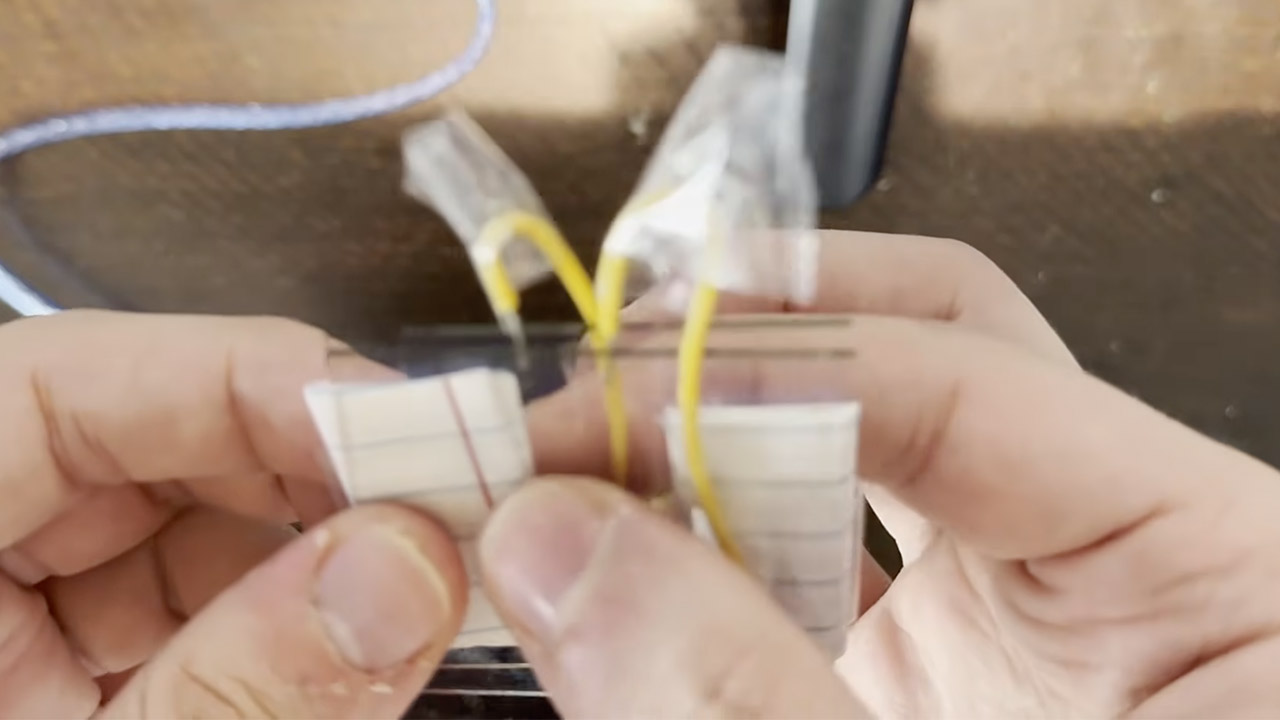
The button is made up of two of these panes, with their coated sides facing each other and a thin sheet of paper between them as a spacer. One pane is grounded, while the other is connected to an Arduino pin equipped with a pull-up resistor that keeps the pin at 5 volts even when the circuit is open. As long as the two conductive layers are apart, the pin reads high and the built-in LED remains dark; however, press down on the stack, and the glass flexes just enough for the coatings to make contact. Then current begins to flow, the pin drops to zero, and the LED illuminates immediately.
That’s the entire system, so no fancy sensors or drivers, just the old ITO film. The paper spacer keeps the surfaces from touching until you exert pressure, at which point the glass springs back and breaks contact when you let go. The whole thing is a little rudimentary and rough around the edges, but it does the job.

The same two sheets can do more than simply turn on and off. You can use the same concept to create a resistive touchscreen by applying a voltage gradient to one of the coatings, with half at 5 volts and half at zero. When the other coating makes contact, it detects the voltage where it touches and transmits it to an analog pin, which is where you receive your readout indicating where the push occurred. You can add another gradient to the opposite layer, resulting in two-dimensional placement. Sokol points out that a more polished version of this would require copper tape for consistent edges, external resistors for stable gradients, and larger glass, but the core concept is already present in the simple button.
[Source]
You must be logged in to post a comment Login