Tech
GM’s new trucks aren’t ditching Android Auto and Apple CarPlay

Car infotainment systems tend to try to do too much. Navigation, music, climate controls, cameras, phone calls, and vehicle settings all fight for the same screen, which isn’t exactly ideal when you’re supposed to be watching the road. General Motors thinks it has a better approach. The company has revealed an entirely new user interface for its vehicles, and the first models to get it will be the 2027 Chevrolet Silverado and GMC Sierra.
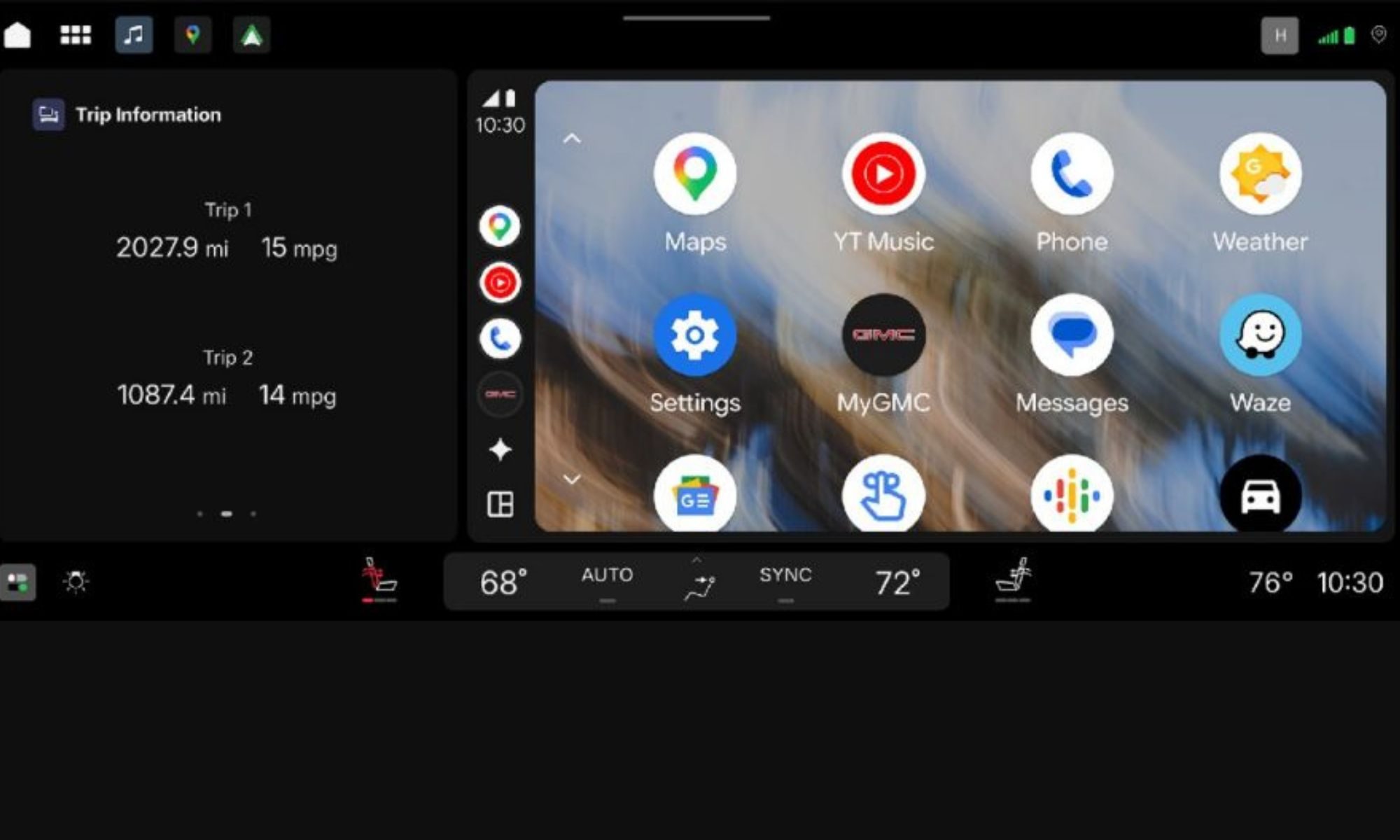
Rather than giving everything a fresh coat of paint, GM has reworked how it organizes information. The default home screen can show a large interactive map alongside another card containing music, fuel economy, trailering information, or other vehicle data. That means you shouldn’t have to constantly jump between apps just to change a song or check something on your truck.
Even Super Cruise is getting a visual upgrade
The driver’s display can now adapt depending on what you’re doing. Towing a trailer, heading off-road, or using Super Cruise can each bring up information relevant to that particular situation. Super Cruise gets an especially interesting addition with a new 3D driving visualization. When the driver-assistance system is active, the display can show surrounding vehicles, road markings, and other objects the truck detects. So, you get a better idea of what the vehicle itself is seeing.

GM is also trying to reduce distractions. For example, incoming calls won’t suddenly dominate the entire display. Once you answer, the call shrinks down to a small timer at the top, leaving navigation and other controls visible. And despite GM’s complicated history with smartphone projection, Android Auto and Apple CarPlay aren’t disappearing here. Both can run inside a large card alongside GM’s own features, so you can keep Google Maps or your preferred phone apps visible without completely abandoning the truck’s native interface.
It gets much smarter when you attach a trailer
The interface is also designed around how people use pickups. Connect a trailer and the screens can automatically surface towing information, including a dedicated trailering card and relevant details in the instrument cluster. There are similarly practical touches elsewhere. Hitch View can help line up a trailer, while underbody cameras can show obstacles when driving off-road. Owners can even use their phone to check trailer brake lights, indicators, reverse lights, and running lights without repeatedly climbing back into the cabin.
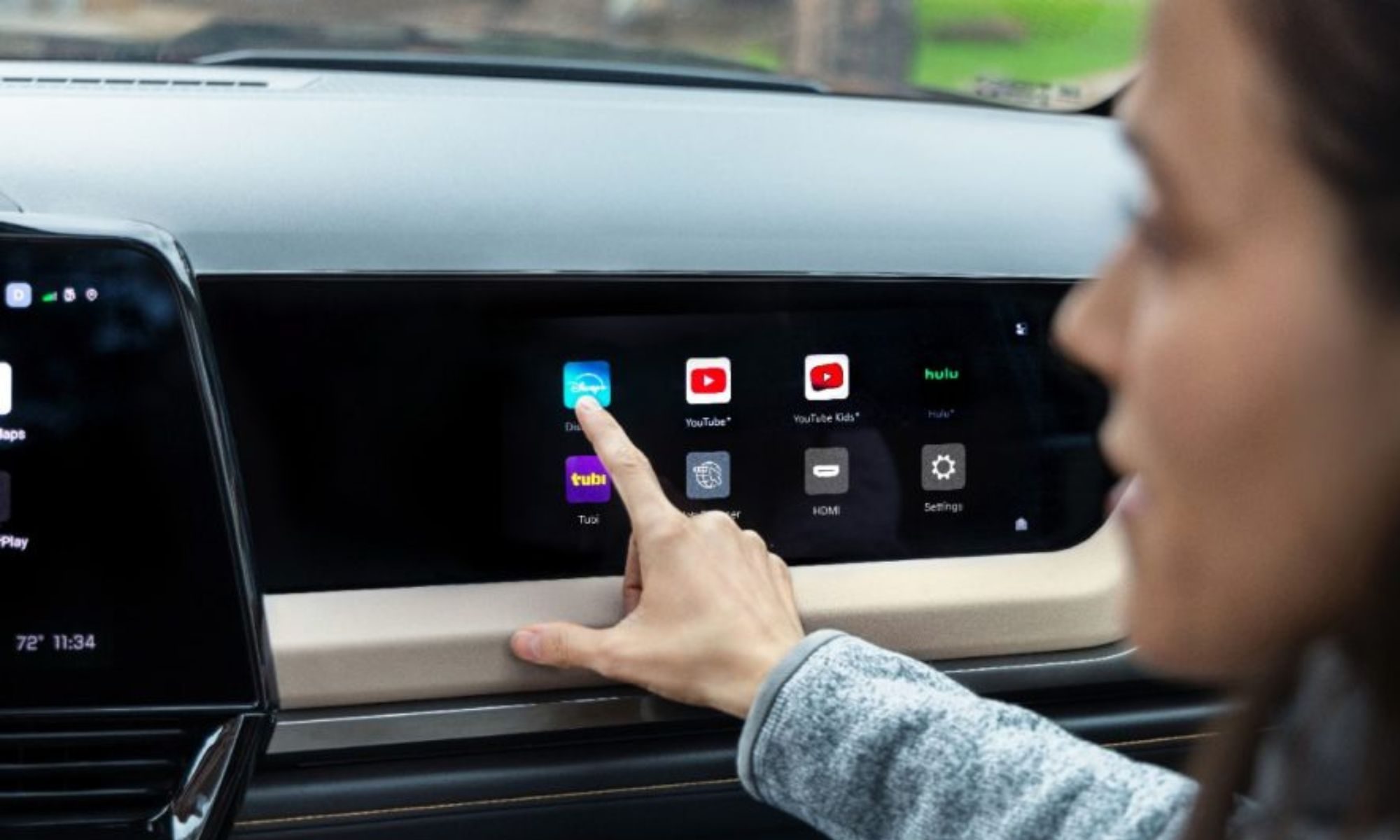
Google Gemini, Google Maps, and apps from Google Play are built into the wider system as well. Passengers can also access streaming services on supported passenger displays, with polarized screen technology preventing the driver from watching that content while moving. Perhaps most importantly, GM says this isn’t a one-and-done redesign. The interface is built to receive over-the-air updates, meaning features and functionality can continue changing after the truck leaves the dealership. For something you could end up staring at every single day, that’s probably just as important as making it look prettier.
You must be logged in to post a comment Login