Tech
Gold Teeth From a 3D Printer, Emily The Engineer’s Home Grillz Experiment
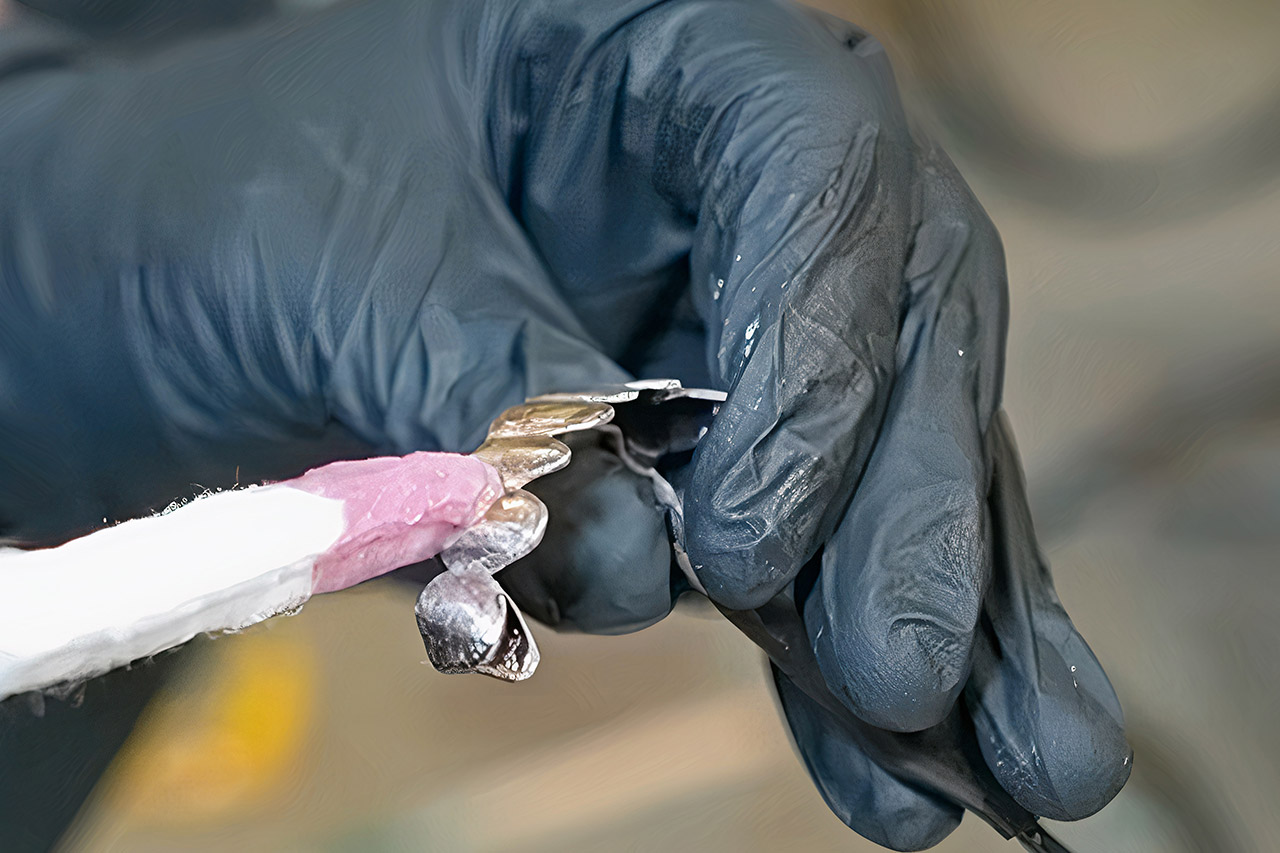
Emily The Engineer wanted something flashy for her smile and decided a store-bought set would never do. She set out to make her own removable gold grillz entirely with 3D printing, starting from a messy putty mold of her actual teeth and ending with two finished sets she could wear.


First, Emily made an imprint by mixing some dental putty, stuffing it into her mouth, and waiting for it to harden around all of her teeth and contours. When the mold was loose, she put some cement into it, and she had a solid 3D model of her bite, as well as the entire thing. Her friend Dan then scanned the plaster cast with a 3D scanner and submitted the digital file to Kev at VEK3D. Kev cleaned up the scan and then created a thin shell that would go directly on top of her teeth like a personalized cap.


Bambu Lab A1 mini 3D Printer + LED Lamp Kit, Ready-to-Use for Beginners
- A1 mini + LED Lamp Kit for Creative Light Projects: Bring your ideas to life with the included LED Lamp Kit. Simply print compatible lamp models and…
- The Perfect 3D Printer for Beginners: A1 mini 3D Printer is designed to make 3D printing easy from day one with automatic calibration, simple setup…
- Experience the Bambu Lab Ecosystem: Access MakerWorld’s huge library of ready-to-print models, manage prints through the Bambu Handy app, and enjoy…
Formlabs stepped in with dental-grade resin and a completely new build plate, resin tank, and wash station, assuring that nothing she’d used in her shop could contaminate the material destined for her mouth. The printer laid down the first batch of clear resin shells, and lo and behold, they slid into place almost imperceptibly, feeling stable enough to finish the job.
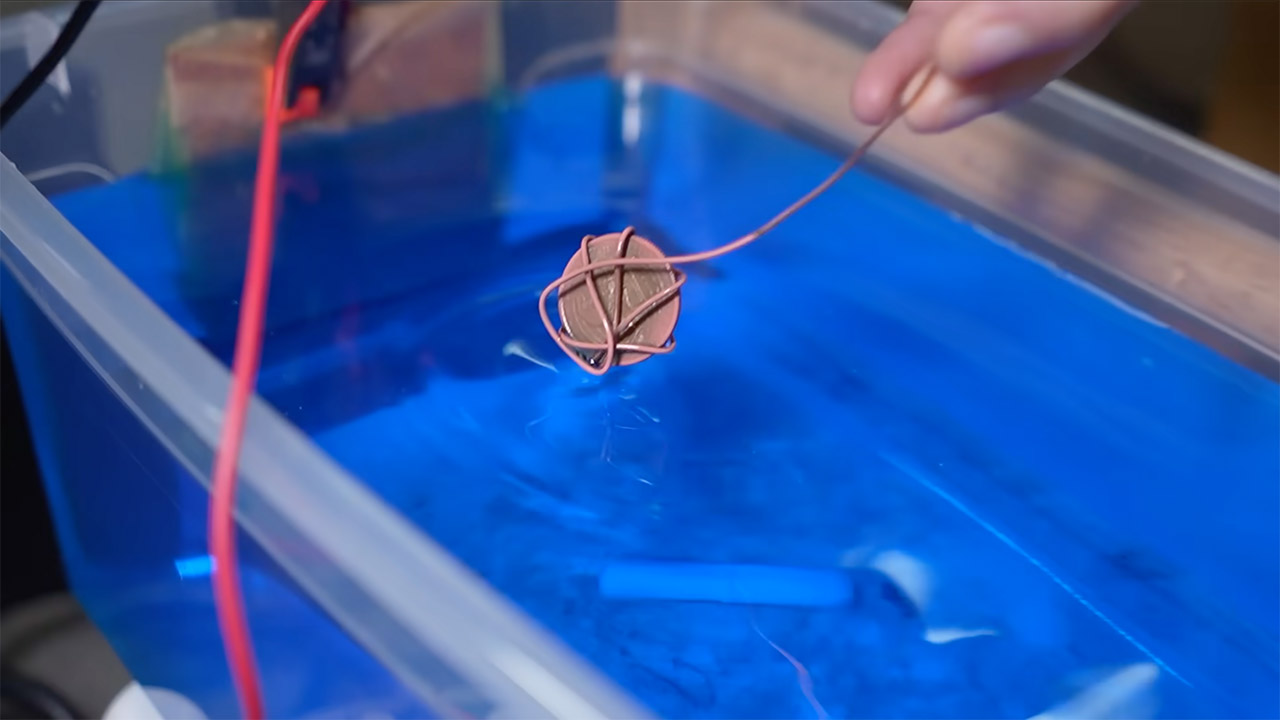
The next step was to convert plastic into gold using a conductive coating and electroplating. The problem was that the typical graphite paint peeled right off the flexible resin. After a few futile attempts, Emily got creative and mixed graphite powder with acetone and super glue, painted the shells, and polished the surface until the electricity started flowing freely. She began with copper, a copper sulfate bath, copper anodes, a good magnetic stirrer, and a small amount of sulfuric acid, and after weeks of testing and modifying, she was ready to go. A thin palladium barrier was used to isolate the copper from the final metal product. Gold (not that she could afford the full tank) was an issue, so she resorted to brush plating, which involved putting the gold solution on by hand with a tiny brush. Surprisingly, the resin shells turned a stunning gold.

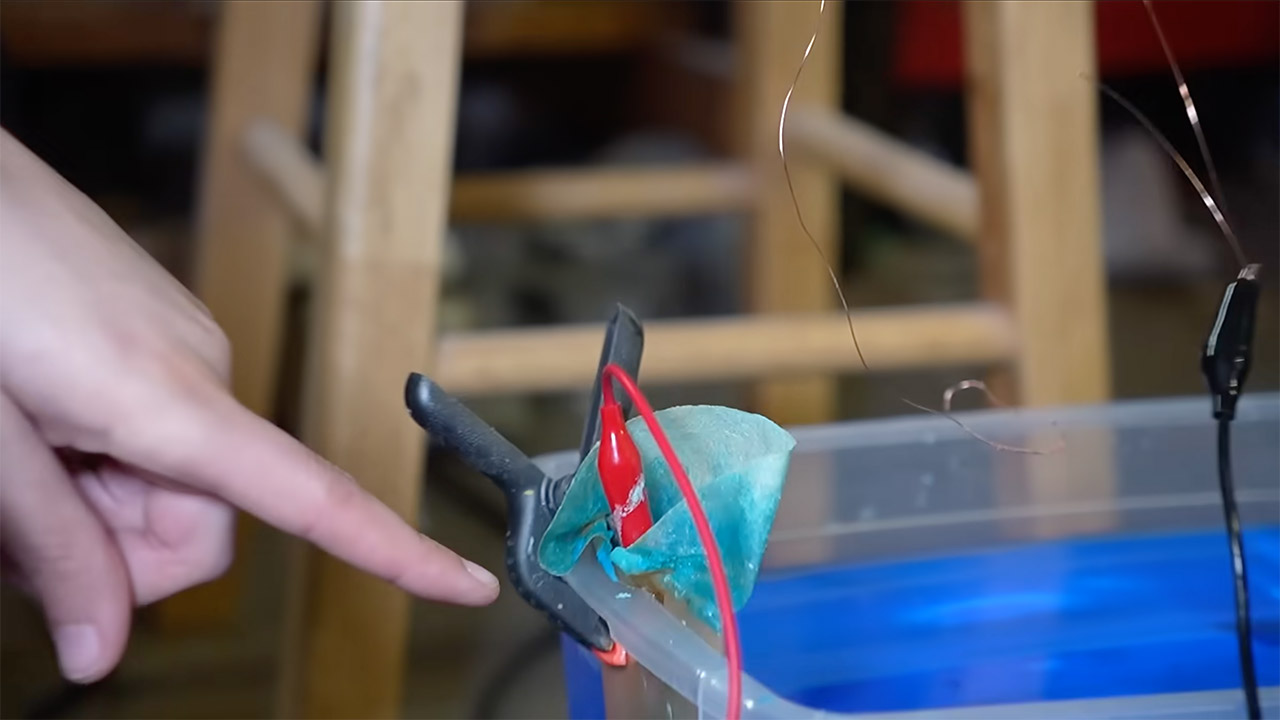
While this was going on, Dan nearly drank half of the gold solution, mistaking it for Gatorade, which is some people’s idea of a prank, if you ask me. He also accidentally dropped several shells, which broke. Conductivity proved to be a long-standing issue, and these restarts extended the plating process over several weeks. Even so, the finished gold-plated set sat on Emily’s teeth like a dream and caught the light just as they’d hoped, even if speaking around them was clumsy and the taste remained metallic.
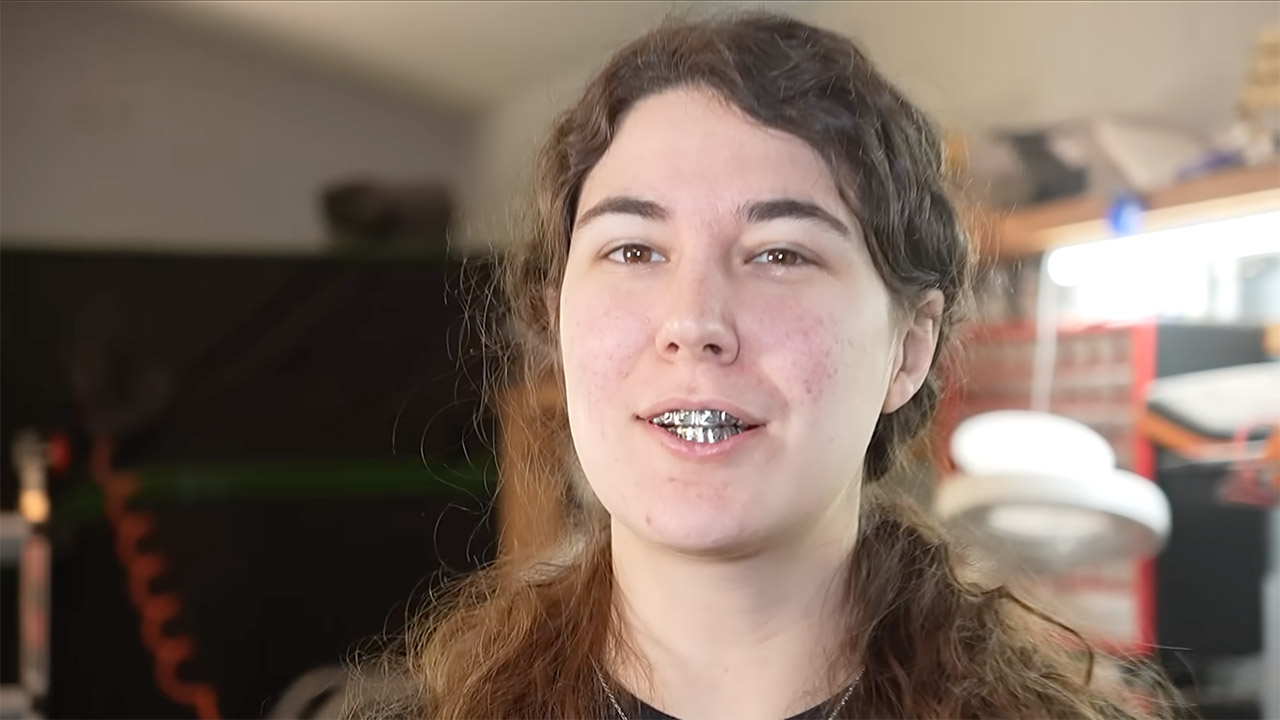
After finalizing the electroplated version, Emily and Kev began working on a much more personal set, One Piece, because she adored the material. Rather than plating the plastic shells again, she just sent the file to be 3D printed in metal. The service informed her that the walls appeared quite thin, yet the pieces arrived as solid as a rock. After some cautious tinkering to get a better fit, the metal grillz locked into place considerably more comfortably than the plastic ones, allowing her to speak away with ease.
You must be logged in to post a comment Login