Tech
Google’s Screenless Fitbit Air Brings Constant Health Tracking in the Smallest Package Yet

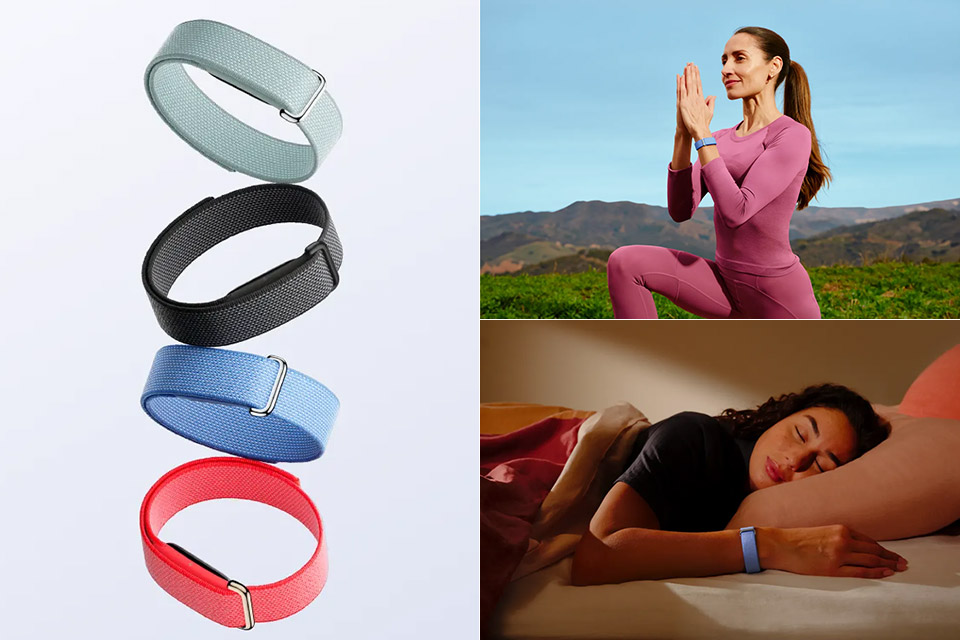
Google revealed its new Fitbit Air today, and it’s the smallest tracker yet, designed exclusively for people who want some consistent health information without the hassle of a large, flashy device getting in the way. At only a little more than five grams on its own and around 12 grams with a band, this gadget glides onto your wrist and stays there for days on end with no problems. The engineers designed it to resemble a smooth pebble that nestles against the skin, and they managed to incorporate at least 35% recycled material by weight.


You have three band options to choose from right away: a recycled performance loop that has been a game changer so far, a sweatproof silicone active band for more physically demanding activities, and a sleeker elevated modern style that looks almost like real jewelry rather than a wearable. The first thing you’ll notice about this Fitbit Air is how low-key it is; there are no flashing lights, no obnoxious vibrations to disturb your day, and no large display to continuously check the time or stare at notifications.


Google Fitbit Air – Screenless Activity Tracker with Fitness, Heart Rate, and Sleep Tracking…
- Google Fitbit Air is the unbelievably comfortable, exceptionally smart way to transform your health[1]; and Google Health brings together effortless…
- Unlock more with Google Health Premium: With a premium membership, get personalized coaching that’s built with Gemini and adapts to your life…
- Comfortable fit – One Size Tracker (130-210 mm): The lightweight, micro-adjustable fit sits comfortably and quietly, so you can wear Google Fitbit Air…

With no display, you won’t have to worry about your phone ringing every two minutes. Instead, it silently gathers all of this data 24 hours a day, seven days a week and transmits it directly to your phone. Heart rate is continuously recorded, as are irregular heart rhythm alarms, blood oxygen levels, resting heart rate and heart rate variability, as well as the standard sleep stage tracking and workout recognition, all without the need for any fussing. Over time, the system begins to establish these patterns, providing you with a more full picture of your recovery and daily mobility.

Power-wise, you can expect it to last a full week on a single charge under normal use, with only a 5-minute top-up required to acquire another day’s worth when you run out of time. Water resistance is also adequate, up to 50 meters, so it can withstand showers, swims, and sweaty workouts without issue. The magnetic charger is easy to attach and reversible, so you won’t have to look for it in the dark. All of these small elements add up to a device that simply sits on your wrist without drawing attention to itself.

Data begins to flow into the all-new Google Health app, which now serves as a central hub for all of your Fitbit Air data, but it does more than that! The software collects a variety of different data, such as your phone’s health records or connected medical records, and then displays some excellent daily summaries, a weekly or monthly trend view, and some good ideas for how to improve. There’s also a coach tool built in, powered by Google AI, that generates entirely personalized training regimens depending on your recent sleep quality, heart rate recovery, or even if your schedule has changed. You can ask the coach what’s going on with this fatigue you keep feeling after a trip or how you should alter your exercises when you’re nursing an injury, and it will spew out all sorts of specific steps based on all of the data from this Fitbit Air
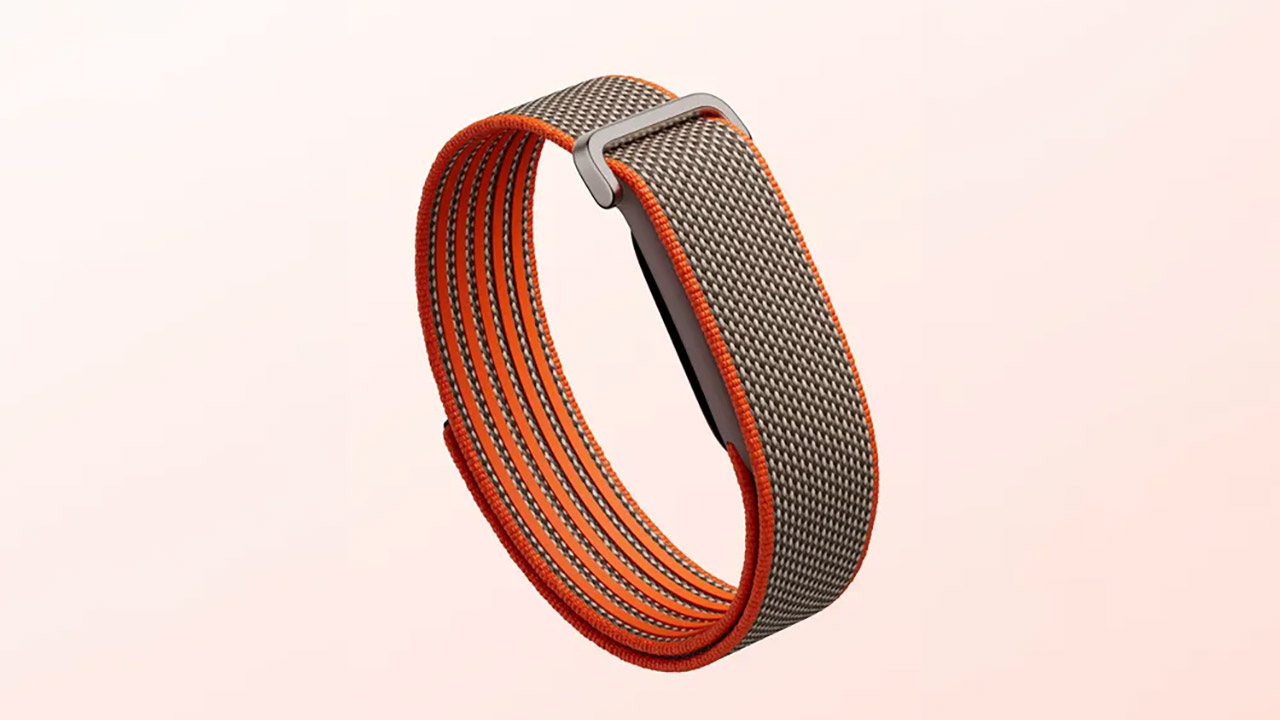
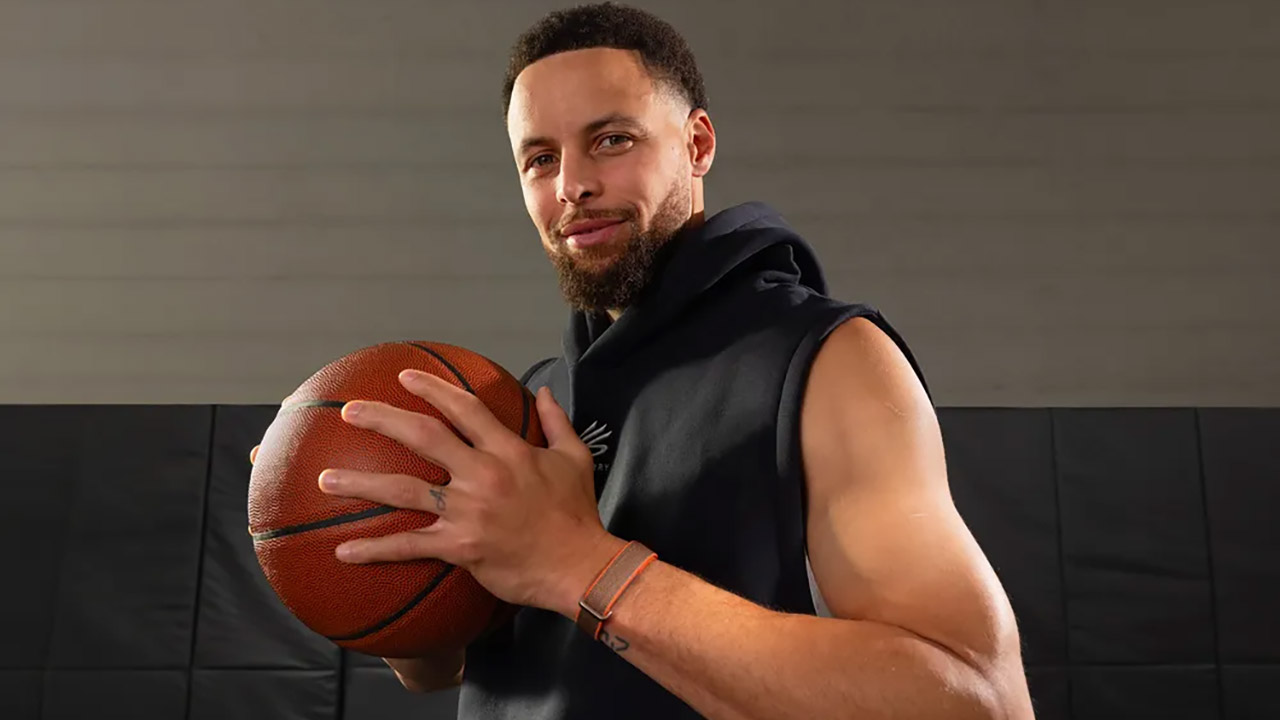
Pricing maintains the low entry point, at $99.99, which includes three months of Google Health Premium for free. There’s also a Stephen Curry-themed variant that costs $130 and includes a distinctive band design. Orders begin immediately, while the devices are slated to arrive in the United States and a few other locations beginning May 26th. The standard colors are obsidian, fog, berry, and lavender, but availability may vary by region. It’s all good for the latest and greatest Android phones starting with version 11, as well as the latest iPhones running iOS 16.4 or later. Setting it up is simple: all you need is a Google account and the Health app, and the tracker will quickly pair with your device over Bluetooth.
You must be logged in to post a comment Login