Tech
Grado Classic Series Headphones Announced: 7 New Models Deliver Key Design and Tuning Changes

Grado has been on a quiet tear over the past year. The Grado Signature Series signaled a more ambitious direction for the Brooklyn brand; new materials, updated ergonomics, and a clear effort to modernize without losing its identity. The obvious question was when that thinking would make its way down to the models most people actually buy. The answer arrives now with the new Grado Classic Series; seven revamped headphones starting at $125 that pull select ideas from the top of the range and apply them where they matter most.
This isn’t a wholesale reinvention. Not all of the Signature Series tech has trickled down, and that’s probably the point. What Grado has done instead is tighten the screws where it counts, refining its X2 driver platform, improving cables and headbands, and addressing long-standing comfort and durability quirks without messing with the core formula that made these headphones staples in the first place.The result is a lineup that feels more considered than flashy, with meaningful updates instead of unnecessary bling or design detours that would feel out of place for a brand with such a traditional outlook and long history.
And if you’ve been around Grado long enough, this lands differently. These are the headphones that built the brand’s reputation with people who didn’t have four-figure budgets or the patience for audiophile theater. People like me, who once dragged a pair of SR80s halfway across the Middle East during the Intifada, only to lose them in a chaotic sprint away from a bus bombing in the Negev. I was furious. Not because they were expensive—but because they were mine. I replaced them years later with the SR80x after reviewing them, and the appeal hadn’t changed.
That’s the through-line here. The Grado Classic Series doesn’t try to be something it’s not. It’s Grado remembering exactly who its audience has always been and giving them a better version of what they already loved.
What’s New in the Grado Classic Series?

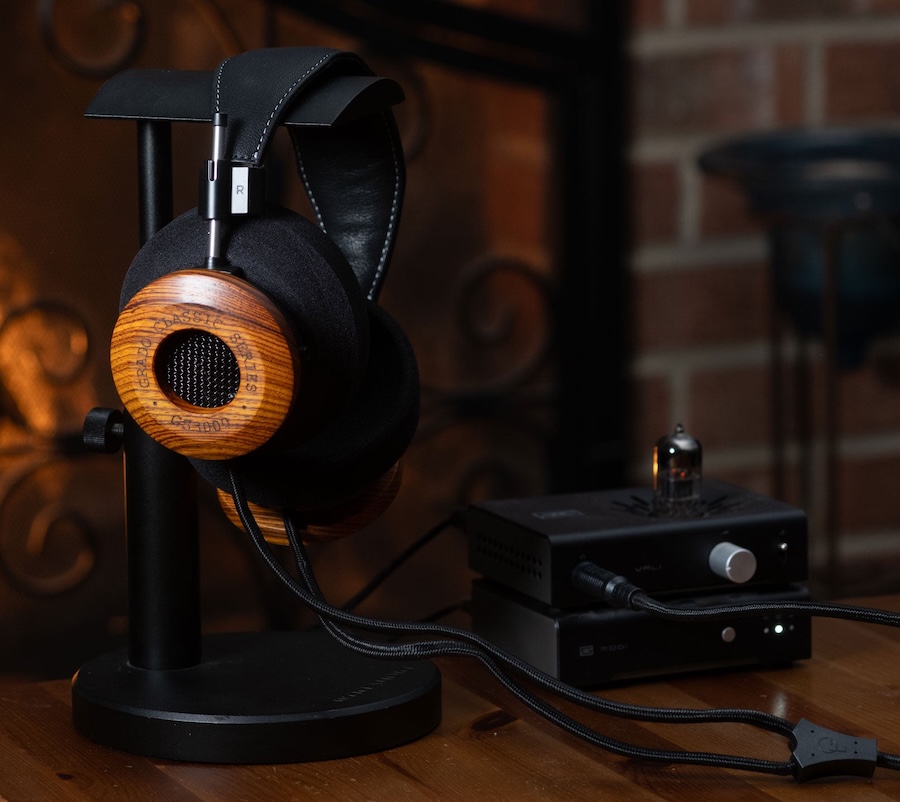
At the center of the Classic Series is Grado’s updated X2 driver platform. This isn’t a ground-up redesign, but a refinement of the company’s long-running approach which is focused on better consistency, improved control, and a bit more balance across the frequency range. There’s more clarity and extension here, but the core traits haven’t been scrubbed out. It still sounds like Grado: fast, open, and direct, with that forward sense of immediacy intact. Each model is tuned to its specific housing, which continues to play a major role in how these headphones present space and dynamics.
Beyond the driver, the changes are more practical than dramatic. The Grado Classic Series picks up revised cable designs derived from the Signature Line that are lighter, more flexible, and easier to live with over long sessions. Durability and handling should be better, but Grado is sticking to its guns with a fixed cable across the lineup. If you were hoping detachable cables would trickle down, they didn’t. That line is still clearly drawn.
Before you get twisted up over that, remember who Grado is building these for. These seven models aren’t aimed at the Head-Fi purist crowd ready to argue over pad materials or single ended versus balanced termination.
Headbands and hardware get some overdue attention as well. Updated assemblies improve adjustment, comfort, and long-term reliability without altering the look that’s been part of the brand for decades. It’s evolution, not reinvention. And like always, everything is still assembled in Brooklyn, which matters to Grado and to a lot of its customers.
The Classic Series Lineup
The new lineup brings together seven of Grado’s most recognizable models: GS3000, GS1000, RS1, SR325, Hemp, SR80, and SR60.
There’s no attempt here to reinvent the hierarchy. This is a range that spans from true entry-level to long-standing reference designs, covering the same ground it always has. For a lot of listeners, these were the gateway into better audio—and in many cases, the pair they stuck with. The update doesn’t change that.
GS3000

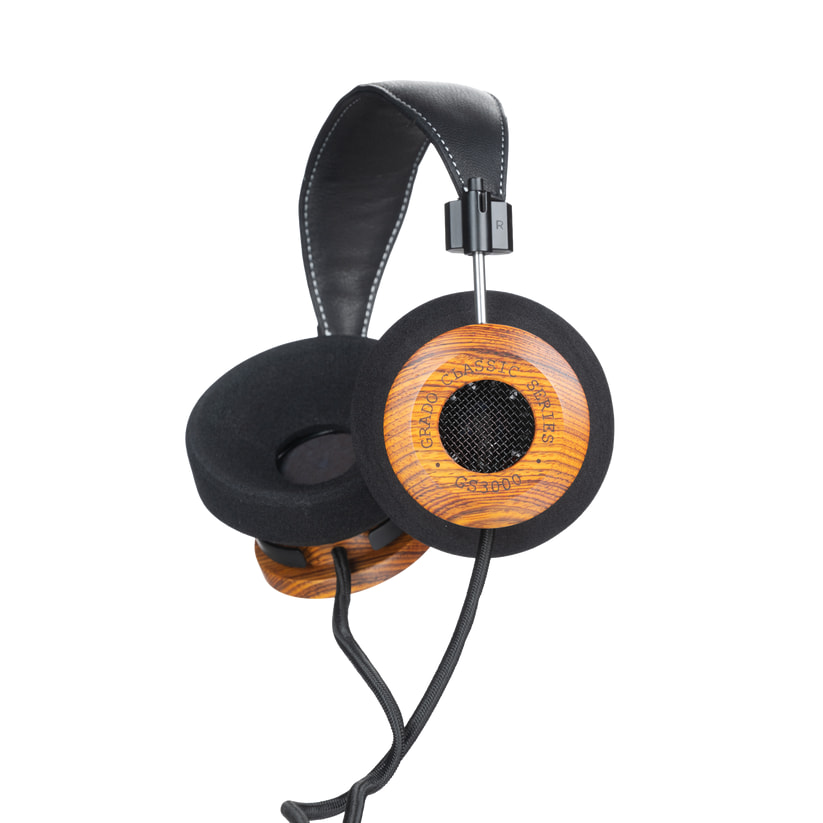
Price: $1,995
Driver: 52mm X2 dynamic
Design: Open-back
Frequency response: 4Hz to 51kHz
Sensitivity: 99.8 dB
Impedance: 38 ohms
Driver matching: 0.05 dB
Cushions: G cushions
Key build notes: Signature Gold headband assembly, larger diaphragm, optional XLR termination.
This is the top Classic Series model and the one aimed at listeners who want the biggest enclosure, the largest driver in the lineup, and the most expansive presentation. Grado says the 52mm X2 driver is meant to improve bass extension, dynamic headroom, and scale, and that tracks with where this model sits in the hierarchy. It also gets the most advanced mechanical package in the Classic range with the Signature Gold headband system.
GS1000
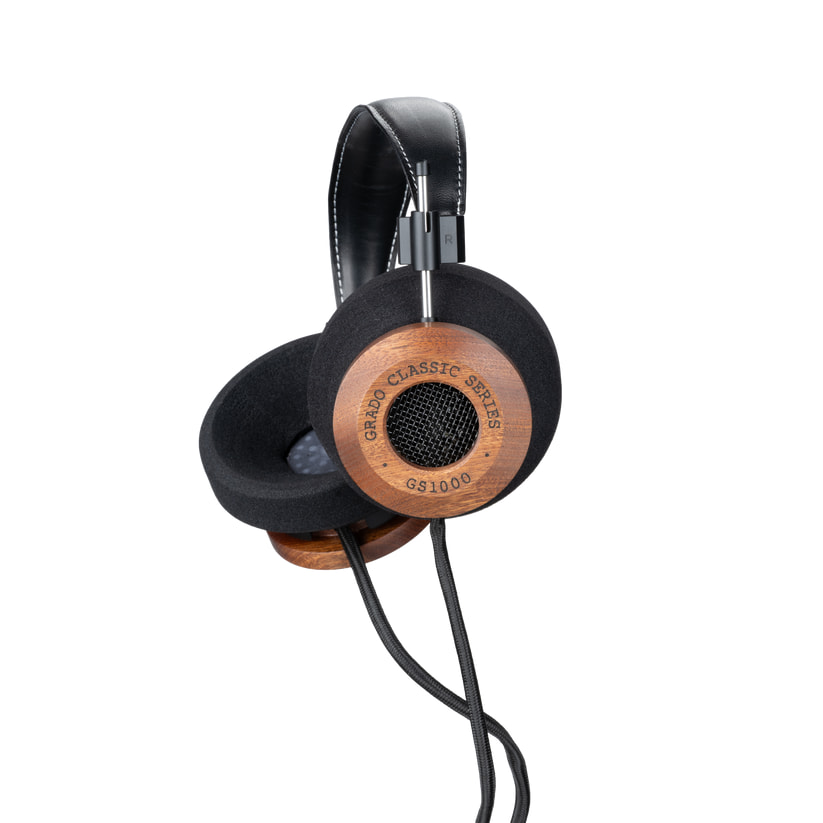
Price: $1,195
Driver: 50mm X2 dynamic
Design: Open-back
Frequency response: 8Hz to 35kHz
Sensitivity: 99.8 dB
Impedance: 38 ohms
Driver matching: 0.05 dB
Cushions: G cushions
Key build notes: Signature Gold headband assembly, optional XLR termination.
The GS1000 sits below the GS3000 but follows the same basic idea: larger driver, larger cushions, and a more spacious presentation than the smaller-bodied models. Grado positions it as open and effortless rather than aggressive, which makes sense given the G-cushions and the 50mm driver platform. It keeps the premium headband hardware, so it is not being treated like a cut-rate version of the flagship.
RS1

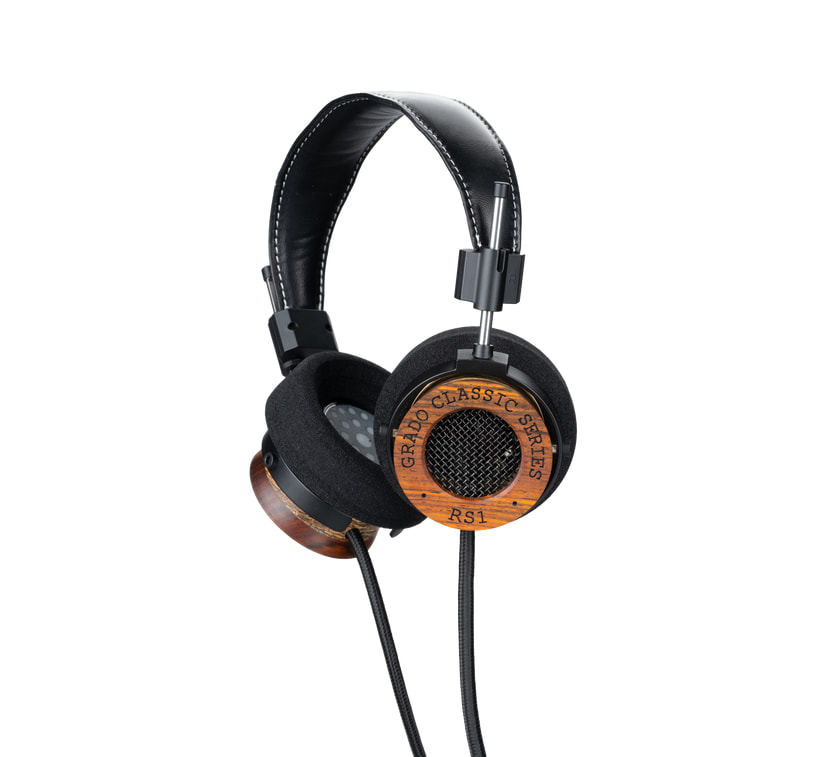
Price: $750
Driver: 50mm X2 dynamic
Design: Open-back
Frequency response: 12Hz to 30kHz
Sensitivity: 99.8 dB
Impedance: 38 ohms
Driver matching: 0.05 dB
Cushions: L cushions
Key build notes: Signature Gold headband assembly, Signature Silver cable, optional XLR termination.
The RS1 remains the more compact wooden step-up model in the lineup and looks like the point where Grado wants tradition and refinement to meet without going full GS. Grado’s own language here focuses on midrange expression and immediacy, and the L-cushions suggest a more focused presentation than the GS models. It also gets better hardware than the entry models, but still stops short of detachable-cable modernity. Brooklyn giveth, Brooklyn withholdeth.
Hemp
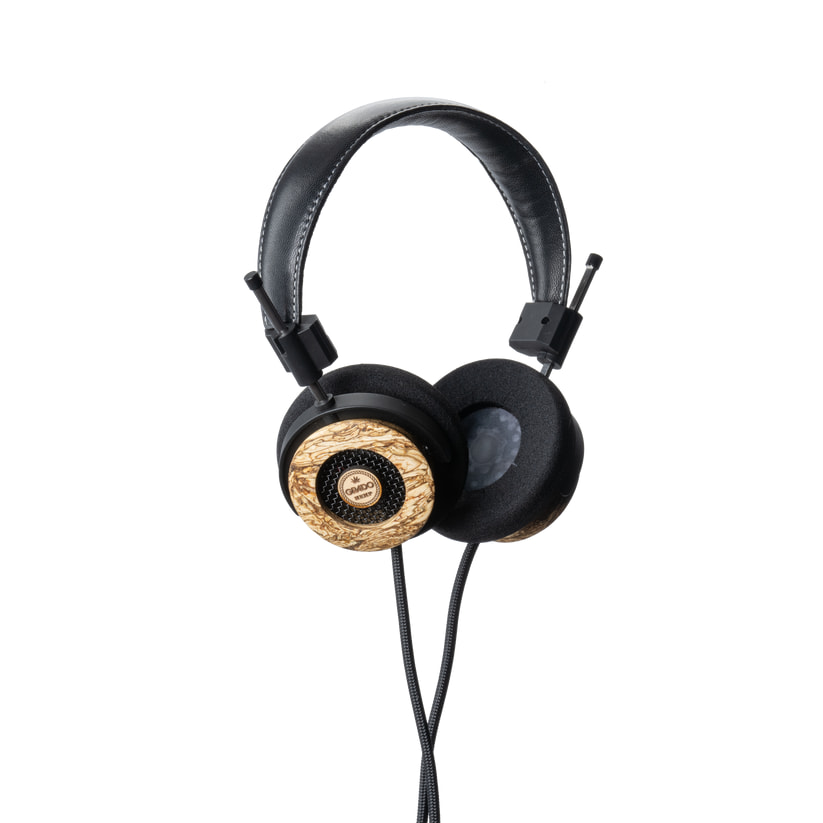
Price: $495
Driver: 44mm X2 dynamic
Design: Open-back
Frequency response: 13Hz to 28kHz
Impedance: 38 ohms
Driver matching: 0.05 dB
Termination: 3.5mm plug with 1/4-inch adapter
Cushions: F cushions
Key build notes: Hemp and maple housing, padded leather headband with white stitching, 8-conductor cable, Signature Silver headband assembly, optional XLR termination.
The Hemp remains the material outlier in the lineup, using a hemp and maple housing rather than the more conventional wood, metal, or polymer approach. Grado says the tuning is fuller and more grounded, which separates it a bit from the leaner, faster reputation some buyers associate with the brand. It also gets nicer trim than the SR60 and SR80, which keeps it from feeling like a novelty side quest.
SR325
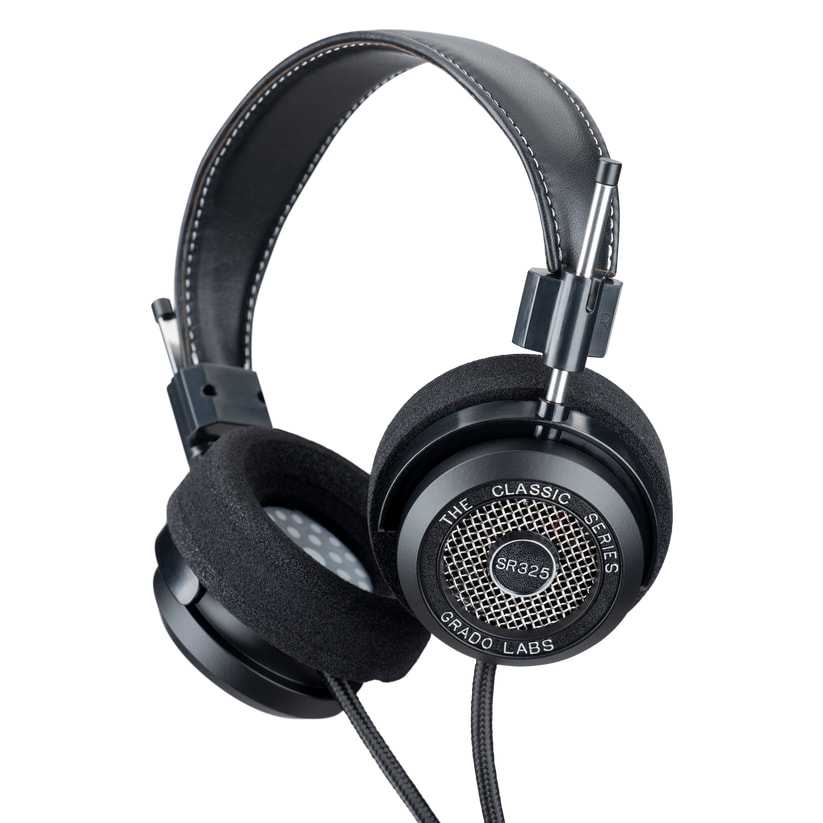
Price: $350
Driver: 44mm X2 dynamic
Design: Open-back
Frequency response: 18Hz to 24kHz
Sensitivity: 98 dB
Impedance: 38 ohms
Driver matching: 0.05 dB
Cushions: F cushions
Key build notes: Aluminum housing, Signature Silver headband assembly, Signature Silver cable.
The SR325 is still the metal-bodied model in the lower half of the lineup and the one that looks most likely to appeal to listeners who want a more controlled and articulate take on the Grado formula. Grado specifically points to tighter bass, forward mids, and crisp top-end extension, and the machined aluminum housing is there to reduce resonance and keep things fast. This is where the Classic Series starts to feel a little more dressed up without losing the family resemblance.
SR80
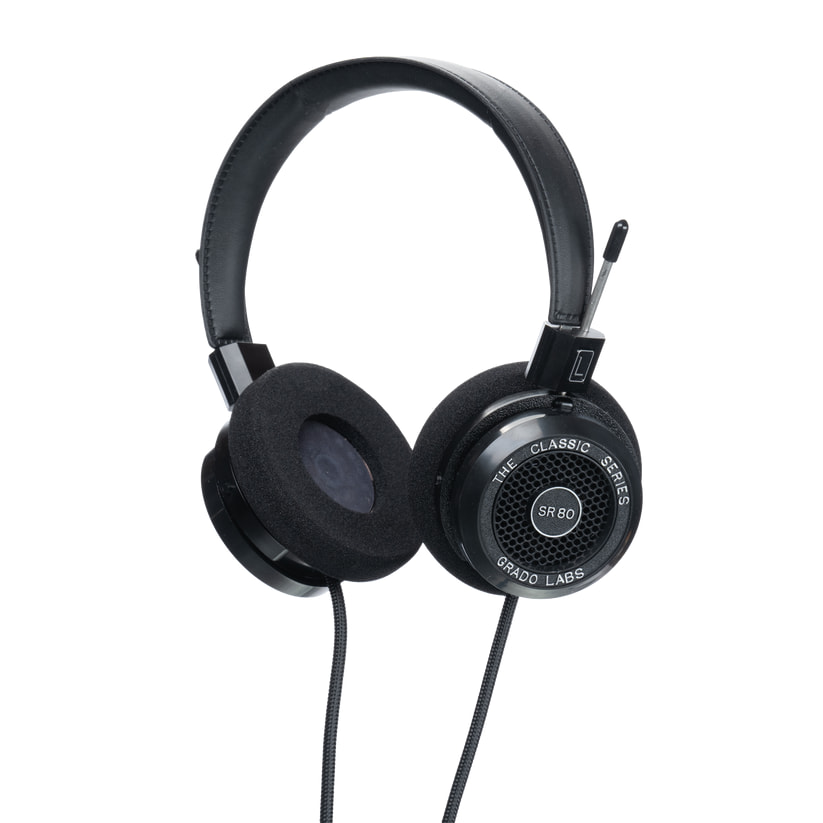
Price: $175
Driver: 44mm X2 dynamic
Design: Open-back
Frequency response: 20Hz to 20kHz
Sensitivity: 98 dB
Impedance: 38 ohms
Driver matching: 0.1 dB
Cushions: S cushions
Key build notes: Standard headband assembly with padded synthetic strap, Bronze cable.
The SR80 is still the heart-of-the-line Grado for a lot of people. Compared with the SR60, Grado says it brings tighter bass, more midrange presence, and more top-end detail, which is basically the company telling you this is the livelier, more direct option without making you take out a second mortgage. It keeps the simpler headband and fixed Bronze cable, so the upgrades are real but still clearly budget-conscious.
SR60

Price: $125
Driver: 44mm X2 dynamic
Design: Open-back
Frequency response: 20Hz to 20kHz
Sensitivity: 98 dB
Impedance: 38 ohms
Driver matching: 0.1 dB
Cushions: S cushions
Key build notes: Standard headband assembly with padded synthetic strap, Bronze cable.
The SR60 remains the entry point and, honestly, that matters more than any spec-sheet chest beating. Grado describes it as balanced and musical, aimed at long listening sessions rather than maximum bite. It shares the same 44mm X2 architecture as the SR80, but the SR80 is positioned as the more immediate and more energetic step up. For $125, this is Grado keeping one foot planted where the brand actually built its audience in the first place.
The Bottom Line
The Classic Series which includes the GS3000 ($1,995), GS1000 ($1,195), RS1 ($750), Hemp ($495), SR325 ($350), SR80 ($175), and SR60 ($125) is a focused update built around the X2 driver platform, improved cables, and better headband design. Same lineup, just refined where it needed it.
Grado updated its core products and made them more comfortable and durable without losing the house sound that made them extremely popular and also somewhat divisive within the Head-Fi community.
Who are they for? The same audience that built the brand. Listeners who want a straightforward, open-back, wired experience without getting pulled into feature wars and don’t care about third-party detachable cables.
Based on our experience with the Signature models over the past year, these should be very competitive.
Where to buy: gradolabs.com
You must be logged in to post a comment Login