Tech
Grandpa’s Steel Bianchi Becomes the Quiet Electric Bike No Company Builds

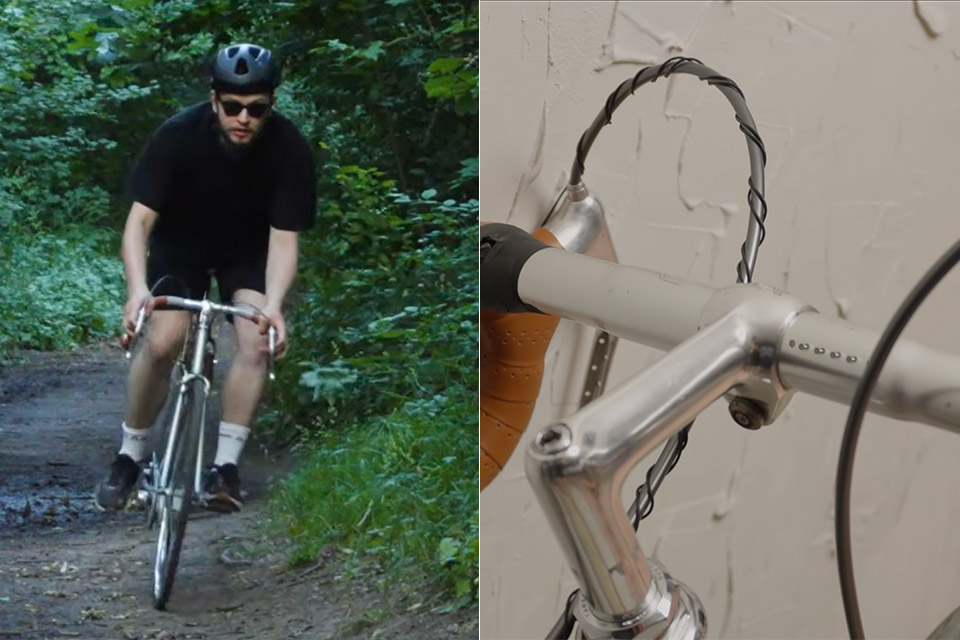
GRMNT pulled his grandfather’s old road bike out of storage and found a Bianchi built with real Tange steel tubing. Years of grime covered the frame, yet the metal underneath still held the clean lines and solid construction of a proper 1980s road machine. He cleaned it thoroughly, then set out to give the bike an electric boost that left almost no visible trace of the change.


A used Bafang mid-drive motor turned up unexpectedly for €10. The device had clearly had a tough life because water had gotten inside, the magnets had taken a hammering and one of them had broken, and a blind bearing would not move. When GRMNT attempted to withdraw the bearing, they damaged the housing. But GRMNT doesn’t give up easily, and he sets to work mending the damage, replacing worn bearings, recovering the magnet, and restarting the engine. Once placed in the bottom bracket, the drive sat low, centered, and ready to engage whenever necessary, as long as you were spinning the stock chainring at a fair speed.
Sale


TST Electric Bike for Adults, 48V 15Ah Battery, 1500W Peak Motor, Fat Tire
- 【Excellent Motor Performance】This electric bike is equipped with a high-performance 750W motor(1500W peak power) with 2 to 3 speed settings…
- 【Upgraded Removable Battery】 Powered by a 48V 15Ah removable battery, the ebike can be fully charged in just 6-7 hours and can ride up to 60 miles…
- 【Comfortable Riding Experience】 This fat tire electric bike is equipped with front and rear suspension system, which absorbs most of the bumps and…

A batch of recycled Samsung 50E batteries, repurposed from somewhere, supplied power. Ten of the cells were joined and spot welded together with nickel strips and protected by a BMS system. There was an issue with the wiring early on, but it was detected before the pack had completed any significant work. Anyway, once everything was in order, the finished battery was placed in a bespoke leather case designed and hand sewed by GRMNT from some exquisite Italian calf skin. The pack sat on the frame as if it had always been there, and the entire configuration appeared to be factory-installed. The case was secured with a simple clasp, and everything was kept understated.

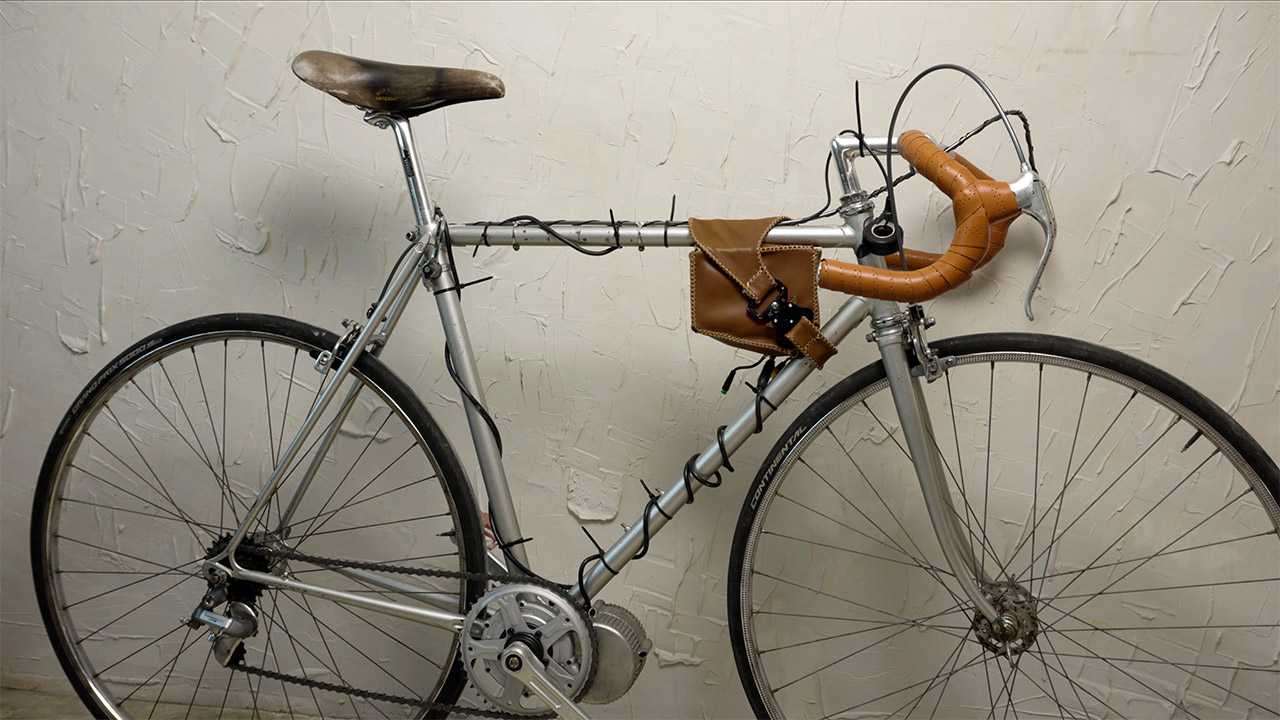
As one might expect, the entire setup remained relatively quiet. The majority of the traditional suspects, including the throttle, factory display, and all visible wiring, were removed or disconnected. Instead, the motor was operated by a single simple button, and riders looking over the handlebars saw nothing but a completely normal bike. Battery level information was provided via a different type of display entirely. A small microcontroller monitored the pack voltage and utilized it to trigger a solenoid located within the handlebars. Every time the battery reduced another quarter of its capacity, the solenoid would click over and produce a clear, tactile sound, similar to an old-fashioned instrument. When the battery was first connected, the system flashed a short series of clicks to notify the rider that everything was working. There were no flashy screens or numbers, just a solid, old-school vibe.
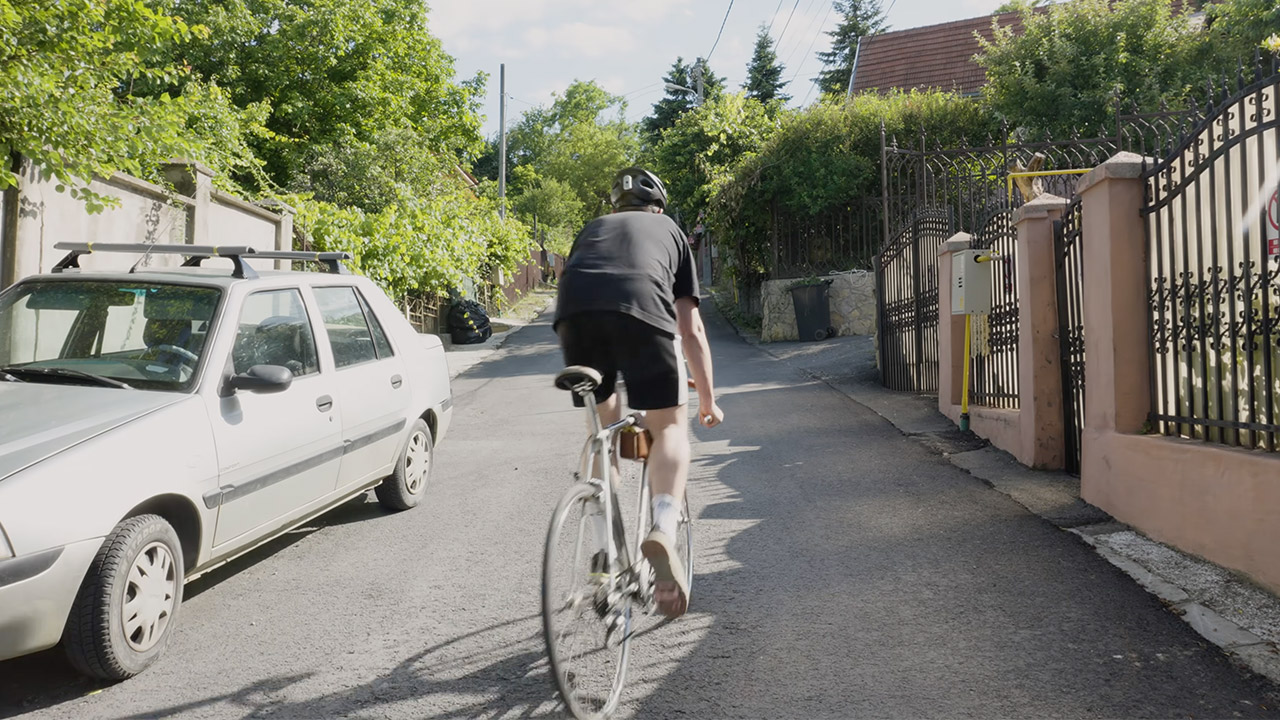
During the drive, everything worked perfectly. A fifty-kilometer loop through the hills surrounding Iași, Romania served as a great test, with plenty of ups and downs to push the system to its limits. On a particularly painful twenty-six-degree incline, the motor kicked in, making what would have been a difficult slog appear nearly effortless. On the flats, however, the bike glided along pleasantly at 35 km/h using only human power. The frame and motor were unaffected by the dirt paths and rocky ground, but the original brakes reminded us that some of the base parts needed some TLC before they were up to pace. However, by the end of the ride, the battery had a beautiful round forty-plus percent charge.
[Source]
You must be logged in to post a comment Login