Tech
GS/OS was Apple’s Colorful Desktop That Lived on the Wrong Machine from the 1980s

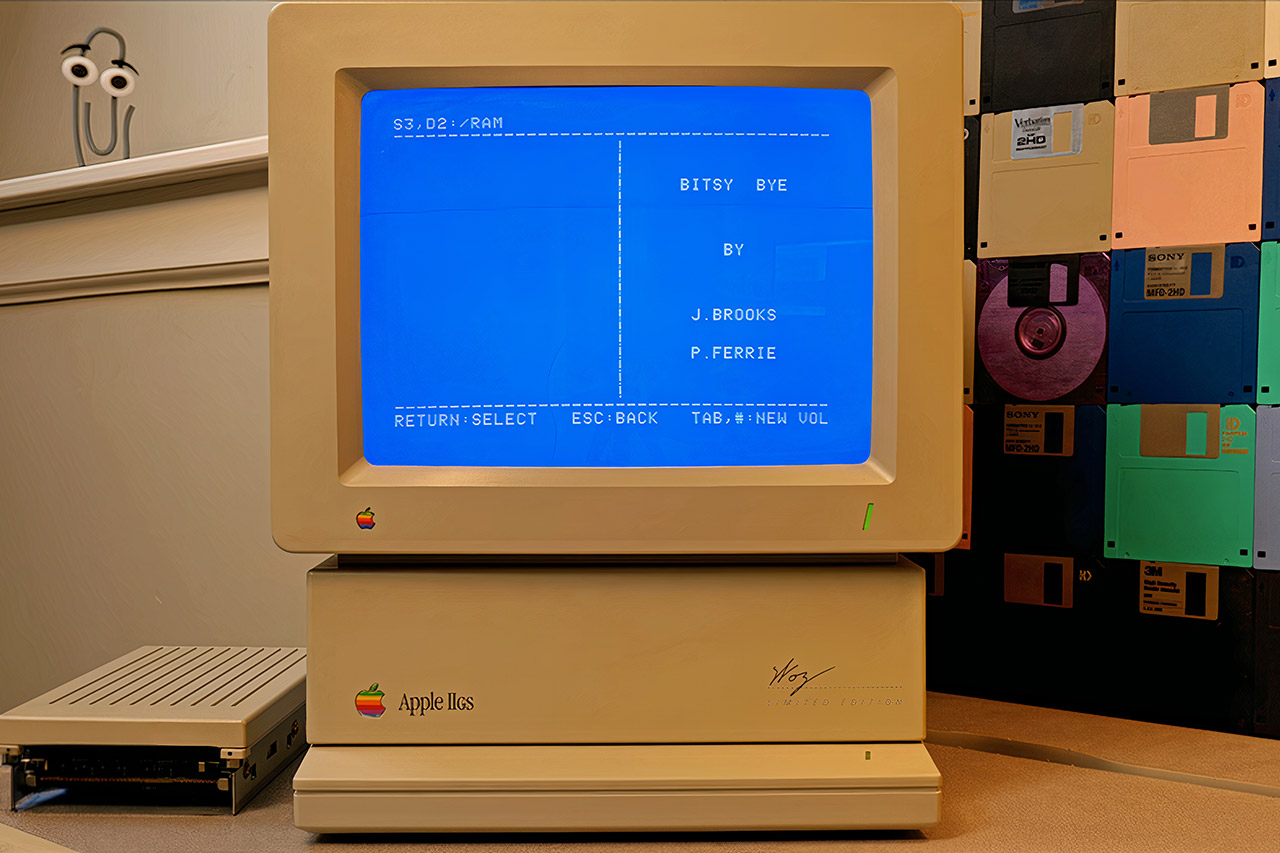
Most people who remember personal computers from the late 1980s think first of the Macintosh and its clean black-and-white interface. Apple had already shipped something that looked and behaved a lot like it, only this version ran in color on a machine that still carried the Apple II name. That system was GS/OS, and it arrived in 1988 as the heart of Apple IIGS System Software 4.0.


GS/OS was built from the start in 100% 16-bit code for the 65816 CPU inside the IIGS, which was a significant shift from previous versions. Most other software on this computer was still inadequately optimized for 8-bit routines carried over from the previous Apple II generation. The improved code resulted in significantly faster disk access, screen rendering, and program loading. Customers who had upgraded from ProDOS 16 were particularly affected.


Apple 2026 MacBook Air 13-inch Laptop with M5 chip: Built for AI, 13.6-inch Liquid Retina Display, 16GB…
- BUILT FOR COLLEGE. AND BEYOND — MacBook Air with the M5 chip packs blazing speed and powerful AI capabilities into an incredibly portable design…
- TEAR THROUGH TOUGH ASSIGNMENTS — With its faster CPU and unified memory, the M5 chip delivers even more performance and fluidity across apps, making…
- MAKE QUICK WORK OF YOUR TO-DO LIST — Apple Intelligence helps you write, express yourself, and get things done effortlessly — whether it’s for…
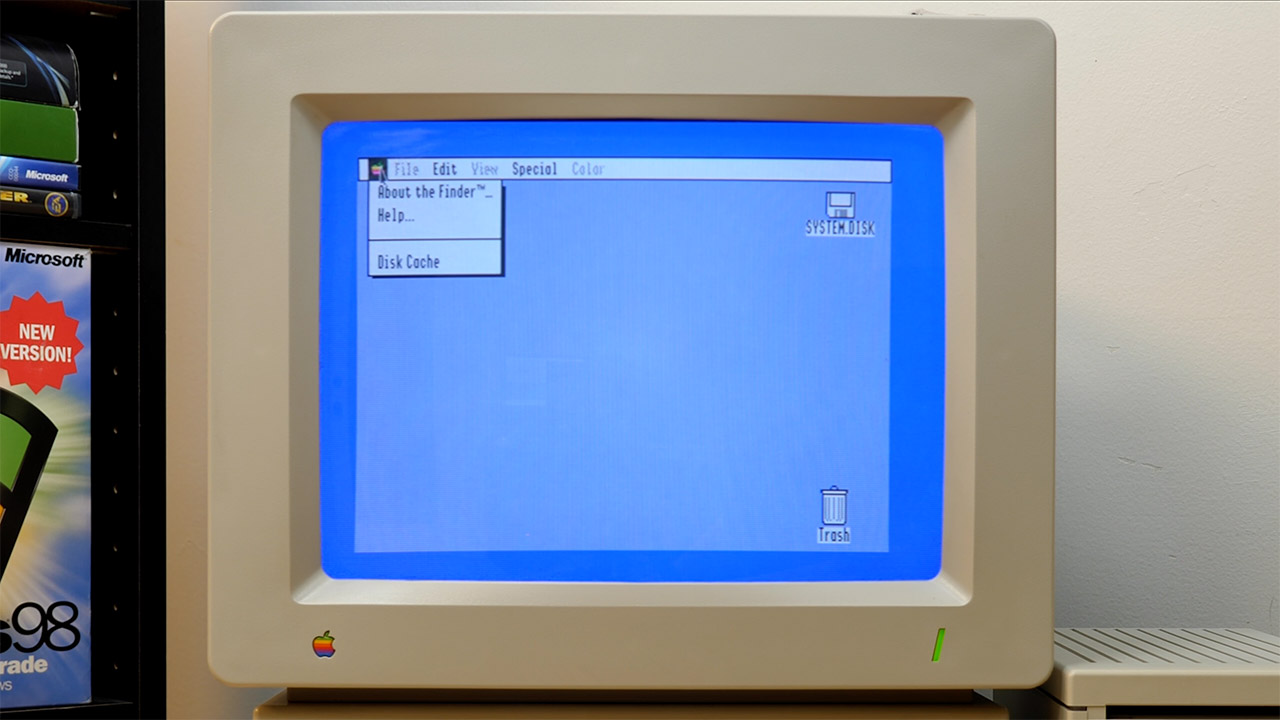
GS/OS’s Finder was crucial to the system. Do you remember those desktop icons? Windows that can be moved around, resized, and stacked? Pull-down menus at the top of the screen and a trash can waiting patiently for files you no longer wanted, as it all looked pretty familiar to anyone who’d used an early Mac, but here’s the thing: all of this was happening in glorious color on hardware capable of displaying thousands of different hues on screen at any given time. The control panels allowed you to change all of the minor settings without leaving the desktop, such as mouse speed and clock.

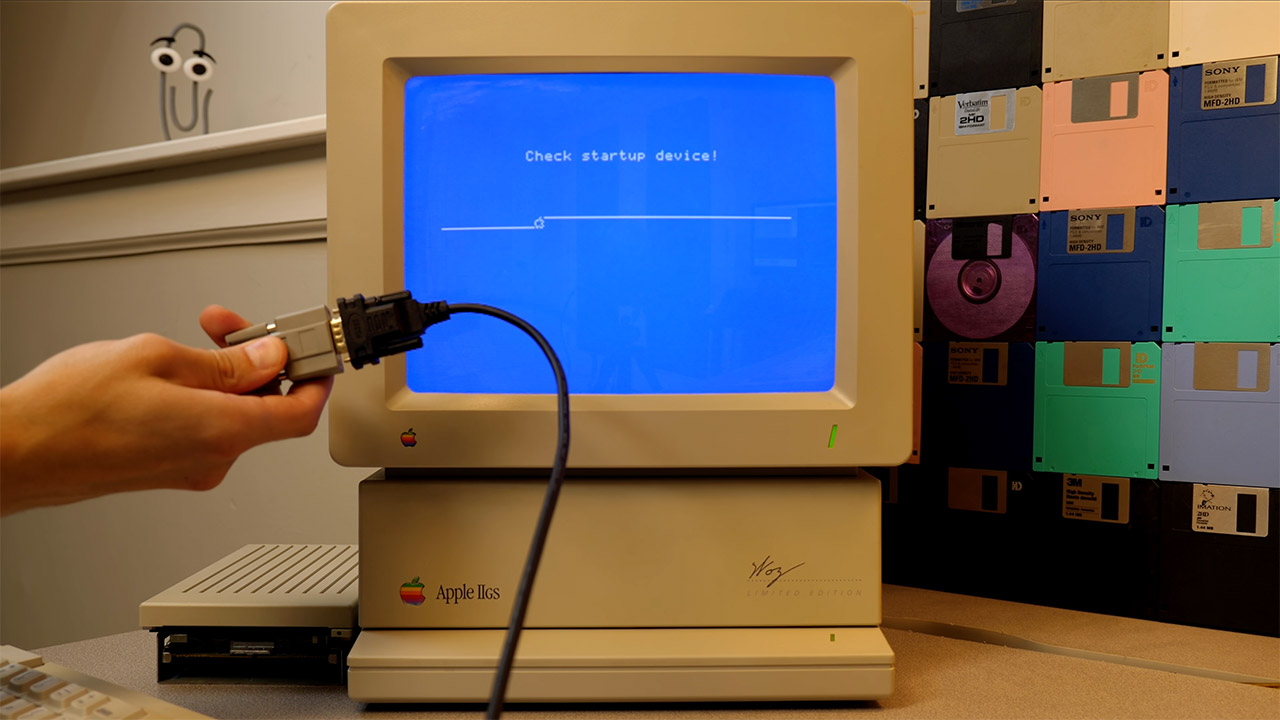
The system’s technical foundation was especially impressive, as the modular architecture drew on many brilliant ideas from prior Apple systems. You could add or uninstall device drivers without rewriting the entire operating system. File System Translators allowed you to access disks formatted for other machines, such as Mac HFS volumes and various MS-DOS formats. Even resource forks appeared, allowing applications to store extra data alongside the main file, and let’s not forget those progress bars that filled up like a thermometer and proportional scroll bars, which are now considered standard features but were a real novelty at the time.
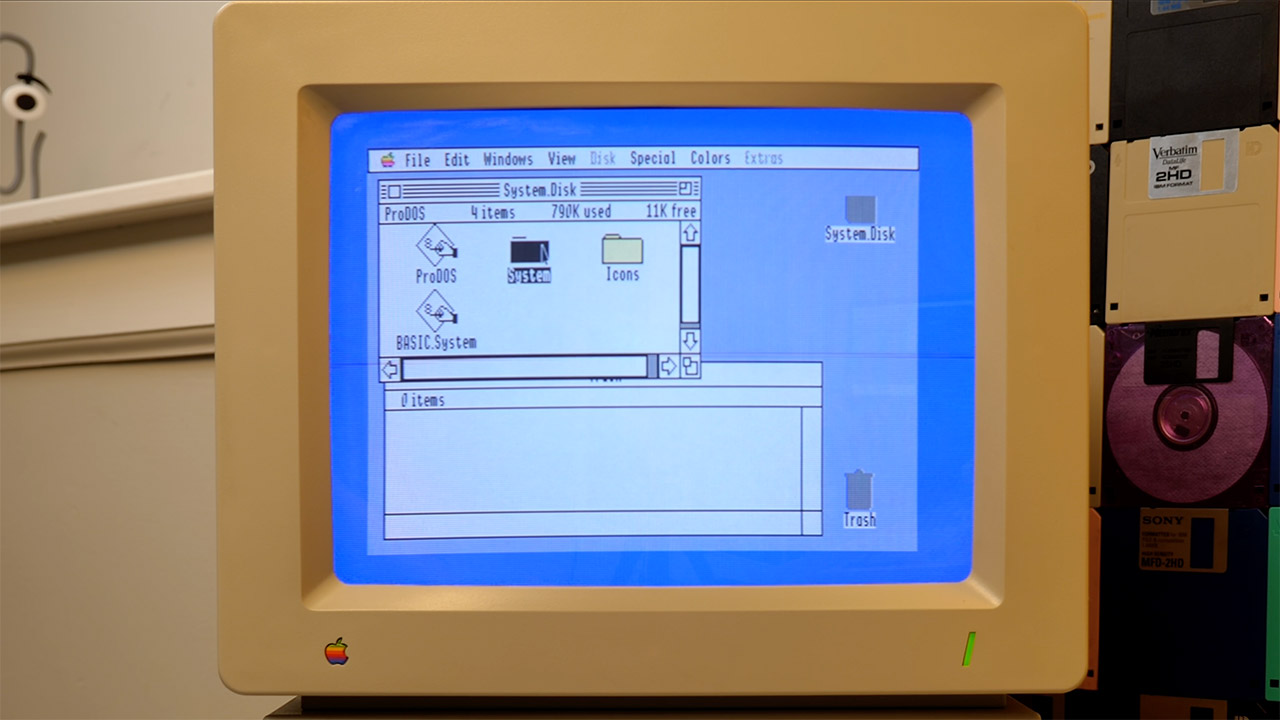
As you might expect, storage support increased with each subsequent iteration. Later versions of the system could handle hard disks containing hundreds of megabytes, eventually supporting volumes of up to four gigabytes. Then there was AppleShare, which added networking to the IIGS, allowing it to connect to the same office network as Macintosh machines and share files. Installation and disk utilities were eventually made far less onerous than the previous command-line approaches.
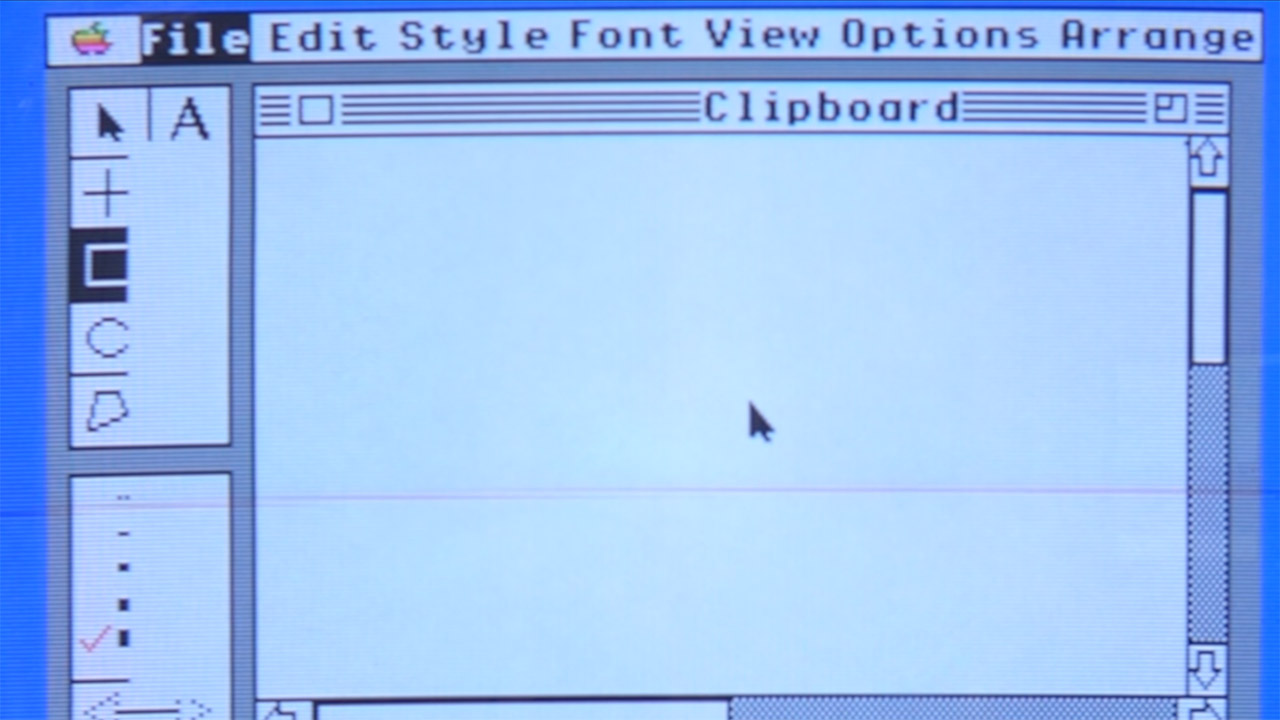
Apple continued to update the software into the early 1990s. System 5 improved the networking and speed even further. System 6, which was released in 1992 and completed with version 6.01 in 1993, introduced some polish to the Finder, improved font handling, and a slew of other tweaks that made day-to-day use a little easier, but that was the extent of the official revisions. By the end of 1992, the IIGS was no longer on Apple’s pricing lists, and the focus had turned entirely to the Macintosh series.
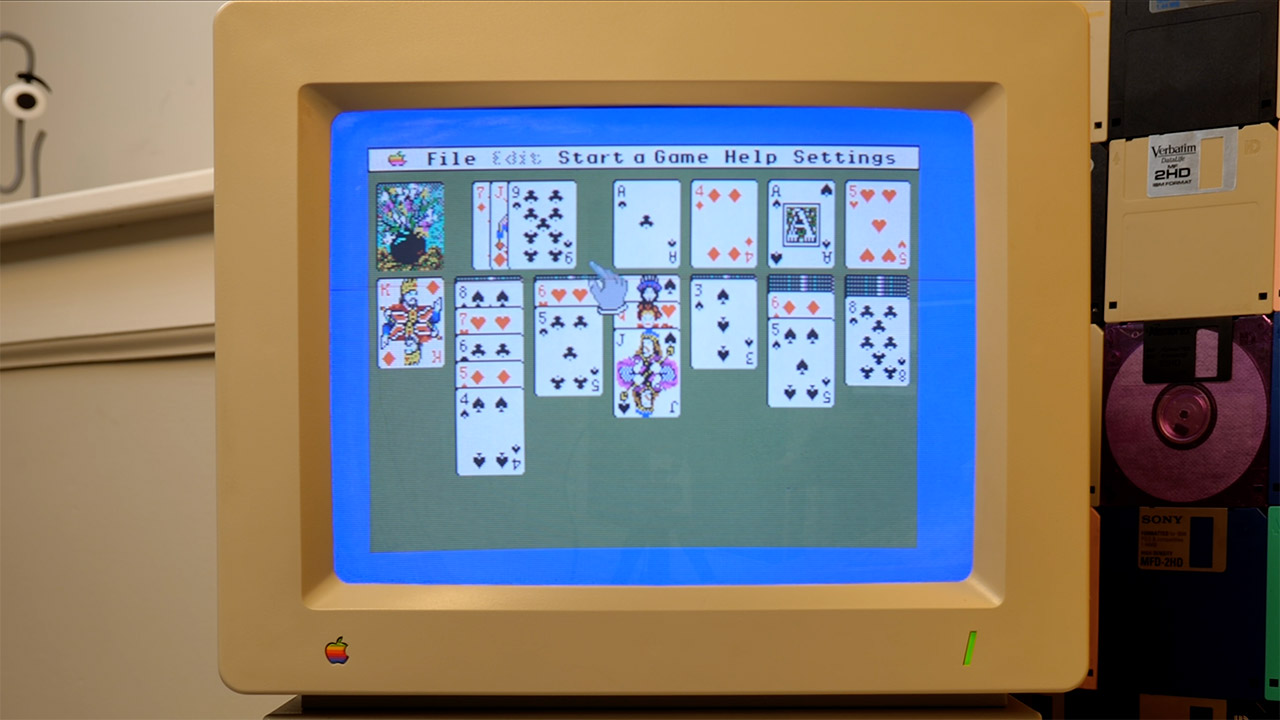
The hardware behind GS/OS was rather remarkable. The IIGS included a mouse, Apple Desktop Bus connectors, and a sound chip capable of playing sounds that was far more fascinating than anything previously available on the Apple II. Its graphics modes offered far more colors than the original Macintosh, but the system itself couldn’t escape the shadow of its more famous sibling. Software developers were focusing their efforts on the Mac, and the IIGS was really a niche product, even if its operating system silently packed in capabilities that felt current at the time.
You must be logged in to post a comment Login