Tech
Hands-On with the Framework 13 Pro, a Modular Laptop You Can Own for Years

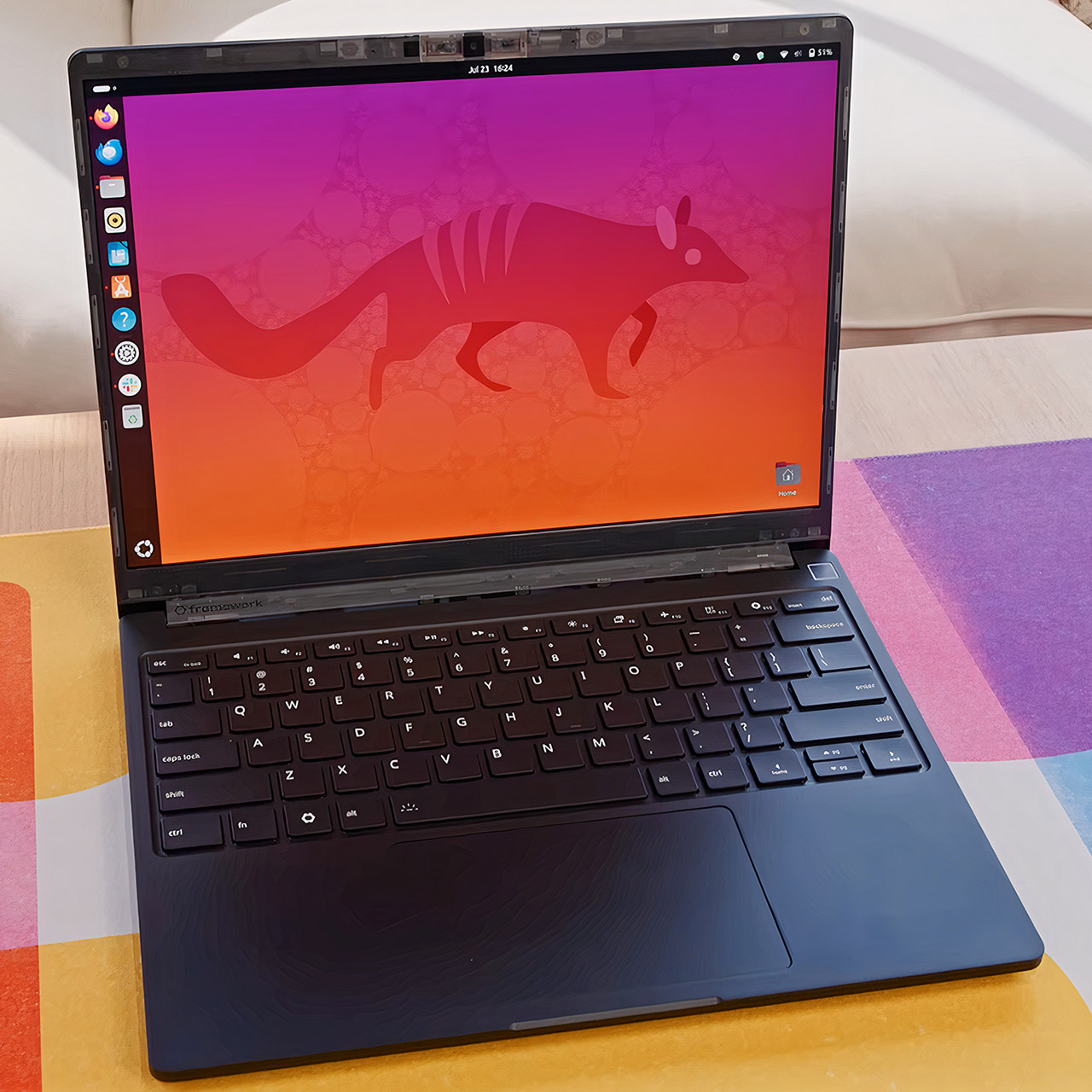
Framework spent years showing that a laptop does not have to be sealed shut forever. With the Framework 13 Pro, the company delivers a machine that finally matches the ambition of that idea. The chassis is cut from solid blocks of aluminum rather than assembled from thinner stamped pieces. The result is a rigid body that feels dense and quiet when you pick it up. Weight sits at 1.4 kilograms and thickness stays at 15.85 millimeters, the same outer size as earlier 13-inch models so existing bags and stands still work.


The screen is the first thing you see on this Framework system, a custom-built panel designed exclusively for this chassis. It has a 13.5-inch screen with a 3:2 aspect ratio, making it better suited for papers and coding than widescreen video. We’re looking at a resolution of 2880 by 1920 pixels, 700 nits of brightness, and an impressive 1800:1 contrast ratio, as well as a lovely matte anti-glare surface to keep the image from washing out. The refresh rate is more adjustable, ranging from 30 to 120 Hz depending on the system requirements, and the touch feature is built in, however a stylus is not included in the package.
Sale


Apple 2026 MacBook Air 15-inch Laptop with M5 chip: Built for AI, 15.3-inch Liquid Retina Display, 16GB…
- BUILT FOR COLLEGE. AND BEYOND — MacBook Air with the M5 chip packs blazing speed and powerful AI capabilities into an incredibly portable design…
- TEAR THROUGH TOUGH ASSIGNMENTS — With its faster CPU and unified memory, the M5 chip delivers even more performance and fluidity across apps, making…
- MAKE QUICK WORK OF YOUR TO-DO LIST — Apple Intelligence helps you write, express yourself, and get things done effortlessly — whether it’s for…
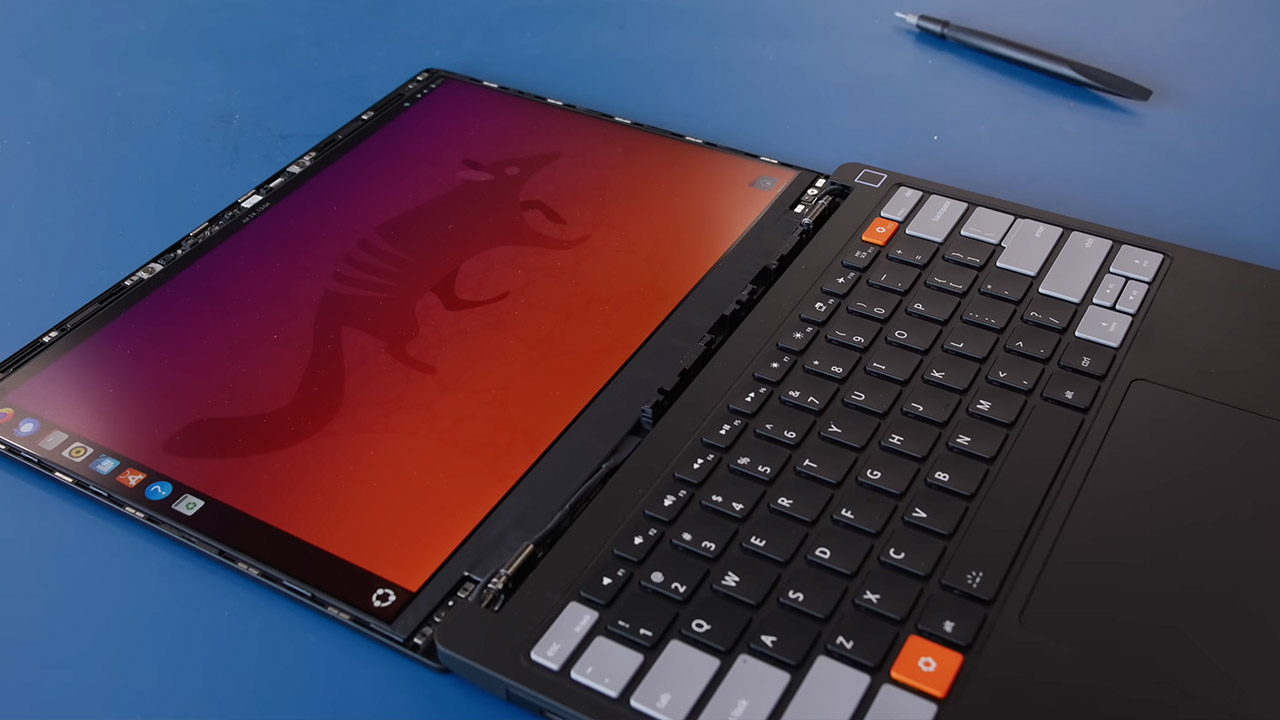
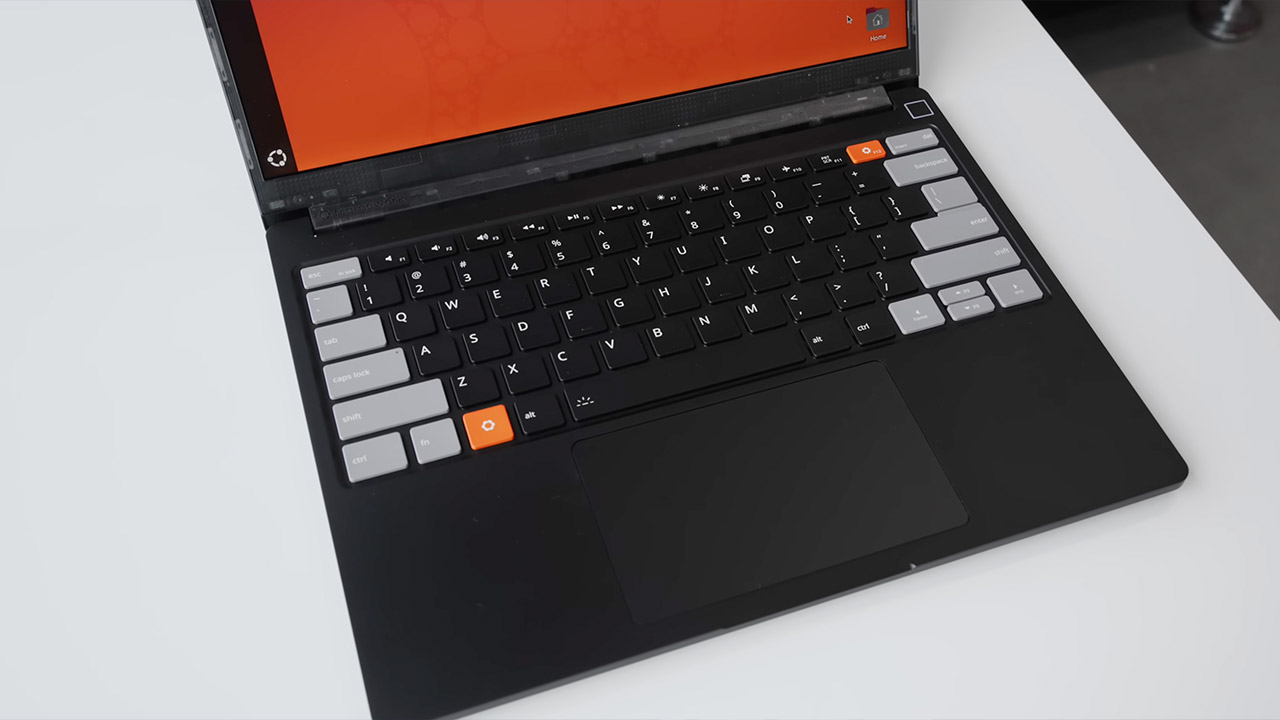
The keyboard has the same 1.5 millimeter travel distance as its predecessor, which is deep enough to keep your hand from getting sore after typing for hours at a time. The trackpad has been upgraded with a haptic feedback technology that uses four piezo components to produce a smooth, consistent click. No more fumbling with mechanical buttons, and you can click wherever on the trackpad. The speakers are side-firing this time and Dolby Atmos certified, which means you’ll get clearer sound than prior Framework versions, but don’t expect to outperform the competition in terms of volume and bass.

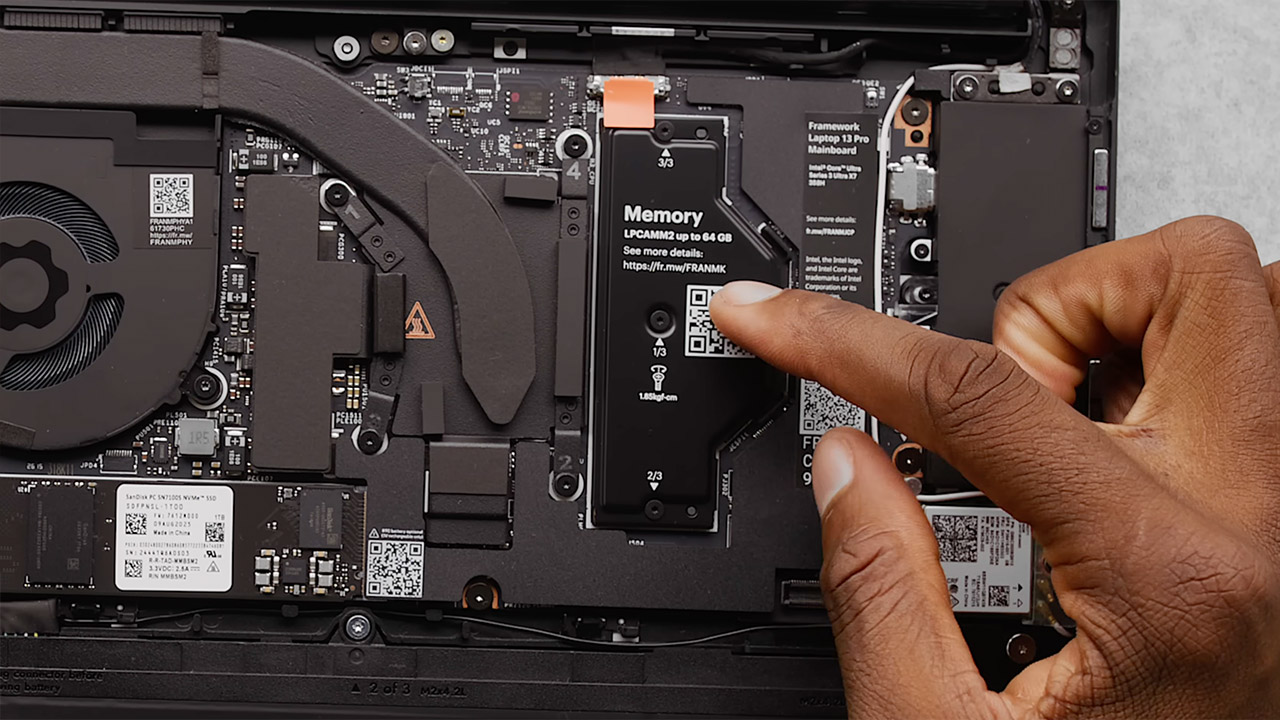
Internally, things have changed slightly with the new Intel Core Ultra Series 3 processors, known as Panther Lake. You may start with the Core Ultra 5 325 and work your way up to the X7 358H and X9 388H, or if you prefer AMD, the Ryzen AI 300 boards are still available. Memory has also changed; it now uses LPCAMM2 modules, which give those wonderful LPDDR5X speeds, and it is upgradeable, as previously. It comes in three capacities: 16 GB, 32 GB, and 64 GB. In terms of storage, the full PCIe 5.0 slot is back, allowing you to plug in drives up to 8 TB and achieve sequential speeds of over 14,000 MB/s.
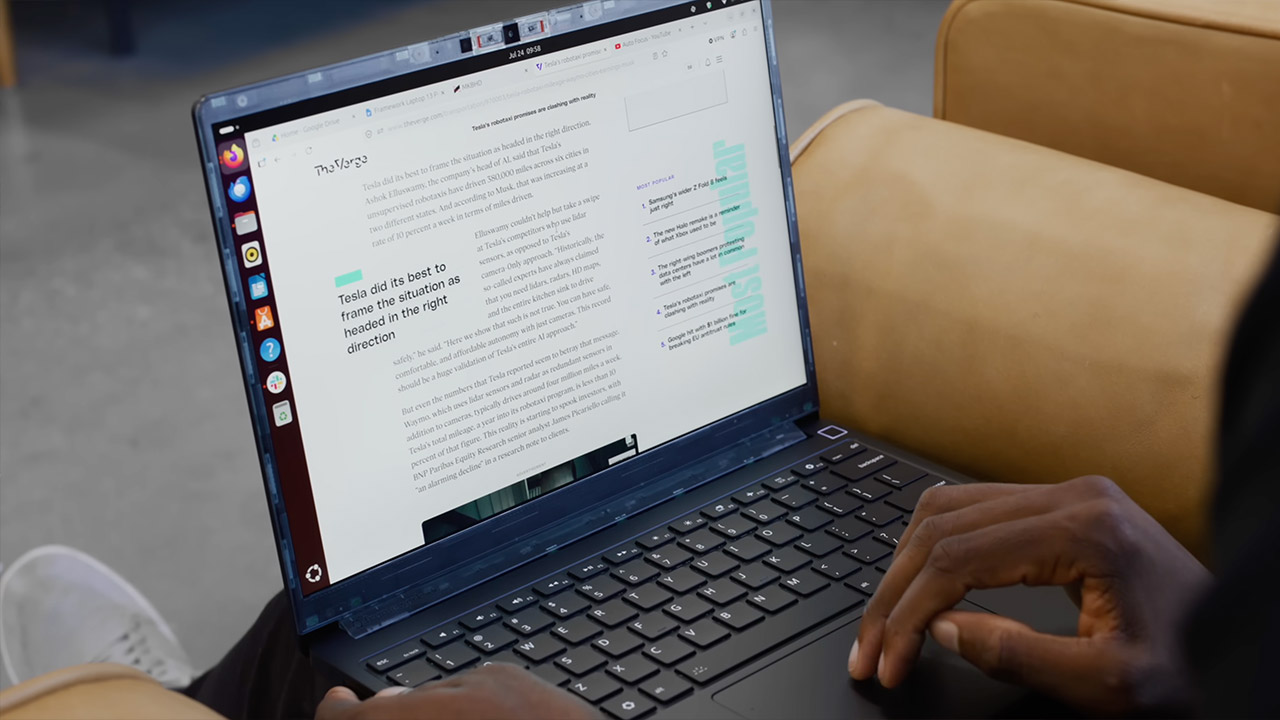
The battery now holds 74 watt-hours of power. Framework’s own research revealed that you can watch more than 20 hours of 4K Netflix on a single charge, a 12-hour improvement over the previous version. In a real-world office situation, you can expect 15 to 18 hours of mixed usage, depending on how bright the screen is and what the processor is performing, and a 100-watt GaN charger recharges the battery at a reasonable rate. Plus, replacing the battery is simple; simply unclip it after releasing the three captive fasteners.
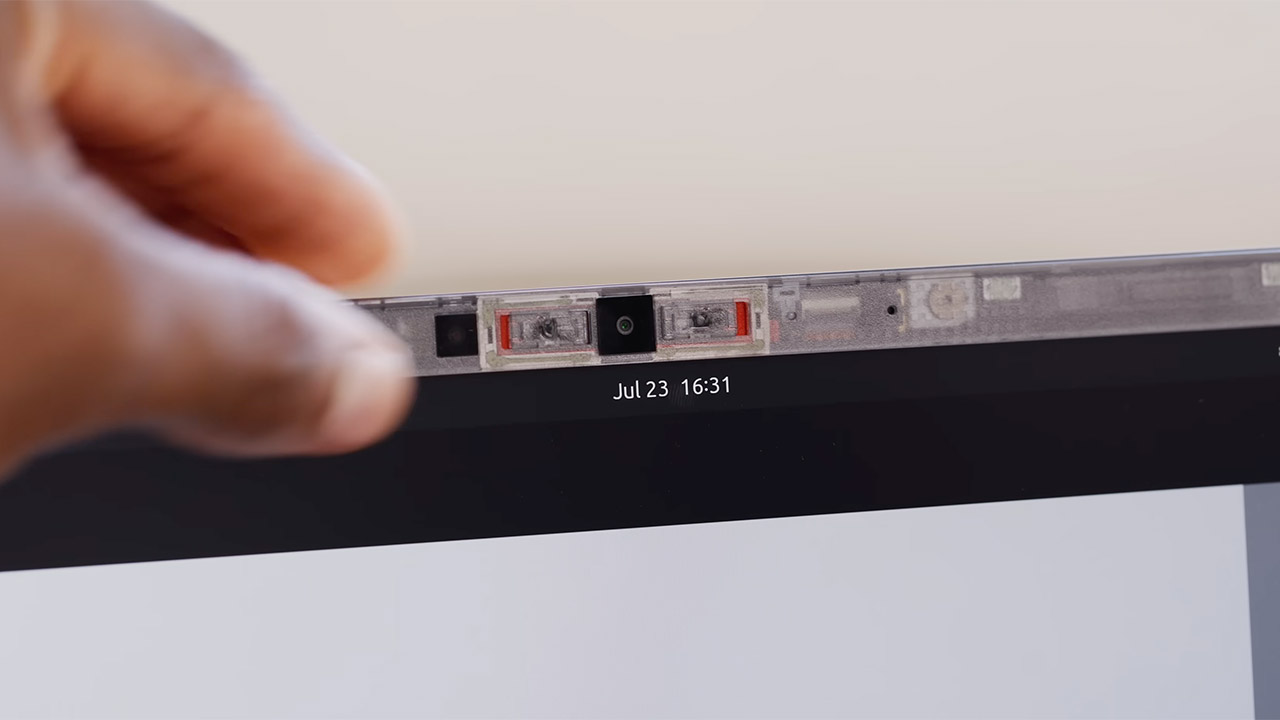
Then there are the expansion card slots, four in total, which allow you to organize all of your external connections. Each one includes Thunderbolt 4, DisplayPort 2.1, and high-wattage charging, as well as the option to use specific USB-C, HDMI, Ethernet, SD, or other modules and configure them as needed. The webcam is mounted behind a real shutter and can shoot 1080p at 30 frames per second. Not to mention the fingerprint reader, which is nicely built into the power button and works as well on Windows and Linux.
Modularity is still very much at the heart of Framework, since the mainboard and display kit can be dropped into the older 13 chassis with no effort. The opposite is also true: older boards can still fit into the new aluminum shell, assuming you slap on the larger battery and that extra input cover. Here’s where things get interesting: input covers, bottom cases, and batteries are all available separately, so you can upgrade a part at a time. The Ubuntu configuration that comes pre-installed on all of them is fully certified by Canonical, and Frameworks hardware receives regular firmware updates via the Linux Vendor Firmware Service. Windows is still an option for anyone who believes they require it.
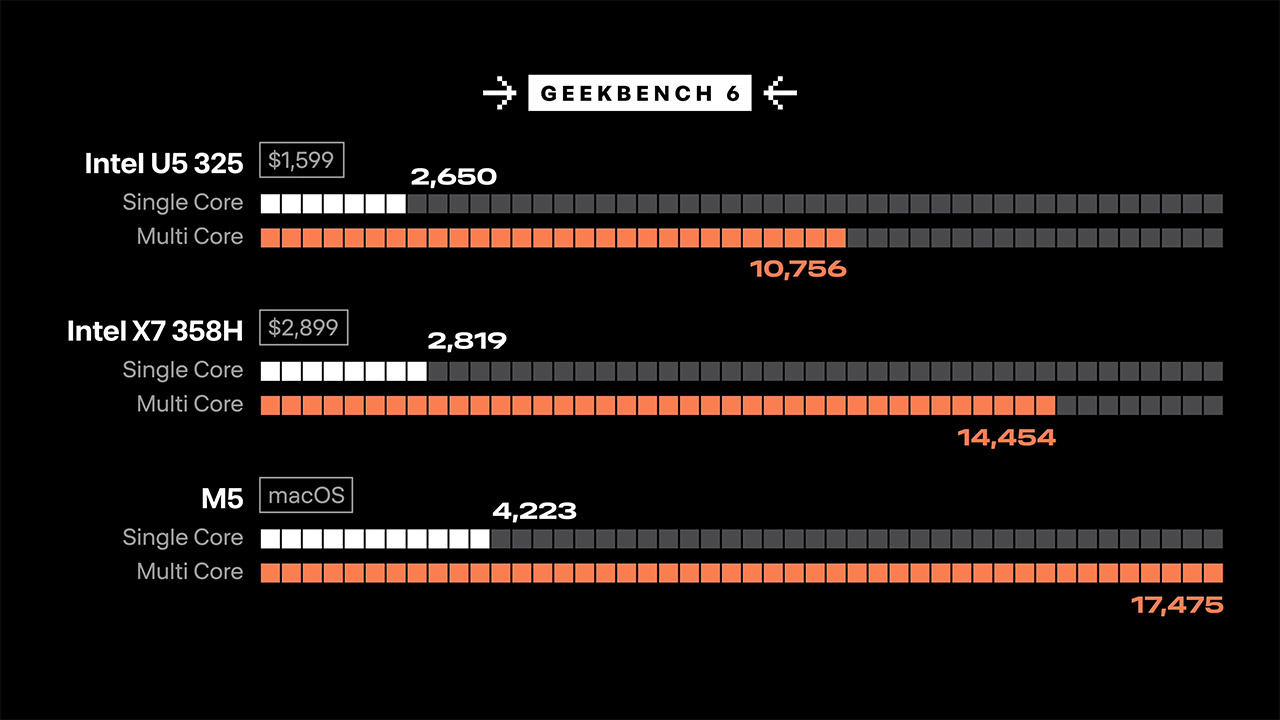
The DIY kit is priced at $1,199, but keep in mind that you will need to purchase RAM, storage, and your operating system separately. The fully assembled ones start a little higher, but they quickly rise when you start talking about higher-end processors, larger memory modules, and more storage. To be fair, recent pressure on LPCAMM2 modules has really driven up memory costs, so your final numbers can easily end up a fair bit higher than the entry price point. As it happens, shipping on the first batches has just begun.
You must be logged in to post a comment Login