Tech
He Borrowed the World’s Worst E-Bike and Turned Its Failures Into Features

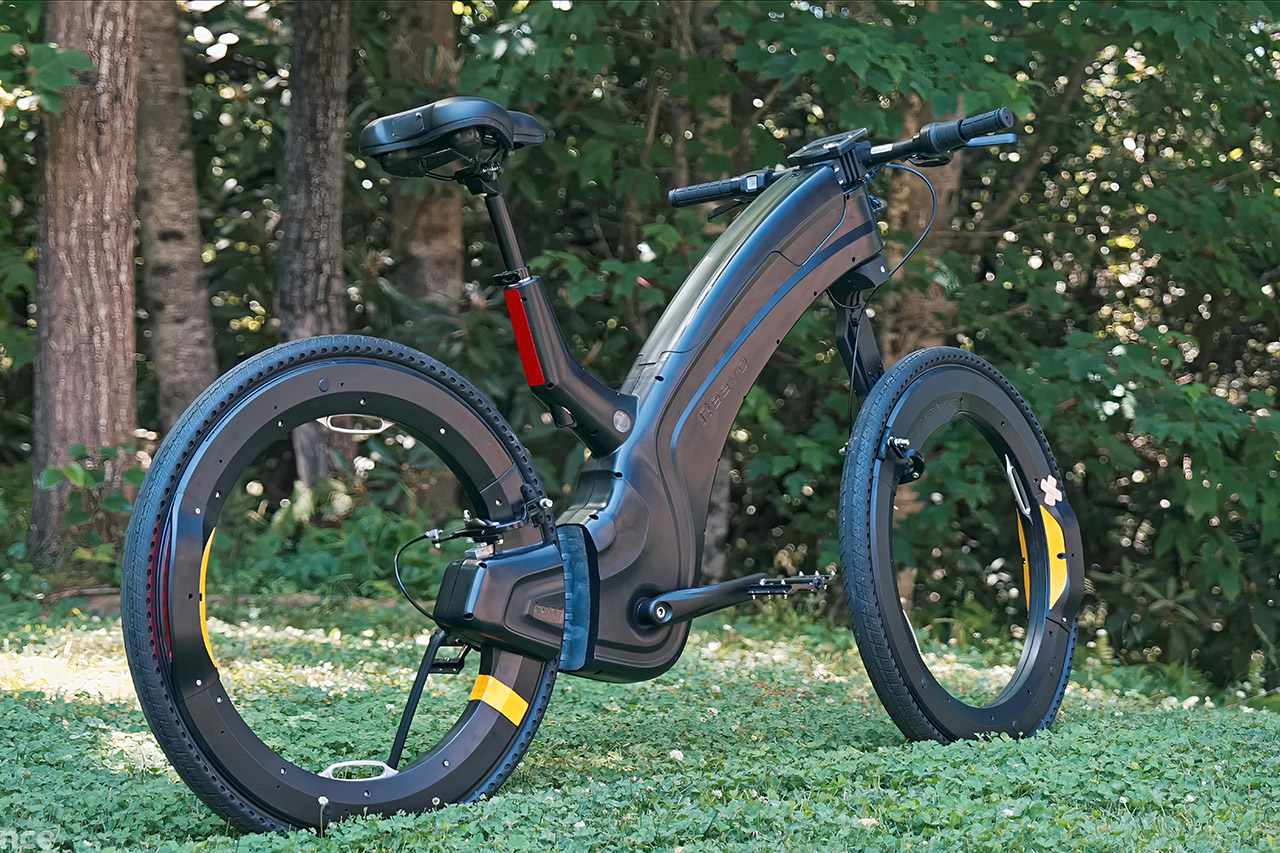
A viewer handed over a Reevo hubless electric bike with one clear condition. Fix it first, then bring it back better than before. The machine already carried a heavy reputation for every shortcut and oversight that can sink an ambitious design. Original plans leaned hard into a futuristic look. Large hubless wheels replaced traditional spokes. A sculpted body hid most of the mechanics. Nearly every useful function, from lights to wheel locks to performance modes, ran through a smartphone app. Once the company behind that app stopped supporting it, large parts of the bike simply stopped responding.


The construction of this bike mirrored the flaws in the software. Plastic panels were held up by inexpensive inserts that grew loose or broke with regular use. Exposed wires and unsecured shroud covers gave the frame the appearance of having been put together by someone who had never heard the term “professional job.” The motor was purposefully lowered in the first place, so even a minor climb would leave passengers pushing or walking. The brakes appeared rather feeble and frequently squeaked at you to let you know they were having troubles, and don’t get me started on the constant high-pitched whining from the extra headlamp component.


TST Electric Bike for Adults, 1500W Peak Motor 60 Miles Fat Tire E Bike 48V 15Ah Removable Battery…
- 【Excellent Motor Performance】This electric bike is equipped with a high-performance 750W motor(1500W peak power) with 2 to 3 speed settings…
- 【Upgraded Removable Battery】 Powered by a 48V 15Ah removable battery, the ebike can be fully charged in just 6-7 hours and can ride up to 60 miles…
- 【Comfortable Riding Experience】 This fat tire electric bike is equipped with front and rear suspension system, which absorbs most of the bumps and…
Seth from the Berm Peak channel decided to tackle this disaster. He started by pulling everything up. The controller and circuit board were housed within the main motor housing, and the labels could be read in English, which was remarkable. That made a big difference in understanding how everything worked, which was before a mystery. A four-wire serial cable was connected to a laptop running simple terminal software at 115200 baud, and data started to flow in.
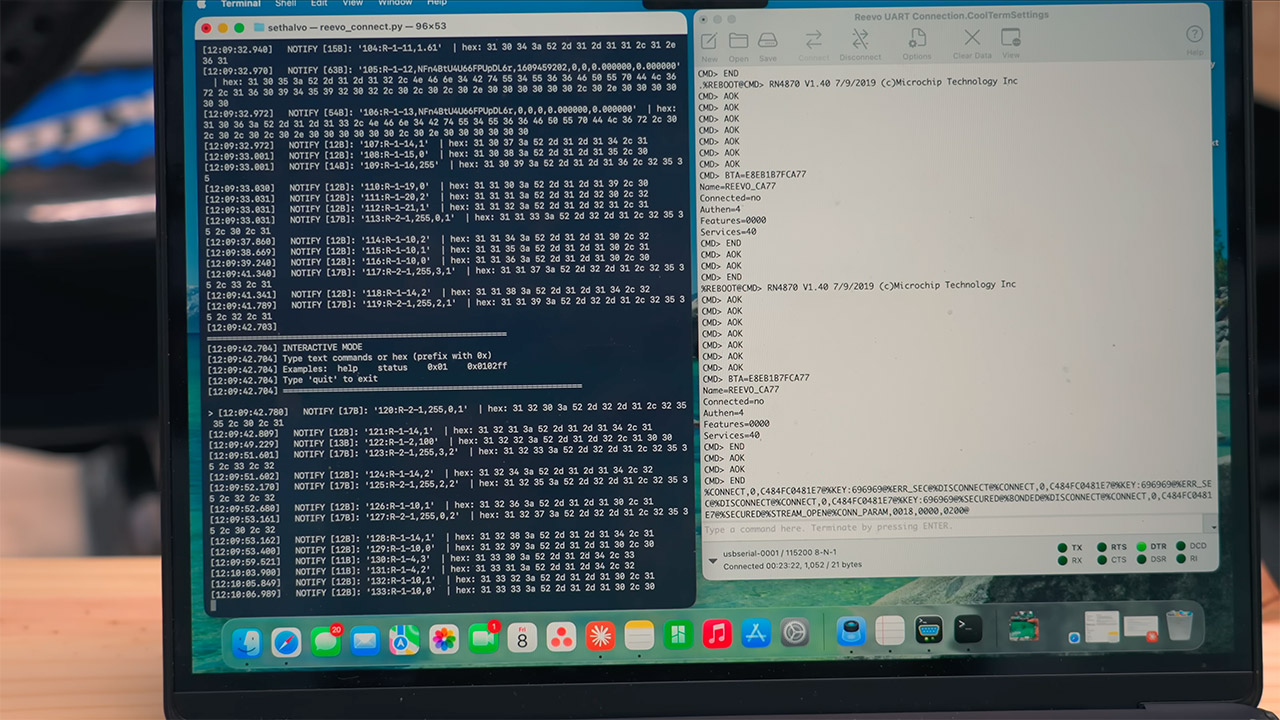
Next, he solved the Bluetooth problem; it turned out that the first pairing process merely spewed the password in plain text over the serial link, and one or two deliberate failed attempts yielded the code “696969”. With the key in hand, he had complete access of the bike’s internal controls. He could then look for an older Android app that explained what each button and sensor was intended to do in the first place. Button presses for assist levels, throttle, and brakes all produced consistent results that could be repeated and improved.

The bike’s OEM display was not working. Seth replaced it with a low-cost ESP32-S3 touchscreen board and wrote custom code to turn the small 2.8-inch LCD into a fully functional dashboard. Speed, battery percentage, and trip distance are all shown in a clear 7-segment format, and the touch screen allows you to adjust the headlight, badge light, kickstand lock, and pedal assist levels, ranging from basic eco mode to turbo. A PIN entry screen allows you to lock the bike when you park it, and extended brake squeezes now flash the lights to alert anyone nearby of a potential problem. To prevent the bike from starting moving on its own, an inactivity timer reduces help to zero after ten minutes.
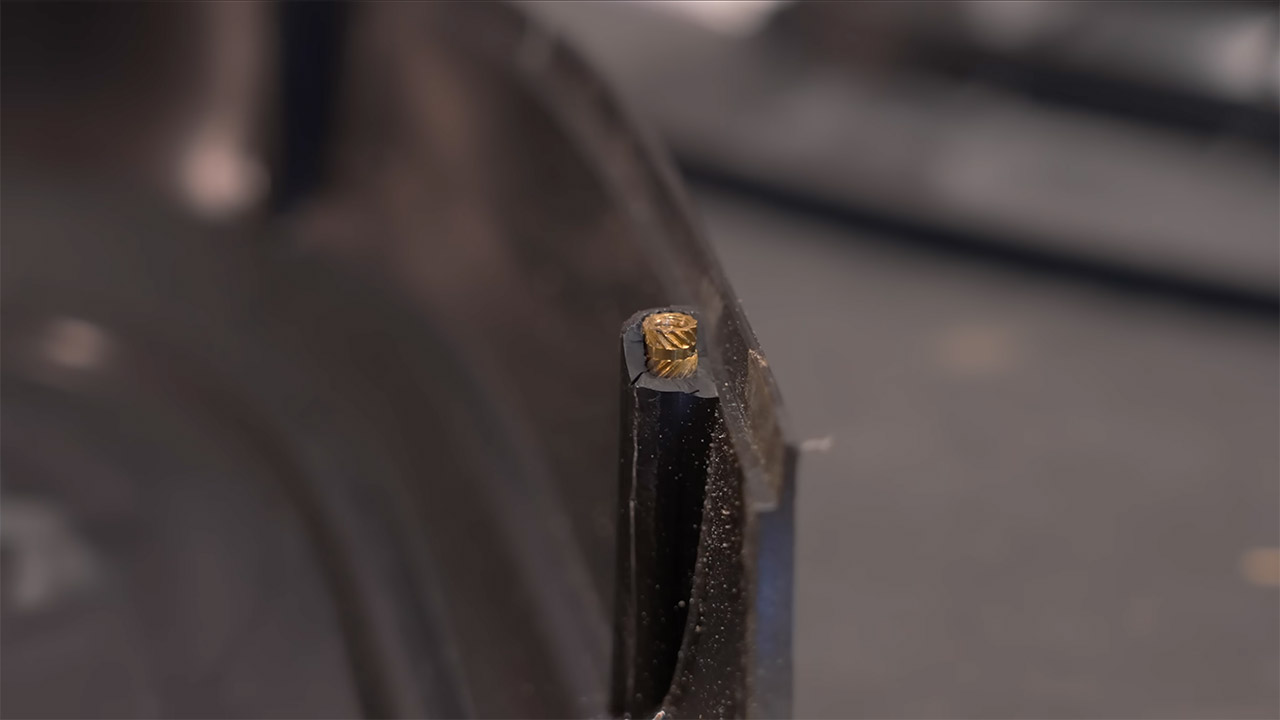
Physical repairs addressed the bike’s deteriorated body. He glued the shattered brass inserts within the plastic panels back into place using 3D-printed adapters. Cracks and holes were repaired with strips of yellow reflector tape, and that was it. The original grips were replaced with new ones. A noisy electroluminescent headlight transformer was replaced with a basic 12-volt LED, and the twisted kickstand was secured with loctite. The original brake pads were replaced, but the builder kept them since the noise provided a good warning to anyone around.
The most significant change came from the motor controller, where a firmware update fixed the artificial power limits that had been holding the bike back in the first place, allowing it to deliver the full 750 watts it was supposed to, and hills that had previously required effort now move along with a steady pull. The same controller work also allowed the new screen to govern the kickstand servo, ensuring that when the stand is erected, the wheel lock is promptly engaged.
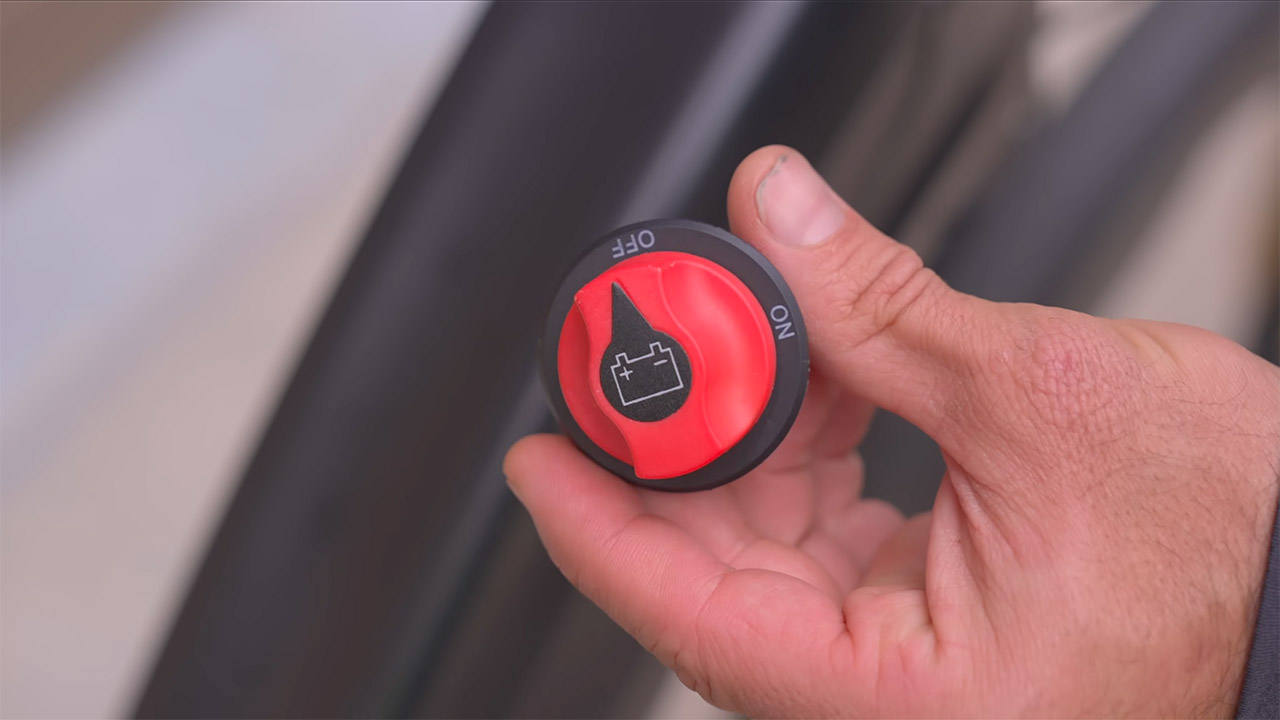
As he progressed, safety features were integrated throughout the interface, with warning flags on the screen screaming “turn off” if assist mode was left on and the bike was in risk of entering a terrifying runaway mode. You can simply adjust a few settings and send commands to the bike using the built-in wifi we configured, without having to redo the entire code, change the PIN, update the bluetooth key, or communicate whatever you want, all without installing any additional software. The good news is that most of these modifications will remain without having you to modify the firmware.
Tests confirmed that everything eventually added up. The panels stopped moving and rattling on their mounts. The screen would come to life when you touched it. Even after the issue with the app was resolved, the lights and signals continued to function properly. The power appeared adequate, and you could rely on it not to do anything foolish. Most importantly, the machine began to feel like a bike you could ride every day, rather than a dismal reminder of how much work needed to be done to make it perfect.
[Source]
You must be logged in to post a comment Login