Tech
HiFi Rose RW800 ROSE AIR Lite Adds TIDAL Connect, Qobuz Connect and Roon Ready Support to Existing Systems

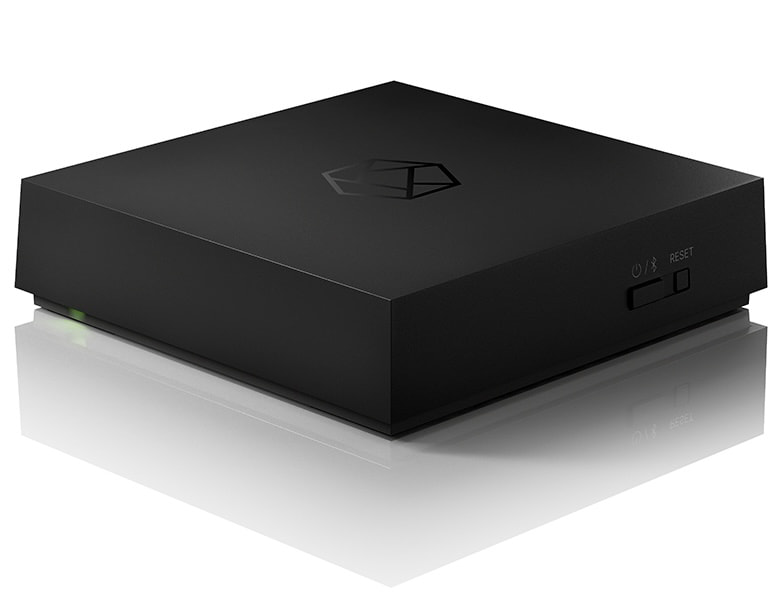
HiFi Rose has officially launched the RW800 ROSE AIR Lite, a compact streaming expansion module designed to bring newer network audio features to existing Hi-Fi systems without forcing owners to replace the hardware they already own.
That sounds simple enough. It is not.
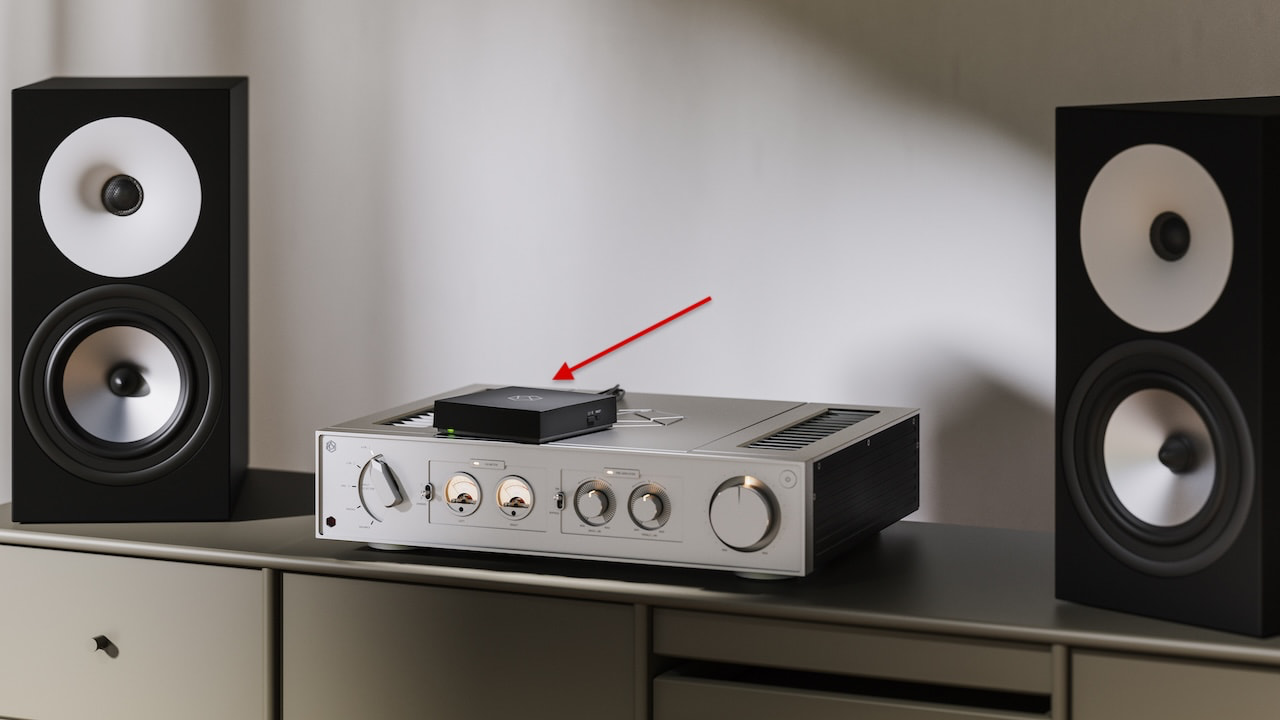
The RW800 is both a standalone network streamer and an expansion module for compatible HiFi Rose components. In standalone mode, it can connect to an amplifier, active loudspeakers, or an external DAC. In expansion mode, it connects to select HiFi Rose products and adds modern streaming support that some owners have been asking about for a long time.
HiFi Rose announced the RW800 through its official community site on July 7, confirming that pre-orders are available through authorized dealers and that a launch promotion for existing HiFi Rose customers runs through September 30, 2026. Regional pricing and promotion details will depend on local dealers, so U.S. buyers should confirm availability and final pricing with an authorized HiFi Rose retailer.
Related Reviews:
Why the RW800 Matters

HiFi Rose has built its reputation on large touchscreen streamers, attractive industrial design, and a software platform that combines music, video, internet radio, local playback, CD ripping, and streaming services. The problem is that streaming services do not stand still. TIDAL Connect, Qobuz Connect, Spotify Connect, AirPlay 2, Google Cast, and Roon Ready support are no longer fringe features. For many listeners, they are the way they actually use a streamer.
That has created tension inside the Rose ecosystem.
HiFi Rose owners have been asking about TIDAL Connect and broader Connect-style support for years. In April, a HiFi Rose representative said the company encountered technical difficulties trying to add TIDAL Connect to existing hardware and developed the RW800 to support TIDAL Connect and other functions that could not be added through firmware updates alone.
That makes the RW800 more than another small streamer. It is HiFi Rose’s answer to a real platform problem.
For current Rose owners, the RW800 may be the most practical way to add features that competing streamers already include natively. That is both useful and slightly awkward. When someone spends serious money on a network player, they expect the software side to age gracefully. The RW800 suggests that HiFi Rose knows some customers need a bridge to get there.
What the RW800 Does
The RW800 supports TIDAL Connect, Qobuz Connect, Spotify Connect, AirPlay 2, Google Cast, Roon Ready, Bluetooth 5.2, dual-band Wi-Fi, Ethernet, and USB audio. HiFi Rose also lists high-resolution playback support up to PCM 32-bit/384kHz and DSD128.
The key feature is its two-mode design.
In Expansion Mode, the RW800 works with compatible HiFi Rose components, adding newer streaming capabilities to the existing Rose system. HiFi Rose has specifically discussed compatibility with products including the RS130, RS150, RS451, RS151, and RS201. Dealer materials also list the RS250A among compatible products.
In Standalone Mode, the RW800 acts as a compact network streamer for non-Rose systems. That means it can be used with an integrated amplifier, powered speakers, or an external DAC. For someone with an older but still excellent audio system, that may be the cleaner use case: keep the amplifier and speakers, add the streaming layer, and avoid buying a larger touchscreen streamer just to access modern services.


RW800 Core Features
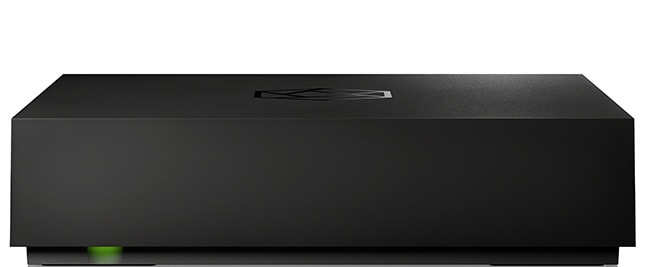
The RW800 is small enough to hide in a rack or place on a desktop, but the feature set is broader than the footprint suggests.
- Product type: Streaming expansion module and standalone network streamer
- Operating modes: Expansion Mode for compatible HiFi Rose components and Standalone Mode for other audio systems
- Streaming support: TIDAL Connect, Qobuz Connect, Spotify Connect, AirPlay 2, Google Cast, Roon Ready, DLNA/UPnP, and Bluetooth
- Playback support: PCM up to 32-bit/384kHz and DSD128
- Wireless and network connectivity: Bluetooth 5.2, dual-band Wi-Fi, and Ethernet
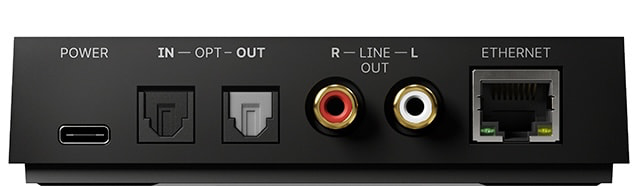
- Digital connectivity: Optical input and optical output, with USB audio used for Rose system integration
- Analog output: Stereo RCA output for connection to an amplifier or powered speakers
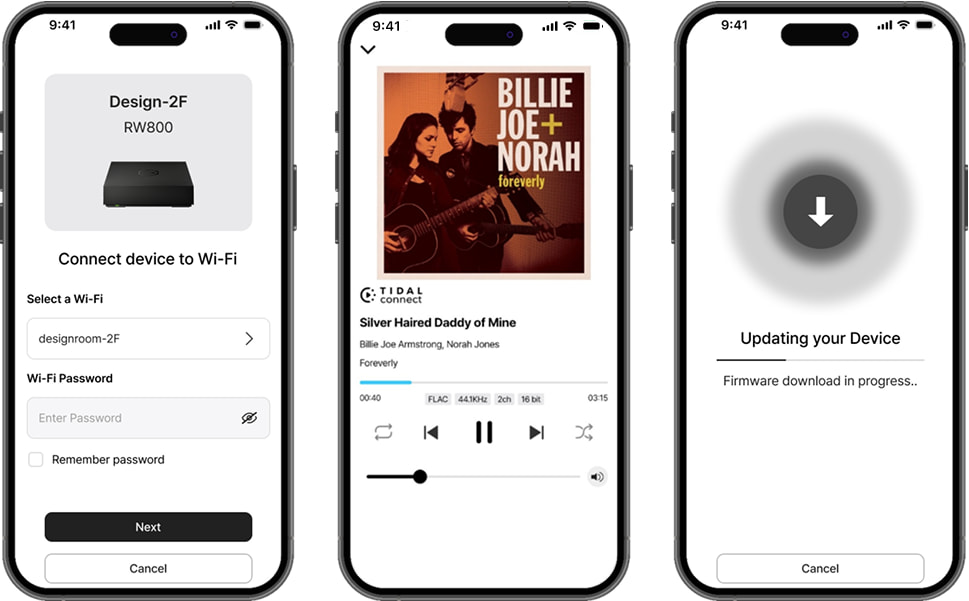
- Control: ROSE AIR app for iOS and Android

Who Is It For?
The RW800 makes the most sense for three groups of listeners.
The first group is existing HiFi Rose owners who like their hardware but want newer app-based streaming support. If you own a Rose streamer and have been waiting for TIDAL Connect, Qobuz Connect, Spotify Connect, AirPlay 2, or Google Cast support to become easier to use, the RW800 is aimed directly at you.
The second group is anyone with an older amplifier, active loudspeakers, or external DAC who wants a compact streaming front end without buying a full-size network player. In that context, the RW800 is less of a Rose accessory and more of a small streamer that happens to come from a brand known for premium network audio products.
The third group is the listener who wants Roon Ready, Connect-style streaming, and Bluetooth in a small box but does not need HDMI ARC, a large touchscreen, phono input, room correction, or preamp features.
That last point matters because the RW800 is not trying to be a WiiM Ultra, Bluesound NODE, Cambridge Audio CXN100, or Eversolo DMP-A6. It is more focused than that. Whether that focus is a strength or a limitation will depend on the system.

What Makes It Unique
Most affordable streamers are designed as standalone boxes. The WiiM Ultra, Bluesound NODE, Cambridge Audio MXN10, Volumio Primo V3, and Eversolo DMP-A6 all expect to be the streamer in the system.
The RW800 is different because it also works as an ecosystem extension. It can serve as a compact standalone streamer, but its more unusual role is as an add-on module for existing HiFi Rose owners. That is not common, and it gives the RW800 a very specific reason to exist.
There is a fair criticism here. Should owners of expensive streamers need an external module for features like TIDAL Connect and Spotify Connect? Probably not. But there is also a practical answer: if the main Rose hardware still performs well and the missing features cannot be added cleanly through software, a compact add-on is better than telling customers to replace an entire component..
Competitors?
The WiiM Ultra is the obvious value rival for anyone starting from scratch. It offers a touchscreen, broad streaming support, HDMI ARC, phono input, subwoofer output, room correction, and preamp features at a very aggressive price. If you do not need Rose integration, the WiiM Ultra remains one of the hardest products in the category to ignore.
The Bluesound NODE is the more established multiroom alternative. BluOS remains one of the strongest streaming platforms in consumer audio, and the current NODE is a better fit for users who want HDMI eARC, app maturity, broad service support, and a larger ecosystem of wireless speakers and components. eCoustics recently reviewed the Bluesound NODE as a $750 streamer competing directly against WiiM and Cambridge.
The Volumio Primo V3 is another relevant comparison because it supports TIDAL Connect, Qobuz Connect, Spotify, Roon Ready operation, and Volumio Premium in a more conventional standalone streamer. eCoustics covered the Primo V3 as a streamer focused heavily on software flexibility and app-based control.
The Ferrum BROEN sits higher up the food chain as a network streaming transport for external DAC users. It is powered by Volumio and supports Spotify Connect, TIDAL Connect, Qobuz Connect, AirPlay via Shairport Sync, UPnP/DLNA, Bluetooth playback, USB storage, NAS playback, and CD playback and ripping. It is not really the same buyer as the RW800, but it belongs in the broader conversation about external streaming bridges and transports.
The Eversolo DMP-A6 Gen 2 and related Eversolo models are the larger-screen alternatives for buyers who want a more complete standalone component with local storage options, touchscreen operation, and a fuller hardware interface. The RW800 is smaller and more focused. Eversolo is more of a full-featured front end.
The Bottom Line
Streaming compatibility now matters as much as the DAC, chassis, power supply, and display. For many listeners, the best streamer is not the one with the most impressive spec sheet. It is the one that works cleanly with the services they already use.
The RW800 gives HiFi Rose owners a path to newer streaming features without replacing their existing hardware, and it gives non-Rose users a compact way to add modern network playback to an older system. It also raises an uncomfortable but necessary question about how long premium streamers should remain current in a software-driven audio world.
HiFi Rose deserves credit for offering a solution. Whether the RW800 feels like a clever upgrade or a workaround will depend on the system, the owner, and how much patience they have left for streamer software drama. In 2026, that patience is not exactly in surplus.
For more information: hifirose.com/product/rw800
You must be logged in to post a comment Login