Tech
HiFiMAN HE600 Open-back Headphones Review: Can It Really Replace the Legendary HE-6?

Long-term readers will know that I have something of a love affair with the original HiFiMAN HE-6. Not one of the later revisions carrying the same name, but the original version that arrived 16 years ago and, to my ears, remains one of the finest headphones HiFiMAN has ever produced.
That distinction has become increasingly important because the HE-6 name has been used across several versions over the years, and they do not all sound the same. Depending on which HE-6 you audition, it can be remarkably easy to wonder what all the fuss was about. Those who have only heard the later iterations have not necessarily heard the headphone that created the legend in the first place.
The original HE-6 was expensive, technologically ambitious, brutally difficult to drive, and produced in relatively limited numbers. It was also capable of a level of dynamics, transparency, speed, and sheer physicality that helped establish HiFiMAN as a serious force in planar magnetic headphones. Finding one today—particularly an early 6-screw HE-6 in excellent working condition is neither easy nor cheap. Clean examples can command $1,500 or more, making the original HE-6 one of the relatively few high-end headphones that has actually appreciated in value.
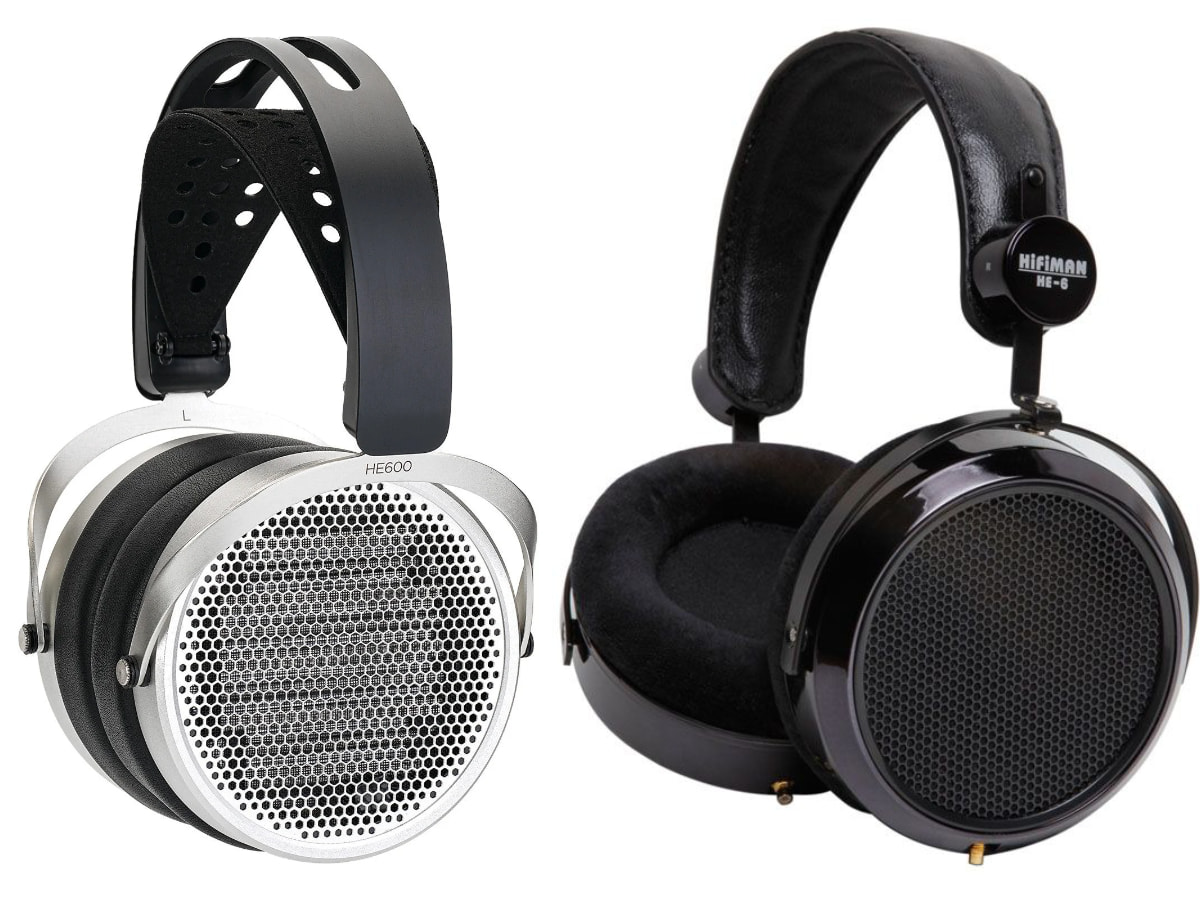

Sixteen years later, the HiFiMAN HE600 arrives carrying more than a little historical baggage.
Calling it another HE-6 would be too simplistic. The HE600 is better understood as a modern reimagining of the concept, built around HiFiMAN’s current driver technology and engineering rather than an attempt to recreate the original component by component. Almost everything has changed. The drivers are lighter and faster, amplification requirements are considerably less punishing, durability has been addressed, and the industrial design retains enough of the circular HE-6 aesthetic to make the family resemblance obvious.
That creates a much harder question than whether the HiFiMAN HE600 sounds good.
Can HiFiMAN take everything it has learned over the past 16 years and create a modern planar magnetic headphone that captures some of what made the original HE-6 so extraordinary without simply trying to resurrect it?
For those of us who never thought the original needed replacing, the answer carries considerably more weight.
Related Reading:
Build, Fit, and a Much-Needed Diet

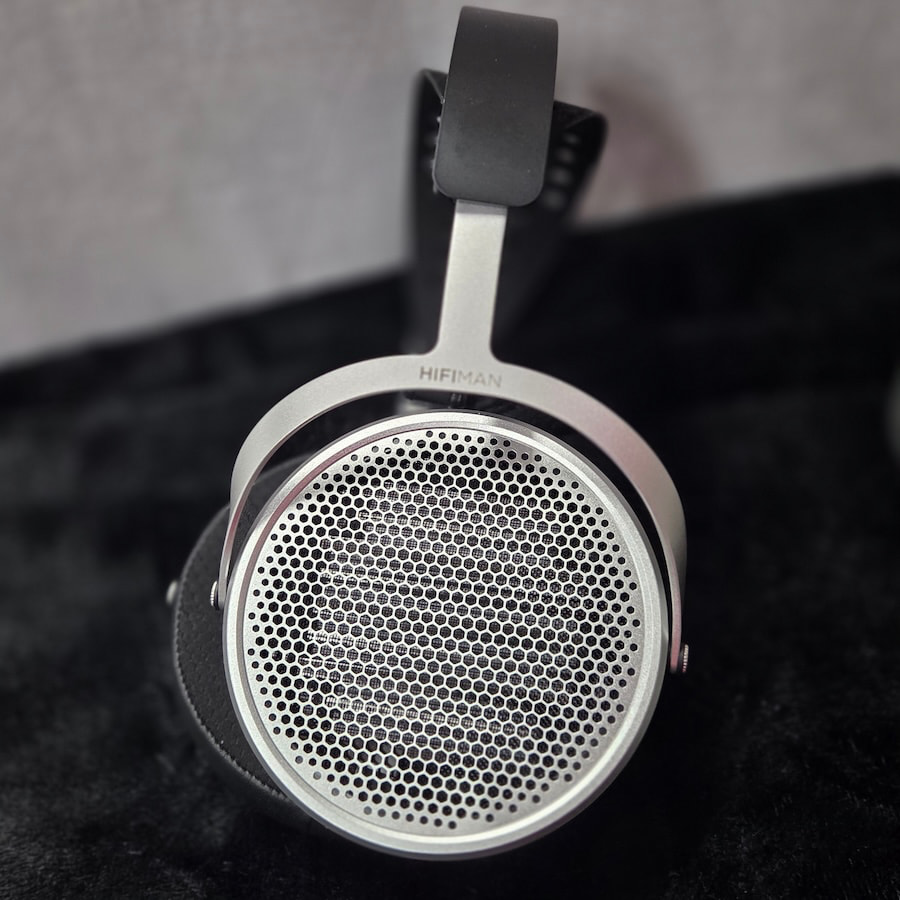
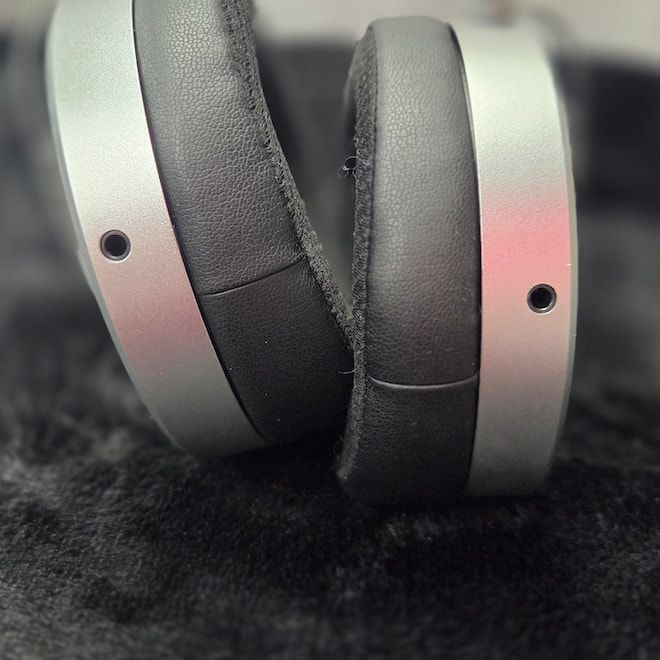
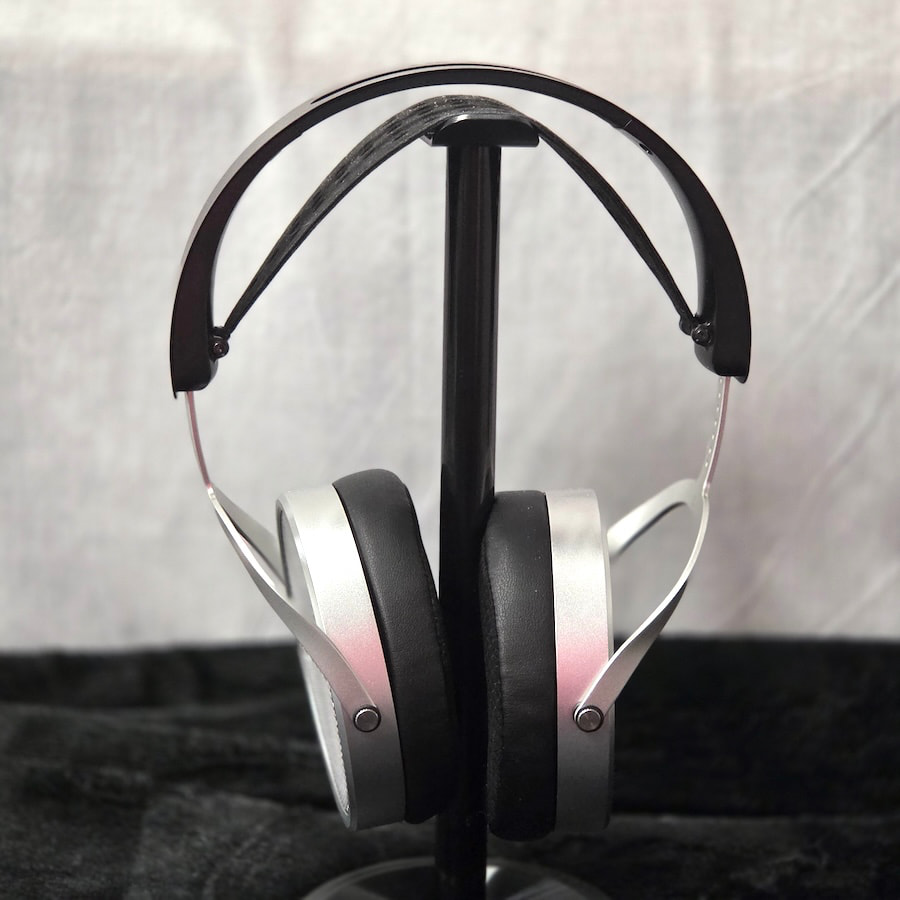
The HE600 is no doubt a HiFiMAN product. The resemblance to the HE400 series and HE-560 is immediately evident. The large-diameter circular earcups, divided front to back between a brushed-metal outer section and black leather inner layer, remain true to the company’s earlier models before the teardrop shape became its signature.
The honeycomb grille also harkens back to some of those earlier designs, although the HE600 uses larger openings to improve airflow and reduce interference. The overall aesthetic is understated, much like the original HE-6, but the brushed metal is arguably a step up in terms of finish.

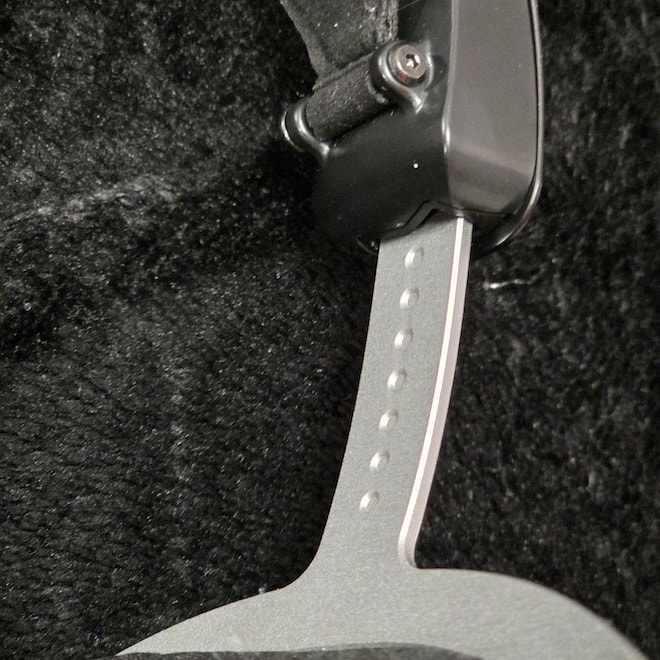
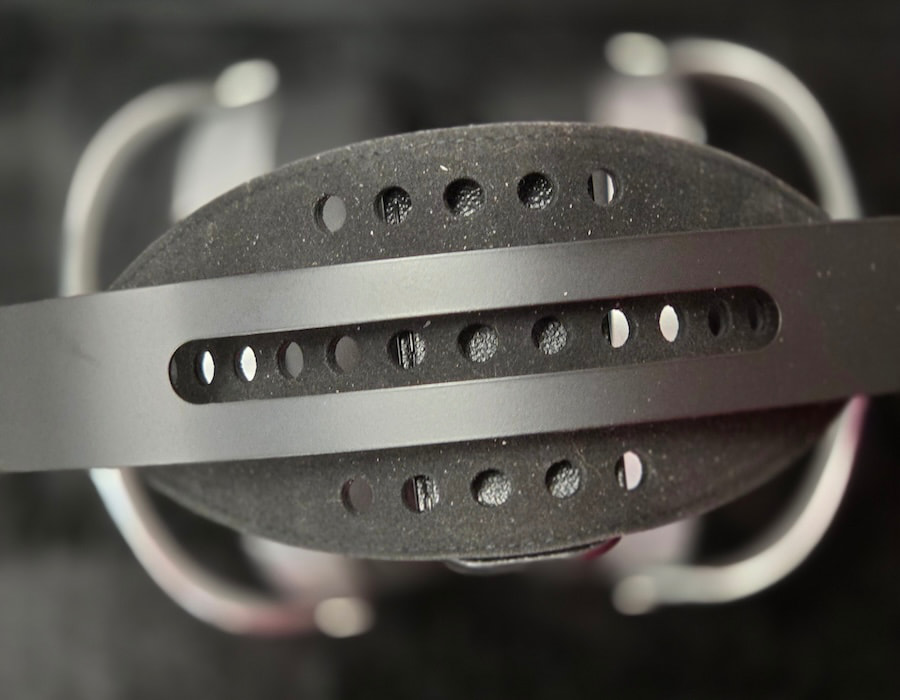
The yokes feature click adjustments, with visible dimples along the inside of the band, and mate with a black steel outer headband and polymer inner section. The headband is solid at both ends, while material has been removed from the center section to reduce weight.
A composite leather suspension strap attaches beneath the narrower portion of the headband before widening to nearly 2.5 inches at the center to distribute weight more evenly across the head. The assembly has enough flexibility to accommodate a wide range of head sizes, and there is sufficient rotation at the yoke/headband junction to work with most head shapes. There is no visible hinge along the vertical axis, but it is there, cleverly hidden within that junction.
At 389 grams, the HE600 is still not a light headphone, but for many listeners, the weight of the original HE-6 was not some abstract specification. It was the central problem.
My original HE-6 weighs 543 grams on my postal scale; more than half a kilogram. To comfortably wear one all day, you would need the neck of Brock Lesnar or perhaps an NFL linebacker. I am not a small person, and as much as I loved the sound, the weight was always an issue.

The HE600 reduces that burden enough that I had no trouble wearing it for three to four hours at a time. Yes, it can still become fatiguing, but it takes considerably longer before things become genuinely uncomfortable.
The HE600 uses HiFiMAN’s FocusPad design, combining memory foam with pleather and soft velour surfaces. The mixed-material approach makes sense. Pleather helps maintain a good seal around the ear and preserves low-frequency consistency, while the velour reduces the sticky, heat-trapping sensation that can make fully synthetic pads unpleasant during longer listening sessions.
The pads are also large enough to accommodate most ears, and their tapered profile helps improve fit and comfort. The HE600 is still a headphone best reserved for quiet, seated listening, but the improvement over the original cannot be denied.
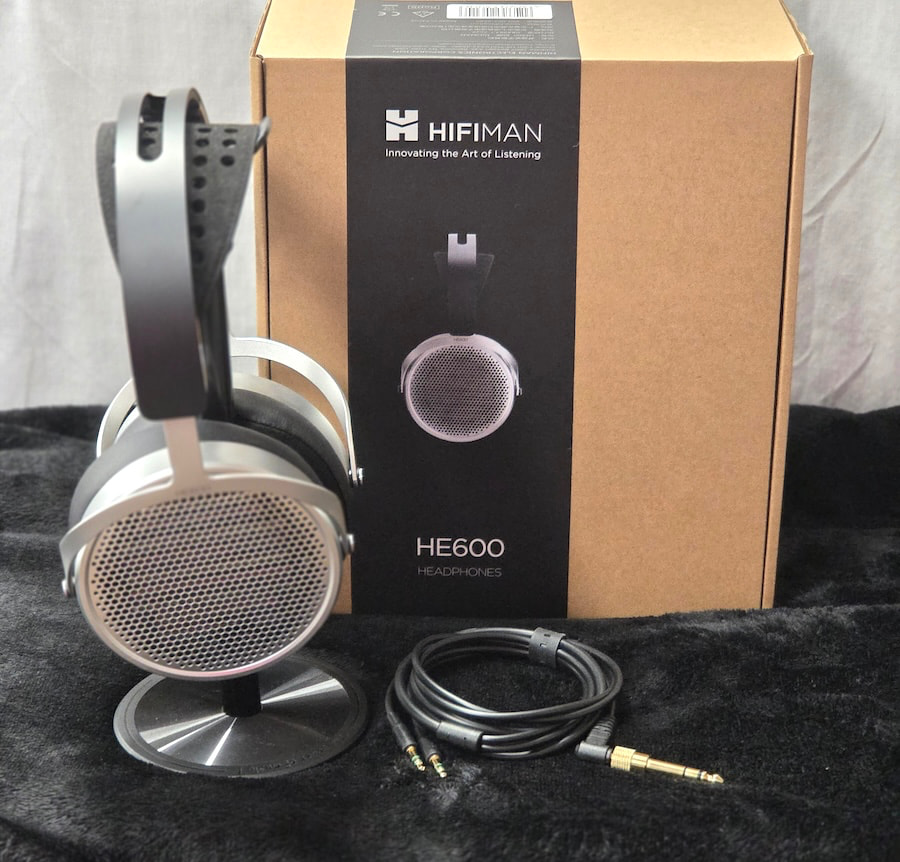
Connectivity is handled by dual 3.5 mm connectors at the earcups, with the supplied cable terminating in a 3.5 mm plug for source devices. HiFiMAN also includes a 6.35 mm adapter.
The earcup connectors are angled by approximately 10 degrees, with the stated goal of reducing mechanical stress and improving long-term cable reliability. That is a welcome refinement. Straight connectors can place unnecessary leverage on the socket, particularly when the cable drops sharply toward the listener’s shoulders.
The use of standard 3.5 mm connectors also makes cable replacement straightforward. A simple cable swap allows the HE600 to be used with balanced sources or an XLR-equipped amplifier instead of the supplied single-ended 3.5 mm cable.
Internals: Sixteen Years of Planar Progress
While the outside of HiFiMAN headphones can sometimes look a little industrial and pedestrian, nobody can deny that what is inside the earcups is usually state of the art. HiFiMAN has specialized in planar magnetic drivers since its earliest models, and most of the current lineup incorporates some variation of that technology.
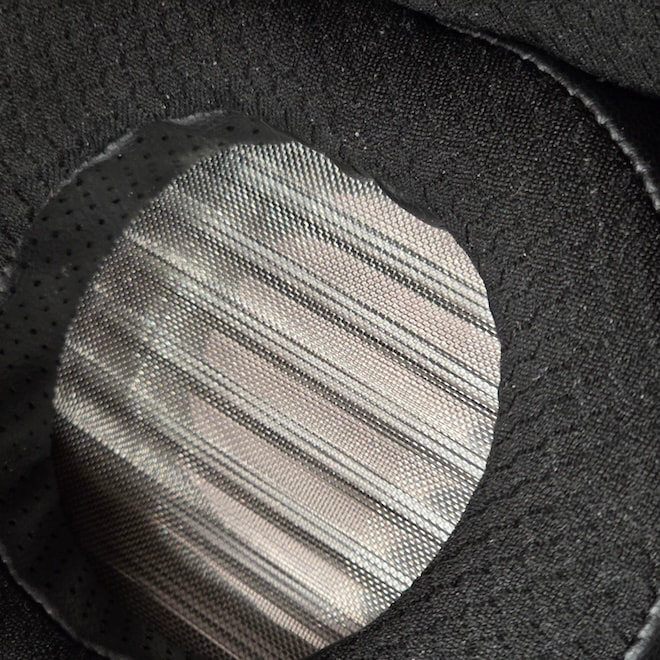
Planar magnetic drivers use a thin membrane with conductive traces that carry the electrical signal. That membrane moves toward or away from an array of magnets depending on the voltage and current being applied. The theoretical advantage is that the driving force is distributed across a much larger surface area than with the voice-coil arrangement used in a conventional dynamic driver. When the diaphragm and magnet geometry are properly executed, that can improve control, transient response, and distortion performance.
HiFiMAN describes the HE600 as using an Enhanced Magnet system based on rare-earth-free permanent magnetic materials with an optimized structure. The move away from rare-earth magnets is worth noting. These materials are costly and place additional pressure on supply chains, so I applaud HiFiMAN for pursuing an alternative approach rather than assuming that stronger and more exotic magnets are automatically the only path forward.
The magnets also need to be more than merely powerful. They must be small and carefully positioned because, while strong interaction between the diaphragm and magnetic structure is essential, unrestricted airflow is equally important. Large magnets sitting directly in the path of the sound would create their own problems.
HiFiMAN provides considerably more detail about the diaphragm itself, which it calls the NEO Supernano Diaphragm. This is an ultra-thin dielectric polyester/plastic substrate film with a microscopic conductive coating that forms the electrical trace across its surface.
The challenge is not simply making the diaphragm as light as possible. It also needs sufficient rigidity to behave properly across its entire surface. Reduce the mass too far without maintaining structural control and you have merely traded one problem for another.
The moving mass of the HE600 driver is claimed to be only 40% that of the original HE-6. Sixteen years separate the two headphones, and that figure offers some perspective on just how far diaphragm materials and manufacturing techniques have advanced during that period.
The new driver has a nominal impedance of 28 ohms and a sensitivity of 94 dB/mW, both substantial departures from the original HE-6. Frequency response is specified at 8 Hz to 65 kHz, which extends well beyond what any human being is going to hear and probably into territory better appreciated by the neighborhood bats.
More importantly, the HE600 is dramatically easier to drive.
For those unfamiliar with the original HE-6, HiFiMAN actually sold an adapter that allowed owners to connect the headphones directly to the speaker taps of a two-channel power amplifier. Portable sources need not apply, and even many dedicated desktop headphone amplifiers lacked sufficient output to drive the original HE-6 with adequate headroom.
The HE600 removes much of that complication, opening the door to a far wider range of headphone amplifiers, DAC/amps, and portable sources without abandoning the planar magnetic architecture that made the HE-6 so compelling in the first place.
Specifications:
- Type: Open back, over ear headphones
- Driver Type: Planar magnetic
- Diaphragm: 2nd Gen NEO Supernano Diaphragm
- Magnet System: Rare earth free Enhanced Magnet design
- Frequency Response: 8 Hz to 65 kHz
- Impedance: 28 ohms
- Sensitivity: 94 dB
- Weight: 389 grams (13.72 oz)
- Ear Pads: FocusPad with memory foam, pleather, and velour surfaces
- Headphone Connectors: Dual 3.5 mm
- Included Cable: 1.5 meter detachable cable with 3.5 mm termination
- Included Adapter: 3.5 mm to 6.35 mm
Listening
In order to be considered a spiritual successor to the HE-6, the HE600 needs to deliver an inspired combination of speed, dynamics, resolution, and a relatively full-bodied tonal balance. Those were the expectations I carried into my listening sessions, but I deliberately avoided an immediate A/B comparison with the original HE-6 because I felt the HE600 deserved to be judged on its own first.
What follows are my listening impressions of the HE600 as I would evaluate any other headphone, followed by a direct comparison with the original HE-6.
Bass
Sub-bass extension is better than expected, especially considering that one of the perennial issues with large planar magnetic headphones has been a lack of genuine bass authority. No, the HE600 will not satisfy listeners looking for a significant boost in the bottom end, but it is a far cry from some earlier planar designs that rolled off steeply below 50 Hz.
Depth is good and clarity is even better, so what the HE600 gives up in absolute quantity it compensates for with control and definition. Mid-bass is slightly more prominent, adding some welcome warmth without becoming loose or bloated in the process.
Midrange
The transition from the mid-bass into the lower midrange is seamless, with no obvious bleed or obstruction. Lower-register vocals have good weight and sit slightly ahead of the instrumentation, although not dramatically so.
Electric guitars have good attack and plenty of growl, while acoustic guitars benefit from strong texture and tonal nuance. Strings also have good energy, aided by a lower-treble lift that pushes upper-register vocals somewhat forward in the mix. On some recordings, those higher voices can sit a full step ahead of lower-register vocals.
Treble
The lower treble is moderately elevated before beginning to fall away above roughly 10 kHz. The result is an open top end with enough air and sparkle to keep things interesting, although it stops short of the expansive presentation offered by some of HiFiMAN’s more expensive models.
Cymbals have good ring and decay, while percussion has sufficient snap without becoming sharp or fatiguing. There is still enough treble energy here that listeners who are particularly sensitive in that region should audition before buying, but the HE600 generally avoids crossing the line into abrasive territory.
Soundstage and Imaging
The soundstage is moderately sized, with good width and depth and enough height to allow movement around the stage to be tracked convincingly. Imaging and layering are both quite strong, helped by the driver’s fast decay and clean separation between instruments.
Seating an orchestra is straightforward, with no obvious overlaps or unnatural gaps between sections. The resulting presentation feels proportionate and believable rather than artificially stretched beyond the boundaries of the recording.
HE600 vs. the Original HE-6
Overall, the HE600 does a lot of things very well, but is it an HE-6 clone?
In a word, no.
The tonal balance is similar in some respects but noticeably different in others. To my ears, the original HE-6 still offers greater resolution, and anyone expecting the HE600 to completely reproduce that aspect of its performance will find that it stops short.
Bass extension, however, is better on the HE600, while the original HE-6 extends more convincingly at the top end. That alone shifts the tonal balance of the two headphones in different directions.
The HE600 sounds somewhat fuller and weightier, while the HE-6 remains the faster and more technically incisive headphone. The treble emphasis is also more pronounced on the HE600, so listeners who are particularly treble-sensitive are unlikely to love either model and may actually find the HE600 to be the bigger offender.
There is little question that the original HE-6 remains the more technically capable performer, but there are also substantially higher barriers to extracting that performance.
Finding an early HE-6 in excellent condition can easily cost enough to purchase two HE600s, and that is before dealing with amplification. The original is notoriously demanding and requires an amplifier capable of delivering serious current and headroom. Something like the xDuoo TA-30 is probably near the lower end of where I would start, while more powerful desktop amplification from Benchmark, Pass Labs, or something similarly capable makes considerably more sense.
The HE600 presents an entirely different proposition.
It worked extremely well with the Questyle M18i Max connected to my phone, while the original HE-6 sounds flat, dynamically restrained, and largely lifeless with probably 99% of the portable headphone gear currently available.
That does not mean the HE600 is particularly easy to drive. It remains more demanding than models such as the Ananda, and pairing it with an unpowered dongle may leave you underwhelmed—or watching your phone battery disappear at an impressive rate.
The HE600 is easier to drive than the headphone that inspired it, but this is still fundamentally a headphone designed for serious desktop listening rather than something I would build a portable system around.

The Bottom Line
The HiFiMAN HE600 leaves me with mixed emotions. Paired with a potent portable or desktop amplifier, it is warm, full-bodied, technically capable, and considerably easier to live with than the original HE-6. At 389 grams, it is still not light, but the improvement in long-term comfort is substantial.
The bigger issue is value. At $799, the HE600 faces serious competition from the HEDD D1, Dan Clark Audio AEON, and Audeze LCD-GX, while the lack of a case or balanced cable makes the package feel rather sparse.
Those hoping for a modern HE-6 will also come away disappointed. The HE600 does not match the original’s resolution, speed, or top-end extension.
But judged on its own terms, it makes considerably more sense. The HE600 offers stronger bass extension, a fuller tonal balance, excellent planar speed, and far more reasonable amplification requirements.
Perhaps calling it an HE-6 successor does it a disservice. The HE600 is not the second coming of the original, but it is a very good planar headphone that deserves an audition at $799.
Pros:
- Warm, full-bodied tonal balance with strong bass extension
- Fast, clean planar magnetic presentation with good imaging
- Far easier to drive than the original HE-6
- Significant reduction in weight improves long-term comfort
- Standard dual 3.5 mm connectors make cable swaps easy
Cons:
- Does not match the original HE-6 for resolution, speed, or top-end extension
- Still relatively heavy at 389 grams
- Treble emphasis may bother sensitive listeners
- Sparse accessory package with no case or balanced cable
- $799 price puts it against some formidable competition
Our Ratings:
★★★★★★★★★★ Sound Quality
★★★★★★★★★★ Build Quality
★★★★★★★★★★ Comfort
★★★★★★★★★★ Features
★★★★★★★★★★ Value
You must be logged in to post a comment Login