Tech
Homemade VR Headset Uses Sony Watchman Portable TVs from the 1990s

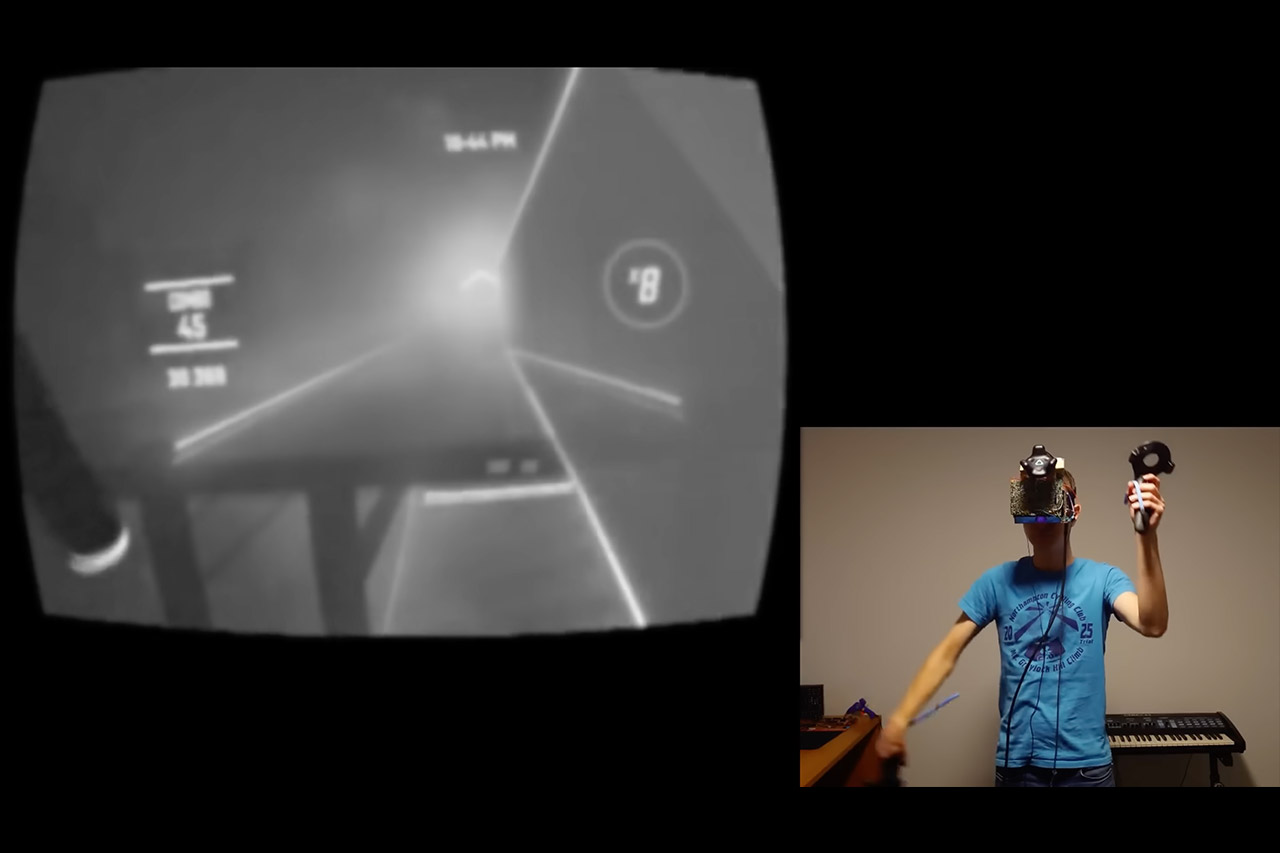
Dooglehead’s DIY VR headset is reminiscent of the past, a purposeful step back in time. Modern VR headsets are all about blazing fast pixels and brilliant colors, but dooglehead’s design manages to get by with small old CRTs rescued from 1990s Sony Watchman pocket TVs, and it’s still good enough for virtual reality. Coming in at a mere 544 grams, nearly the same weight as an HTC Vive, you have the unmistakable mass and charm of old electronics slumped over your face.


Dooglehead begins by stating a simple truth: CRTs provide an appearance that even the greatest flat screens cannot replicate. Games and videos on those vintage CRTs have a lovely glow to them, and natural anti-aliasing smoothes out jagged edges without the use of fancy processing gimmicks. Color is absolutely out of the question here because the old Watchman CRTs are exclusively black and white, a limitation created out of their tiny design (because color would get in the way of you seeing out the side window). Each 2.7-inch CRT zaps an electron beam over the inside of a phosphor-coated glass screen, scanning line-by-line fifty times per second to provide a steady image. The beam is bent with magnetic coils, and the entire assembly must be vacuum-sealed inside the glass envelope.
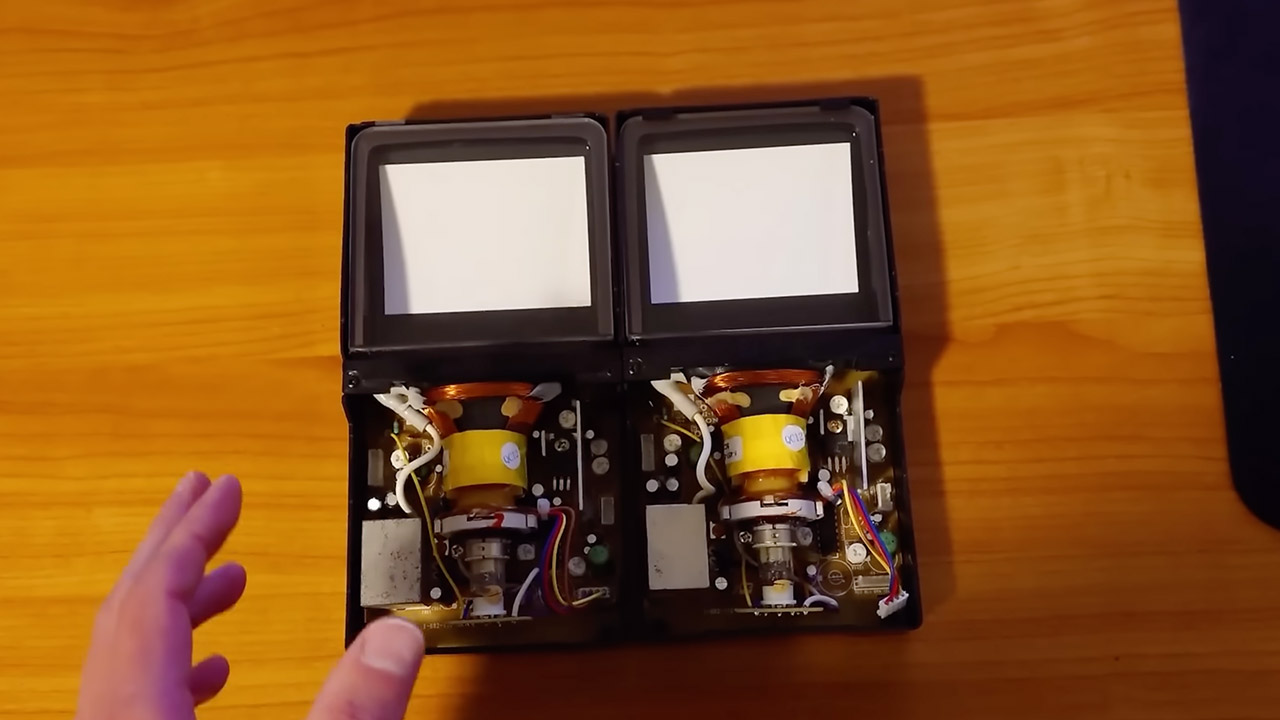
The modern element of the setup is handled by a field-programmable gate array, which accepts an HDMI signal from a computer and separates it into two distinct analogue streams, one for each CRT. The left eye gets its vision, while the right eye gets its own, resulting in the stereoscopic depth required for VR. Valve’s lighthouse trackers determine where the wearer’s head is by reading infrared sweeps detected by photodiodes on the headset. Power is supplied by USB, with each tube requiring approximately 200 milliamps, which is sufficient to illuminate the phosphors without the use of an extra brick.

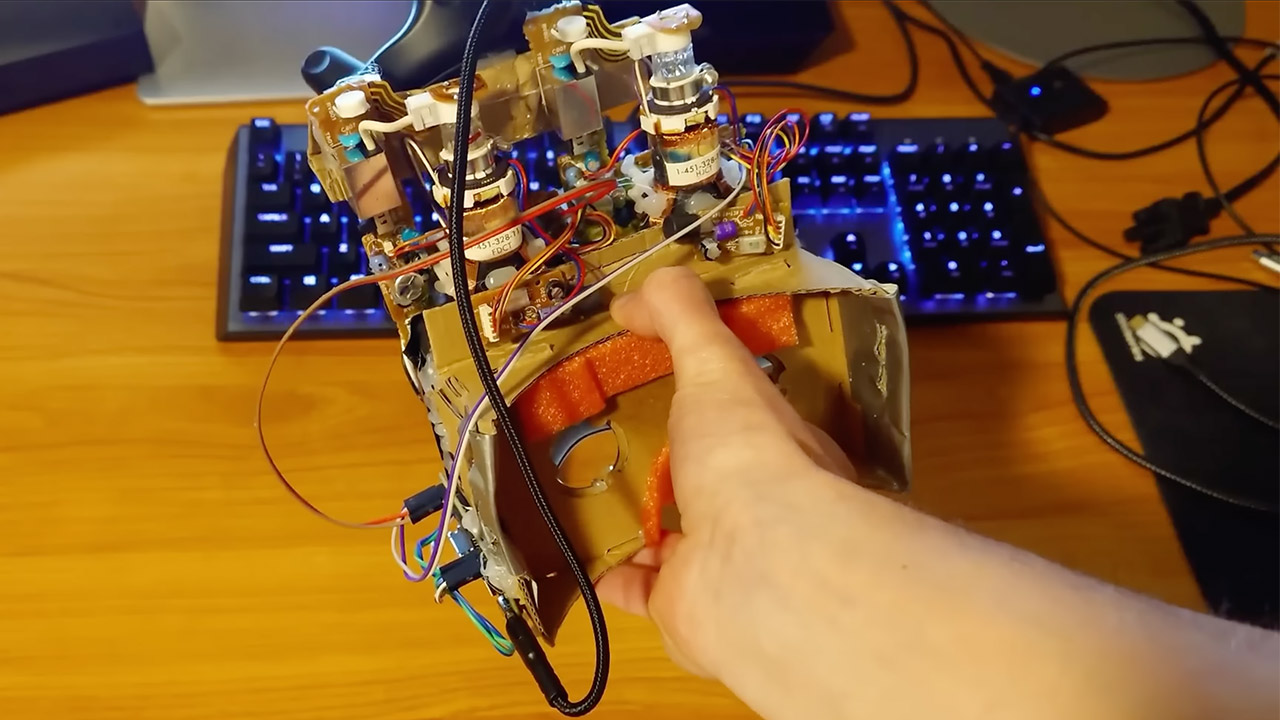
For the time being, cardboard serves as a makeshift shell, a hot-glued disaster taken from early Google Cardboard attempts. High-voltage parts are visible, reminding you that placing your finger in the wrong area will result in an unpleasant little shock. Plans are in the works for a suitable 3D-printed casing to clean things up and distribute the weight more equally. Until then, the equipment was kept together with flexible straps or even a ski mask (which was utilized in early tests), but converting to a genuine Vive-style harness has made it much more sturdy when playing.
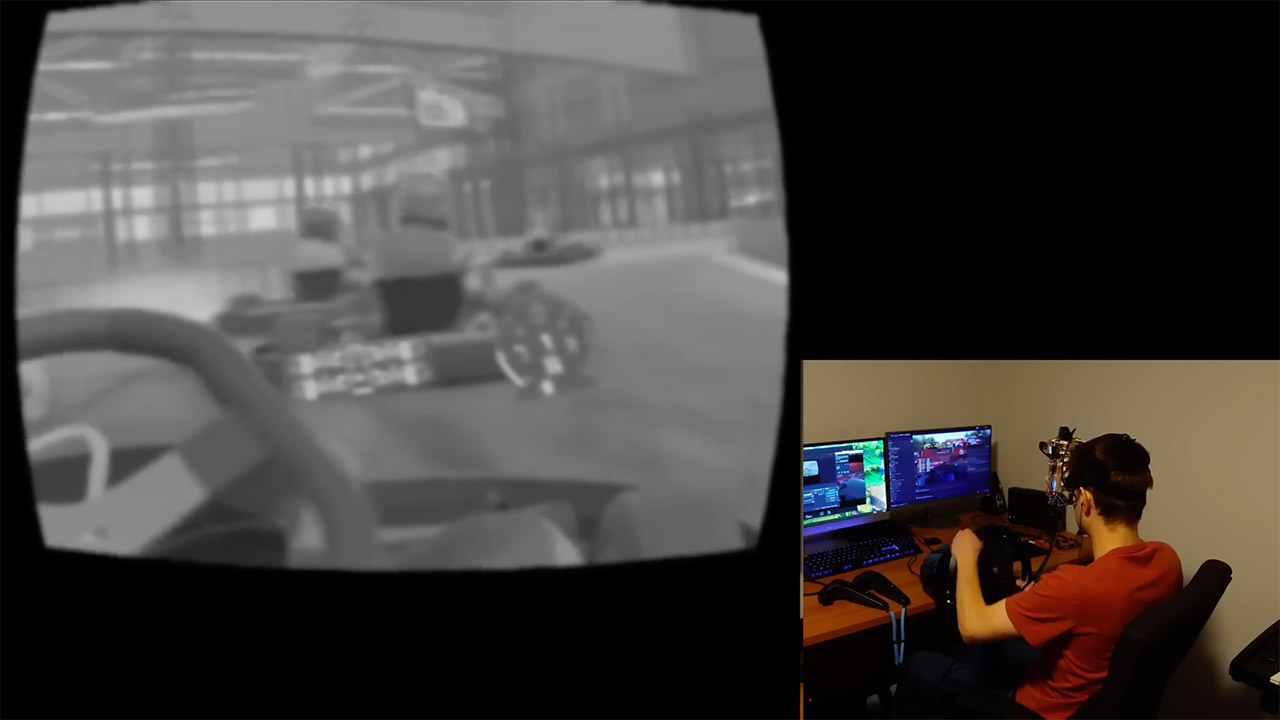
Play some actual games, and the real test begins. Beat Saber requires you to be able to see what you’re doing, yet the black and white vision makes it difficult to notice impending blocks against a background of green grass. VRChat transports the wearer to familiar locales, such as a virtual McDonald’s, where the 3D effect works effectively despite the blur from uneven focus and narrow viewing angles. The interlaced 640×480 resolution at an effective 60 fields per second makes the animation fluid, and while there is some wobble when you move your head around, it’s not too horrible. The pixels simply blend into the softness of the CRT, creating a nice mild haze that is weirdly immersive.
[Source]
You must be logged in to post a comment Login