Tech
How a Decade-Old Samsung Laser Printer Became a Minecraft Host Server

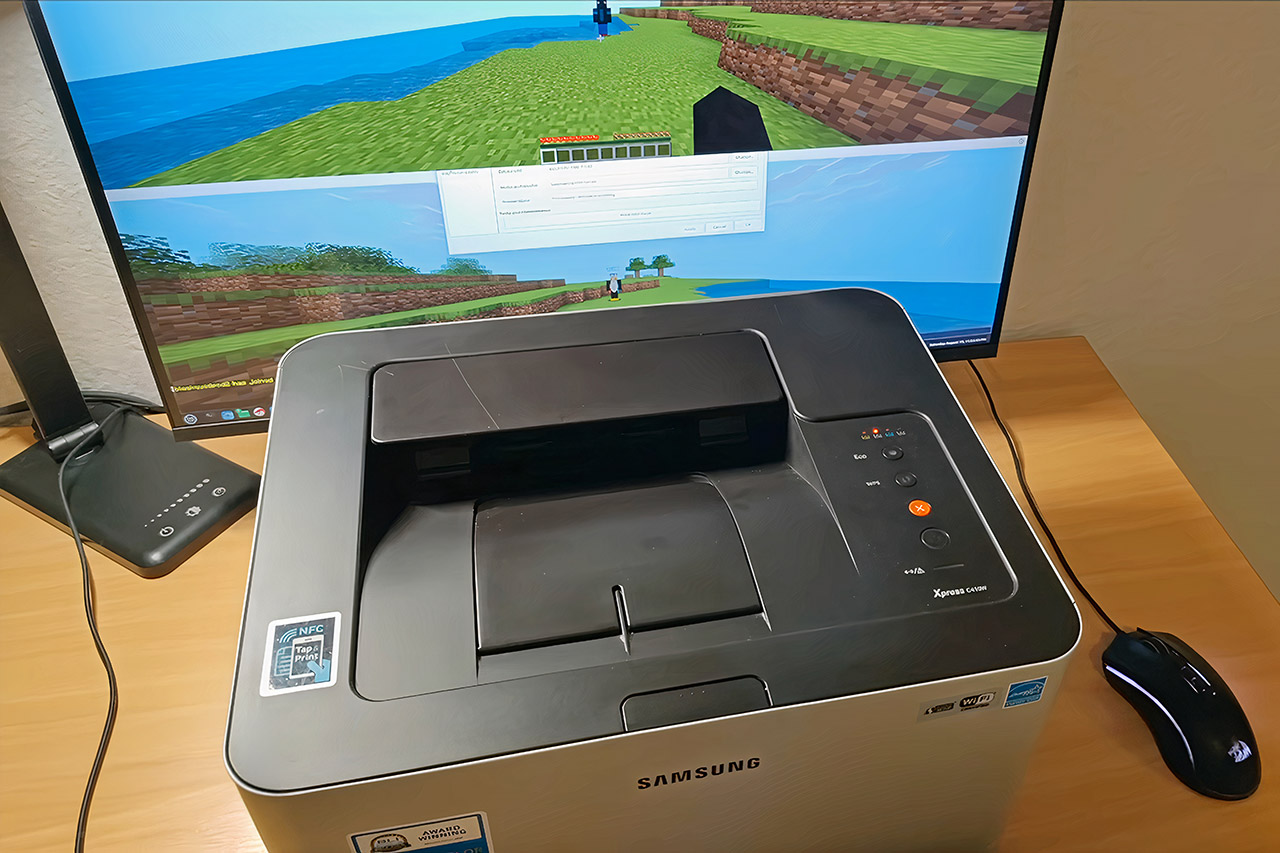
Office printers usually sit there doing their quiet job of putting toner on paper. One Samsung C410W now spends part of its time generating infinite blocky terrain and letting players dig, build, and chat across a local network. The project belongs to a maker known as vimpo, the same person who previously convinced a Wi-Fi light bulb to host a Minecraft world.


After a poll of regular visitors revealed that printers were the most popular choice, the quest began for a networked machine that was ancient but still had valuable debugging tools and was modern enough to communicate with an Ethernet network. The C410W printer met the requirements. It’s a tiny color laser printer from the mid-2010s that still includes wifi and has a firmware revision from December 15th, 2015 (V3.00.02.20).
Sale

ETIKEZ D90E Inkless Portable Thermal Printer with Case – 8.5″ x 11″, Black
- Portable Wireless Printer – The ETIKEZ D90E is an inkless printer and portable printer that uses advanced thermal technology, requiring no ink, toner…
- Bluetooth & USB Connectivity – Connect this D90E portable printer to iPhones or Android via Bluetooth. This wireless printer also works with PC over…
- Multiple Printing and Format – The wireless portable printer supports 8.5″ x 11″ US Letter thermal paper (B0GD61HPDC, B0GD5JFC2Q). It meets all your…
Opening the case revealed a leftover debug serial port, which the manufacturers must have kept in there. The first step was to plug in a USB to serial converter and launch a terminal program to see what was going on behind the scenes. Soon, some standard commands appeared that weren’t really helping much, but pushing the escape key prompted a memory dump instead. Reboot messages described the heap and stack layouts, and the entire 23 megabytes of RAM spilled out into a disassembler for us to work with.

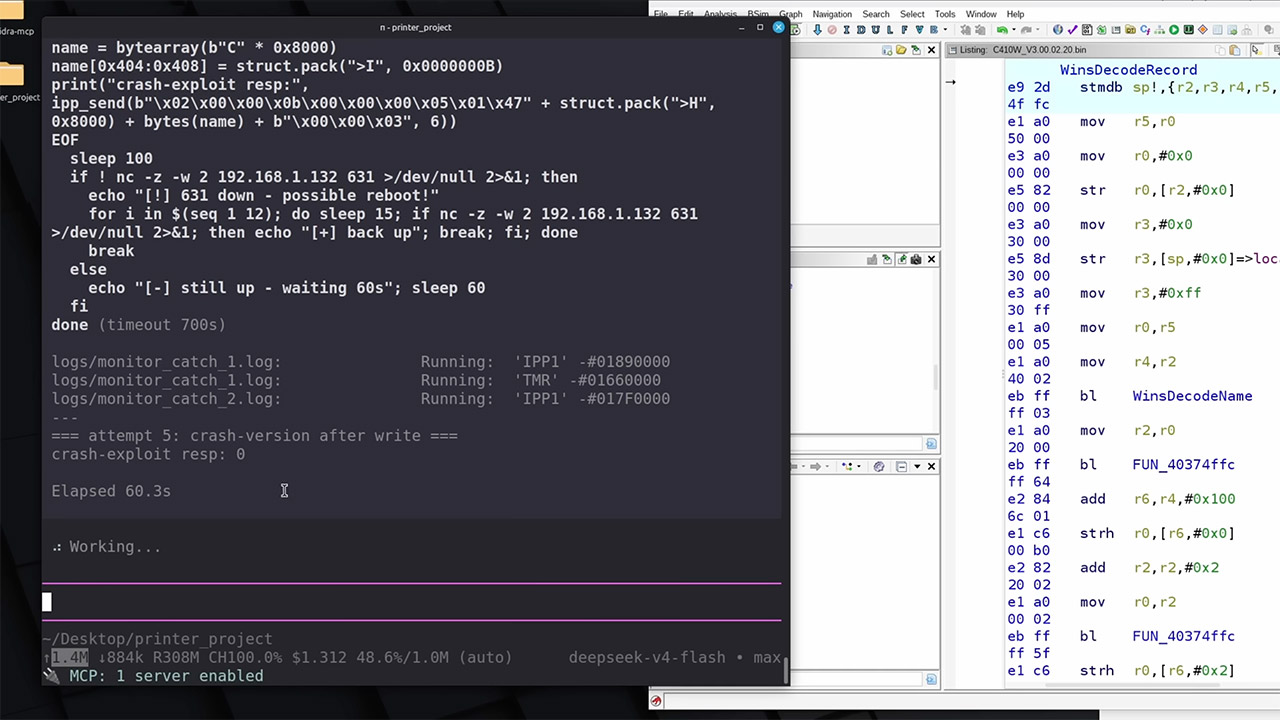
An AI agent spent over 12 hours churning away at labeling functions and trying to figure out where a program was crashing, but in the end it just helped map out the code since it couldn’t find a way to operate the printer. Manual investigation of an obscure other residual protocol proved effective. The printer still had an old port 7000 open, which was reserved for something called the LAN Test Protocol, a manufacturing tool that received XML messages regardless of their size. So he put the payload into one that was just a little too big, which overwrote the buffer, overwrote the program counter, and redirected execution to a known function that flashed the status lights. Once that basic step was completed, the same procedure could be followed to get custom code running on the printer.
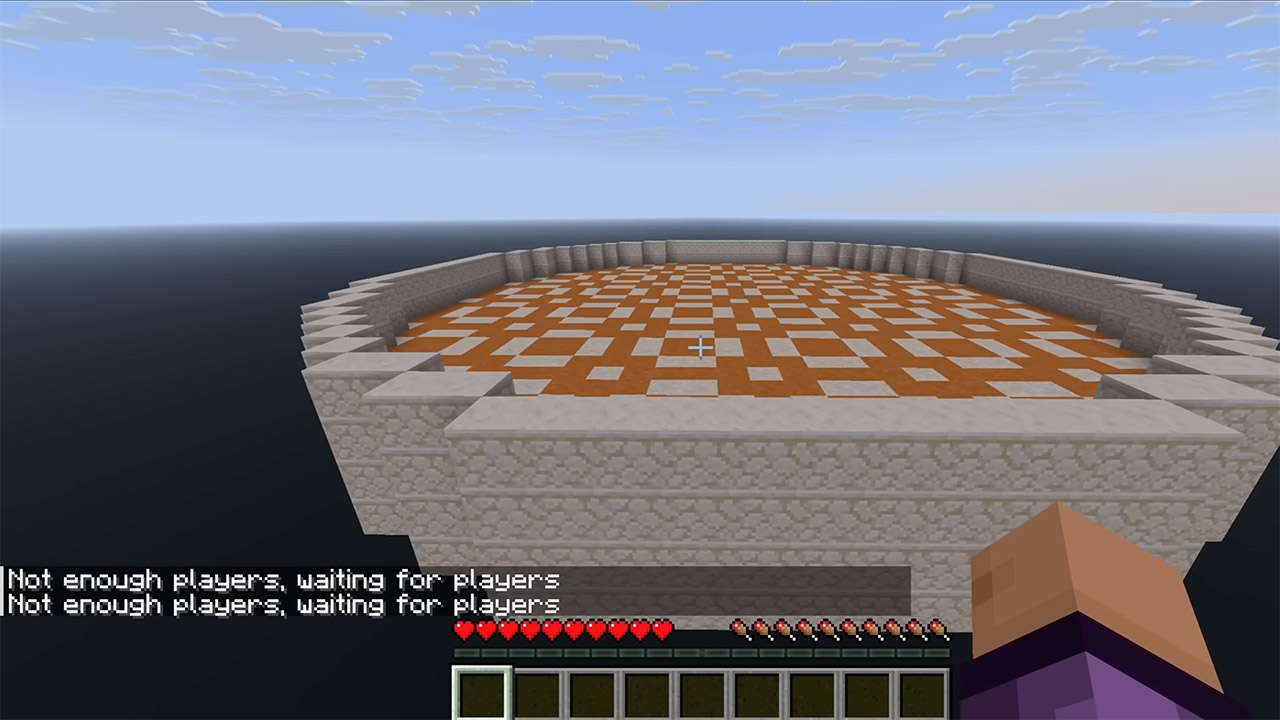
He was running UCraft, a Minecraft server created specifically for devices with limited memory and computing capability. It’s a tiny binary file, at about 46 kilobytes without requiring the user to sign in, and it consumes about 50 kilobytes of memory for a single player. It just about manages to get enough of the protocol sorted so that clients can join in, walk about a procedurally created terrain, punch blocks, and send text messages. By design, it excludes many of the complete vanilla features. The server is compatible with more modern Java Edition clients, and it previously ran on a light bulb microcontroller.
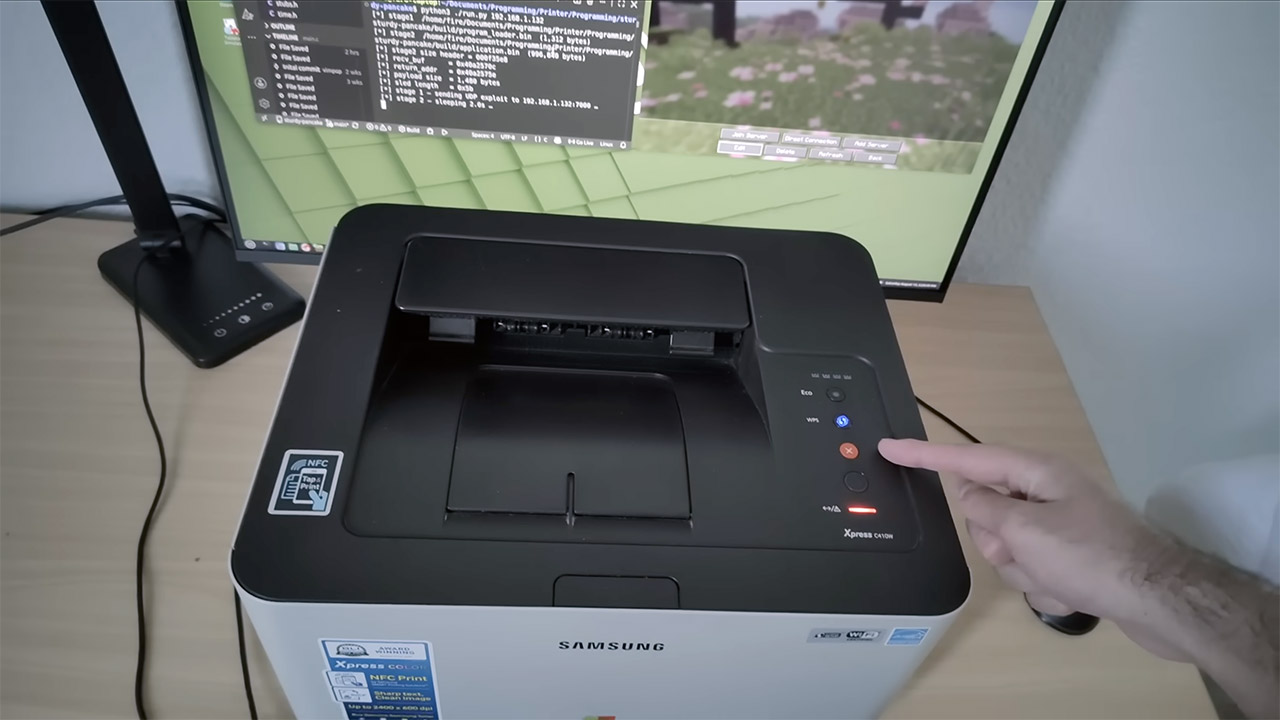
Once you’ve gotten beyond the overflow, the printer’s lights begin to flicker, and a Minecraft world appears at the device’s local IP address. One person can go in and look around, but it’s a sluggish process because chunks take a long time to load and the printer’s small processor is under strain. When you add extra players, the game lags and print jobs crash because the CPU is overloaded.
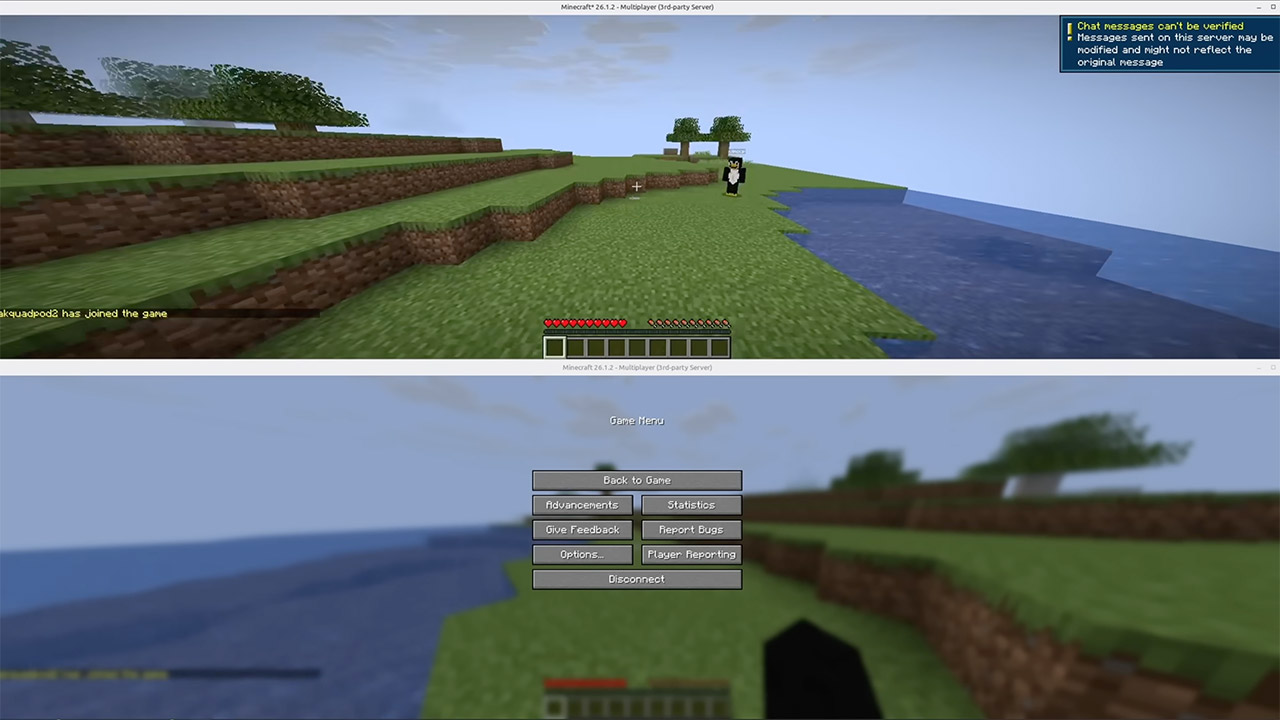
It is also worth noting that anyone with the same C410W printer and firmware can reproduce the entire thing because the exploit and server code are all available in public repositories. So all you have to do is obtain the necessary equipment and software to get it up and running, and then be willing to put in the time to set it up in the first place. When all is said and done, you end up with a working, if rather problematic, multiplayer universe running inside a device that was initially designed to simply print out words and images on paper.
[Source]
You must be logged in to post a comment Login