Tech
How Chinese Smartglasses Just Proved Battery Swaps Belong in Everyday Wearables
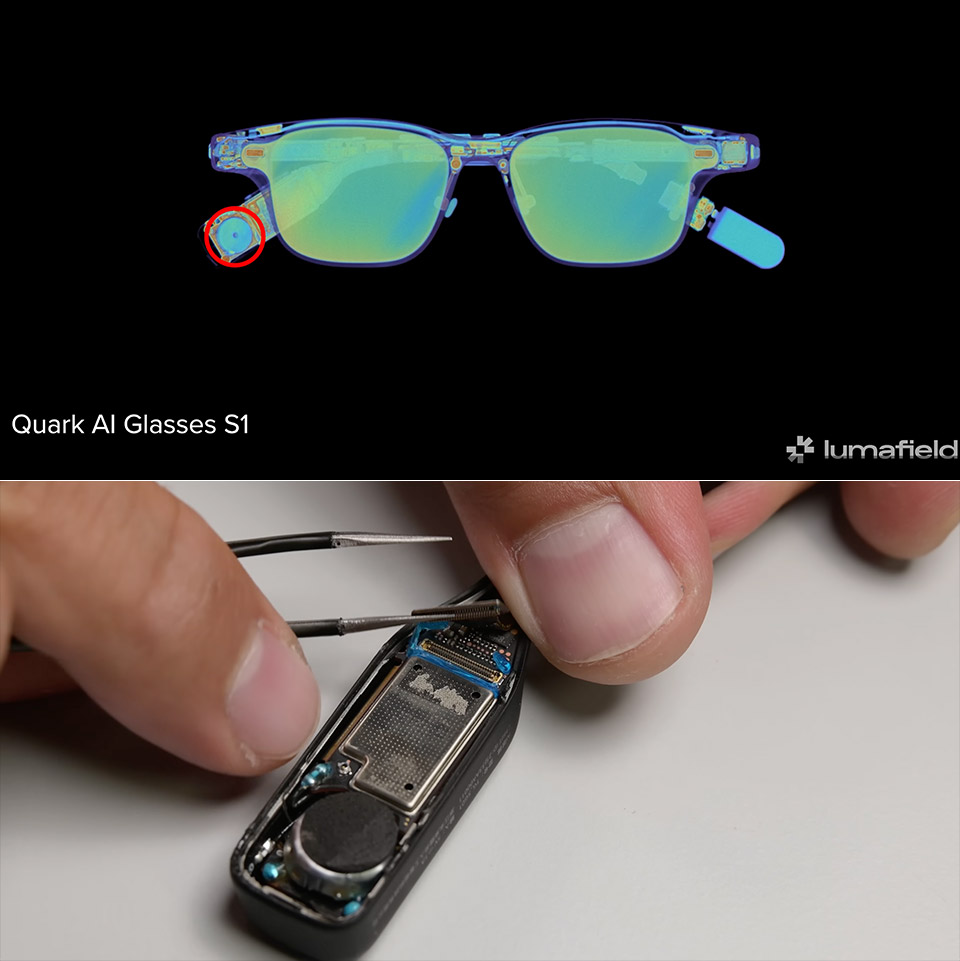
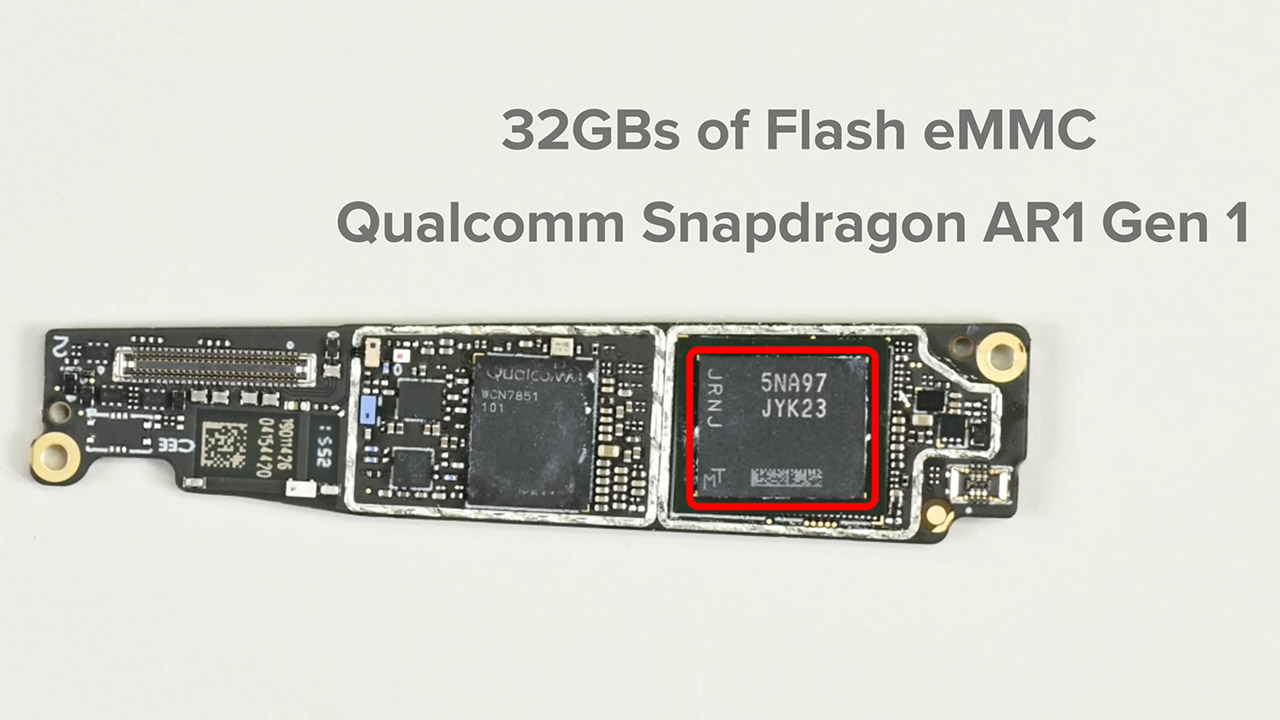
iFixit recently opened up two pairs of Chinese smartglasses to test a common industry claim. Manufacturers often say devices this small and water-resistant simply cannot offer user-replaceable batteries. The team bought a Quark AI Glasses S1 and a set of Rokid Glasses to see if that held up. Both models pack an internal battery plus a separate external pack that attaches for longer runtime. Both run on a Qualcomm Snapdragon AR1 Gen 1 processor with 32 GB of storage and use micro-OLED projectors to put information in front of the wearer’s eyes. Their internal layouts, however, tell two very different stories.


Getting the Quark AI Glasses S1 open involves some elbow grease. You must allow the heat to break down the seams before attempting to enter. Once inside, you’ll discover a 0.157 Wh lithium cell soldered straight to the circuit board. If you want to take it out, forget about using a fancy gadget; instead, grab a hot iron and some braid and go to work. The external pack attaches behind the right ear and has a larger 0.94 Wh battery, however accessing it is difficult. But what’s the point, exactly? To reduce assembly costs, they engineered the boards to fold tightly against the battery. Each arm features a small monochrome green micro-OLED screen, and the cameras are buried beneath the nose bridge. Attempting to get inside seems similar to fiddling with a sealed Meta Ray-Ban model, which is not exactly DIY friendly.


Meta Glasses, Adventurer AI Glasses
- Answers, tips and inspiration are a question away. Forgot an ingredient for dinner? Ask Meta AI for a substitute to save a trip back to the store…
- Meta Glasses are meticulously designed to deliver a fit that feels custom to you. Choose from a variety of bold colors and experience a comfortable…
- Travel like a local whether you’re navigating a bustling market in Spain or having a conversation in Japanese. Just say “Hey Meta” to start a live…
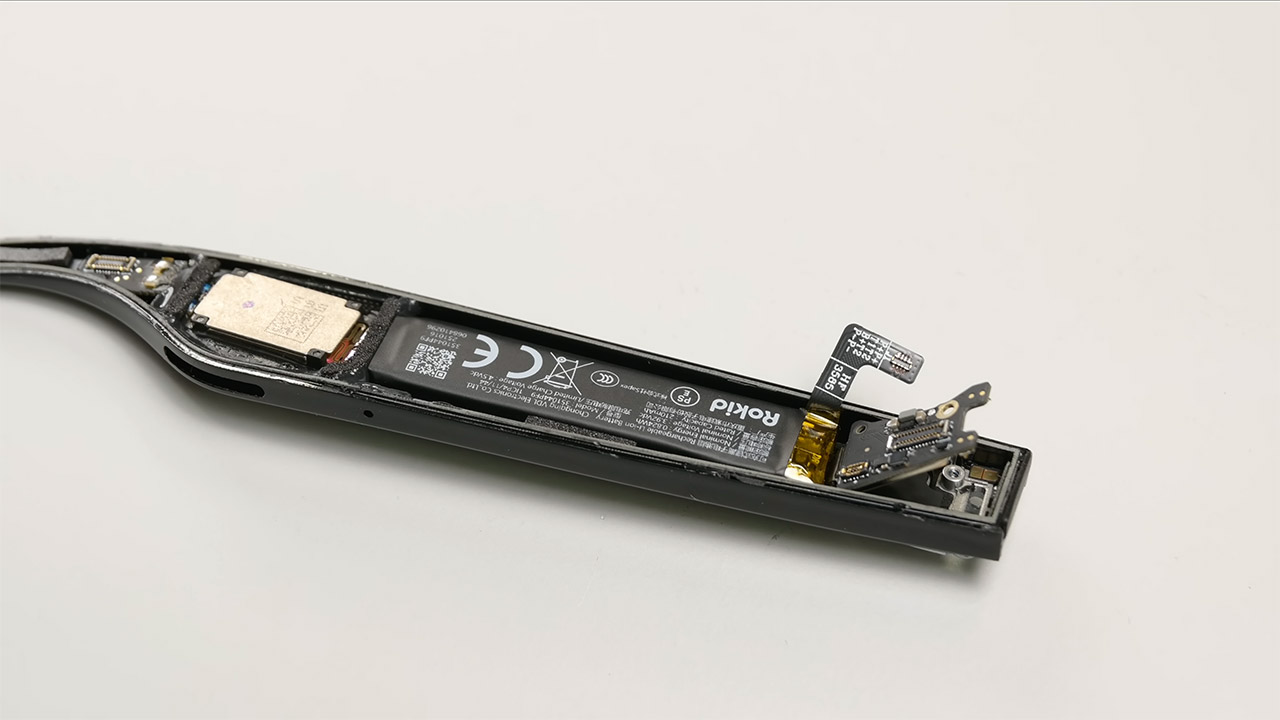
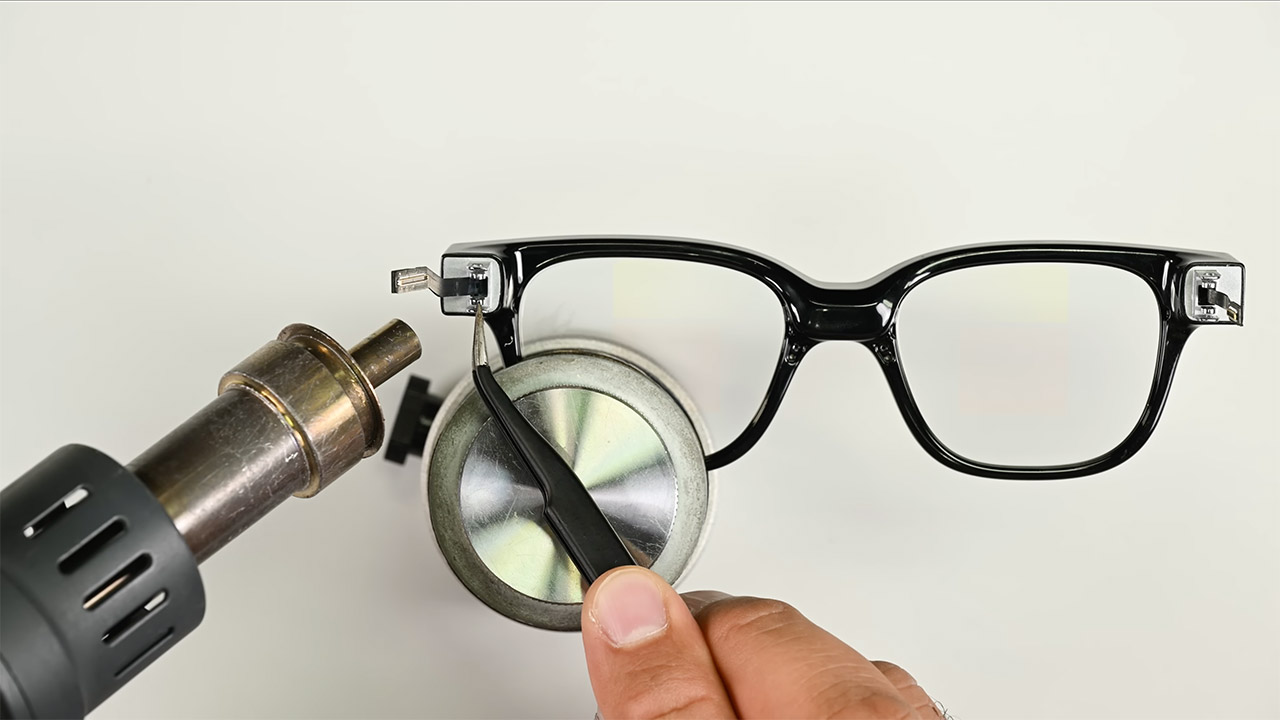
The Rokid Glasses are a completely different story, and opening them is a breeze. Just heat the seam with a hairdryer and it will come apart easily. Once inside, you’ll notice that they’ve put a lot of thot into making servicing easy. The battery connects with a simple press-fit connector and a couple of screws, eliminating the need for soldering, and the boards are secured in place with screws rather than glue. A single micro-OLED projector in the center divides the image between the two eyes, and it’s driven by an NXP chip and a Snapdragon processor, all to save power and improve efficiency. Cameras and speakers are where you’d expect them to be, yet nothing seems cramped, since everything has been thoughtfully planned to provide you simple access for future projects. The external pack attaches magnetically to the right arm and contains a 1.11 Wh battery that can be replaced without breaking a sweat.

Both pairs feature removable nose bridges, which is a nice touch. The external packs allow you to extend the life of your batteries without having to constantly recharge them, because let’s face it, lithium batteries lose capacity over time no matter how well you care for them. When they do, you’re left with an expensive, worthless set of spectacles, but the Rokid design suggests that this may not be necessary. A technician can easily replace out the battery without damaging the frame or optics.
iFixit has demonstrated that it is not impossible to design for upgradeability and replaceability. Google’s Pixel Watch 4 and Fairphone’s Fairbuds have demonstrated that a battery can be replaced, just like any other smart gadget, and wearables are not some sort of special snowflake, since they face the same size and durability requirements as any other product. The EU plans to require replaceable batteries in all types of electronics by 2027, but wearables are exempt. Companies said that it was too difficult to achieve in a wearable. The Rokid teardown debunks that claim, as it only requires some light adhesive, press connectors, and a modular external pack to create a pair of smart glasses that are still tiny and wearable.
[Source]
You must be logged in to post a comment Login