Tech
How Lasers Let Spies Capture Conversations From Across the Street

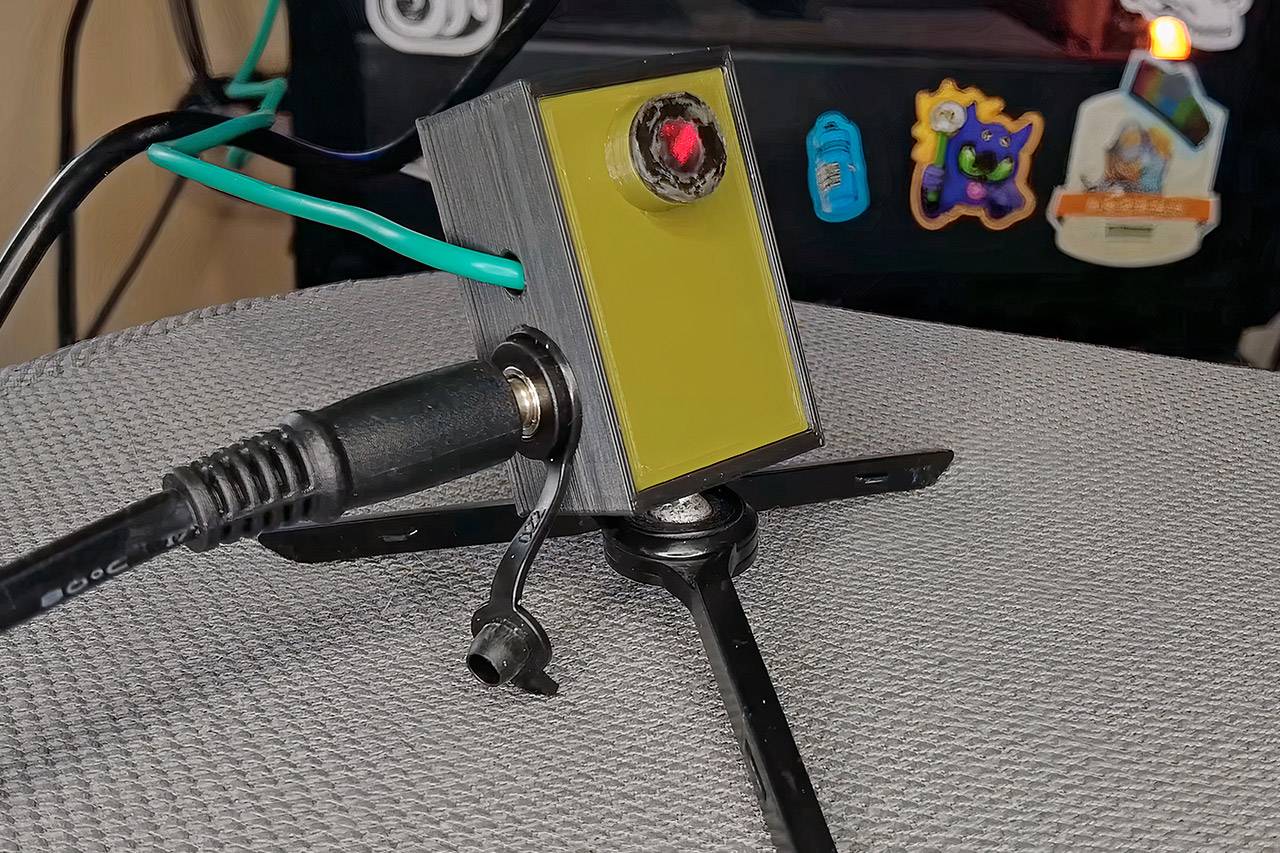
Intelligence operatives have used some innovative techniques to snoop on information without ever having to step foot inside a target building. A simple approach that involves lasers has been around for eons, and transforms a standard window into a makeshift bug.


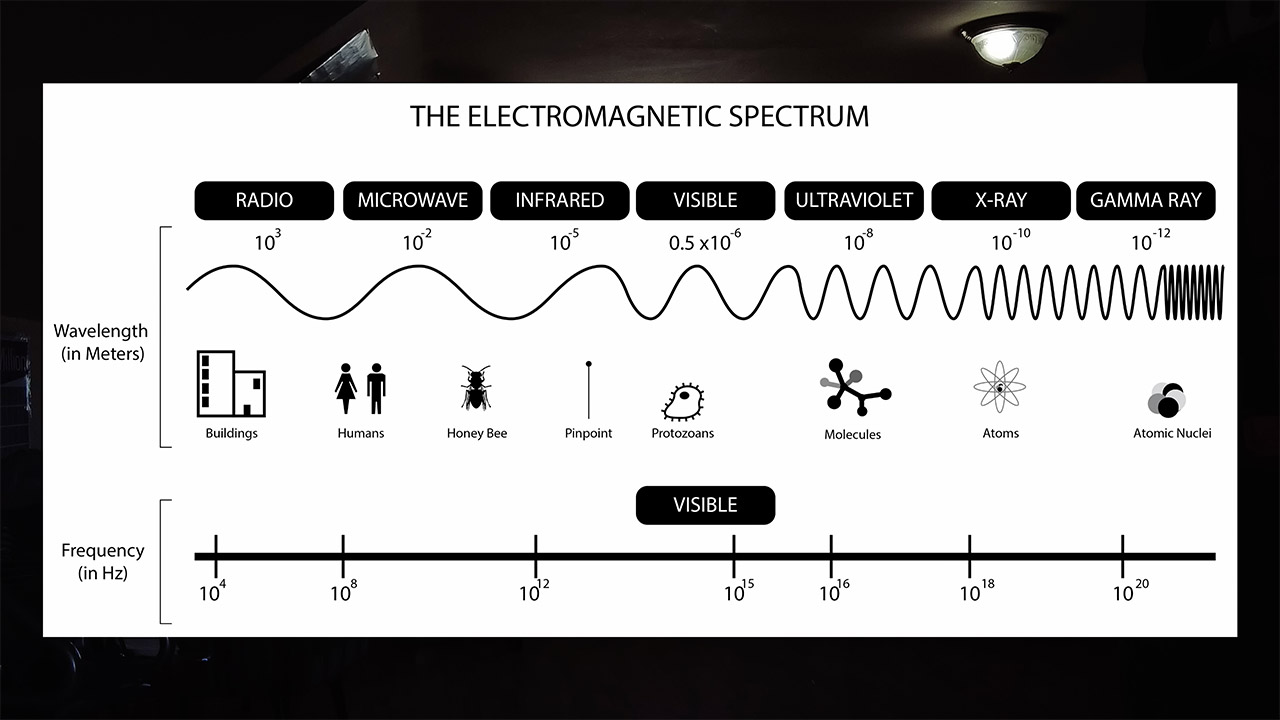
The Soviets got onto this kind of thing way back in the 1940s. They dubbed it Buran, and it basically shined an invisible infrared beam onto embassy windows in Moscow, detecting minuscule movements made by voices within. American agencies then took up on this idea and refined it using actual lasers, which produced far crisper results and had a much longer range.
Sale


DJI Mic Mini (2 TX + 1 RX + Charging Case), Wireless Lavalier Microphone for iPhone/Camera/Android…
- Small but Mighty – The DJI Mic Mini lavalier microphone transmitter is small and ultralight, weighing only 10 g, [1] making it comfortable to wear…
- Detail-Rich Sound – Mic Mini wireless microphones delivers high-quality audio. A 400m max transmission range [2] ensures stable recording, even in…
- Extended Battery, More Recording Time – Mic Mini wireless lavalier microphone with Charging Case offers up to 48 hours of battery life, [3] ideal for…
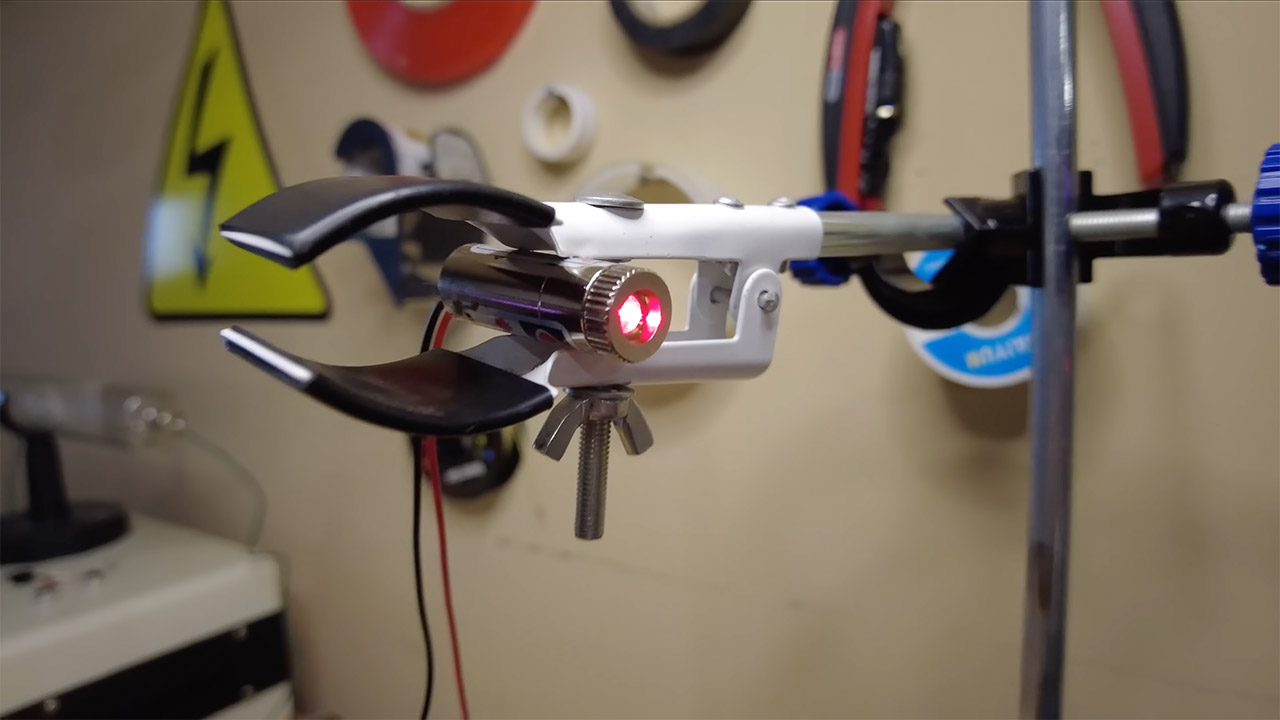
A laser microphone works by converting sound to light and then bouncing it back, causing the very small area it strikes to vibrate. These minuscule movements are invisible, but they exist and are very little, only a fraction of the thickness of a sheet of paper. These vibrations then alter the distance the beam needs to travel on its return voyage. A person with a receiver nearby collects the reflected light and transmits it via an optical system that converts changes in path length into brightness fluctuations. The variations are then converted into an electrical signal that corresponds to the original audio you heard.

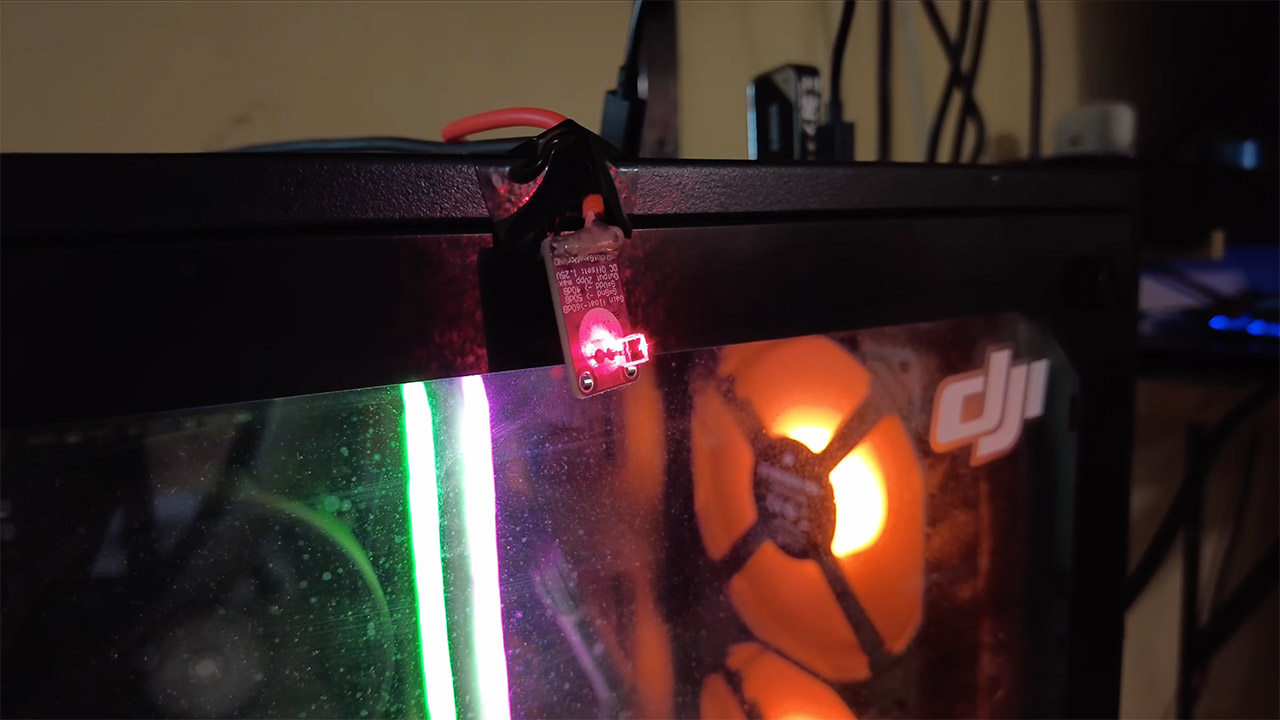
Typically, you’d set everything up from the luxury of a parked automobile or an office building nearby. You’d aim the beam in at an angle so that the reflection landed perfectly on the sensor. The infrared versions are undetectable to anyone gazing out the window, but by carefully filtering out noise from traffic and wind, you may get a rather clear picture.
If DIY projects are your thing, you can actually create a working version using parts that can be purchased online. One recent project used a basic red laser pointer, a photodiode to catch the returning light, and a small amplifier circuit wired to a computer It took some care to get the alignment just right, but once he did, the reflection was slightly off center on the sensor for the greatest results. When music was played inside a sealed test box, the recovered audio came through loud and clear, despite some static in the background caused by equipment vibration.

Governments, on the other hand, just achieve a much clearer sound by stabilizing the beam and employing some quite clever signal processing. Sometimes the places they’re seeking to listen in on will try to outsmart them by hanging thick curtains or installing little motors that provide random vibrations to drown out the real voice. Nonetheless, this method leaves no wires or bugs behind and completes the task from a safe distance.
[Source]
You must be logged in to post a comment Login