Tech
How Much Did A ’79 Mustang Cost New & What’s One Worth Today?

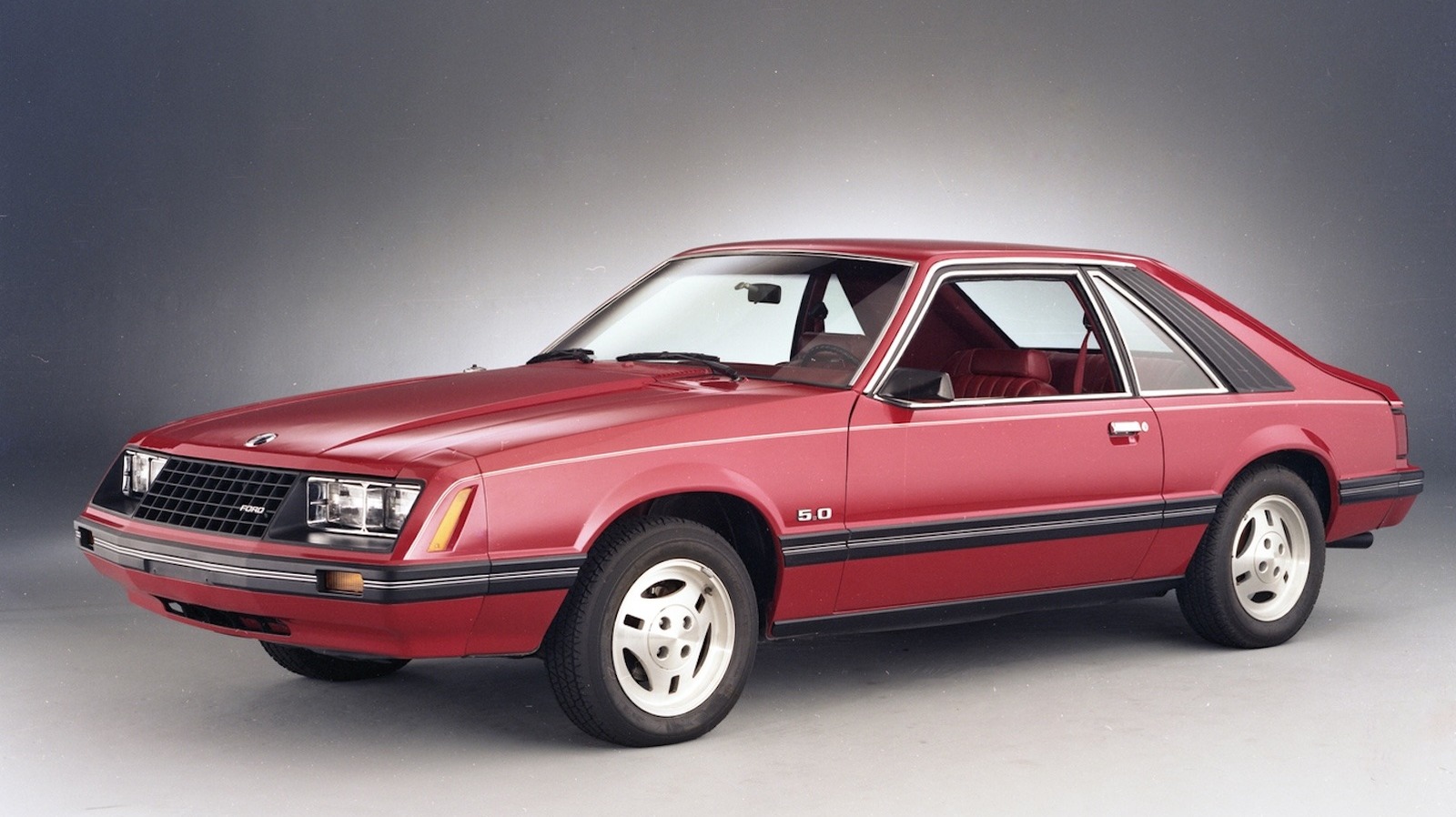

1979 marked a huge year of change for the Mustang. It shrunk considerably in size and was now based on Ford’s “Fox” platform, giving this generation the “Fox-Body” moniker. Today, Fox-bodies fit into the classically “rad” category of late 1970s to 1990s cars and, depending on the spec, can be pretty sought after.
But what did it cost brand new in a Ford dealership as the 1970s concluded? A base model 1979 Ford Mustang two-door (it was also available with a liftback) started at $4,494. It was equipped with a 2.3-liter naturally aspirated four-cylinder, a far cry from the big displacement V8 from the early 1970s. A V6 and a 302 cubic-inch V8 were also available. Notably, this also marked the first year that Mustangs could be turbocharged from the factory, with a 2.3-liter turbocharged four-banger churning out and impressive (for the time) 147 horsepower. In a brochure from 1979 Ford lists its 0-55 mile per hour time (instead of the more common 0-60) of “eight to nine seconds”). For comparison, a new Toyota Rav4 Plug-In has a 0-60 time of 5.4 seconds.
Pricing the ’79 pony car in modern dollars
If you want to relive the late 1970s and buy one of the first models of the Fox body for yourself, the prices haven’t gotten super ridiculous (at least compared to other classic cars like a Buick Grand National). Of course, well-kept examples might be much more expensive than something that was used as a daily driver. But what’s the point of buying an older Mustang if you aren’t going to drive it?
Unfortunately, 1979 Mustangs don’t seem to go up for sale all that often. Online car platform CarGurus puts the price between $27,000 and $29,000based on sales data gathered from March to June of 2026. However, there are outliers like an Indy Pace Car Edition Mustang with a scant 110 miles on the odometer that crossed the auction block at $38,500 on Bring a Trailer.
The 1979 Ford Mustang was cool, a lot different than the Mustangs before (and after, if we are being honest), and showed the American muscle car world that turbocharging and smaller displacement engines were a viable path forward. Ford even uses a 2.3-liter EcoBoost in the current Mustang, showing how the automaker continues this tradition into the present day
You must be logged in to post a comment Login