Tech
How the Hartung Game Master Almost Found Its Place in Handheld History

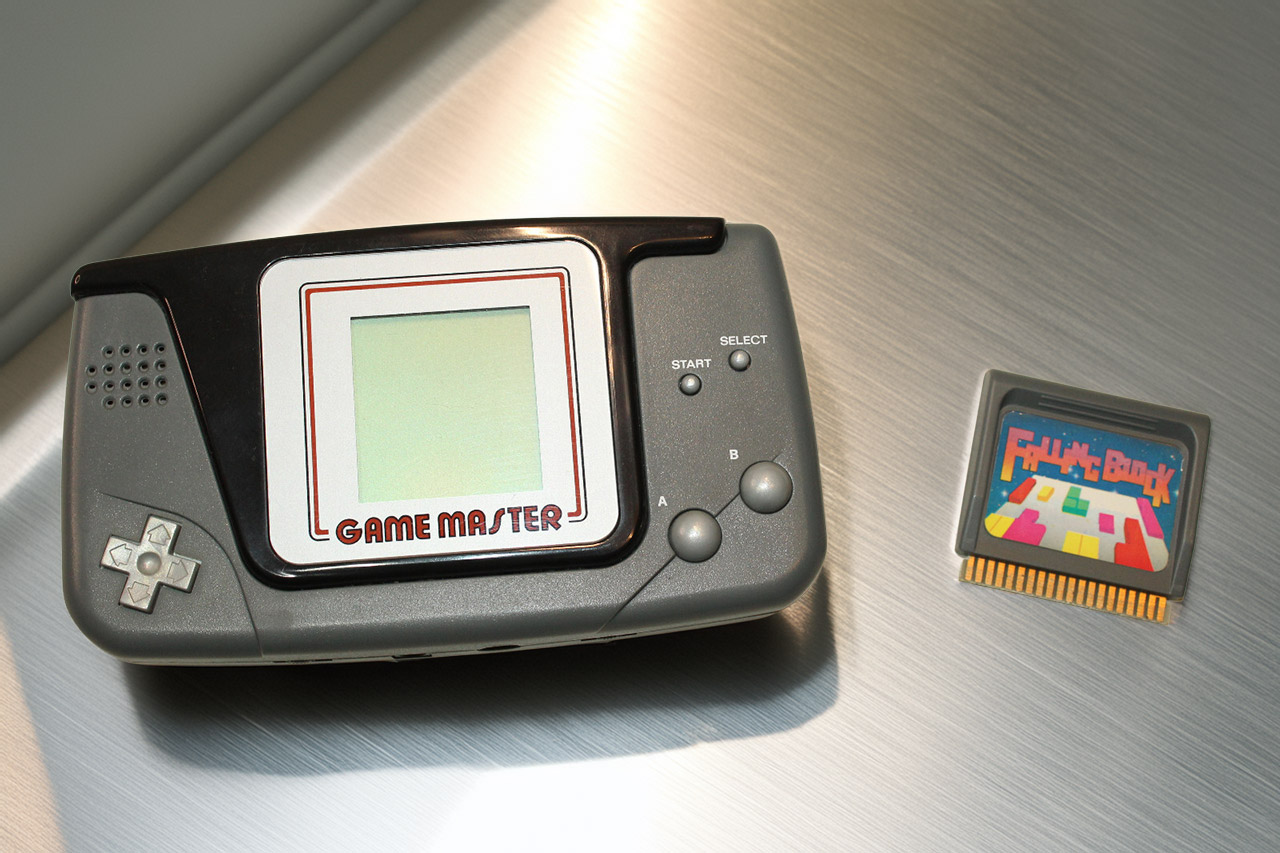
In the early 1990s, handheld gaming was booming, and two absolute titans ruled the roost: Nintendo’s Game Boy and SEGA’s Game Gear. These two were extremely expensive, typically costing more than $100 each ($225 today), so only young gamers with deep pockets could get in on the action. Then the Hartung Game Master appeared unexpectedly from Germany.


Hartung, a company known (or infamous in some places) for producing low-cost LCD gadgets, introduced the Game Master in 1990 to mix things up a bit – undercutting the competition is the word, though that sounds a little too businesslike. So, yes, they went in cheap. In Europe, this was a huge business, with France being completely swamped with, among other brands, Videojet Game Master, Super Game, and Game Tronic. The UK had the Systema 2000 which came out late in 1991, £50 to be exact, which is to say roughly £30 less than the Game Boy. Then there was Spain, which got the Prodis PDJ-10, Italy got a Virella model, and Hong Kong got the Impel Game Master. One anomaly was that France’s Delplay Game Plus essentially copied the Game Boy’s design while abandoning the conventional cartridges concept.
Sale

YEQOO R36MAX Retro Handheld Game Console, 4.0 Inch IPS HD Screen Portable Retro Gaming Console, 1.5GHz…
- 【Powerful Performance Meets Classic Gaming】Dive into seamless nostalgia with the R36MAX retro gaming console. Driven by a robust 1.5GHz 64-bit…
- 【Instant Plug & Play with Vast Game Library】Unbox and play instantly! This retro handheld game console comes pre-loaded with a massive collection…
- 【Vivid IPS Display & Ergonomic Contro】Immerse yourself in stunning clarity with the R36MAX’s 4.0-inch IPS HD screen (720*720 resolution). It…
In terms of size and shape, the standard model, measuring 170 by 97 by 33 millimeters, was essentially a Game Gear clone, with a wide body with the D-pad on the left and the A and B buttons on the right, as well as a confusing layout with the Select and Start buttons stuck awkwardly in the upper-left corner. The buttons felt like you were pressing these small spheres, and the D-pad was a touch weird, making for an uncomfortable grip after a time.
It’s powered by four AA batteries or a 6 volt DC converter, and the power switch was a nice addition, but only if you had a cartridge in, because the last two pins on each cart bypass the switch totally, bringing the device to life. No, when you take the game out, it immediately shuts off. Anyway, the volume and headphone controls were located on the bottom, along with a contrast dial and the power adapter plug. They also included a small pair of stereo headphones for the price, unlike the competition.
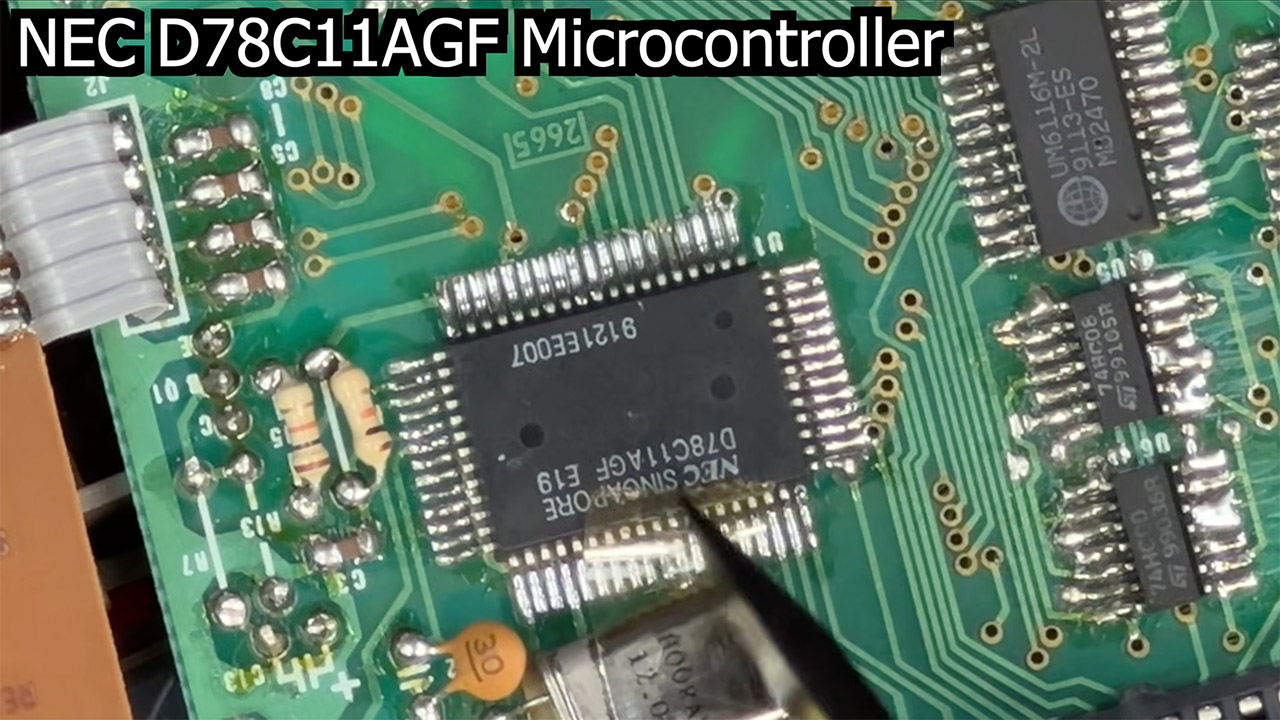
Under the hood, there wasn’t much to be excited about. An NEC D78C11AGF microcontroller clocked at only 8MHz and paired with an absurdly meager 2.25 KB of RAM. As for the PCB, well, let’s just say it appeared to have been quickly made with a lack of soldering abilities, with bridges and globs of solder everywhere.

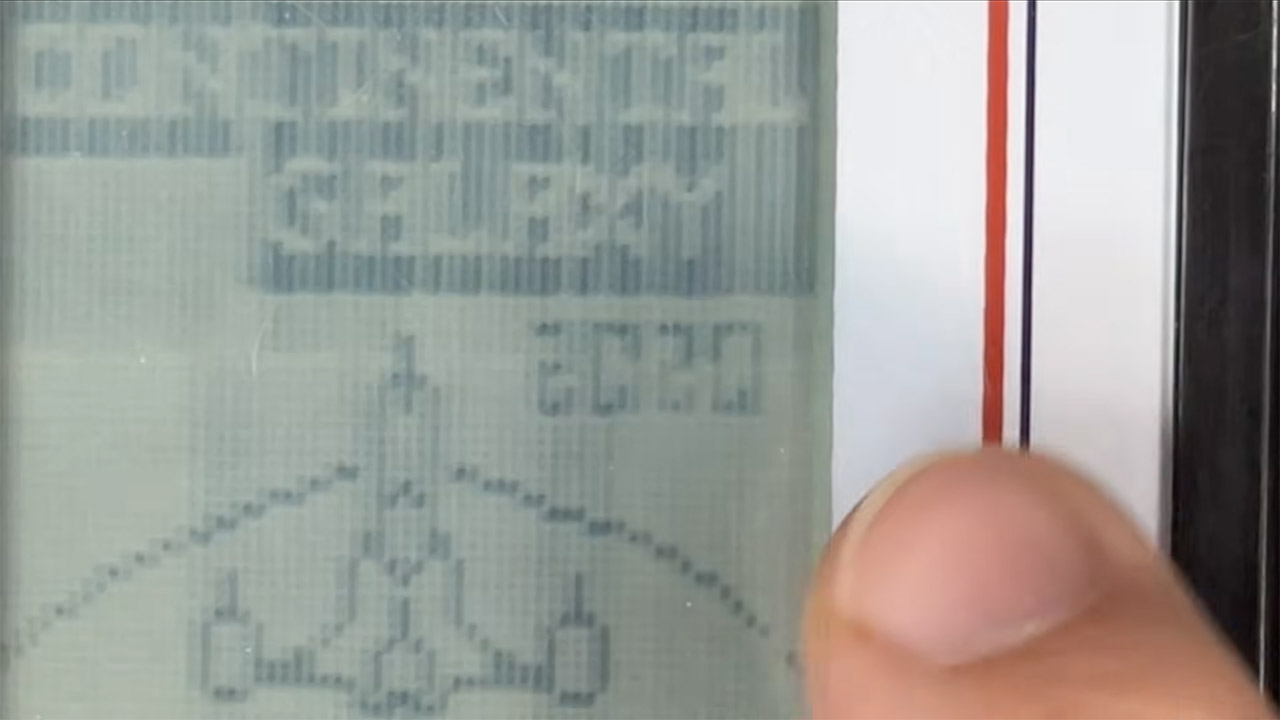
Up front, however, the 61 by 64 monochrome LCD was the true hero, or perhaps the villain, depending on your perspective. It rendered in stark black and silvery white pixels, and there was no backlight, thus it was only useful in reasonably bright environments. Oh, and there was the issue of vertical smearing, which effectively divided the screen into two parts. Clean the zebra connectors as you might, the problem often lay with the glass itself rather than the connections. Tweaking the contrast helped a little, but you knew it would never be perfect.
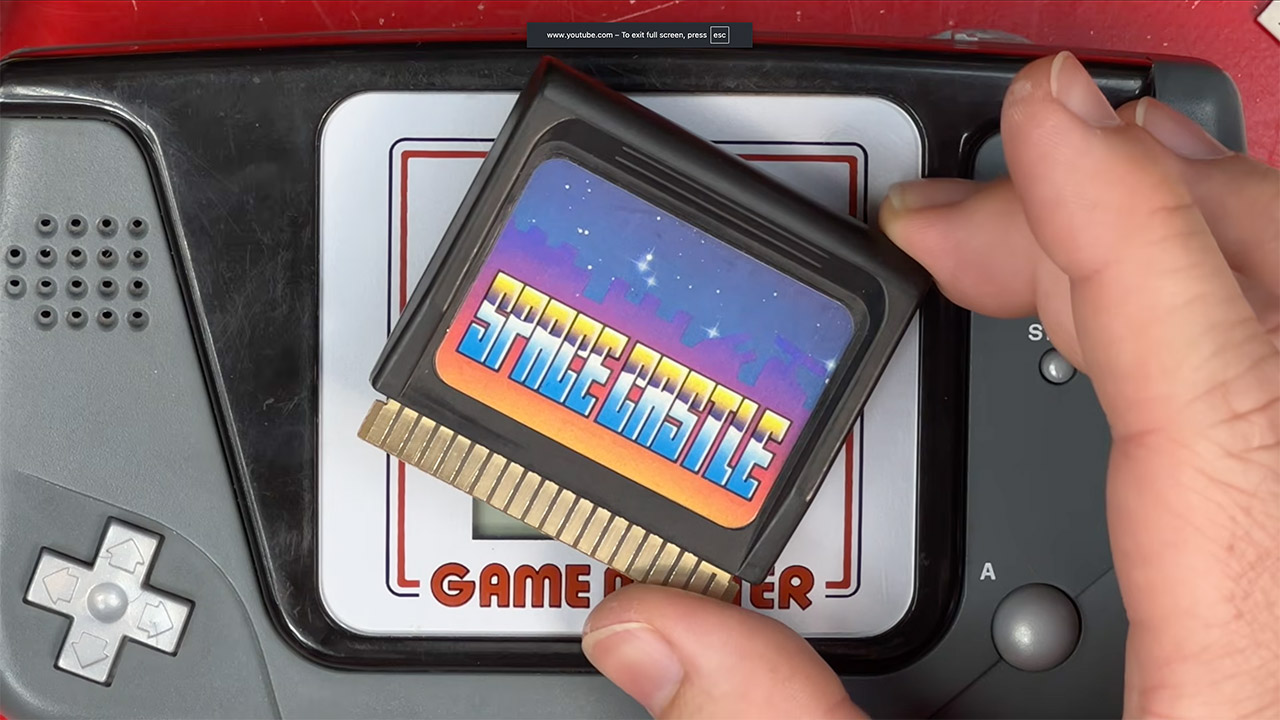
The cartridges just slid into its 40-pin slot, which was very similar to the Watara Supervision carts except for the exposed sides, and they had no cross compatibility with the other games. There were only 18 games shipped worldwide, and all of them were unlicensed clones stuffed in plastic pouches with the required folded up manual.