Tech
Huawei proudly shows off an entirely un-American chip


systems
Resistance is futile
Huawei has launched a new processor it claims is free of US technology and is using it to drive a new three-screen folding phone.
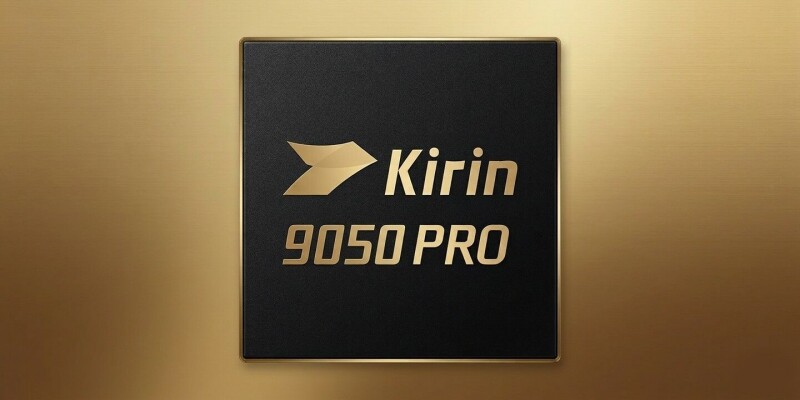
The Chinese giant dubbed the new processor the Kirin 950 Pro and says its LinxiCore processor cores, GPU, and neural processing unit all feature its own designs.
The SoC into which Huawei added them uses the “Tau Scaling” architecture that Huawei says arranges components closer to each other to reduce die size and improve performance without needing the kind of advanced chipmaking processes practiced by TSMC and Intel.
As The Register wrote when Huawei announced Tau Scaling last May, analysts think Huawei has done interesting things with its silicon but don’t think the company has made any breakthroughs.
Huawei begs to differ and says its new silicon offers 42 percent higher performance than the chip it used in the three-screen phone it delivered last year.
The Chinese company uses the Kirin 950 Pro in its new three-screen phone, the $2,979 Mate XT2.
Analyst firm Counterpoint thinks Huawei will exit 2026 with 24 percent of the total folding phone market, which it believes accounted for 1.6 percent of smartphone sales last year.
Huawei therefore has itself a chip that targets the high end of a market niche – and announced it a couple of days before pundits believe Apple will debut a folding iPhone that Counterpoint predicts will win 25 percent of the folding phone market by the end of the year.
Huawei’s Kirin 950 Pro will therefore hardly make a dent in the smartphone market.
At its launch event, Huawei execs pointed to its totally-not-Android versions of HarmonyOS now running on 85 million devices. That’s strong uptake since Huawei delivered the OS in October 2024. Again, however, it is a fraction of the overall smartphone and smart device market.
If Huawei can use the tech it created for the Kirin 950 Pro in other roles that would allow mean Chinese to avoid comparable products from AMD, Intel, or Nvidia, its new chip will show that Chinese firms can create tech that reduces the nation’s reliance on imports.
But amid all the hoopla of a phone launch, Huawei hasn’t said anything about its intentions to adapt its new chip for different roles.
The Tau Scaling architecture is therefore not going to upset Huawei’s rivals for some time, although western chipmakers do know that Beijing is steering local buyers away from their products and encouraging adoption of local alternatives.
Whether any of those Chinese chipmakers succeed beyond the Middle Kingdom is the wider question. China emphasizes export of consumer products as a tactic to fuel domestic growth, and its smartphone makers Xiaomi, Oppo, and Honor have delivered on that mission by winning solid sales across Europe, Africa, and Latin America – with phones running Android and tied to Google services.
Huawei’s hardware and HarmonyOS ecosystem, by contrast, have not racked up notable success outside China. ®
You must be logged in to post a comment Login