Tech
Huawei’s Vertical Tri-Fold Patent Shows a Phone That Stacks Three Panels Into One Compact Body

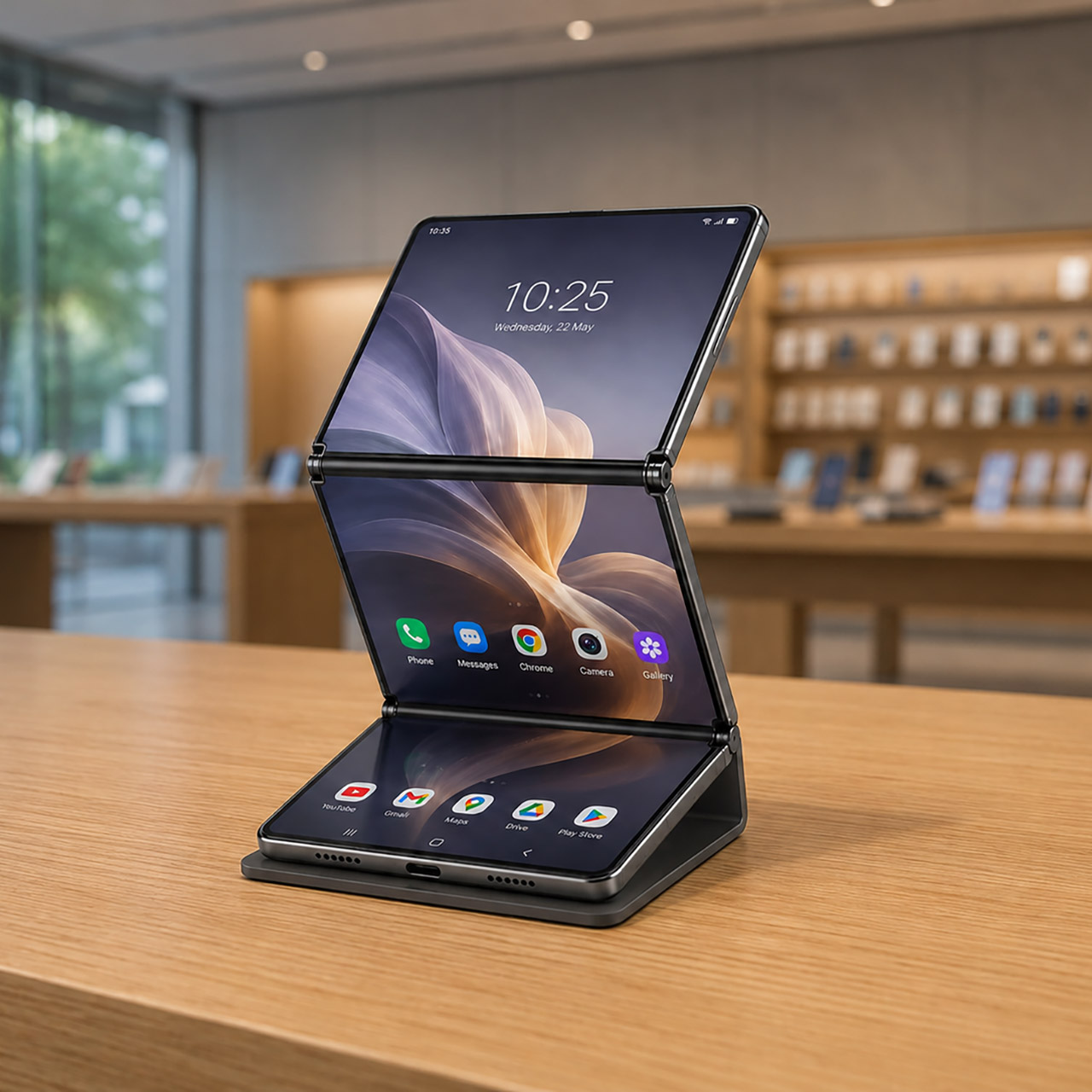
Photo credit: NotebookCheck
Recent patent documents from Huawei describe a vertical tri-fold smartphone built around three connected segments and two opposing hinges. The design draws clear inspiration from clamshell flip phones like the Galaxy Z Flip while adding an extra fold for more screen area.

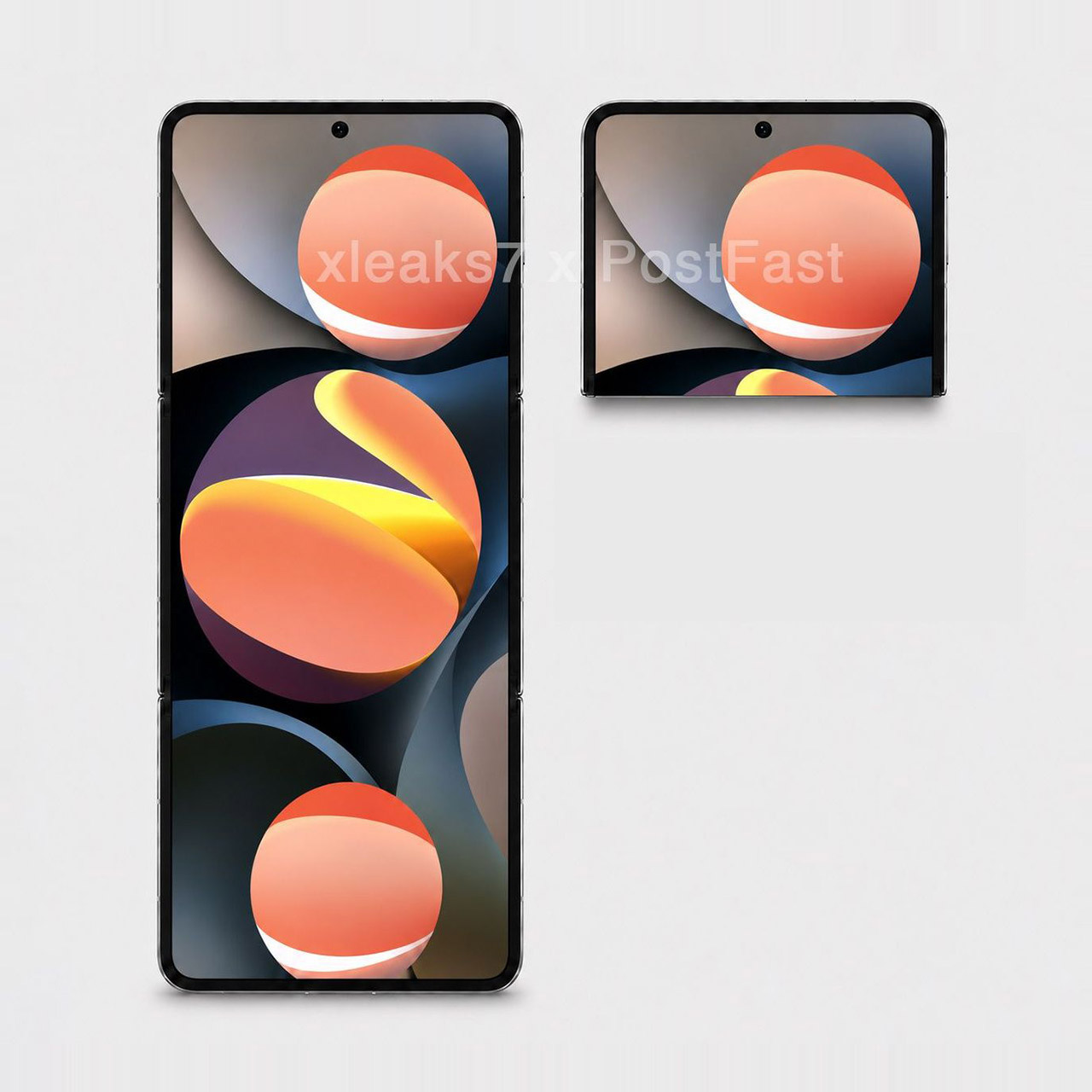
Photo credit: Post Fast
Two hinges hold the panels together and allow them to fold in opposite directions. This results in a true Z-shape when you finally close the device completely. The flexible display extends across all three areas. When it’s closed, the phone’s thickness triples, yet it still manages to remain relatively small, with a footprint around the same size as a conventional smartphone or cigarette pack.
Sale

Samsung Galaxy Z Fold7 Cell Phone, 256GB AI Smartphone, Unlocked Android, AI Photo Edits, Large Screen…
- BIGGER, YET SLIMMER THAN EVER: Who would’ve guessed that wider could also be lighter? The design of Galaxy Z Fold7 is refined to feel like a…
- BEST CAMERA ON A FOLD YET: You asked for more – now you can have the most. Galaxy Z Fold7 now boasts an ultra-premium 200MP camera with Pro-Visual…
- SCREENSHARE FOR STREAMLINED ASSISTANCE: Intrigued by something you see? Go Live with Google Gemini, then screenshare or point your camera at it for…
The patent drawings are noteworthy because they immediately reveal a practical detail. Even when the phone is fully closed, a portion of the screen remains visible on the outside surface. Users can check messages, change the music, and complete simple activities without having to open anything. This design essentially eliminates the requirement for a small external display on most flip-style phones.
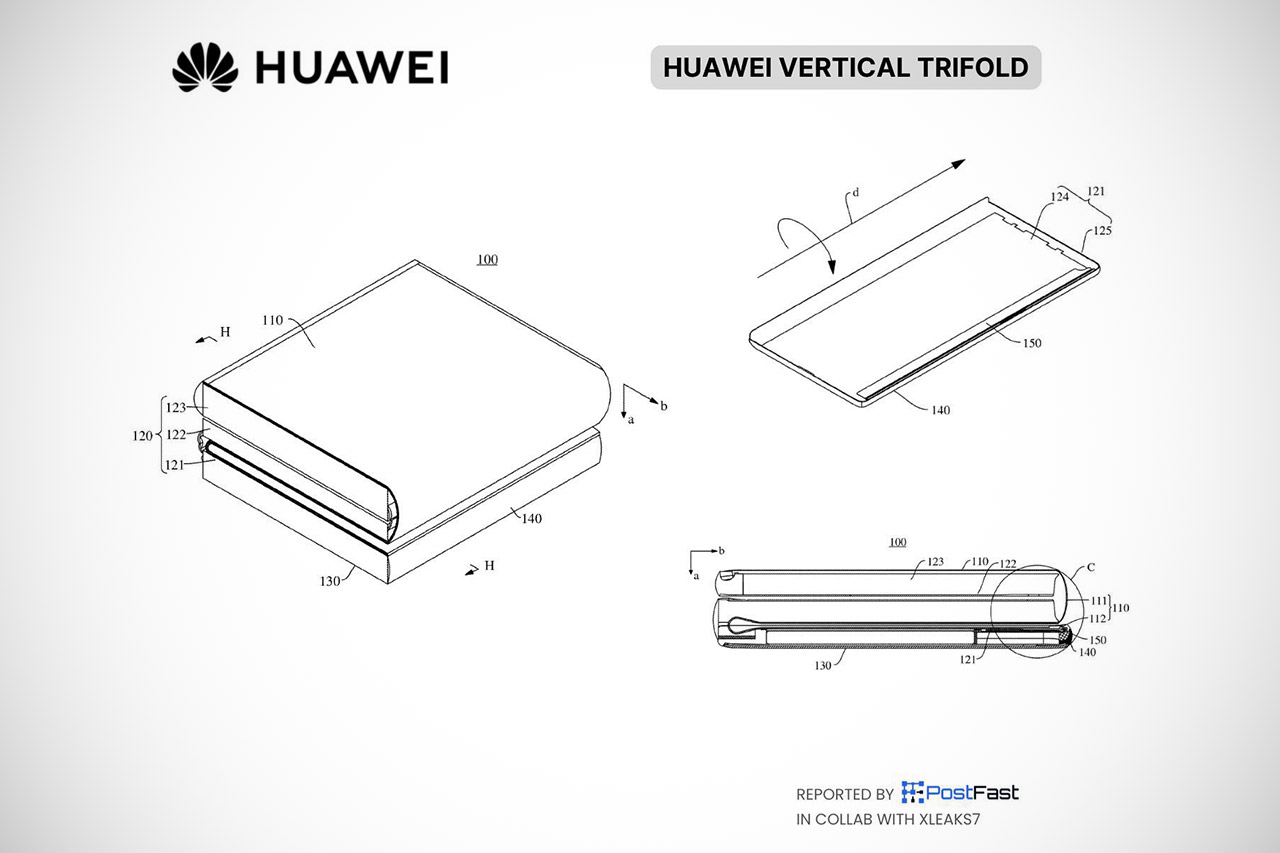
Each portion serves a specific purpose; the top panel holds the main back camera system, while the middle section houses the main processor, battery components, and all connectivity points. The bottom panel keeps everything balanced and simply extends the screen real estate a little. Despite the thin stacking appearance, specific structural layers and shielding are used around the antennas to prevent signal interference.

When you first open the phone partially, you get this intermediate tall screen, and when you fully extend it, the display simply spreads out into a long, tall rectangle. Which, to be honest, is ideal for portrait material; no need to maintain zooming or sideways scrolling through social media feeds, articles, and videos in their natural orientation. You also have numerous folding positions, so you can select the screen height you require based on the situation.
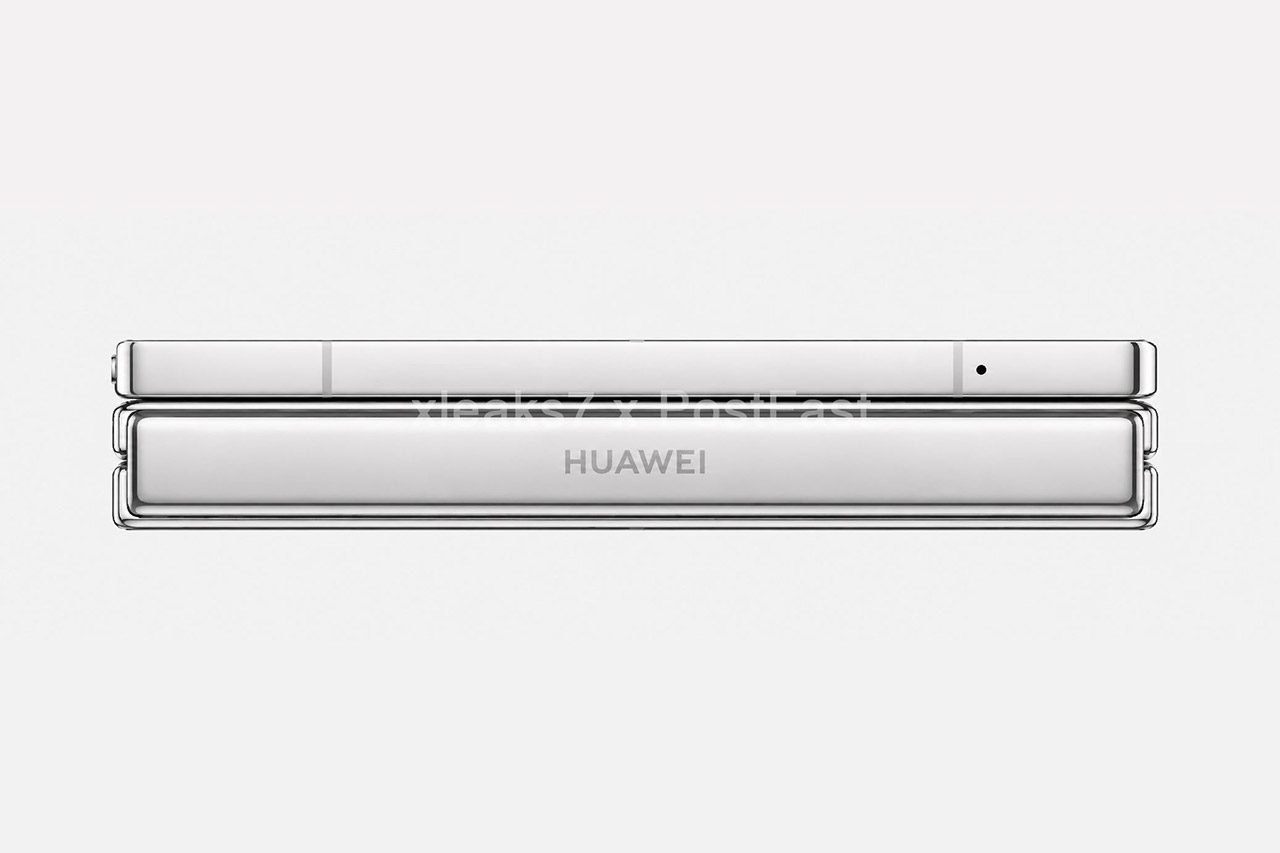
In comparison to Huawei’s own Mate XT, this proposal keeps the closed shape much thinner and more pocket-friendly. The Mate XT opens up into a large, tablet-like surface that some owners found difficult to carry around on a daily basis. Meanwhile, this vertical variant maintains the classic one-handed grip when closed while providing extra screen space when needed.
These phones take a different strategy than single-fold flip phones, which typically stop at one hinge and have only one extra screen size. Here’s a third panel that provides some height without demanding the broad stance of a book-style folding. What you get is a compromise between being able to take this device with you every day and occasionally having a large screen to use.
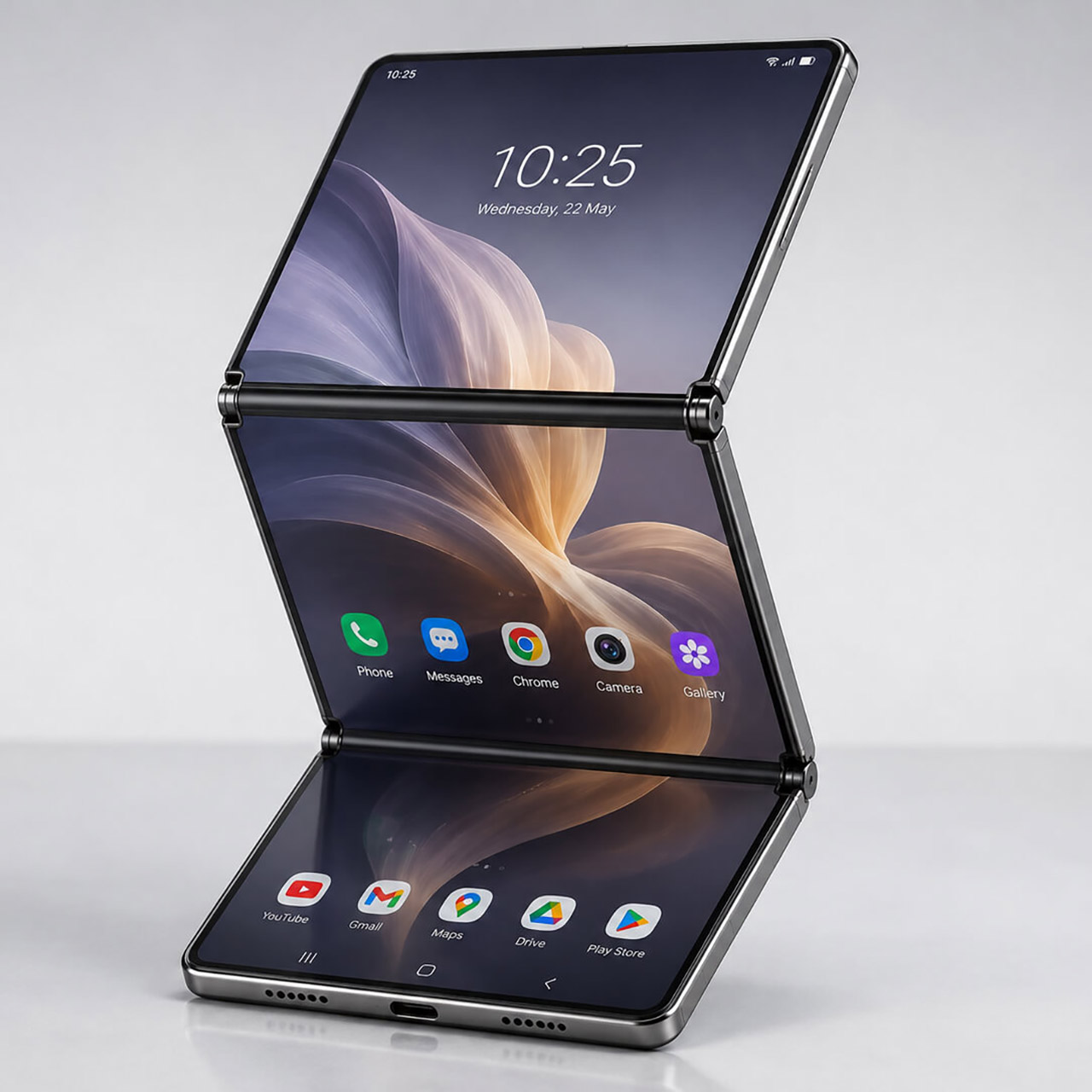
The HarmonyOS system would handle all transitions between these stages, scaling programs as available height changes. However, developers will most likely need some modifications to ensure that their interfaces reflow properly across multiple aspect ratios. Early Mate XT software demonstrated how multi-state foldables require special care and attention on both the platform and app sides.
For the time being, the patent is all that exists; there is no launch date or product name (yet). However, it does indicate that Huawei is still experimenting with novel form factors that differ from those of its competitors. Meanwhile, everyone is waiting for Apple’s predicted foldable release later this year, which will include a horizontal configuration. So this patent refers to Huawei’s continuing vertical experiments that attempt to address certain common pain points that other phones tend to overlook.
[Source]
You must be logged in to post a comment Login