Tech
Hubble Spots a Compact Galaxy Clearing Paths Through the Young Universe’s Gas

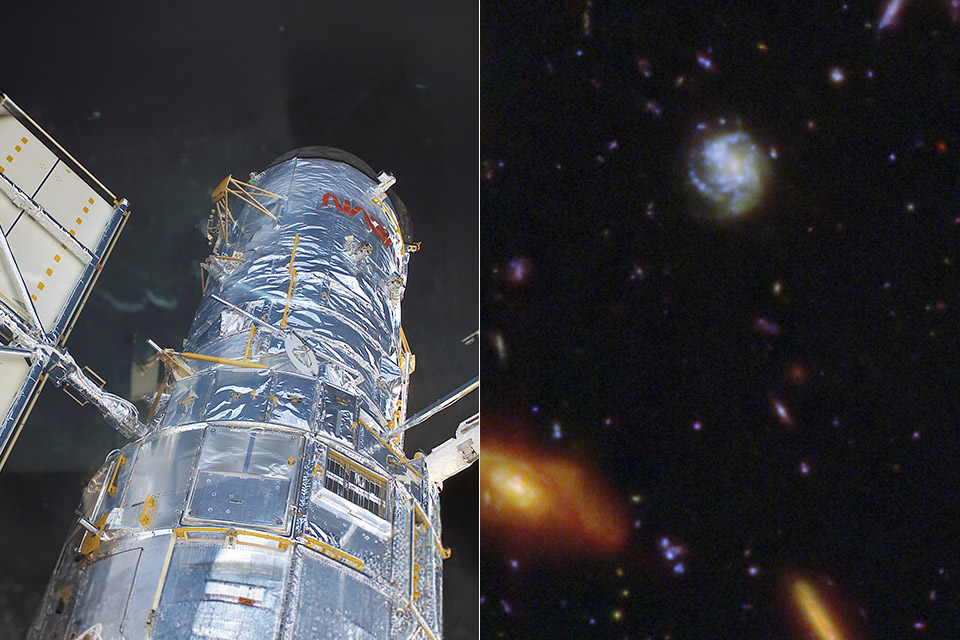
Light from a galaxy that lived just 1.4 billion years after the Big Bang traveled more than 12 billion years to reach us. Astronomers examining long Hubble exposures of a deep sky field spotted something they had not expected to see at such an early time. The galaxy, cataloged MXDFz4.4, sent out ultraviolet radiation strong enough to change the gas in its immediate surroundings from opaque to clear.


This object existed at the tail end of a long period when neutral hydrogen gas filled space and blocked energetic light. MXDFz4.4 sits in the MUSE eXtremely Deep Field, a region already studied by several telescopes. Hubble’s visible-light images captured the galaxy’s output after cosmic expansion stretched its original ultraviolet light into wavelengths the telescope could record.


LEGO Icons NASA Artemis Space Launch System – DIY Rocket Model Building Set for Adults, Ages 18+ – Gifts…
- NASA rocket model kit – Launch into a creative project with the LEGO Icons NASA Artemis Space Launch System model building project for adult space…
- What’s in the box? – This creative building set includes everything you need to craft a multistage rocket with 2 solid-fuel boosters, an Orion…
- Features and Functions – This NASA-themed rocket model features retractable launch tower umbilicals, rocket support and crew bridge, detachable…
The galaxy itself measures roughly 100 times smaller in area than the Milky Way yet forms stars about 10 times faster. Most of that activity happened in tight clusters of young, massive stars only a few million years old. Those stars produced intense radiation that broke apart hydrogen atoms in the surrounding gas. As the gas ionized and thinned, between 50 and 100 percent of the ionizing light escaped the galaxy and its immediate neighborhood.
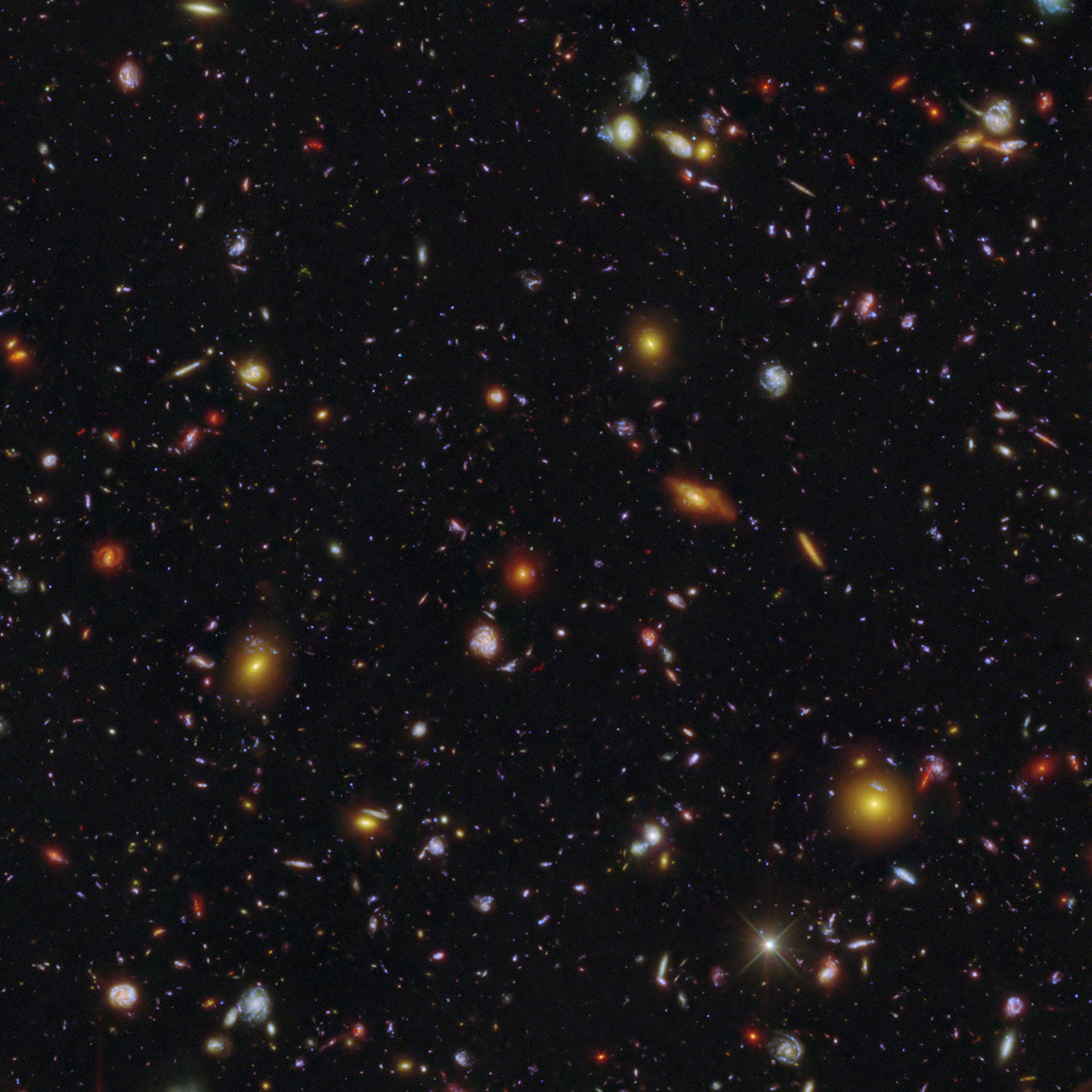
Combined Hubble and Webb photos show the galaxy as part of a dense field that includes thousands of other distant objects. Colors in the composite indicate areas where light broke free and gas cleared. Instead of a continuous production, the power came from bursts of star formation. Short-lived big stars most likely exploded, causing further holes in the remaining gas.

The discovery, according to lead author Ilias Goovaerts of the Space Telescope Science Institute, was previously thought to be impossible. Hubble not only captured the departing light, but also identified the concentrated young stars driving the alteration. Co-author Marc Rafelski pointed out that astronomers were already aware of the existence of many galaxies at the time. Prior to MXDFz4.4, no one has demonstrated unambiguous evidence of ionizing photons escaping.
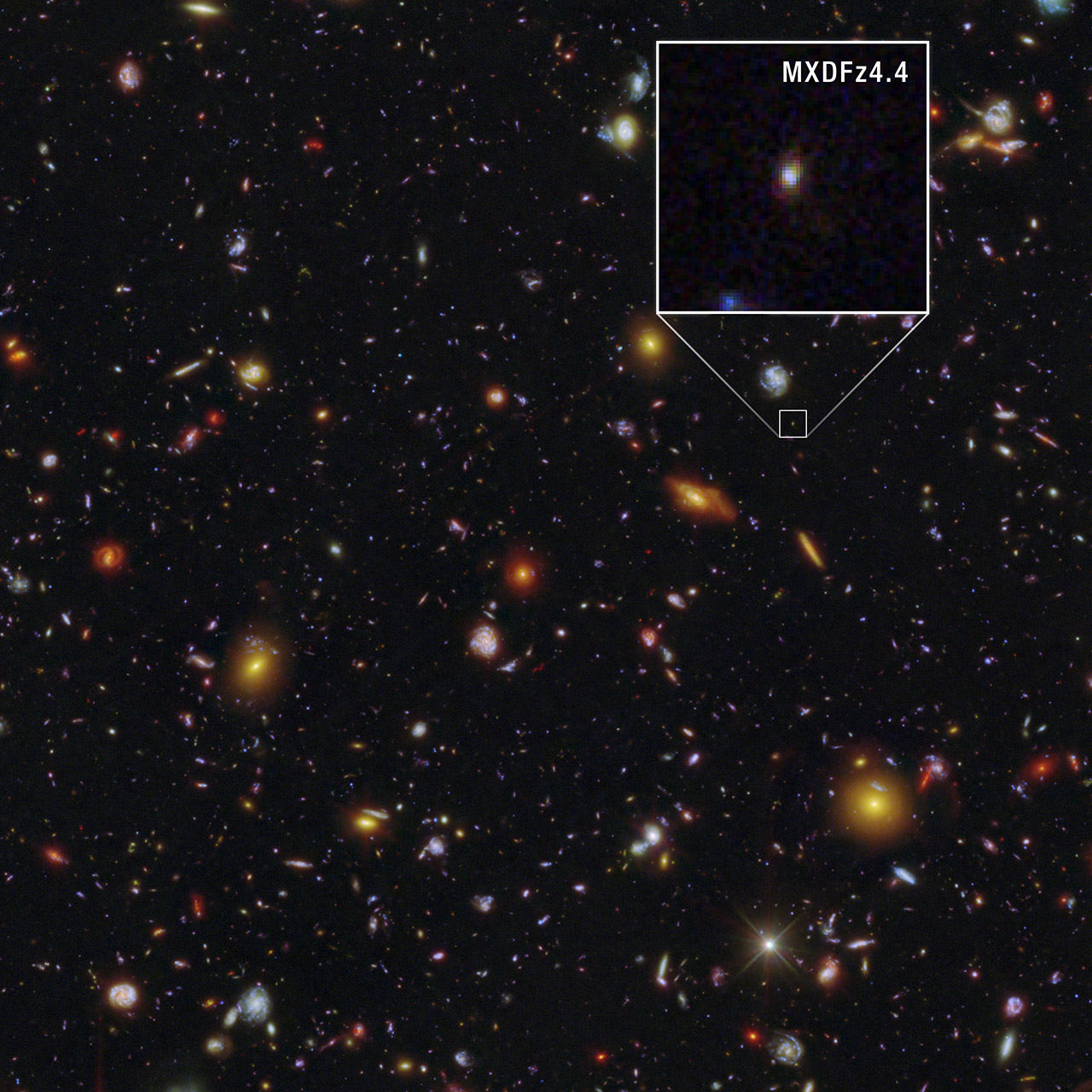
Data from the James Webb Space Telescope provided information about the galaxy’s total mass and the evolution of its oldest stars. The European Southern Observatory’s Very Large Telescope helped determine its exact distance and timing. Together, the three facilities demonstrated how a single tiny system may influence conditions directly around it during a pivotal shift in cosmic history. The discovery provides the first direct evidence of an individual galaxy changing its surrounding gas in this manner. Previous detections of similar fleeing light occurred later in time, around 1.6 billion years after the Big Bang or more. MXDFz4.4 brings the record closer to the time when the cosmos as a whole went from murky to clear.
You must be logged in to post a comment Login