Tech
Hubble’s New NGC 7722 Image Shows How This Lenticular Galaxy Holds its Secrets in Plain Sight

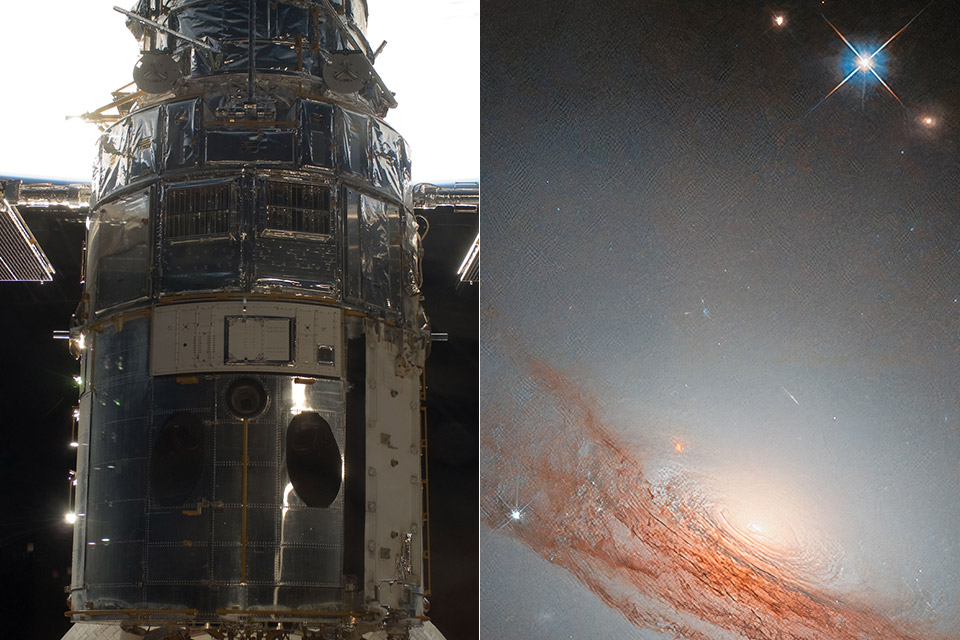
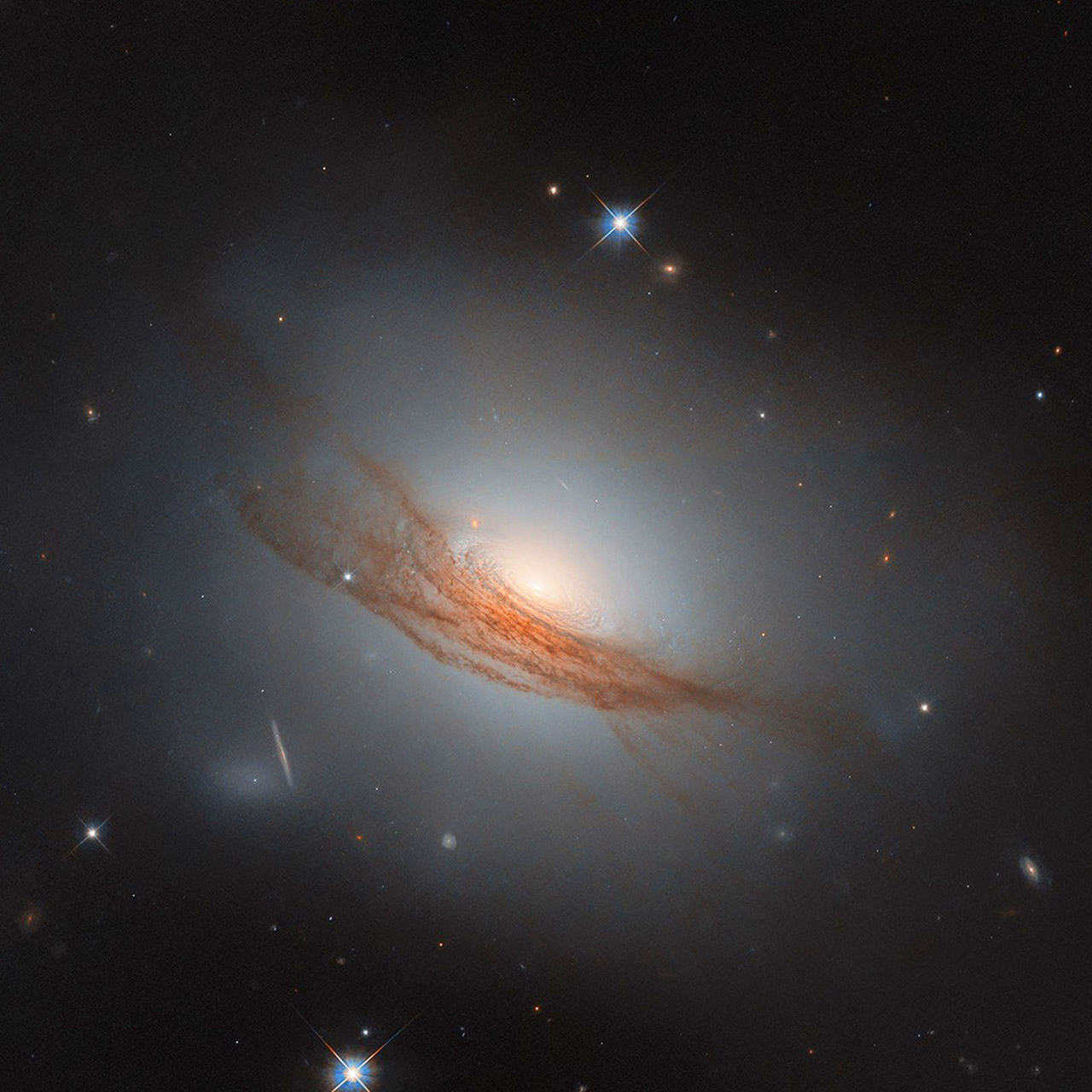
Hubble’s stunning views of distant galaxies continue to surprise us, and this latest photo of NGC 7722 serves as a gentle reminder. This lenticular beauty is a true head-scratcher, as it’s located in the constellation Pegasus, a good 187 million light-years away, and it combines characteristics from two sorts of galaxies that you’d expect to see separately. There are the graceful arms of a spiral and the smooth, rounded profile of an elliptical, but NGC 7722 stands out with a pristine disk, no spiral arms, a bright central bulge, and an outside halo that simply glows.


The amazing thing is how all of these concentric rings of dust and gas appear to lead the attention back to the bright core, which is a true focus point. Those vast lanes of dark red dust that wind across the outer disk and into the halo? They really stand out against the softer light around them, and the way those dust lanes block sections of the galaxy’s brilliance, twisting and tearing at the edges, reveals the layers of structure that are going on inside. Hubble’s Wide Field Camera 3 captured the image in detail, giving it the clearest image we’ve yet seen of NGC 7722. Best of all, it has brought the dust lanes into sharper perspective than was previously possible.
Sale


Gskyer Telescope, 70mm Aperture 400mm AZ Mount Astronomical Refracting Telescope for Kids Beginners -…
- Superior Optics: 400mm(f/5.7) focal length and 70mm aperture, fully coated optics glass lens with high transmission coatings creates stunning images…
- Magnification: Come with two replaceable eyepieces and one 3x Barlow lens.3x Barlow lens trebles the magnifying power of each eyepiece. 5×24 finder…
- Wireless Remote: This refractor telescope includes one smart phone adapter and one Wireless camera remote to explore the nature of the world easily…
Lenticular galaxies are more difficult to identify since they have a variety of properties. NGC 7722 isn’t producing stars like some of the most active spiral galaxies out there, but its disk and dust tell a story of previous evolution. Many astronomers believe that those noticeable dust lanes were left by a galaxy merger a long time ago, which essentially reshapes the entire system, stirs up all of the gas until there is almost none left, and leaves you with fresh dust that hangs around in all sorts of configurations. It’s not totally clear how lenticular galaxies formed, but collisions between galaxies appear to play a significant role in many cases.
A few years ago, this galaxy was also in the news for another reason. Back in 2020, it was the site of SN 2020SSF, a large Type Ia supernova that was visible from Earth. Hubble returned a few years later, when the explosion had subsided, to get a better look at the aftermath. They were looking for any residual radioactive material, any traces of surrounding stars that could tell scientists how old the explosion’s precursor was, and any evidence of a companion star that had been left behind. Those observations are part of a larger study program, and they are helping us put together a little more of what we know about NGC 7722’s history and how it fits into all of our cosmic distance calculations. Type Ia supernovae, as it turns out, are fairly reliable brightness standards.

You must be logged in to post a comment Login