Tech
Hydrogen Turns Molten Aluminum Into Crystal Geodes

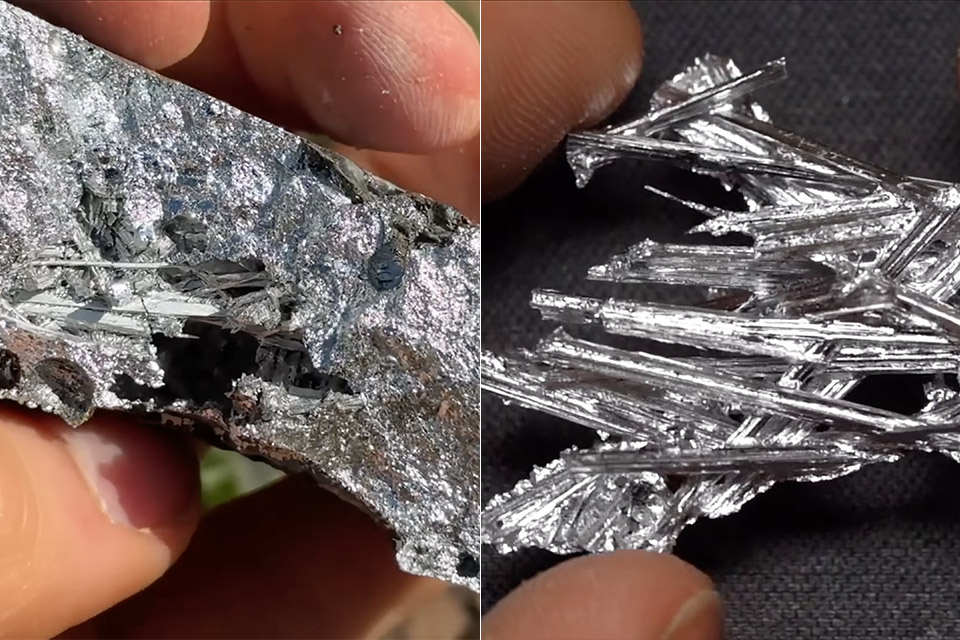
Electron Impressions encountered a problem that every aluminum foundry is all too familiar with: hydrogen gas seeping into molten aluminum and forming small gaps as the metal cools and hardened. Most people strive to remove those bubbles, but he chose to put them to good use instead.


Liquid aluminum absorbs hydrogen in much the same manner that water absorbs carbon dioxide. Water vapour in the air reacts with the hot metal surface, forming aluminum oxide and free hydrogen. At that point, the liquid metal breaks down the hydrogen molecules into individual atoms, which then dissolve directly into the melt. Sieverts’ law describes how much hydrogen is allowed in, and it all boils down to the square root of the gas pressure above it. So, if you boost the pressure slightly or keep the metal hot long enough, a lot of hydrogen will flow in.


National Geographic Gross Science Kit – 45 Gross Science Experiments- Dissect a Brain, Make Slime, Creepy…
- SUPER GROSS MEANS SUPER FUN – Science kits are way more fun when the experiments include boiling boogers, creating glowing worms, and making a test…
- EASY-TO-FOLLOW-INSTRUCTIONS – The experiment guide has kid-friendly instructions with illustrations for each step, and fascinating insight into the…
- EVEN MORE TO EXPLORE – When kids’ science gifts offer this much, there’s no going wrong! The bonus booklet inside contains 30 easy experiments, all…
However, once the melt begins to cool, solubility plummets dramatically. The gas in the solution just leaves and creates bubbles. And then, as the metal hardens, every last bit of hydrogen is pushed back out. The surrounding solid then retains the bubbles, making them permanent voids. Foundries typically consider this as a fault and attempt to eliminate it, but Electron Impressions saw a chance to intentionally create the holes and then fill them with something far superior.
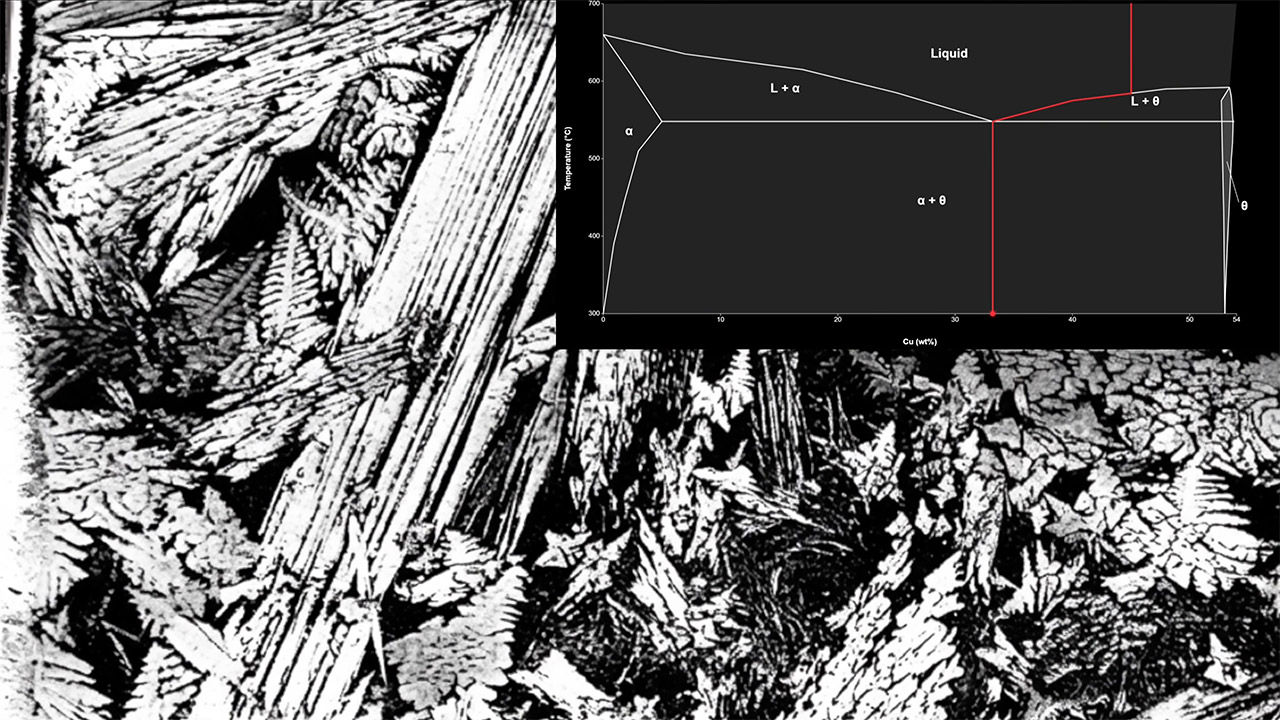
He chose to work with an aluminum-copper alloy because it responds well when cooled. The combination reaches a temperature where one phase, known as theta or Al2Cu, begins to form first. So, by keeping the hydrogen-rich melt molten for a little longer, he ensured that the gas was absorbed thoroughly and uniformly. A steady steam of water vapor bubbled in through the crucible, providing both the necessary reaction and fresh hydrogen. Every single bubble left behind a thin layer of aluminum oxide. However, the majority of the action occurred within the liquid itself.

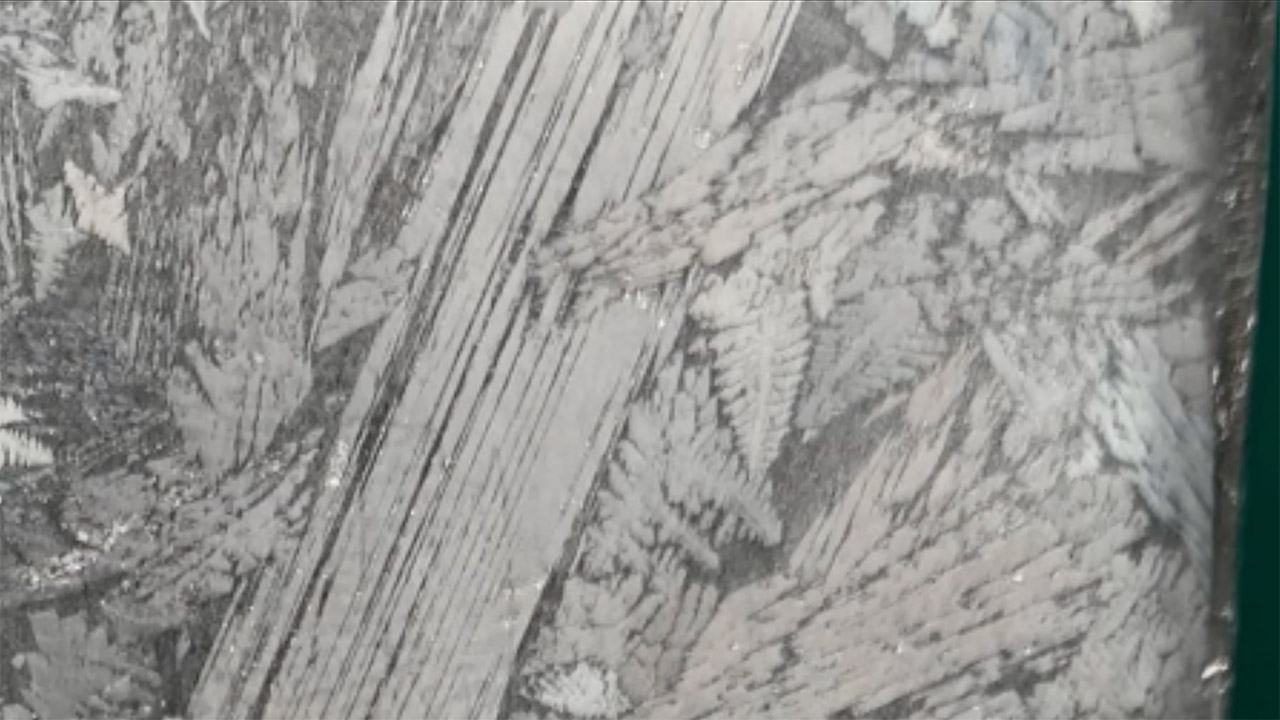
Once the alloy had absorbed enough hydrogen, he reduced the cooling rate. As the gas left the solution, the first huge voids appeared. Inside those enclosed regions, the theta phase could expand without influence from the surrounding liquid. Crystals began to form on the walls of the hydrogen bubble gradually, while the remainder of the alloy remained liquid for a little longer since its composition had not yet reached the final eutectic point. Then he poured out the remaining liquid, leaving the crystals in their own hollow chambers.
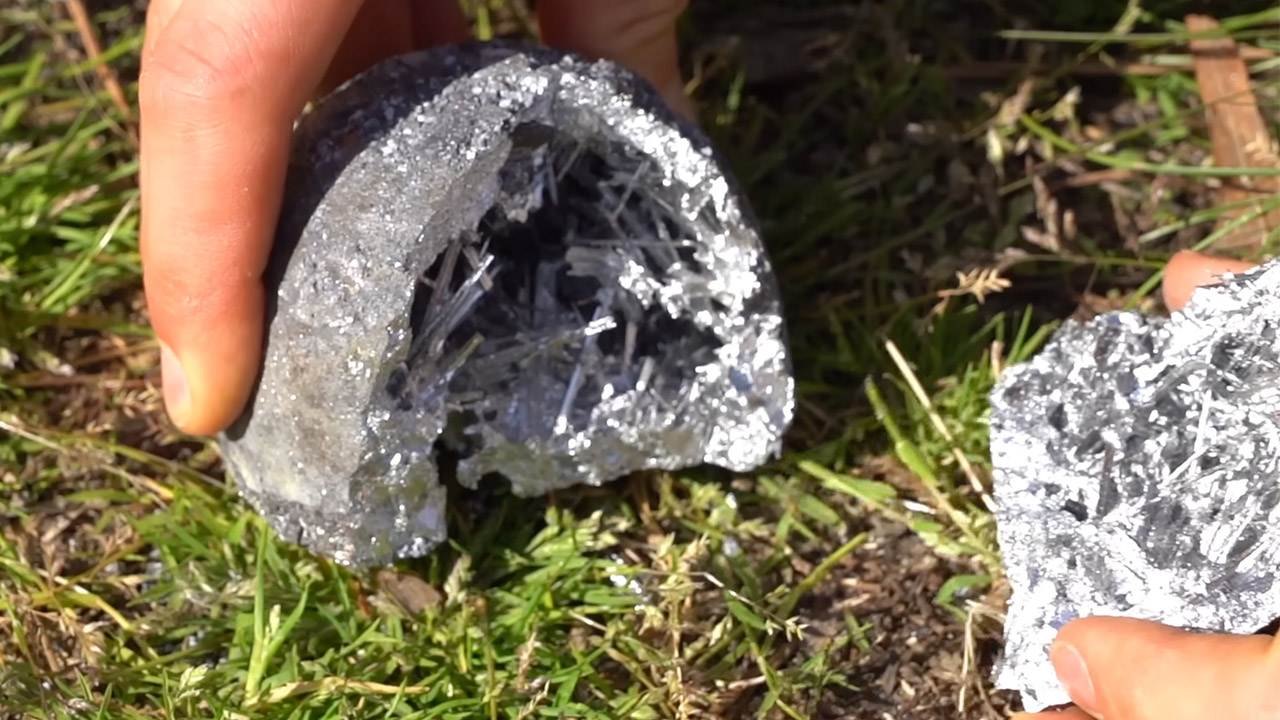
What you get resembles a metal geode. Slice it open to reveal a cavity lined with shiny metallic crystals looking back at you. These crystals only formed in the reducing environment provided by the hydrogen, thus they remained clean and free of any excess oxide layers. The amount and size of crystals vary depending on the copper content and cooling speed. More copper yields fewer thicker crystals. Less copper yields many smaller ones. Slow cooling favors the hydrogen-bubble approach, whereas quicker cooling is useful when you merely want to get the liquid out of the way and drain it out quickly.
[Source]
You must be logged in to post a comment Login