Tech
I misunderstood the Pixel 11 Pro until I stopped using it like every other flagship

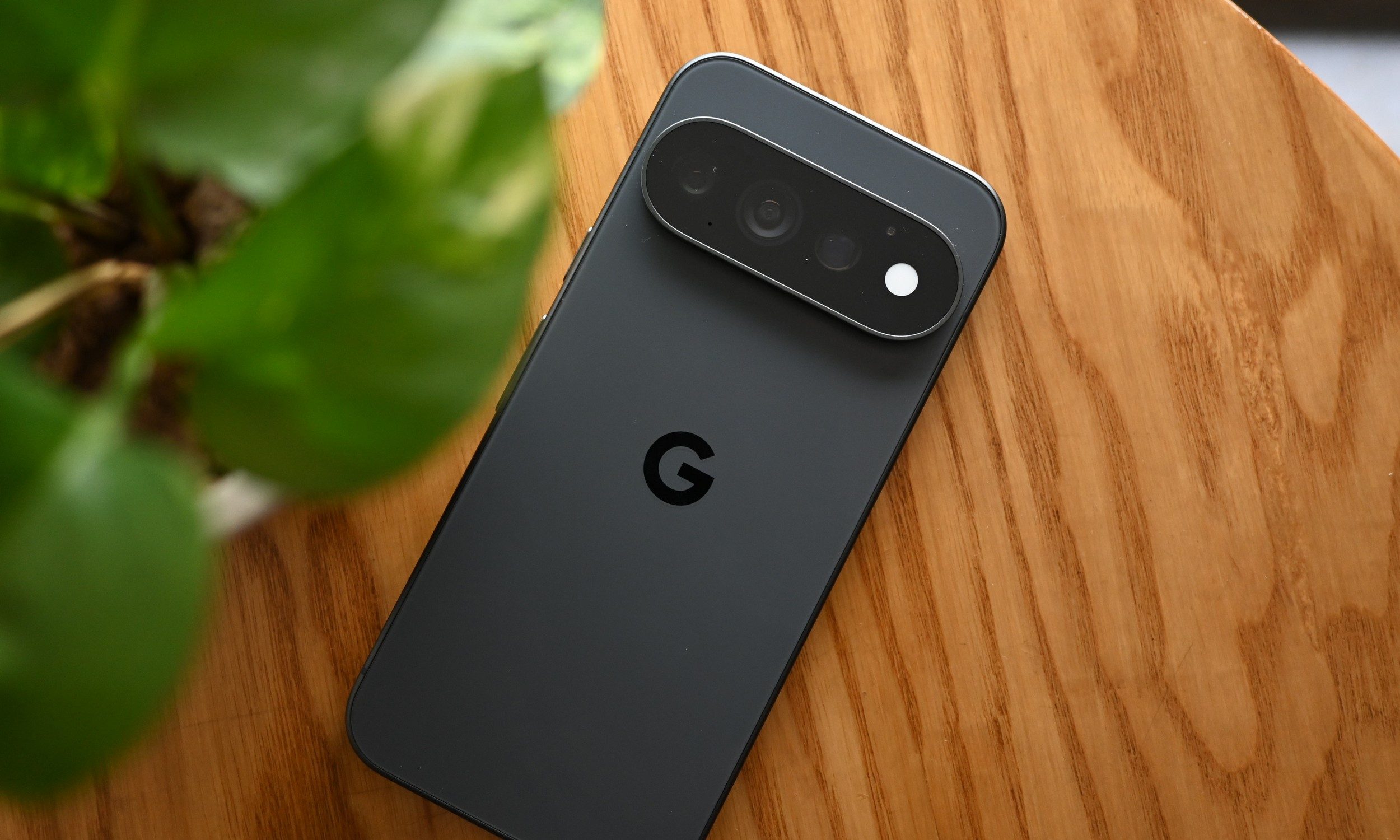
After spending some time daily driving the Pixel 11 Pro, I could find plenty of faults with the device. Comparing Google’s latest flagship with other expensive Android phones, you’ll find areas where it lags behind. It isn’t the best in terms of raw performance, battery, or even charging–and many can argue that One UI or other Android skins feel better in various aspects, especially when it comes down to customizations.
Even then, I managed to get along with it just fine, and even after reviewing it, I’ve decided to stick to it for a little while longer. The Pixel has become an increasingly divisive phone. I know some fans of the Pixel formula, and even more who dislike it with a passion. Regardless of which side you lean, it is a very “opinionated” phone. So to really see its strengths, you have to pay attention to what Google actually spent its engineering effort on.

Only room for casuals, but then again, is that really a bad thing?
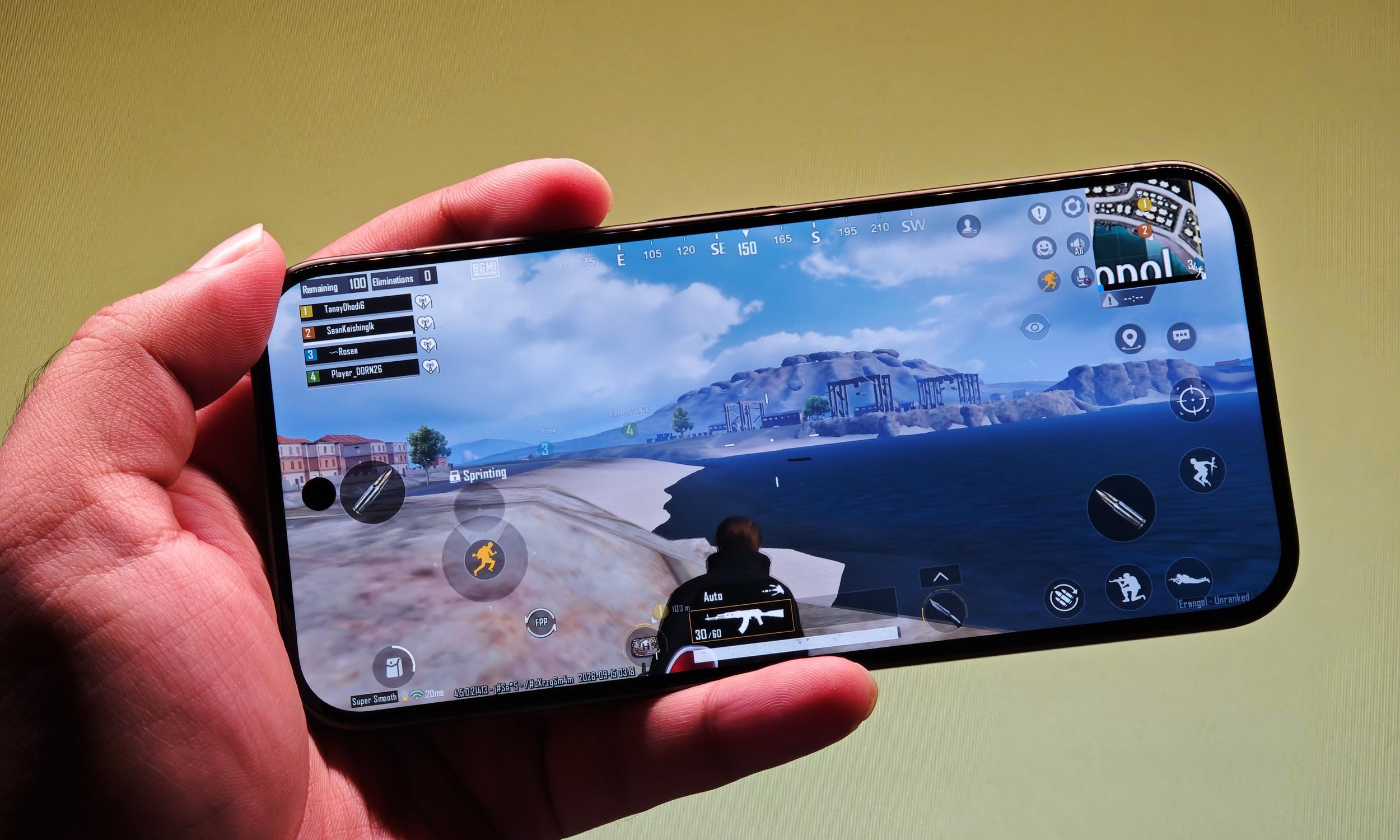
Tensor G6 still isn’t the chip I’d choose if mobile gaming were my priority, and I don’t think Google gets a free pass because Tensor was designed differently. Gaming will show you exactly where the Tensor G6 stumbles. An argument can be made for people expecting top-tier performance on their $1000+ phone, but then again, not everyone is playing AAA mobile games. The chip isn’t disgustingly slow to the point that you can’t smoothly scroll through the UI. Still, gaming was a choppy experience overall.
Tensor G6 has 50% more TPU compute than its predecessor, according to Google, and the company directly credits that additional AI processing with features such as Instant Night Sight, Magic Capture, and its latest on-device Gemini capabilities. But if you consider its real-world experience, it’s fast enough for most people. A vast majority of mobile games don’t require top-of-the-line hardware, and that’s where the Tensor shines. It is for the average user who just wants to drop in for some rounds in PUBG Mobile or play some relaxing puzzle games.
The little interactions go a long way
The same thinking extends beyond the camera. Google highlights Magic Capture, Rambler, and HiLight as three examples of how it wants the Pixel 11 family to make your experience with the Pixel smoother. Rambler is designed around transcribing naturally spoken thoughts, while HiLight provides information through the rear light without requiring you to turn the phone over.
Neither feature is enough to sell me a $1,099 phone outright. HiLight seems underwhelming for the most part, even if I prefer it over the niche sensor that I never used on the Pixel 10 Pro. But there’s a lot more solid groundwork here. Live Translation is an example, letting you dub supported audio and video into another language in real time using Tensor G6’s on-device models.
Gemini Intelligence is also getting smarter, with the system now anticipating more of your needs and working across information on the phone. Sure, a lot of these are features that will trickle down to older Pixels; still, it doesn’t take away from the fact that the Pixel experience here is the main deal. Individually, these are small features, but together, they make a genuinely good package.
Some compromises are still just compromises
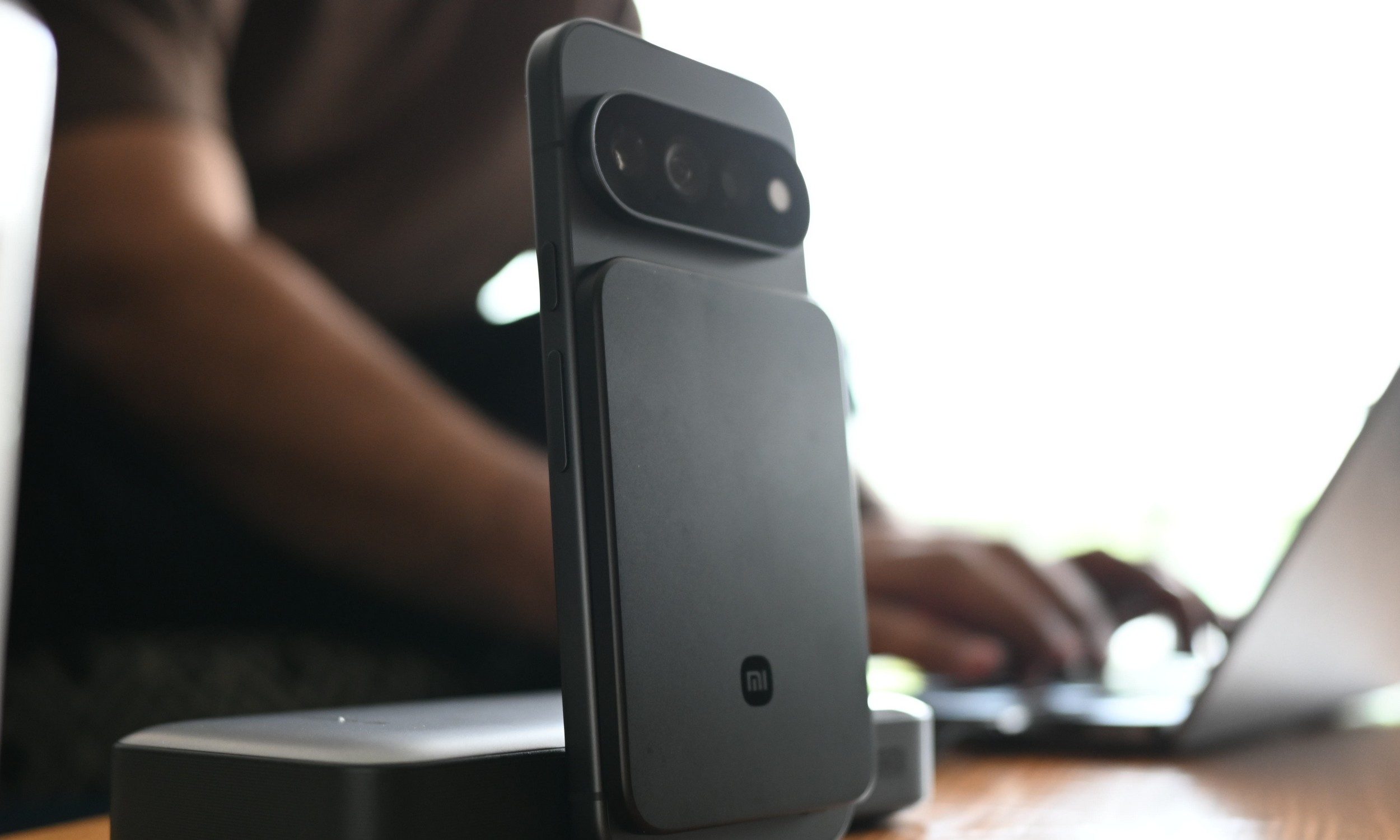
Google having a different philosophy isn’t a checkmate against the rest of the industry–being different doesn’t automatically make you right. I’ve spent enough time using phones with 80W and 90W charging that my habits have changed around them. A few good minutes restore a meaningful amount of battery.
Meanwhile, the Pixel 11 Pro requires more planning. Battery life isn’t worth showing off either. Tensor G6 appears reasonably efficient, which only makes me wonder how good the smaller Pro could be with a little more capacity. Figuring out Google’s priorities helped me appreciate the phone, not blinding me to its issues. The software is there, but the hardware still has a little catching up to do.
Google isn’t playing the same game
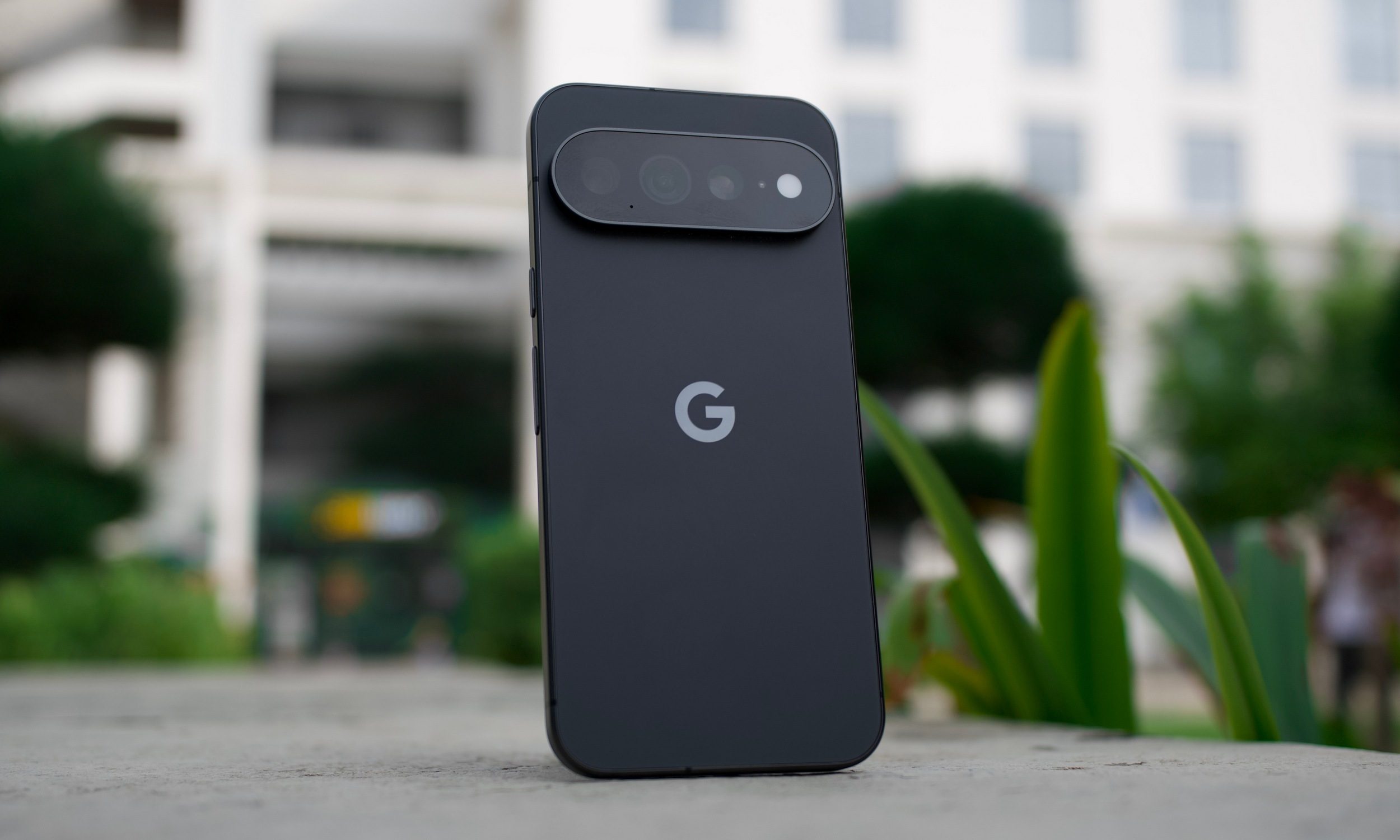
People often miss the point of Pixels. Google honestly isn’t competing in terms of shipments with Apple or Samsung. The company is only moderately pushing to grow Pixel sales and mainstream appeal. It is mainly using the Pixel lineup as a hardware and AI showcase. Pixel Drops are also a big highlight, which offer the first access to the latest Android features (along with bug fixes).
So if you’re a competitive mobile gamer or a power user who needs a long-lasting and powerful phone, the Pixel is definitely not my first recommendation. Used to charging a phone in 20 minutes? Well, that is out of the question too. I wouldn’t try to convince you that you’re looking at the Pixel incorrectly; there are plenty of good options out there. Your only mistake would be assuming otherwise.
You must be logged in to post a comment Login