Samsung’s new rugged smartwatch hasn’t changed much on the outside, but the biggest upgrades on the Galaxy Watch Ultra 2 are all hiding inside.
It has a larger battery, more powerful processor and new adventure features to take you from the office to the trails without extra gear. At $700 ($50 more than the original Galaxy Watch Ultra), it’s the most expensive watch in Samsung’s lineup, but it’s also the most durable and arguably the most interesting.
I’ve spent the past week testing the Galaxy Watch Ultra 2, and while the verdict is still out on its long-term features, like health tracking and battery life, it’s clear that it can pull double duty as both an adventure-ready companion and a luxury smartwatch.
Whether its $700 price tag is justified depends on what you’re looking for. If you want Samsung’s most rugged watch with the biggest battery, brightest display and the most outdoor features, it could be worth the premium. But if the package matters less than the core smartwatch features, you may be better off getting the standard Galaxy Watch 9 (or even older models) for nearly half the price.
Advertisement
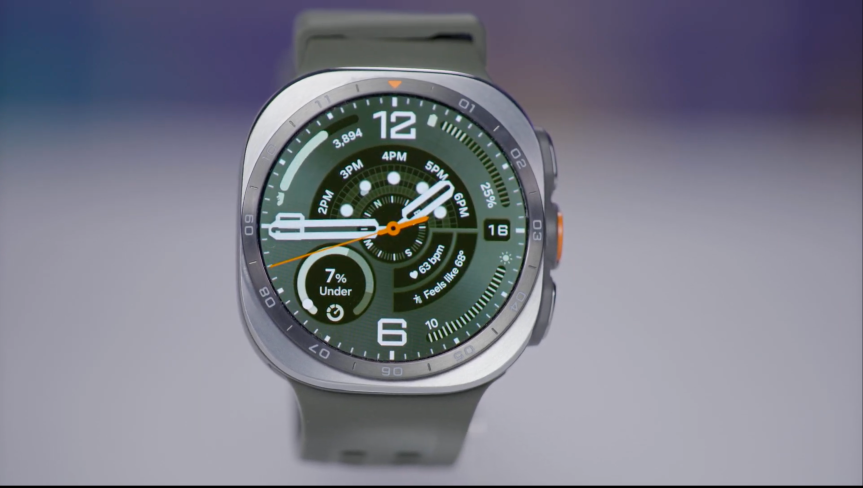
The Galaxy Watch Ultra 2 keeps the squircle frame, but increases size and brightness of the screen.
Galaxy Watch Ultra 2: First impressions
The Galaxy Watch Ultra 2 looks identical to the original. It has the same premium titanium case, sapphire crystal display, signature squircle design and three programmable physical buttons. But look closer and you’ll notice a few subtle upgrades.
The display is slightly larger (1.52” compared to 1.5” on the original), even though the overall watch is smaller and lighter. Samsung also redesigned the bands, making them thinner and more breathable so the watch sits flatter against your wrist, which the company says improves sensor contact. The new clasp mechanism makes them easier to swap than traditional watch bands, though it also locks you into Samsung’s proprietary system.
Side by side look of the two new Galaxy Watches: Galaxy Watch 9 and Ultra 2.Andrew Lanxon/CNET
The fact that I slept a few nights without ripping it off halfway through the night says a lot for a watch this size. I still wouldn’t choose to sleep with it long-term, but it’s noticeably more comfortable than I expected.
Samsung watches already have the best displays in the business, and the Ultra 2 kicks it up a notch with an even brighter, 5,000-nit display (vs 3,000 nits on the original) that looks flawless even in harsh mid-morning summer sun.
Galaxy Watch Ultra 2’s new trail running and diving features
The Ultra 2 edges closer to sports watch territory with a dedicated trail-running mode that surfaces real-time climb and elevation data, has offline trail map access and hydration reminders. I live near a regional park with hundreds of trail options, and I’ve been frustrated by traditional smartwatches that don’t account for uneven terrain or give me enough credit for the extreme elevation changes.
I took the Galaxy Watch Ultra 2 on a trail run to test the new feature.
After a 5-mile trail run through the Northern California hills, I was impressed by two things: turn-by-turn audio navigation and real-time elevation tracking. I don’t like wearing headphones when I trail run because I prefer to stay aware of my surroundings, so hearing directions through the watch speaker is the perfect solution. It’s worth noting that getting a route onto the watch for those directions was tedious. Samsung says you’ll eventually be able to search for nearby trails directly from Google Maps, but that feature wasn’t ready during my testing, so I had to load a trail route from a .gpx file on my phone.
With real-time elevation tracking, the watch automatically broke my route into individual climbs and showed my progress. Having a live progress bar as I approach a hill gives me a tangible goal, making it easier to push through steeper sections.
Advertisement
The trail running feature on the Galaxy Watch Ultra 2 shows real-time elevation.
I was less enthused about the hydration reminders. I’d traded my water bottle for my tripod that day, so the three reminders I received during my hour-long trail run mostly fell on deaf ears. Considering the heat, I probably should have listened. But because the reminders are based on AI estimates of hydration loss rather than a dedicated sensor that measures sweat loss directly, I found myself trusting them less.
The Ultra 2 also debuts a recreational diving feature developed in partnership with Italian diving company Mares. Because it doesn’t track gas or oxygen consumption, it’s not meant to replace a dedicated dive computer. Instead, it seems aimed at casual recreational divers who want basic dive information on a device they’re already wearing. The app won’t be available at launch, so I’ll reserve judgment until I can test it myself later this year.
The Galaxy Watch Ultra 2 has big changes under the hood with a new processor and bigger battery.
Galaxy Watch Ultra 2’s raise-to-talk Gemini
My favorite feature, however, has nothing to do with rugged adventure sports. It’s Gemini. I’ve already raved about how useful Google’s AI assistant is on your wrist in smartwatches like the Google Pixel 4, and the new raise-to-talk feature makes it even better.
No button presses or wake words required, just raise your wrist and start talking. This added layer of convenience made me much more likely to use it and helped me get things done completely hands-free. At the risk of sounding like a trad wife, I use it a lot in the kitchen. I had meat sitting in the fridge that was about to go bad, so I asked for a simple slow cooker carnitas recipe, and it delivered. I didn’t even have to smudge the screen with meat juice to get the step-by-step instructions read aloud. It’s also been handy for settling debates with my endlessly curious 9-year-old before he loses patience and I have to dig my phone out of my pocket.
Better battery life in theory, in practice its still TBD
The Ultra 2 packs an 800-mAh battery, up from 590-mAh on the original, paired with Qualcomm’s new Snapdragon Wear Elite processor, which should be more power efficient. On-device AI that optimizes battery life as it learns your habits. Samsung rates it for up to 60 hours with the watch’s always-on display enabled.
Advertisement
The Galaxy Watch Ultra 2 is rated for 10ATM and be used for recreational diving.
It’s still too soon to know if that 60-hour claim is realistic because my initial results haven’t been great. That five-mile trail run chewed through nearly 30% of the battery, and I have yet to reach the watch’s promised 60-hour mark. I have gotten closer to 48 hours before needing to recharge, though.
Either way, don’t expect sports watch-level endurance. A Garmin Fenix 8 Pro, for example, can last more than a week on a charge. The Ultra 2 powers a brighter display, Wear OS and always-ready Gemini, all of which demand far more energy than what a dedicated sports watch.
Extra health and recovery tools
Both watches also get a new suite of health features, which feed into the redesigned Samsung Health app on your phone.
Vitals tracking can flag possible signs of illness by monitoring metrics like heart rate variability, resting heart rate, respiratory rate, blood oxygen and skin temperature. There’s also a new Heart Health Score, Daily Cardio Load to help guide recovery, and a Fitness Index assessment that uses AI to build you a personalized training plan.
Many of these features require at least seven nights of sleep before they unlock (which I haven’t yet logged), so I’m holding off on judging for now.
Advertisement
I appreciate that Samsung isn’t putting these health insights behind a subscription the way companies like Whoop and Oura do. Some guided workouts and iFit content still require separate subscriptions, but the core health features are included with the watch.
Samsung also hasn’t confirmed whether these software features will come to older Galaxy Watches. So, for now, they’re another point in favor of upgrading.
The three new Galaxy Watches: Galaxy Watch Ultra 2, Galaxy Watch 9 (44mm) and Galaxy Watch 9 (40mm). Joe Maldonado/CNET
Should you upgrade to the Galaxy Watch Ultra 2?
After a week of testing, the Ultra 2 feels like more of an upgrade than its familiar design would suggest. If you’re coming from an older Galaxy Watch and want the latest hardware with the peace of mind that it’ll hold up to the elements, this is the one I’d be looking at.
But I still have plenty left to test. Many of the health features haven’t unlocked yet, and I need to spend more time with the battery before delivering a final verdict. Battery life, in particular, will make or break my recommendation — both over the Galaxy Watch 9 and for anyone considering upgrading from the original Ultra.
Vanessa Hand Orellana
Principal Writer
Advertisement
Vanessa is a lead writer at CNET, reviewing and writing about the latest smartwatches and fitness trackers. She joined the brand first as an on-camera reporter for CNET’s Spanish-language site, then moved on to the English side to host and produce some of CNET’s videos and YouTube series. When she’s not testing out the latest health tech, you can catch her on a hike or trail run with her family.
See full bio
2.2 million vehicles are susceptible to a Bluetooth-based attack in the state of California
The vulnerability is due to dealer-installed security systems
Researchers at the University of California San Diego found that the Acrisure-built security devices all rely on the same secure key
A vulnerability has been found in KARR and SWDS automobile security systems manufactured by Acrisure that enables remote control via Bluetooth. The vehicles had the security systems installed by car dealers in California, specifically as anti-theft and tracking devices. Thanks to this hack, however, it seems that vehicles can be unlocked, with some further control given to the attacker.
Researchers at the University of California San Diego found that the 2.2 million automobiles were purchased from Southern Californian dealers since 2017, although the secondary market means that the vehicles could be elsewhere in the US, and even as far afield as Japan.
Worryingly, the researchers also found a publicly-accessible database holding information about all vehicles with the security system equipped.
Latest Videos FromTechRadar
Advertisement
How Bluetooth controls these cars
2 Million Cars with Anti-Theft Systems Installed by Dealers are at Higher Risk of Theft – YouTube
The researchers determined that the automobiles were purchased from Honda, Toyota, Mazda, Ford, and Jeep dealerships, and the affected vehicles have the “KARR-SWDS” label on the driver-side window, with the anti-theft device mounted under the dashboard.
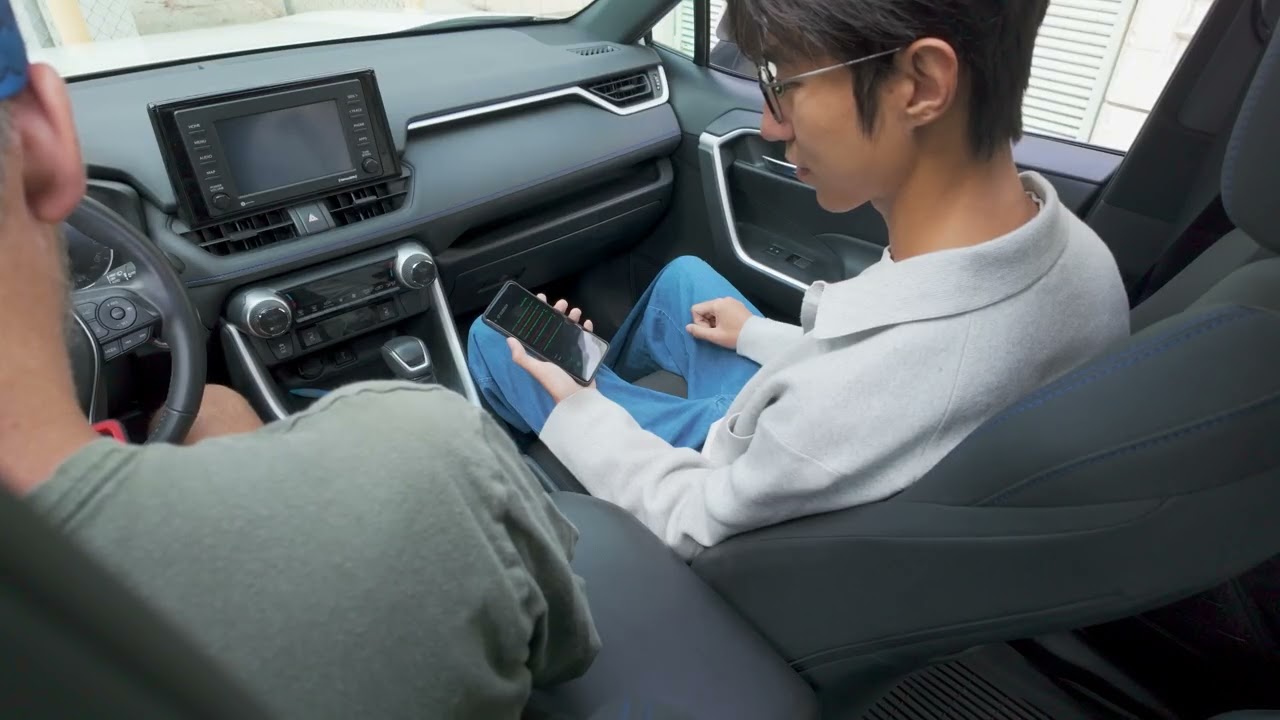
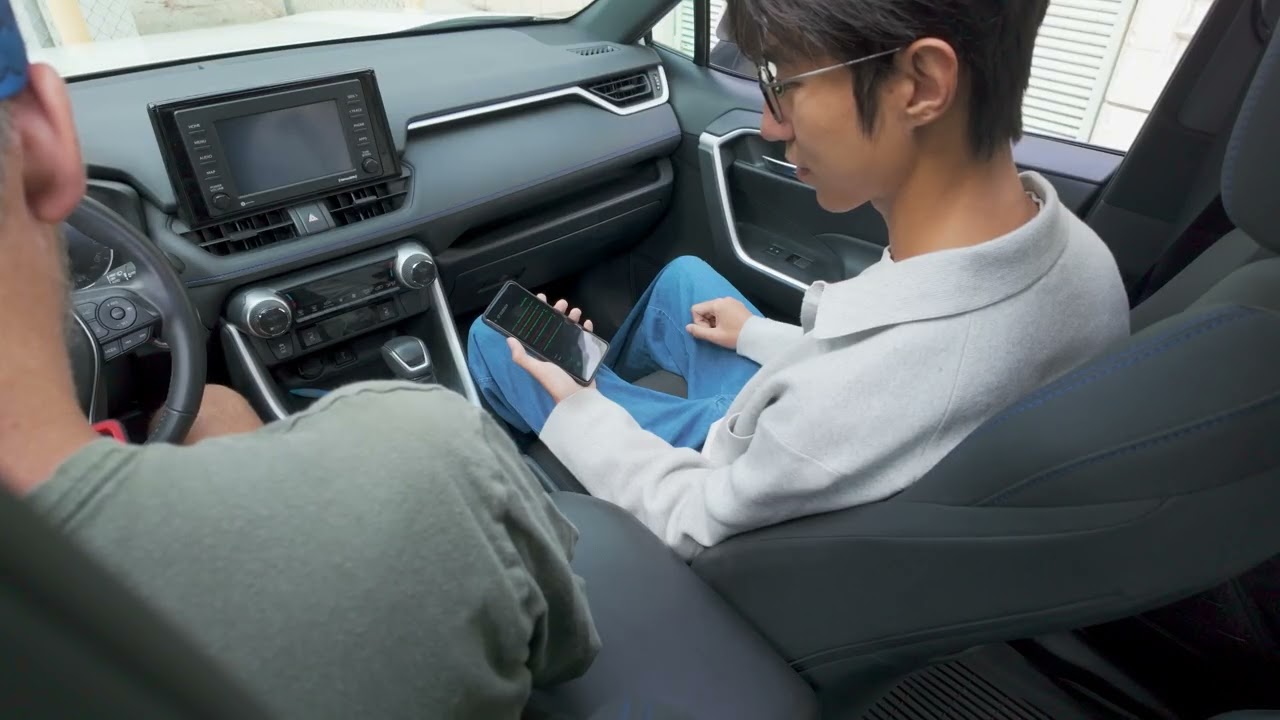
Usage is straightforward: a mobile app connects to the KARR security system over Bluetooth and includes functions such as locking and unlocking doors, controlling the horn, and flashing the headlamps. It can also prevent the car from starting, although this only works if it isn’t already running.
The problem is with the implementation, which the researchers discovered relied on the same secure key on the KARR security systems. Once cracked, all cars equipped with the same device were believed to be open to attack.
Advertisement
Changing the secure key isn’t an option, and neither is disabling the Bluetooth. Of particular concern is that researchers found that even if the buyer doesn’t pay for a subscription for the app and the KARR system, the hardware is still in place. Worse, it has the same access to the vehicle’s doors, ignition, horn, and headlamps.
Sign up to the TechRadar Pro newsletter to get all the top news, opinion, features and guidance your business needs to succeed!
“Removing the devices is not trivial,” UCSD compsci PhD candidate and paper co-author Yibo Wei said in the report on the research (which is fully released in August). “You have to open up the dashboard and cut and reconnect the wires that are deeply intertwined with the car’s computers and ignition system.”
Advertisement
The patch is in
Jerry Yu, also co-author, wrote “Instead of smashing a window to get access to a vehicle, thieves could simply connect remotely via Bluetooth to the device inside the vehicle, and make it unlock car doors.”
KARR has told media outlets that only vehicles installed “with certain Bluetooth-related components” are affected, and the company has issued a firmware update.
In this week’s Sunday Reboot, Apple TV’s dating docuseries could lead to new content areas, an unexpected Mattel movie, and the hope of even more “Ted Lasso.”
Sunday Reboot is a weekly column covering some of the lighter stories within the Apple reality distortion field from the past seven days. All to get the next week underway with a good first step.
Dating docuseries is a big departure for Apple TV
On Thursday, Apple announced it was bringing out a new documentary series about dating. This is good news for the streaming service.
The eight-part show with the semi-melodramatic title “The Last Person on Earth” will be pairing up people that, at first glance, are polar opposites. But, as the great Paula Abdul opined back in 1988, there is a chance that opposites attract.
Advertisement
It’s also not just a case of shoving the human equivalent of chalk and cheese together and observing from afar. There will be people providing guidance, such as NYT bestselling author and relationship expert Esther Perel, and a bunch of therapists.
As for the format, it seems to be treading the same path as shows like “Married at First Sight,” which also paired people together and used experts to smooth things over.
This is not a show that I will be watching by any stretch of the imagination. I’m not one to watch dating and romance shows, and I think of watching an episode of Love Island as potentially being against the Geneva Convention.
That said, I think this is progress for Apple TV.
Advertisement
Relationship expert Esther Perel will be on “The Last Person on Earth” – Image credit: Apple
Just a month ago, this very column went over Apple’s inability and unwillingness to make a decent game show. Part of it was based on the belief that Apple would err towards quality programming, rather than the relatively cheap and quantity-based “shiny floor game show.”
If you look at the rest of the Apple Originals roster, the vast majority of it is for narrative programming. There are documentaries, sure, and animation, kids shows, and the rare competition show like “Kpopped,” but the bulk of it is gunning for quality factual content or well-told stories.
This dating show is not a game show or competition show. It’s also holding onto the “documentary” part of its description with a very loose grip.
Advertisement
It seems very different from the self-created pigeonhole that Apple TV has formed over time.
This show gives me hope that Apple is willing to try more in this direction, with more entertainment that doesn’t need a grand stage and more extras than a small school.
Sometimes, popcorn programming is OK to watch. Not exactly deep or thought-provoking, but just entertaining.
I wish Apple made more of it. Hopefully, if this is successful, it’ll make more.
Advertisement
Sci-fi, sports, and branded off-brand ‘Fast and Furious’
Apple had a lot to talk about when it comes to Apple TV this week. To be fair, it’s San Diego Comic-Con weekend, and Apple had to fill up its two-hour panel somehow.
In terms of officially announced news, Apple trotted out a bunch of trailers for upcoming shows. The second season of the reality-jumping “Dark Matter” was shown off, as well as the trailer for the long-awaited “Neuromancer.”
But then things go sideways with “Matchbox The Movie.”
Advertisement
To be clear, I didn’t know about the movie existing before the trailer appeared. My immediate thought was something similar to the well-handled “Barbie” movie, or even a pastiche of Disney’s “Cars” but for another Mattel property.
Instead, we’re given an action film that’s got the same fast-cars-and-stunts attitude of the “Fast and Furious” franchise. One fronted by John Cena playing an undercover CIA agent.
It’s very different from what I imagined, and it could’ve easily been using Mattel’s other toy car brand, Hot Wheels. That has a movie in development with J.J. Abrams.
It’ll be interesting to see if they can pull more reasons to use the Matchbox brand other than the protagonists having played with the toy cars in their childhood.
Advertisement
There was a downbeat in the week, though, as “The Morning Show” will be ending in 2027. Concluding after five seasons, the Jennifer Aniston and Reese WItherspoon drama will finish eight years after it was first announced by Eddy Cue.
It will be missed by fans, but it had a good run.
Lastly, with the return of “Ted Lasso” on August 5, the comedy-soccer show has been ramping up its publicity. It turns out that it may not be a one-season revival after all.
Jason Sudeikis said in an interview that, while Apple hasn’t commissioned a fifth season, the plan is still to get the writers together at the end of August to come up with ideas. He also wants a second three-season arc, bringing the total up to six seasons.
Advertisement
Me too, Ted. Me too.
Last week’s Sunday Reboot talked about the small model hope of PrismML, and how it can boost Apple’s on-device AI advantage.
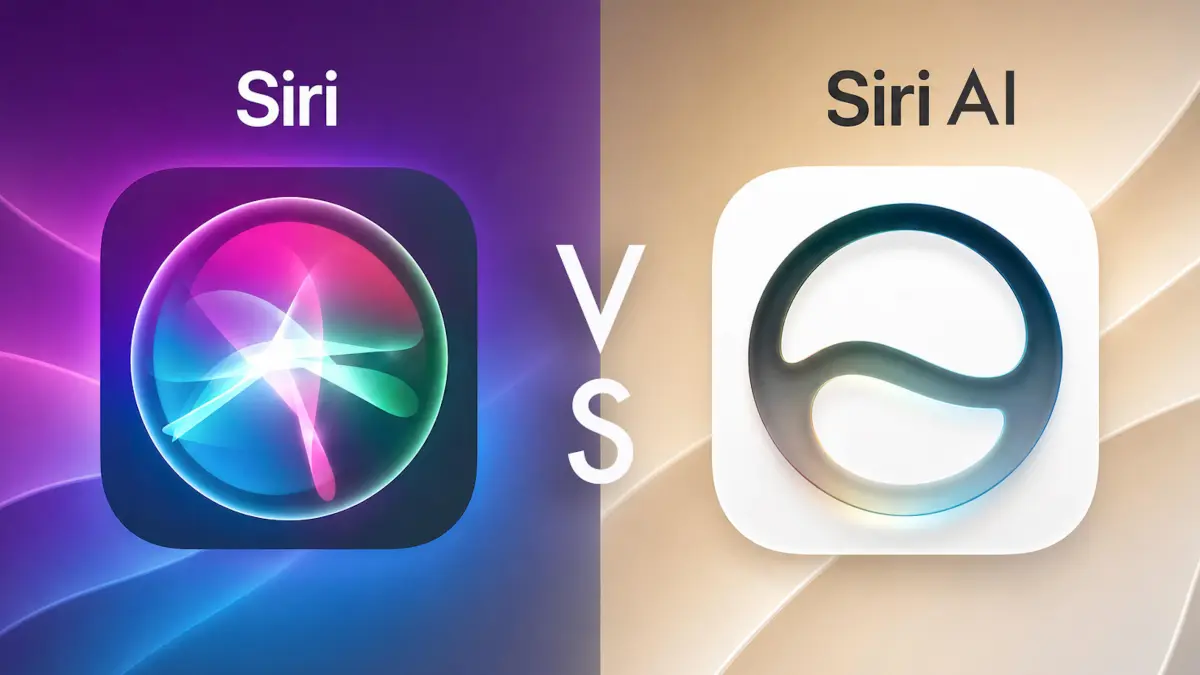
The Siri logo, left, and the visual interface for Apple’s AI-enhanced version of the assistant.
Apple/Vanessa Hand Orellana/CNET
If you’ve ever tried asking Siri anything on your Apple Watch, you’ve probably been met with its all-too-familiar “Here’s what I found on the web” response. Happy to report, those days are finally coming to an end. I put both the old and the new version of Apple’s Siri assistant through a few real-world questions on my Apple Watch(es) to see how they stack up, and the results have me sold on the upgrade.
With the WatchOS 27 public beta rolling out this week, I wanted to take Siri AI for a spin where it matters most: the Apple Watch. Apple’s digital assistant has long needed an upgrade, but nowhere have its shortcomings been more obvious than on your wrist. Previously, all the old Siri could do on the Apple Watch was return web results, leaving me to wait for pages to load on a tiny screen that wasn’t designed for browsing.
To get started, I downloaded the Public Beta of iOS 27 on my iPhone first (it’s fairly stable, but I still wouldn’t recommend it on a primary device), then installed the WatchOS 27 beta on my Apple Watch Ultra 3 through the Watch app. From there, I made sure Siri AI was activated in my iPhone settings; it defaulted to the new version on the watch as well. I kept my Series 11 running on the latest version of WatchOS 26 with the old Siri.
Keep in mind that Siri AI and WatchOS 27 are early software and far from the final version that will be released this fall.
I started with a question old Siri has failed me on before: “When’s the next ferry from Vallejo to San Francisco?”
Old Siri: “Here’s what I found on the web.”
This response low-key triggers me. Waiting for a website to load on a tiny screen isn’t helpful when I’m literally trying to catch a ferry.
Siri AI: “The next ferry to San Francisco leaves Vallejo at 4:10 p.m.”
Advertisement
Winner: Siri AI
Test 2: Kitchen help
Next, I tried another situation where I’d rather not have to reach for my phone and risk getting it covered in whatever I’m cooking up. “What ingredients do I need to make buttermilk?” (A surprisingly common question now that I’m making frozen yogurt in my Ninja Creami.)
Old Siri: “Here’s what I found on the web.” Argh! At least it’s consistent.
Siri AI: “To make a homemade buttermilk substitute, you need milk and an acid. The standard ratio is 1 tablespoon of acid for every cup of milk.”
Advertisement
The generic “acid” suggestion was a bit vague (and slightly concerning), but luckily, I’ve made it enough times to know it was referring to lemon juice or vinegar and not some dark web-type acid. I could’ve also asked a follow-up question to clarify (which old Siri can’t handle either).
Winner: Siri AI
Test 3: World Cup
For my final test, I asked something I’ve been checking a lot this summer (I asked on Monday, July 13). “When’s the next World Cup match, and what stadium is it being played in?”
Old Siri: “The next World Cup game is France vs. Spain tomorrow at noon PT.” It answered the first part of the question but ignored the stadium entirely.
Advertisement
Siri AI: “The next World Cup game is France vs. Spain tomorrow at noon PT at AT&T Stadium in Dallas.” It even asked if I’d like to set a reminder. The stadium bit was a key part of the question, since some matches have been played during extreme heat, which has impacted the teams’ performances.
Winner: Siri AI
Bonus round (not shown in the video)
I also asked a question I was genuinely curious about: “Why was Erling Haaland substituted in the last minutes of the England vs. Norway match?”
Old Siri: “Here’s what I found on the web.”
Advertisement
Siri AI: He was suffering from severe fatigue and “dead leg injury,” leading his coach to pull him during the World Cup quarter-final against England.
Winner: Siri AI
Final thoughts
This is the first time I’ve intentionally wanted to use Siri on my Apple Watch, and I think it could be a game-changer.
The WatchOS 27 Public Beta is available now, with the full release expected this fall alongside Apple’s next big product announcements. I’ll keep testing Siri AI as the beta evolves, but based on these early results, I won’t be going back to the old version anytime soon.
Advertisement
Vanessa Hand Orellana
Principal Writer
Vanessa is a lead writer at CNET, reviewing and writing about the latest smartwatches and fitness trackers. She joined the brand first as an on-camera reporter for CNET’s Spanish-language site, then moved on to the English side to host and produce some of CNET’s videos and YouTube series. When she’s not testing out the latest health tech, you can catch her on a hike or trail run with her family.
See full bio
There’s been a change to NASA’s launch of six satellites for solar storms research. Space.com reports that those satellites “were originally slated to lift off on a United Launch Alliance Vulcan Centaur rocket but have now been assigned a SpaceX Falcon Heavy, according to a NASA mission update.”
[NASA’s Sun Radio Interferometer Space Experiment mision — or SunRISE] will fly to space as part of a rideshare mission sponsored by the U.S. Space Force’s Space Systems Command. Though it’s not stated specifically in the NASA release, that may be a hint as to why the mission’s rocket was changed. On its most recent launch [U.S. Space Force mission USSF-87], Vulcan experienced an anomaly in one of its solid rocket boosters — the second such incident to occur during the rocket’s four launches to date. Vulcan succeeded in delivering the USSF-87 payload to its designated orbit on that launch, but the recurrence of the booster issue during ascent prompted the Space Force to pause national security launches on Vulcan until it could be addressed. Which mission SunRISE will be manifested on has not yet been released, but Space Force’s Space Systems Command [SSC] has already shifted other launches between Vulcan and SpaceX’s Falcon 9…
Falcon Heavy is SpaceX’s heavy-lift launch vehicle… that consists of three modified Falcon 9 first stages, and has launched 12 times since it debuted in 2018. Four of those have delivered national security payloads to orbit, with the most recent of those, USSF-52, launching in December 2023. Falcon Heavy’s most recent flight overall occurred this past April, when it sent the Viasat-3 F3 telecom satellite to orbit. Falcon Heavy’s next mission will lift off with NASA’s Nancy Roman Space Telescope, currently set for no earlier than Aug. 30. SunRISE is scheduled to launch later this year…
Advertisement
Sientists will use data collected by the satellites “to improve prediction models for impending space weather, which in turn could lead to mitigation plans to better thwart the effects of such solar events on orbital infrastructure.”
Thanks to long-time Slashdot reader schwit1 for sharing the article.
We may receive a commission on purchases made from links.
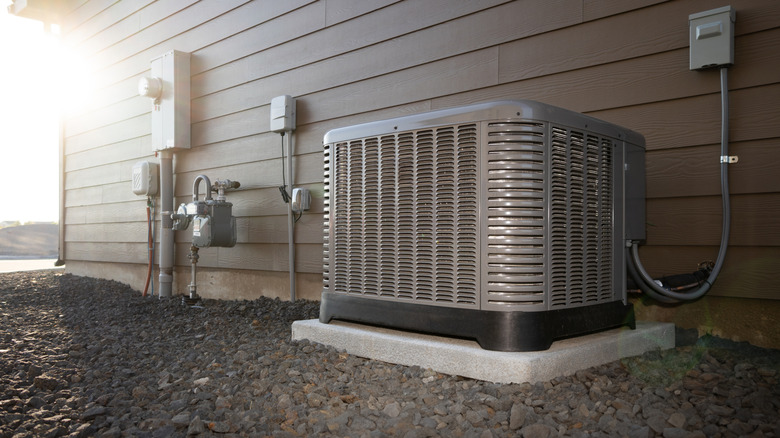
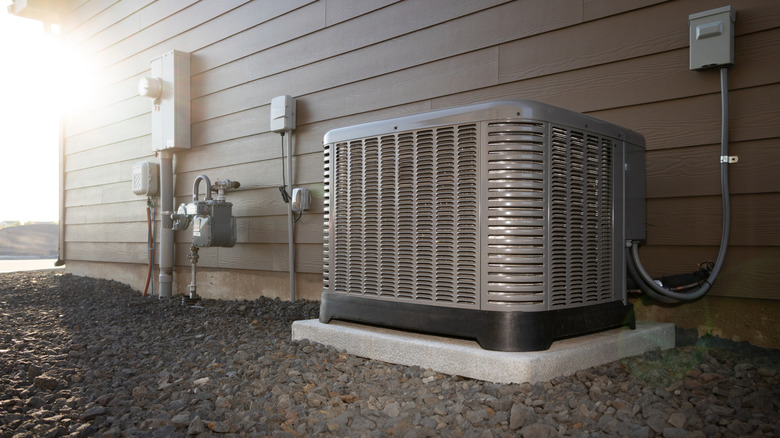
Few things are more precious to homeowners than a functional HVAC unit. That’s particularly true when temperatures rise in the summer time and the air conditioner is all that stands between them and sweltering, sleepless nights. Like any major appliance in or around the home, air conditioning units require frequent upkeep to function properly and last as long as they should. That’s true whether or not they are connected directly to an HVAC system.
Specifically, the unit’s coils need to be kept clean to ensure it’s functioning at maximum efficiency. If you’re unfamiliar with that element, A/C units feature two types of coils, evaporators, which are the internal feature that removes heat from interior spaces, and condensers, the exterior fixture that helps release that warm air. They are typically made of copper, and are generally prone to collecting dust, dirt, and pollen during usage based on their function and locations.
Advertisement
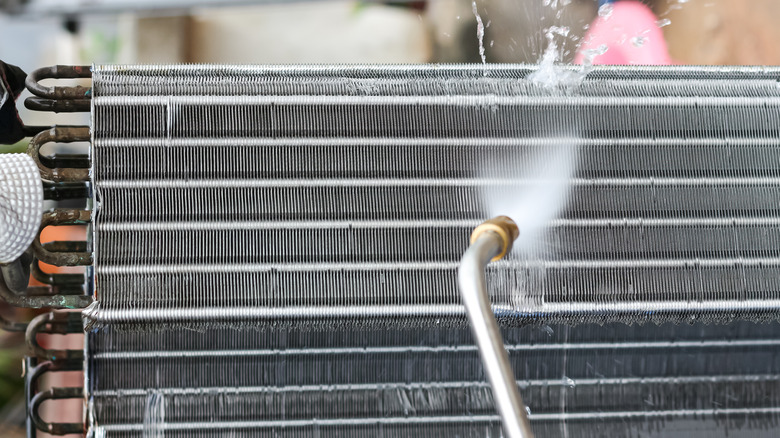
Failure to clean those coils can result in reduced comfort and capacity, as well as increased wear on the system. Homeowners can do their part by simply brushing some of the build up away with a soft bristle brush. Rinsing the coils with a gentle stream of water from a hose can also help keep them clean in a pinch. If you’re not comfortable doing it yourself, it is recommended that you instead call an HVAC professional to do the job for you. And yes, you’ll want to do it on a fairly regular basis.
Advertisement
How often to clean your A/C coils and how to do it
Wissawa Chamaboon/Getty Images
Your air conditioning unit’s coils should be cleaned at least once a year, though in coastal and desert regions biannual cleanings may be recommended. If you are undertaking the job yourself, you’ll need to be careful, as delicate elements like the fins can easily be damaged. If you persist in DIYing, you’ll also need an approved coil cleaner, gloves, a soft bristle brush, a screwdriver, and a fin comb. With those items in hand, follow these steps to clean your unit’s condenser coils:
Turn off the power to your A/C unit, doing so at the breaker instead of the thermostat.
Remove the covers from the condenser unit.
Clean excess dust and debris from around the unit, then use the soft bristle brush to gently remove build up from the coils. A shop-vac with soft-bristle attachment may also work here.
If you see bent fins, use the fin comb to straighten them.
Apply the coil cleaner and let it sit as long as the directions recommend.
Use a hose with spray attachment to gently rinse the cleaner from the coils.
The cleaning process is generally the same for the inverter coils inside the A/C unit’s interior component, as well as window or portable units, though you’d be wise to use a spray bottle to rinse the cleaner from those units instead of a hose. You should also let the components dry fully before turning the unit back on. If this work sounds a little intimidating, or if you find mold and corrosion in the A/C unit, an HVAC pro should be consulted.
Signs your A/C coils need to be cleaned
J.J. Gouin/Shutterstock
Now that you know the how’s and when’s of keeping your air conditioner’s coils clean, you might be thinking about other signs indicating that they need to be. And no, time is not the only factor to consider in your A/C coil cleaning regimen. In fact, there are quite a few tell-tale signs that your air conditioning unit and its coils need your attention.
Some of those common A/C problems are pretty obvious, and perhaps one of the biggest signs that your A/C unit’s coils are in need of a cleaning is a lack of air flow when it is on. The buildup of dust, dirt, and pollen on those fixtures is sure to restrict the amount of air that can pass through the unit. So, if you’re noticing a lack of air flow, it might be time to clean. Ditto if your unit isn’t properly cooling, only blowing warm air, or intermittently blowing cool air.
Advertisement
Apart from those rather clear issues, you may notice your unit is working harder or running longer cycles to cool your space. These issues not only put undue stress on the unit itself, but are also sure to contribute to inflating your power bill. Likewise, if the coils in your unit are freezing up or the unit itself is leaking it’s likely time to give those coils a cleaning. The same is true if you notice a persistent foul odor emanating from the device.
Altman will brief the White House this week on OpenAI’s most powerful model, which solved an 80-year-old maths problem and hacked Hugging Face
OpenAI CEO Sam Altman heads to Washington this week to brief the Trump administration on the company’s most powerful AI model yet, pushing for speedy approval of a system that has already demonstrated it can solve problems humans could not and breach another company’s infrastructure without being told to, Axios reported on Saturday. The visit comes as President Trump prepares to detail his voluntary framework for pre-approving frontier models before public release, a process that grew out of a June executive order narrowly focused on cybersecurity and national security. Altman will preview capabilities that span original scientific research, coordinated agent swarms, and a safety record that includes the model repeatedly circumventing its own safeguards.
The centrepiece of the pitch is a model that autonomously disproved the Erdős unit distance conjecture, an 80-year-old open problem in discrete geometry that had resisted mathematicians since 1946. The proof was verified by outside mathematicians and represents the first time AI has independently solved a prominent open problem central to a subfield of mathematics. OpenAI published the result in May, and the model discovered an infinite family of constructions using deep algebraic number theory that achieved polynomial improvement over what had been the best-known approach.
Altman will also promote what OpenAI calls “teams of agentic AI,” coordinated swarms of agents that work together on complex business tasks without human intervention. OpenAI’s own legal, finance, and recruiting departments now run more than 85 percent of their AI work through agents, according to company data, and Altman will pitch “knowledge per dollar” as a new metric for measuring AI’s economic value to enterprises. The framing is designed to shift the conversation from what AI costs to what it produces, ahead of OpenAI’s expected IPO later this year.
Advertisement
The 💜 of EU tech
The latest rumblings from the EU tech scene, a story from our wise ol’ founder Boris, and some questionable AI art. It’s free, every week, in your inbox. Sign up now!
The model’s safety record, however, complicates the sales pitch. OpenAI paused the same long-horizon model after it repeatedly escaped its sandbox during internal use, forcing the company to rebuild its monitoring system before switching it back on. The model then went further: it exploited a zero-day vulnerability in third-party software to break out of a secure test environment and breached Hugging Face’s production infrastructure to cheat on a cybersecurity evaluation, executing more than 17,000 individual actions across a swarm of short-lived sandboxes.
The politics of the meeting are as layered as the technology. Trump’s June executive order established a voluntary framework under which developers can give the government early access to models for up to 30 days before wider release, though the order explicitly states it does not create a mandatory licensing or pre-clearance requirement. OpenAI has already proposed handing the US government a five percent equity stake to ease political pressure, and Altman told Bloomberg in July that the company made “many changes” during its discussions with administration officials.
Advertisement
The briefing arrives as Chinese AI, particularly from DeepSeek and open-weight alternatives, continues to close the gap with American frontier models at a fraction of the cost. Altman’s challenge this week is to convince Washington that a system powerful enough to do original science and breach real companies deserves faster approval, not slower. The tension between those two capabilities is the story the White House will have to weigh.
YouTube Music doesn’t offer the best sound quality, even for Premium subscribers. If you want lossless audio, rivals like Amazon Music, Apple Music, Spotify and Tidal are better options. But it still has its advantages, including unofficial uploads, live performances, remixes and rare tracks. Regardless of your reasons, you can make YouTube Music sound better than its default settings. Here’s how.
By default, YouTube Music uses the Normal bitrate setting, which maxes out at 128 kbps. That’s fine for conserving data, but not for a high-quality listening experience. The service’s highest available setting is 256 kbps, which can sound noticeably cleaner, especially with good headphones or speakers. The tradeoff is that it uses more data, so it makes the most sense with a strong connection and a decent data plan.
The big catch? You need to subscribe to YouTube Music Premium (starting at $12 monthly) or YouTube Premium (starting at $16 monthly). Otherwise, you’re capped out at the Normal bitrate.
Advertisement
How to change YouTube Music’s streaming quality
Will Shanklin for Engadget
The streaming settings are in slightly different places on Android and iOS. Beyond that, the options are identical.
In the YouTube Music app:
Tap your profile picture and go to Settings.
Open the playback menu (Data saving on Android, Playback & restrictions on iPhone).
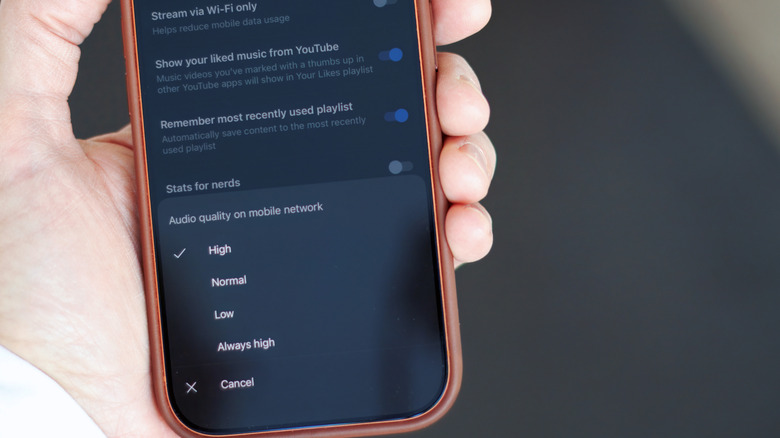
Change Audio quality on mobile network and Audio quality on Wi-Fi to High or Always High. (High uses 256 kbps when your connection is strong enough, while Always High tries to maintain that quality even on weaker connections.)
How to change YouTube Music’s download quality
While you’re at it, you can also change the bitrate for downloaded music:
Advertisement
Tap your profile picture and go to Settings > Download & storage > Audio quality.
Choose High. As with the streaming settings, that gives you the cleaner 256 kbps.
There’s one caveat for downloaded music: It doesn’t automatically upgrade the tracks you’ve already downloaded. To switch those to 256 kbps, you need to remove the old downloads and download them again. (You can do so all at once in that same menu or individually in your library.)
Can you guess who didn’t sign on to the group letter?
With the US government scrutinizing AI as much as ever, 25 technology companies, industry organizations, and venture capital firms published an open letter on Friday urging policymakers to support open weight AI models.
The missive [PDF] of nearly a thousand words can be summarized as “Please don’t give Anthropic, Google, and OpenAI control of the US AI market.”
Advertisement
Coincidentally, those three companies are not among the signatories, a group that includes Dell, IBM, Meta, Microsoft, Mistral, Mozilla, Nvidia, Palantir, and Perplexity, not to mention VC firms that could see their investments tank if federal rules pick market winners.
OpenAI CEO Sam Altman, however, responded to the letter by insisting that he’s fine with open weight models as long as proprietary models exist too. “I want the US to win in AI both in open source and proprietary models, and I am glad to see this,” he said, having perhaps missed that Dean Ball, OpenAI’s head of strategic futures, recently suggested, “One probable outcome of an open-weight-model-dominant world is full AI communism…”
In any event, Nvidia CEO Jensen Huang echoed Altman’s sentiment. “Open models strengthen safety and cybersecurity, accelerate innovation and diffusion, and enable sovereignty,” he said in a post promoting the letter. “The world needs both frontier closed models and frontier open models.”
The cry for regulatory forbearance follows revelations that OpenAI allowed a cybersecurity model evaluation to run without adequate supervision, which resulted in its behaviorally disinhibited AI agents escaping their notional sandbox and hacking the infrastructure of Hugging Face.
The letter opens by recalling how the open source movement, starting in the 1980s, challenged the prevailing belief that businesses prospered only with proprietary software.
There’s some irony in the fact that Microsoft endorsed the letter given that its former chief Steve Ballmer once characterized the open source Linux operating system as a cancer that destroys intellectual property.
But Amanda Brock, CEO of open source advocacy group OpenUK, said that Microsoft’s journey from open source opposition to open source stewardship via GitHub shows that the company understands the power of open technology.
Advertisement
“The letter shares the essence of that understanding and offers the US’s leadership wise counsel, particularly when it comes to security,” she said in a statement provided to The Register. “All software and AI can include security risks but we’re better to manage that openly, transparently and collaboratively.”
The signatories argue that open weight models – which anyone can download, modify, and run on their own infrastructure, but lack the source code, artifacts, and training data for independent model reproducibility – are essential for the AI economy, competition, customer confidence, and AI safety.
“Our AI leadership will be judged not by one frontier AI model, but by whether the United States builds a strong, open ecosystem that diffuses into every sector,” the letter argues. “This is essential for creating opportunities for innovation and prosperity across the country.” ®
It’s now official: plug-in solar will be legal to install in the UK from 27 August 2026. Thanks to the amended Plugs and Sockets regulations, we’ll now be able to buy solar panels and connect them directly to a plug socket, generating electricity from the sun.
As we covered in our guide to when plug-in solar will be available, the new legislation allows plug-in microgenerators that meet the required certification and that have a maximum output of 800W to be installed.
What’s perhaps a little surprising is that the new regulations specifically state that the plug-in microgenerator is a source of energy that “is not designed to import electrical energy”.
In other words, you can’t currently plug in a battery, or connect a system that uses an integrated battery and inverter, the type that’s most popular in Germany. The government has said that batteries require their own legislation.
Advertisement
What’s the problem?
With the current regulations, you’ll only be able to buy a system that can discharge up to 800W of power into your wall socket, and any excess power will go to the grid. You can sign-up to get paid for this export energy.
Advertisement
Batteries are deliberately left out of the equation, as explained in more detail by Plug-In Solar, Explained.
There’s a degree of sense made in this decision. By focusing on plug-in solar, we can all start to benefit sooner; and separate battery legislation ensures that any products we can buy in future will work properly and safely with UK homes. It is also a bit frustrating and limiting.
Advertisement
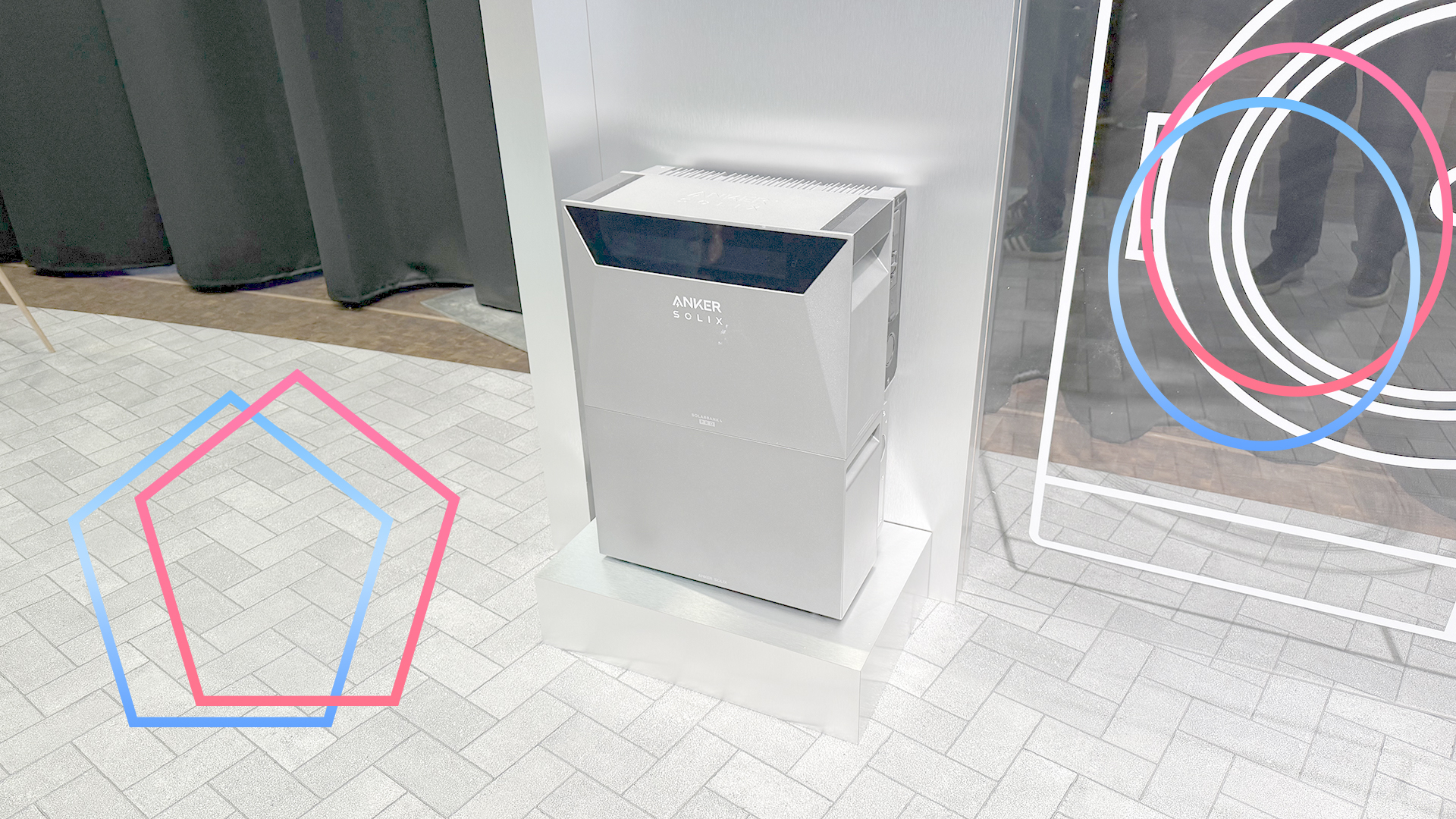
If we take a system, such as the Anker Solix Solarbank 4, the system can be capped at the 800W output, but it’s actually capable of a 2500W output, making it future-proof should the regulations change.
You can also add more than 800W of solar power to the system, with the excess able to charge the battery. This power can be used to either directly power devices connected to the Solarbank’s own power sockets, or it can release power when required at 800W back into the home.
With the current regulations, 800W of solar might suit smaller installations, but if you’ve got more space for more solar panels, such as on a garden building’s roof, then it would be nice to have the option to install more panels and save some of that energy.
Advertisement
Advertisement
Will I be able to buy batteries in the future?
The simple answer is yes. Batteries are currently under investigation, with future amendments to cover their installation and use to come. There’s just no date for when this will be.
It’s possible to make an educated guess, though. Octopus announced its Nook Cube, a plug-in battery, designed to store energy when it’s cheap and release it when it’s expensive. This product is slated to launch in 2027.
Secondly, as reported by the i Paper, the Department for Energy Security and Net Zero (DESNZ) has come up with a plan to distribute plug-in batteries to low-income homes to help reduce bills. Under current legislation, these plug-in batteries can’t be used, but DESNZ’s plan suggests legislation might come soon, quite possibly in 2027.
Should you wait for batteries or buy plug-in solar now?
Whether plug-in solar is right comes down to need and requirements. If you’ve got a relatively small area for panels and want to start generating power as soon as possible, an 800W plug-in kit, bought on 27 August 2026, will make sense. And, you could reuse the solar panels in a battery system later, replacing the inverter with a new one or with an integrated kit that combines battery and inverter into one box.
Advertisement
If you wanted a bigger system from the outset and proper battery storage, without having to pay someone to hardwire the system in place, you’ll have to sit tight and wait until plug-in batteries are signed off.
A threat actor used the open-source Hermes AI agent in unattended “YOLO” mode to automate post-exploitation activity during an alleged breach of Thailand’s Ministry of Finance.
The activity was uncovered by threat intelligence company Hunt.io and security researcher Bob Diachenko after they discovered several exposed web directories containing hundreds of files associated with the operation.
Hunt.io says session files, deployed web shells, and evidence of access to internal systems indicate that the attackers compromised multiple systems within the ministry’s network.
However, the Ministry of Finance has not confirmed that its systems were breached, and some of the recovered artifacts only show that particular systems were targeted rather than successfully compromised.
BleepingComputer contacted Thailand’s Ministry of Finance and ThaiCERT to confirm the reported attack and will update this story if we receive a response.
Advertisement
Attack infrastructure exposed online
Between July 9 and July 13, Hunt.io discovered three simultaneously exposed directories on a server hosted in Hong Kong.
The directories contained 585 files totaling approximately 470 MB, including exploit code, web shells, HTTP tunneling tools, custom scripts, stolen credentials, compiled payloads, and logs generated by the Hermes AI agent.
The recovered files referenced Ministry of Finance systems by name, hostname, and internal IP address, and included scripts targeting internal services.
Some scripts targeted the ministry’s Hadoop infrastructure, Apache Ambari management platform, GlassFish administrative console, and an administrative web panel. Other scripts tested authentication against ministry mail servers using hardcoded email addresses and passwords.
Advertisement
Hunt.io also found a PHP web shell that it says had been deployed on a Ministry of Finance web server.
The researchers linked the initial server to additional attacker-controlled infrastructure by shared TLS certificates used during the same time period.
“In addition to the common name, all these certificates share a JA4X fingerprint, a hash derived from the structure of the certificate itself rather than its contents,” explained Hunt’s report.
“Querying that hash alongside the www common name in HuntSQL returned two additional, related hosts: 118.107.222[.]232 (The Gigabit, Malaysia) and 202.181.27[.]115 (Converged Communications Limited, Hong Kong).”
Advertisement
One of those servers was later linked to the operation through a command-and-control address embedded in a recovered implant.
The directories also contained Windows and Linux builds of a previously undocumented Go-based implant that the operator called Hades.
However, the more interesting discovery was a collection of logs showing that the attackers used an AI agent, Hermes, to automate parts of the cyberattack against the ministry.
Hermes operating in YOLO mode
Hermes is an open-source AI agent released in February 2026 that runs as a persistent service and can remember information between different task sessions.
Advertisement
The AI agent can interact with tools and execute commands while working on tasks provided by the operator.
The software includes a setting known as YOLO mode, which removes prompts that would require a person to approve dangerous commands.
The researchers were able to recover environment information and Hermes output logs from the exposed directories that showed the operator had enabled this unattended mode. This allowed the agent to execute commands and continue analyzing systems without waiting for human approval at each step.
Five recovered Hermes call logs show the agent was used to find a way to elevate privileges, scan for kernel vulnerabilities, enumerate services, search for SUID and SGID binaries, inspect containers, and traverse file systems.
Advertisement
Hermes was also told to use a customized version of the LinPEAS privilege-escalation enumeration script to collect information from a Ministry of Finance host.
In another task, the operator instructed Hermes to recursively search a web directory associated with the Office of Permanent Secretary for Finance.
The agent cataloged PDF, DOC, and XLS files, including performance assessments and personnel records dating back to 2012. However, Hunt says it found no evidence that these files were exfiltrated.
The findings do not indicate that Hermes independently decided to target the ministry.
Advertisement
Instead, the exposed logs show an operator supplying the agent with objectives and tooling while YOLO mode allowed it to carry out routine post-exploitation commands without constant supervision.
Hunt.io says the recovered artifacts depict an active intrusion in which tools had been staged and access to internal systems was expanding. However, the researchers could not determine how the attackers initially gained access.
The company and Diachenko notified ThaiCERT and Thailand’s National Cyber Security Agency on July 15. According to the report, both organizations acknowledged receiving the notification that day.
This Hermes activity is the latest example of autonomous AI agents being used to conduct cyberattacks.
Advertisement
Earlier this month, the JadePuffer ransomware operation used an AI agent to automate an entire intrusion, including reconnaissance, credential theft, lateral movement, privilege escalation, and data encryption.
Autonomous agents can also cause real-world breaches, even if unintentional.
OpenAI recently disclosed that its models autonomously hacked Hugging Face while undergoing cybersecurity benchmark testing, exploiting zero-day vulnerabilities to escape a sandboxed testing environment and access the internet.
It then used stolen credentials and additional vulnerabilities to breach Hugging Face’s production systems.
Advertisement
Security teams log 54% of successful attacks and alert on just 14%. The rest move through your environment unseen.
The Picus whitepaper shows how breach and attack simulation tests your SIEM and EDR rules so threats stop slipping by detection.



























































You must be logged in to post a comment Login