Connect with us

Tech

IEEE Plays a Pivotal Role In Climate Mitigation Talks

Published

on

IEEE has enhanced its standing as a trusted, neutral authority on the role of technology in climate change mitigation and adaption. Last year it became the first technical association to be invited to a U.N. Conference of the Parties on Climate Change.

IEEE representatives participated in several sessions at COP30, held from 11 to 20 November in Belém, Brazil. More than 56,000 delegates attended, including policymakers, technologists, and representatives from industry, finance, and development agencies.

Following the conference, IEEE helped host the selective International Symposium on Achieving a Sustainable Climate. The International Telecommunication Union and IEEE hosted ISASC on 16 and 17 December at ITU’s headquarters in Geneva. Among the more than 100 people who attended were U.N. agency representatives, diplomats, senior leaders from academia, and experts from government, industry, nongovernment organizations, and standards development bodies.

Power and energy expert Saifur Rahman, the 2023 IEEE president, led IEEE’s delegation at both events. Rahman is the immediate past chair of IEEE’s Technology for a Sustainable Climate Matrix Organization, which coordinates, communicates, and amplifies the organization’s efforts.

Advertisement

IEEE’s evolving role at COP

IEEE first attended a COP in 2021.

“Over successive COPs, IEEE’s role has evolved from contributing individual technical sessions to being recognized as a trusted partner in climate action,” Rahman noted in a summary of COP30. “There is [a] growing demand for engineering insight, not just to discuss technologies but [also] to help design pathways for deployment, capacity-building, and long-term resilience.”

Joining Rahman at COP30 were IEEE Fellow Claudio Canizares and IEEE Member Filipe Emídio Tôrres.

Canizares is a professor of electrical and computer engineering at the University of Waterloo, in Ontario, Canada, and the executive director of the university’s sustainable energy institute.

Advertisement

Tôrres chairs the IEEE Centro-Norte Brasil Section (Brazil Chapter). An entrepreneur and a former professor, he is pursuing a Ph.D. in biomedical engineering at the University of Brasilia. He also represented the IEEE Young Professionals group while attending the conference.

In the Engineering for Climate Resilience: Water Planning, Energy Transition, Biodiversity session, Rahman showed a video from his 2024 visit to Shennongjia, China, where he monitored a clean energy project designed to protect endangered snub-nosed monkeys from human encroachment. The project integrates renewable energy, which helps preserve the forest and its wildlife.

Rahman also chaired a session at the Sustainable Development Goal Pavilion on balancing decarbonization efforts between industrialized and emerging economies.

Additionally, he participated in a joint panel discussion hosted by IEEE and the World Federation of Engineering Organizations on engineering strategies for climate resilience, including energy transition and biodiversity.

Advertisement

Rahman, Canizares, and Tôrres took part in a session on clean-tech solutions for a sustainable climate, hosted by the International Youth Nuclear Congress. The topics included fossil fuel–free electricity for communications in remote areas and affordable electricity solutions for off-grid areas.

The three also joined several panels organized by the IYNC that addressed climate resilience, career pathways in sustainability, and a mentoring program.

“Over successive COPs, IEEE’s role has evolved from contributing individual technical sessions to being recognized as a trusted partner in climate action.” —Saifur Rahman, 2023 IEEE president

The IYNC hosted the Voices of Transition: Including Pathways to a Clean Energy Future session, for which Tôrres and Rahman were panelists. They discussed the need to include underrepresented and marginalized groups, which often get overlooked in projects that convert communities to renewable energy.

Advertisement

Rahman, Canizares, and Tôrres visited the COP Village, where they met several of the 5,000 Indigenous leaders participating in the conference and discussed potential partnerships and collaborations. Climate change has made the land where the Indigenous people live more susceptible to severe droughts and wildfires, particularly in the Amazon region.

Rahman and Tôrres took a field trip to the Federal University of Para, where they met several faculty members and students and toured the LASSE engineering lab.

A meaningful experience

Tôrres, who says representing IEEE at COP30 was transformative, wrote a detailed report about the event.

“The experience reaffirmed my belief that engineering and technology, when combined with respect for cultural diversity, can play a critical role in shaping a more sustainable and equitable world,” he wrote. “It highlighted the importance of combining cutting-edge technological solutions with Indigenous wisdom and cultural knowledge to address the climate crisis.”

Advertisement

Rahman and Canizares give an overview of their COP30 experiences in an IEEE webinar.

“IEEE has a place at the table,” Rahman says in the video. “We want to showcase outside our comfort zone what IEEE can do. We go to all these global events so that our name becomes a familiar term. We are the first technical association organization ever to go to COP and talk about engineering.”

Canizares added that IEEE is now collaborating closely with the United Nations.

“This is an important interaction. And I think, moving forward, IEEE will become more relevant, particularly in the context of technology deployment,” he said. “As governments start technology deployments, they will see IEEE as a provider of solutions.”

Advertisement

ISASC takeaways

Rahman was the general chair of the ISASC event, which focused on the delivery and deployment of clean energy. Among the presenters were IEEE members including Canizares, Paulina Chan, Surekha Deshmukh, Ashutosh Dutta, Tariq Durrani, Samina Husain, Bruce Kraemer, Bruno Meyer, Carlo Alberto Nucci, and Seizo Onoe.

Sessions were organized around six themes: energy transition, information and communication technology, financing, case studies, technical standards, and public-private collaborations. A detailed report includes the discussions, insights, and opportunities identified throughout ISASC.

Here are some key takeaways.

  • Although the technology exists to transition to renewable energy, most power grid systems are not ready. Deployment is increasingly constrained by transmission bottlenecks, interconnection delays, permitting challenges, and system flexibility. There’s also a skills shortage.
  • Energy transition pathways must be region-specific and should consider local resources, social conditions, funding opportunities, and development priorities.
  • Information and communication technologies are central to climate mitigation solutions, despite growing concerns about their environmental impact. Even though the technologies are used in beneficial ways, such as early-warning systems for natural disasters and smart water management, they also are driving the rapid growth of data centers for artificial intelligence applications—which has increased energy prices and driven up water demand.
  • Technical standards are a means of accelerating adoption, interoperability, and trust in green technology. There needs to be greater coordination among standards development organizations, particularly at the convergence of energy systems, information technologies, and AI. Fragmented standards hinder interoperability. The lack of technical standards is a major constraint on project financing, limiting investors’ confidence and slowing technology deployment.
  • Training and outreach efforts are important for successfully implementing standards, especially in developing regions. IEEE’s global membership and regional sections can be critical channels to address the needs.

A technology assessment tool

As part of ISASC, IEEE presented a technology assessment tool prototype. The web-based platform is designed to help policymakers, practitioners, and investors compare technology options against climate goals.

The tool can run a comparative analysis of sustainable climate technologies and integrate publicly available, expert-validated data.

Advertisement

IEEE can help the world meet its goals

The ISASC report concluded that by connecting engineering expertise with real-world deployment challenges, IEEE is working to translate global climate goals into measurable actions.

The discussions highlighted that the path forward lies less in inventing new technologies and more in aligning systems to deliver ones that already exist.

Summaries of COP30 and ISASC are available on the IEEE Technology for a Sustainable Climate website.

From Your Site Articles

Advertisement

Related Articles Around the Web
Source link

Continue Reading
Click to comment

Leave a Reply

Your email address will not be published. Required fields are marked *

Tech

US Particle Accelerators Turn Nuclear Waste Into Electricity, Cut Radioactive Life By 99.7%

Published

on

Researchers at the Thomas Jefferson National Accelerator Facility are advancing Accelerator-Driven Systems (ADS) that use high-energy proton beams to transmute long-lived nuclear waste into shorter-lived isotopes. “The process also generates significant heat, which can be harnessed to produce additional electricity for the grid,” reports Interesting Engineering. The projects are supported by $8.17 million in grants from the Department of Energy’s NEWTON (Nuclear Energy Waste Transmutation Optimized Now) program. From the report: The researchers are developing ADS technology. This system uses a particle accelerator to fire high-energy protons at a target (such as liquid mercury), triggering a process called “spallation.” This releases a flood of neutrons that interact with unwanted, long-lived isotopes in nuclear waste. The technology can effectively “burn” the most hazardous components of the waste by transmuting these elements. While unprocessed fuel remains dangerous for approximately 100,000 years, partitioning and recycling via ADS can reduce that window to just 300 years. […]

To make ADS economically viability, Jefferson Lab is tackling two primary technical hurdles: efficiency and power. Traditional particle accelerators require massive, expensive cryogenic cooling systems to reach superconducting temperatures. Jefferson Lab is pioneering a more cost-effective approach by coating the interior of pure niobium cavities with tin. These niobium-tin cavities can operate at higher temperatures, allowing for the use of standard commercial cooling units rather than custom, large-scale cryogenic plants. The team is also developing spoke cavities, which is a complex design intended to drive even higher efficiency in neutron spallation.
The second project focuses on the power source behind the beam. Researchers are adapting the magnetron — the same component that powers microwave ovens — to provide the 10 megawatts of power required for ADS. The primary challenge is that the energy frequency must match the accelerator cavity precisely at 805 Megahertz. In collaboration with Stellant Systems, researchers are prototyping advanced magnetrons that can be combined to reach the necessary high-power thresholds with maximum efficiency. The NEWTON program aims to enable the recycling of the entire US commercial nuclear fuel stockpile within the next 30 years.

Source link

Advertisement
Continue Reading

Tech

MicroGPT Lets You Peek With Your Browser

Published

on

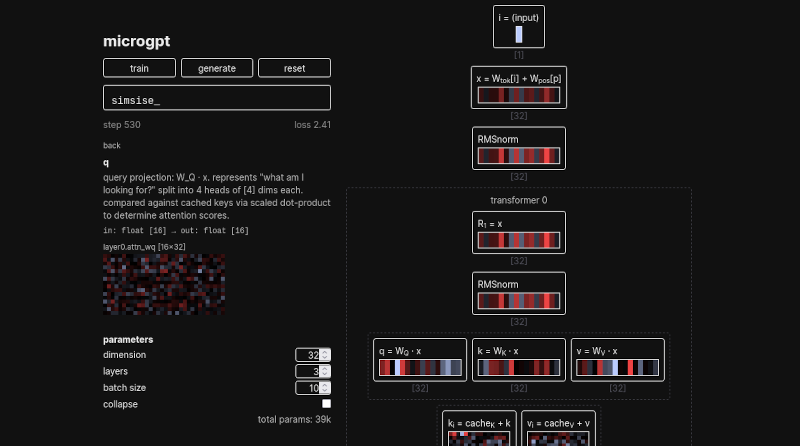
Regardless of what you think of GPT and the associated AI hype, you have to admit that it is probably here to stay, at least in some form. But how, exactly, does it work? Well, MicroGPT will show you a very stripped-down model in your browser. But it isn’t just another chatbot, it exposes all of its internal computations as it works.

The whole thing, of course, is highly simplified since you don’t want billions of parameters in your browser’s user interface. There is a tutorial, and we’d suggest starting with that. The output resembles names by understanding things like common starting letters and consonant-vowel alternation.

At the start of the tutorial, the GPT spits out random characters. Then you click the train button. You’ll see a step counter go towards 500, and the loss drops as the model learns. After 500 or so passes, the results are somewhat less random. You can click on any block in the right pane to see an explanation of how it works and its current state. You can also adjust parameters such as the number of layers and other settings.

Of course, the more training you do, the better the results, but you might also want to adjust the parameters to see how things get better or worse. The main page also proposes questions such as “What does a cell in the weight heatmap mean?” If you open the question, you’ll see the answer.

Advertisement

Overall, this is a great study aid. If you want a deeper dive than the normal hand-waving about how GPTs work, we still like the paper from [Stephen Wolfram], which is detailed enough to be worth reading, but not so detailed that you have to commit a few years to studying it.

We’ve seen a fairly complex GPT in a spreadsheet, if that is better for you.

Source link

Advertisement
Continue Reading

Tech

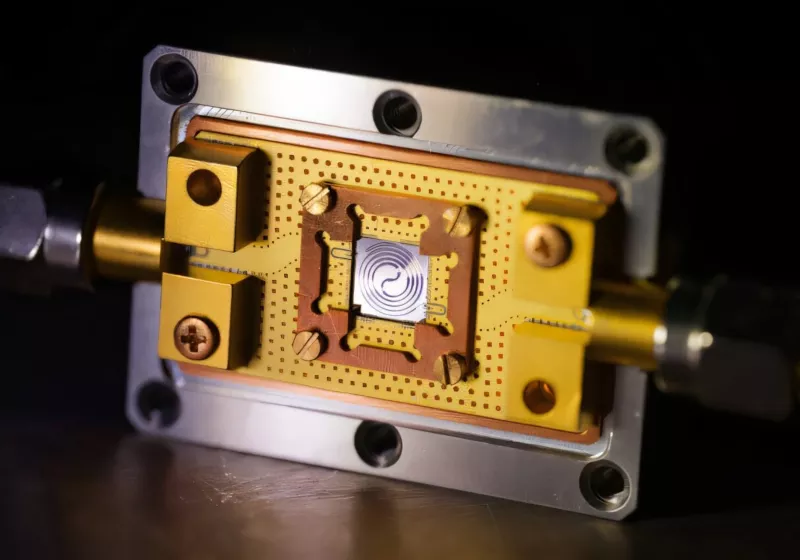
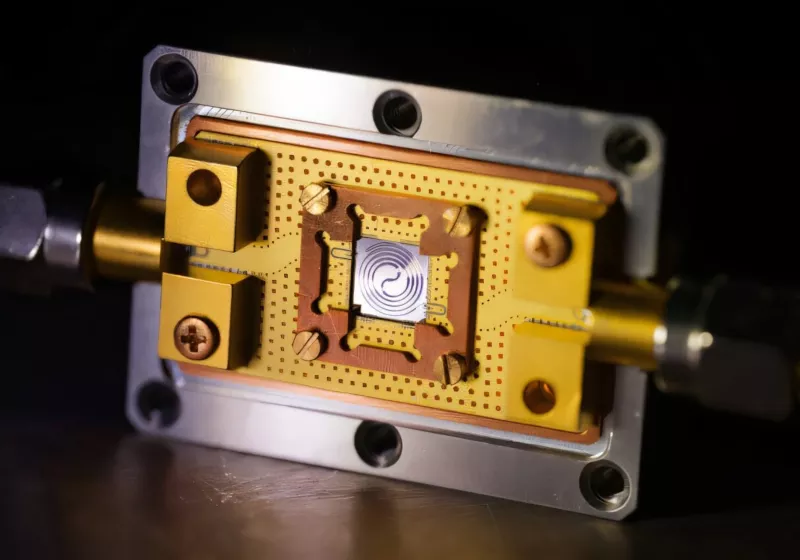
Low-noise microwave amplifiers bring quantum computers closer to scale

Published

on


It is a crucial component in superconducting quantum architectures, where even minimal noise can overwhelm a qubit’s delicate state. In conventional designs, energy losses in dielectric materials have been a primary source of excess noise, adding more than a photon’s worth during amplification and blurring qubit measurement results.
Read Entire Article
Source link

Continue Reading

Tech

Pro-Ject Debut Reference 10 Arrives at Bristol 2026 While New U.S. Distribution Signals Strategic Shift

Published

on

Big moves are unfolding for Pro-Ject Audio Systems on both sides of the Atlantic this weekend. At the Bristol Hi-Fi Show 2026, the Austrian analog specialist is set to unveil the Debut Reference 10, a new flagship for its long-running Debut turntable range. At the same time, the company has confirmed a major shift in its U.S. strategy with the appointment of a new exclusive distributor, effective March 1, 2026.

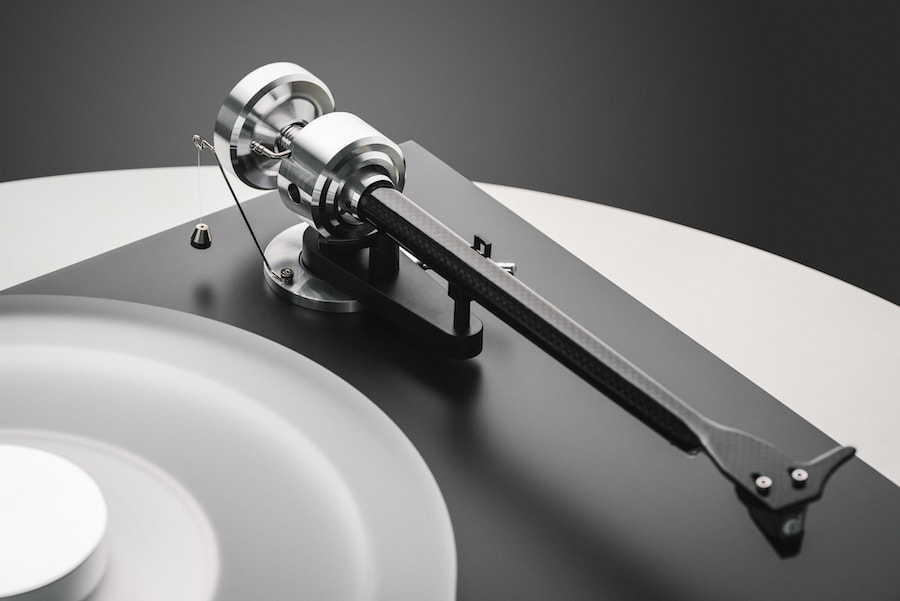
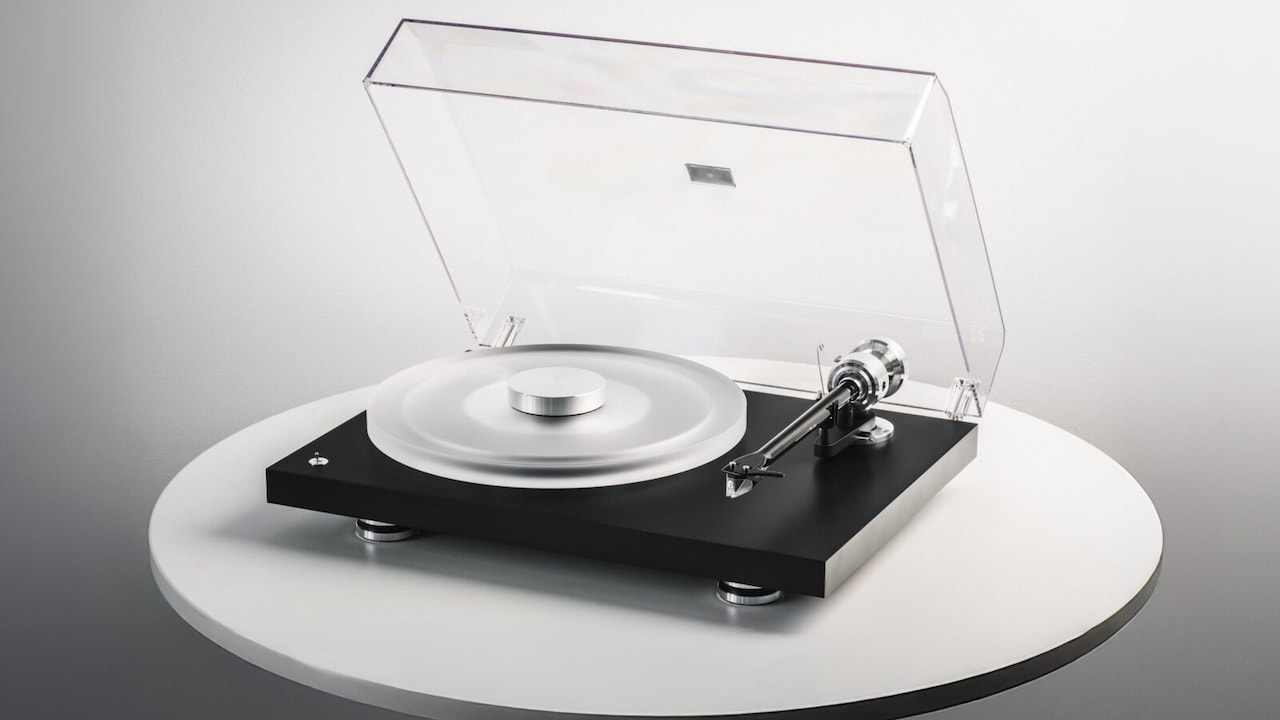
The Debut Reference 10 moves the series further upmarket with a 10-inch tonearm built from a carbon-fibre and aluminium sandwich construction, positioning it as the most technically ambitious model yet within the Debut lineup. It signals that Pro-Ject is not content to let its entry-level reputation define the brand’s ceiling; the original Debut PRO was awarded our Editors’ Choice Award twice in the turntable category and was replaced by the Debut PRO B in 2024.

Equally significant is the U.S. announcement. Pro-Ject Audio Systems, part of the Vienna-based Audio Tuning Group, has named Stereo Distribution LLC as its new exclusive American distributor. The move formalizes a new structure for the U.S. market and confirms that the previous Pro-Ject alignment within the McIntosh Group ecosystem, alongside brands such as McIntosh, Sumiko, and Sonus faber under the Bose Luxury Group umbrella is no longer in place.

Debut Reference 10 Specifications

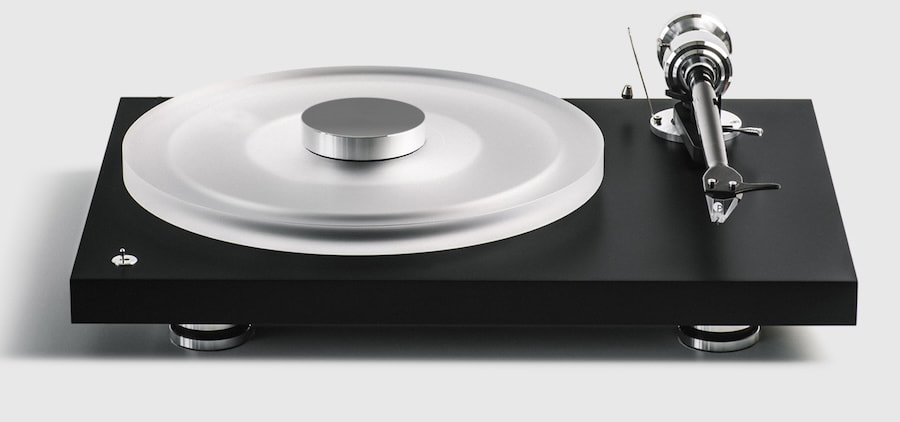
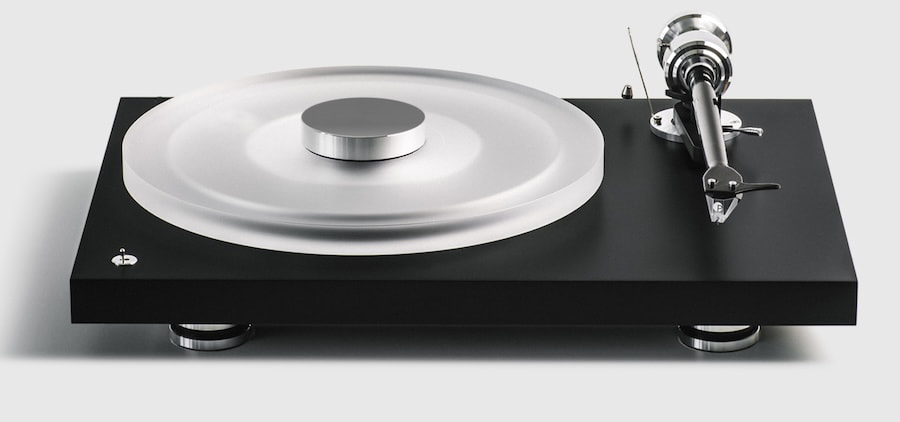
Pro-Ject Debut Reference 10 Turntable Front
Pro-Ject Debut Reference 10 Turntable

Pro-Ject Audio Systems positions the Debut Reference 10 as the most advanced model in its long-running Debut lineup, and the engineering choices reflect that step up.

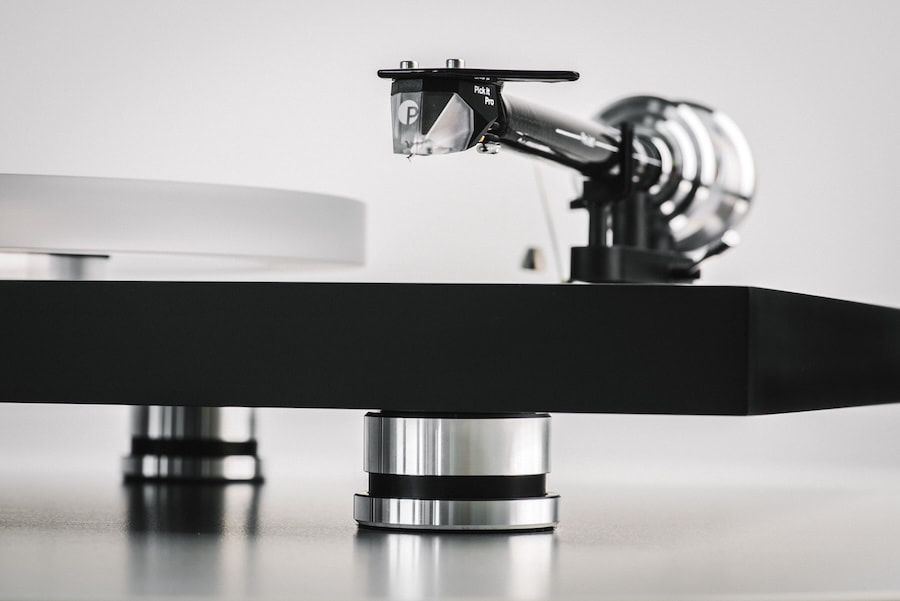
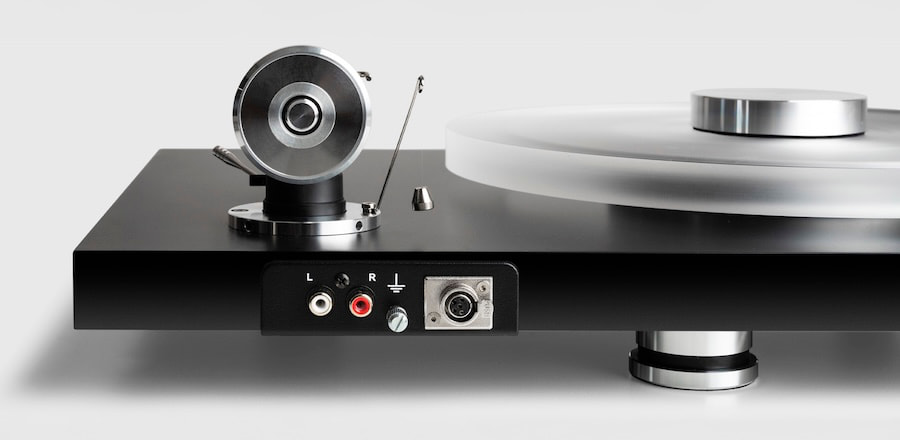
At its core, the turntable is fitted with Pro-Ject’s Pick it Pro Balanced cartridge and includes a Mini XLR balanced output. That combination allows for a true balanced signal path from cartridge to phono stage, which can reduce noise and improve signal integrity over longer cable runs. However, it does require a compatible balanced phono preamp to take advantage of the connection. Without one, you will not unlock the full benefit of the balanced design.

Advertisement

The Debut Reference 10 uses a 300 mm acrylic platter, chosen for its inherent resonance resistance. This sits atop a diamond cut aluminum sub platter, adding mass and rotational stability. The platter bearing consists of a high precision stainless steel axle seated in a bronze bushing, designed to maintain smooth rotation and long term durability.

pro-ject-debut-reference-10-turntable-corner

The chassis is constructed from hand painted MDF and supported by three height adjustable, damped aluminum feet. These feet are designed to provide stable leveling while helping to reduce the risk of acoustic feedback, particularly in environments where speakers share the same surface or room structure.

This is a belt driven turntable with the motor fully decoupled and suspended within the base to minimize vibration transfer into the platter and tonearm assembly. Electronic speed control allows convenient switching between 33 and 45 RPM, while manually moving the included round belt enables playback of 78 RPM records.

A Puck E record weight is included in the box, designed to help secure records more firmly to the platter surface for improved contact and stability during playback.

Advertisement
pro-ject-debut-reference-10-tonearm

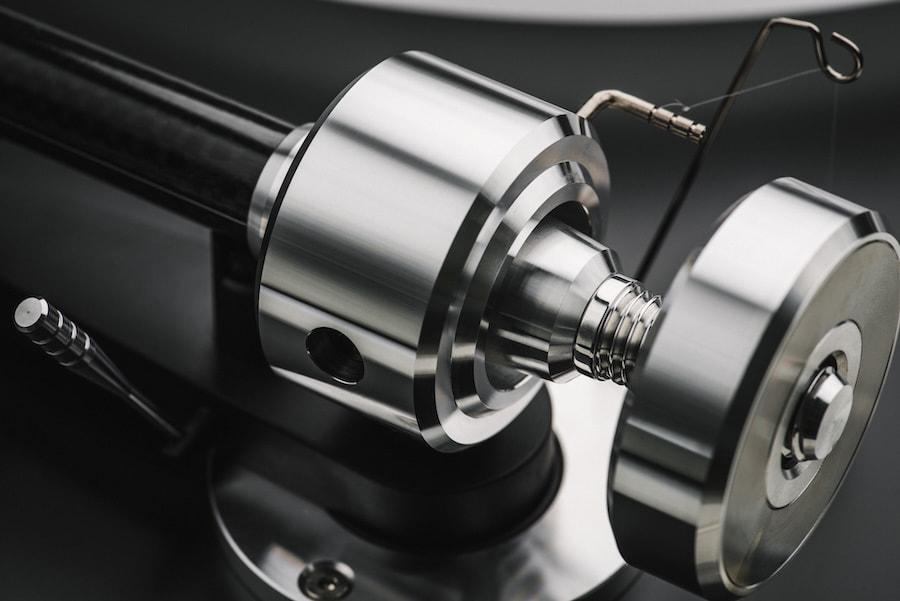
The 10 inch one piece carbon aluminum tonearm measures 254 mm in effective length and has an effective mass of 16.6 g. It supports both adjustable azimuth and vertical tracking angle (VTA). By loosening two grub screws, users can continuously adjust tonearm height to accommodate cartridges of varying body heights or different platter mat thicknesses. This level of adjustability is not always standard in this price category and allows for more precise cartridge alignment.

Performance specifications are competitive for the class. Wow and flutter is rated at ±0.16 percent at 33 RPM and ±0.14 percent at 45 RPM. Speed drift is specified at ±0.4 percent at 33 RPM and ±0.5 percent at 45 RPM. Signal to noise ratio is listed at 68 dB.

Advertisement. Scroll to continue reading.

Physically, the Debut Reference 10 is not some oversized statement deck. It measures 462 x 145 x 345 mm, which translates to roughly 18.2 x 5.7 x 13.6 inches (W x H x D), and tips the scale at 6 kg, or about 13.2 pounds net. Manageable, solid, and realistic for the kind of racks and consoles most people actually own. In the box, you get the essentials: a dust cover, a dedicated 78 RPM belt, and a 7-inch single adapter.

Advertisement
pro-ject-debut-reference-10-turntable-adjust
pro-ject-debut-reference-10-turntable-rear

The Bottom Line

Now here’s where it gets interesting.

The U.S. Supreme Court issued a ruling this morning related to tariffs that could have a meaningful impact on imported audio products. Could that work in favor of American buyers when this table finally lands? Possibly. But it’s far too early to know how that decision will ripple through distribution, freight, and final retail pricing. Anyone pretending they have clarity right now is guessing. It’s basically a mess.

And all of this unfolds against the backdrop of a bigger shift.

So while the Debut Reference 10 is the headline product, the more consequential story may be the business side. New flagship table. New U.S. distributor. Potential tariff recalibration. That is a lot of moving parts for one weekend and it suggests that the next chapter for Pro-Ject in the U.S. will look different than the last.

Advertisement

A new U.S. price list is expected shortly, and dealers are reportedly receiving updated pricing ahead of the March 1, 2026 transition. From what we understand, most existing Pro-Ject retailers should not see negative disruption as the new distribution structure takes effect. That said, whenever a brand shifts logistics, and billing systems, there is always the potential for short-term hiccups. It comes with the territory.

The current U.S. website, www.pro-jectusa.com, will be discontinued after March 1, 2026. Moving forward, product information will live on the global site at www.project-audio.com, aligning the U.S. more closely with the brand’s international presence.

Heinz Lichtenegger, CEO of Audio Tuning and the driving force behind Pro-Ject Audio Systems, has built the company over decades into one of the most dominant analog brands in Europe. With that kind of track record and with the U.S. market representing significant growth potential, there is little incentive to let this transition stumble. There is simply too much at stake, both commercially and reputationally.

Pro-Ject Debut Reference 10 Turntable Lid Open

Price & Availability

The finish is satin black, understated and safe. UK pricing is set at £999, with Australia confirmed at AU$2349. U.S. customers will have to wait a bit longer, and pricing is still to be announced.

Advertisement

For more information: project-audio.com

Source link

Continue Reading

Tech

OpenAI’s First ChatGPT Gadget Could Be a Smart Speaker With a Camera

Published

on

OpenAI is reportedly developing its first consumer hardware product: a $200-$300 smart speaker with a built-in camera capable of recognizing “items on a nearby table or conversations people are having in the vicinity.” It’s also said to feature Face ID-style authentication for purchases. The Verge reports: In addition to the smart speaker, OpenAI is “possibly” working on smart glasses and a smart lamp, The Information reports. (Apple may also be working on a smart lamp.) But OpenAI’s glasses might not hit mass production until 2028, and while OpenAI has made prototypes of gadgets like the smart lamp, The Information says it’s “unclear” if they’ll be released and that OpenAI’s devices plans are in early stages.

Source link

Continue Reading

Tech

JVC’s W-VHS Player Introduced Us to the Strange World of Analog HD

Published

on

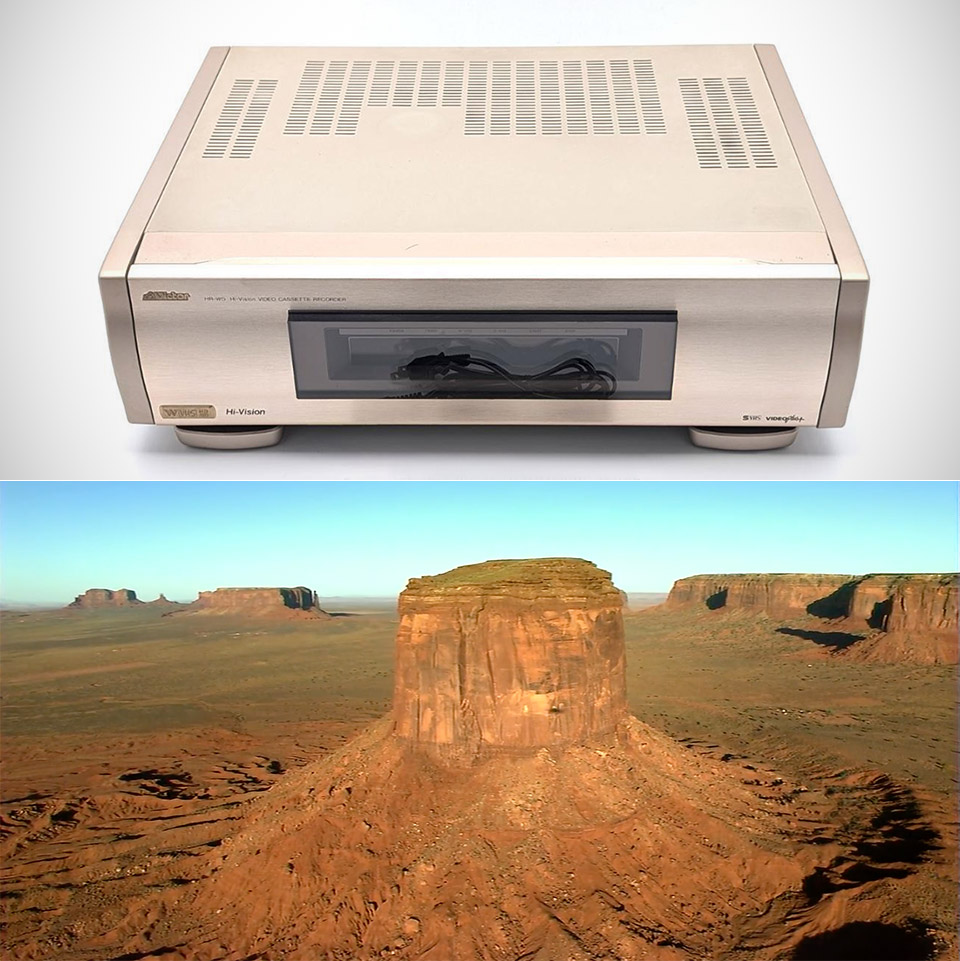
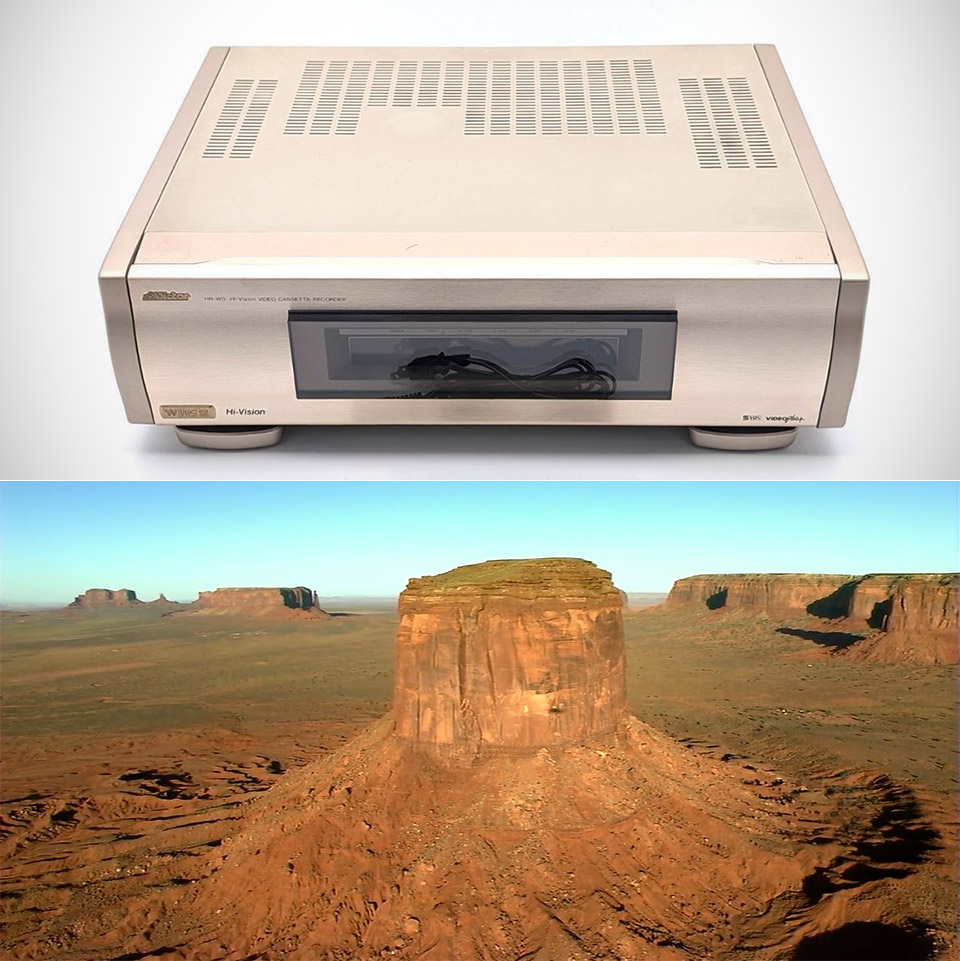
JVC W-VHS Player Analog HD
JVC’s W-VHS VCR made a splash in the analog tape world when it debuted in 1993, and with good cause. Engineers at the business decided to go all out on the tried-and-true VHS cassette casing, upgrading the tape and devising some ingenious ways to load high definition video onto it a few years before digital formats truly took hold. From the outside, the product appeared to be any ordinary VCR, but, surprise, under the hood, it is managing signals far beyond the capabilities of a standard VHS.


MUSE, the Japanese Hi-Vision broadcast system, required a mechanism to record its high-definition images at home, thus JVC developed W-VHS (short for Wide-VHS). Their first machine, the Victor HR-W1, was released on December 28, 1993. It receives the 1125-line interlaced signal from Hi-Vision tuners via analog component connections (separate channels for luminance and color difference), and when playback time arrives, it produces sharp, wide-screen images that dwarf anything you’d normally see on a television at the time.

Sale


MNN Portable Monitor 15.6inch FHD 1080P USB C HDMI Gaming Ultra-Slim IPS Display w/Smart Cover…
  • Full HD Portable Monitor – MNN 15.6inch portable laptop monitor with 1920*1080 resolution, advanced IPS matte screen support 178° full viewing angle…
  • Double Type-C Port -For Plug & Play, the MNN monitor provides 2 Full Feature Type-C ports. Only One USB Type-C Cable is required to connect to the…
  • Lightweight Ultra Slim for Travel – As a portable external monitor,MNN portable laptop monitor easily accommodate to every suitcase and backpack and…

Standard VHS used to try to jam color and brightness onto the same tape, resulting in reduced detail and distortion. W-VHS turned the entire methodology on its head. It records in component form, keeping those two items distinct so they don’t interfere with one another. It then lays down two parallel tracks for each video field using a dual-track system, which can have up to 12 heads on the drum in some models.Luminance spans both tracks, whereas the two color signals are delivered in compressed bursts on either track. This ‘time-compression integration’ approach doubles data throughput without stretching the tape channel to its limit or speeding up the reels to breakneck speeds.

Advertisement


Bandwidth ended up being quite outstanding for a tape-based system, with luminance reaching roughly 12 MHz in high-definition mode, a far cry from the 3 MHz seen on consumer VHS. Horizontal detail reaches around 960 pixels equivalent per line, while vertical resolution approaches 1035 active lines per frame when the interlaced structure is taken into account. The chroma resolution suffers slightly as a result of the sequential recording, but the overall image remains clear and detailed. Then there’s the audio, which is presented as digital PCM files, providing a level of clarity that matches the video enhancement.

The best part is that W-VHS decks maintain a high level of compatibility with ordinary VHS and S-VHS cassettes, allowing you to play or record them without any issues. So, aside from capturing regular broadcasts or even two standard-def signals at once to help kickstart early 3D experiments, you’re looking at around 2+ hours on tape in high-def mode on the right cassettes, which use that higher-density metal particle coating inside the familiar shell.


Of course, the primary barrier that prevented W-VHS from catching on was the cost of the devices. They were pricey and were primarily purchased in Japan by Hi-Vision enthusiasts, with a few appearing worldwide for medical imaging purposes. By the time digital formats such as DVD appeared, analog high-definition tape seemed like a dead end. Production virtually ceased, and today, all these years later, a small group of ardent collectors and W-VHS machines appear on occasion, despite the fact that they have been largely forgotten.
[Source]

Advertisement

Source link

Continue Reading

Tech

There’s a simple way to watch the Super Eights at the T20 World Cup for *FREE*

Published

on

The Men’s T20 World Cup moves into its next phase this week as the Super Eights get under way. The original 20-team field has been reduced to eight contenders, featuring many of the tournament’s heavyweights — though notably without Australia, who were knocked out by Zimbabwe.

Source link

Advertisement
Continue Reading

Tech

How to watch England vs Ireland: Free Streams, TV Info

Published

on

A wounded England and a galvanized Ireland face off at Twickenham this Saturday in what looks like a second-place decider – possibly more if France slip up somewhere down the line. Andy Farrell’s men had entered the Six Nations as title hopefuls, a tag that latched onto Steve Borthwick’s group when Ireland were annihilated in their opener… only for England to be shredded by an out-of-sorts Scotland.

Source link

Advertisement
Continue Reading

Tech

Fei-Fei Li’s World Labs raises $1bn to advance spatial intelligence

Published

on

The round was backed by big names including Nvidia, AMD and Autodesk.

Fei-Fei Li’s AI start-up World Labs has raised $1bn to advance spatial intelligence – effectively, generative AI “world models” capable of interacting with complex virtual worlds.

Last November, World Labs launched its first commercial product called Marble that generates 3D virtual worlds from image or text prompts.

With this new funding, the start-up wants to continue building AI models to “revolutionise storytelling, creativity, robotics [and] scientific discovery”.

Advertisement

The round was backed by big name investors including Nvidia; AMD; Fidelity Management and Research Company; Autodesk; Emerson Collective; and Sea.

The start-up did not disclose its post-funding valuation, however, reports from last month estimated it to end up at $5bn. Autodesk has invested $200m in World Labs as part of the round, and with the funding, has also taken an advisory role in the start-up.

“Autodesk has long helped people think spatially and solve real-world problems and, together, we share a clear purpose – building physical AI that augments human creativity and puts more powerful tools in the hands of designers, builders and creators,” Li said.

Li is often referred to as the ‘godmother of AI’, thanks to her groundbreaking work on ImageNet. Her start-up World Labs came out of stealth in 2024, and was valued at around $1bn after a $230m investment round that included Andreessen Horowitz, Nvidia’s venture arm and Radical Ventures, where she is herself a scientific partner.

Advertisement

World Labs describes itself as a “spatial intelligence company, building frontier models that can perceive, generate, reason and interact with the 3D world”. It describes its AI products as “large world models”.

Li called AI a “civilisational technology” in an interview with Bloomberg late last year. “I believe spatial intelligence is as critical [as] – and complementary to – language intelligence,” she said.

The World Labs co-founder is a professor at the computer science department at Stanford University and has served as director of the university’s AI Lab. She is currently the co-director of the Stanford Human-Centered AI Institute and has previously served as the chief scientist at Google Cloud.

Don’t miss out on the knowledge you need to succeed. Sign up for the Daily Brief, Silicon Republic’s digest of need-to-know sci-tech news.

Advertisement

Fei-Fei Li, 2024. Image: © Steve Jurvetson via Flickr (CC BY 2.0)

Source link

Advertisement
Continue Reading

Tech

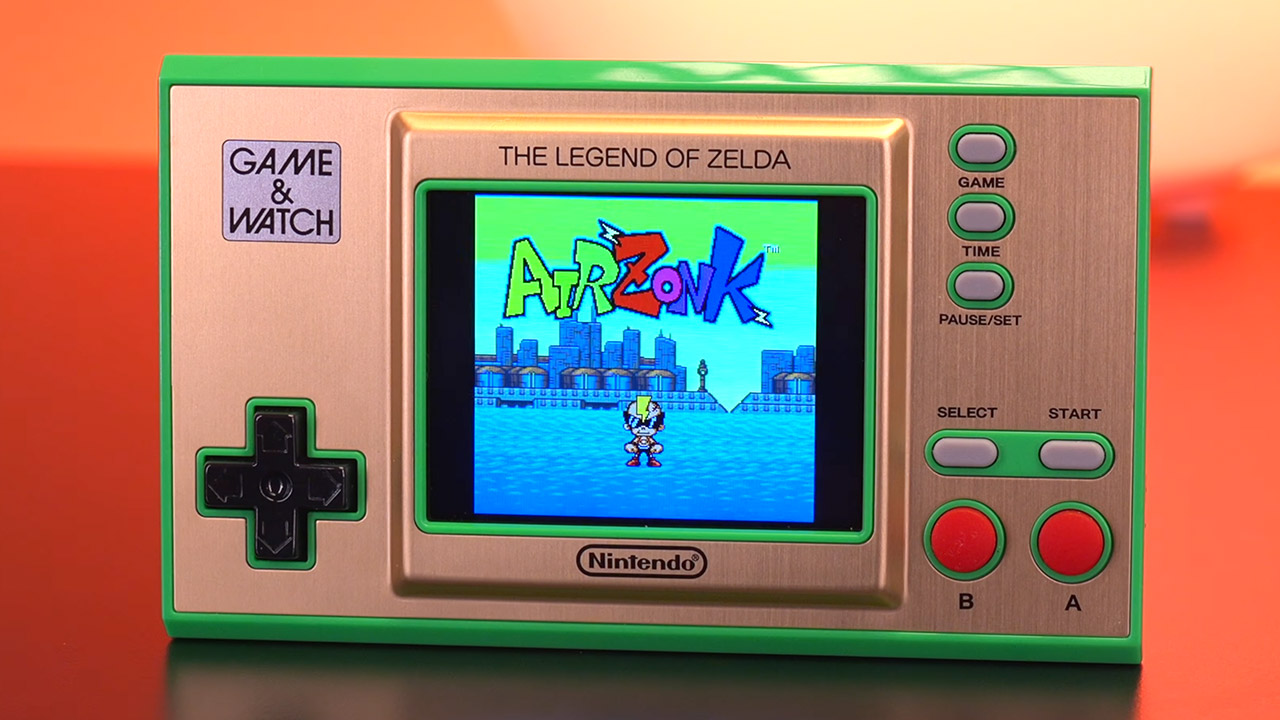
Gamer Turns a Zelda Game & Watch Handheld into a Retro Gaming Beast

Published

on

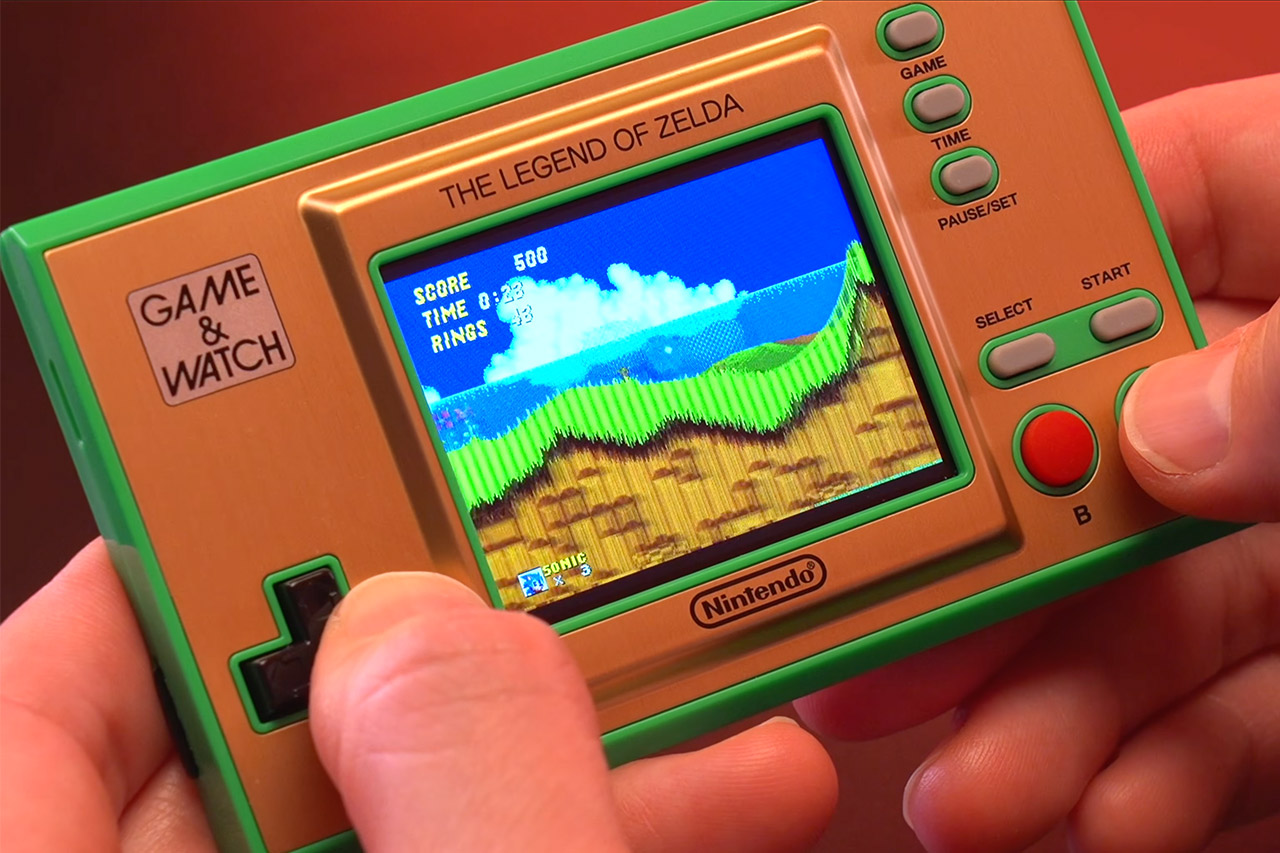
Zelda Game and Watch Handheld Retro Gaming Mod
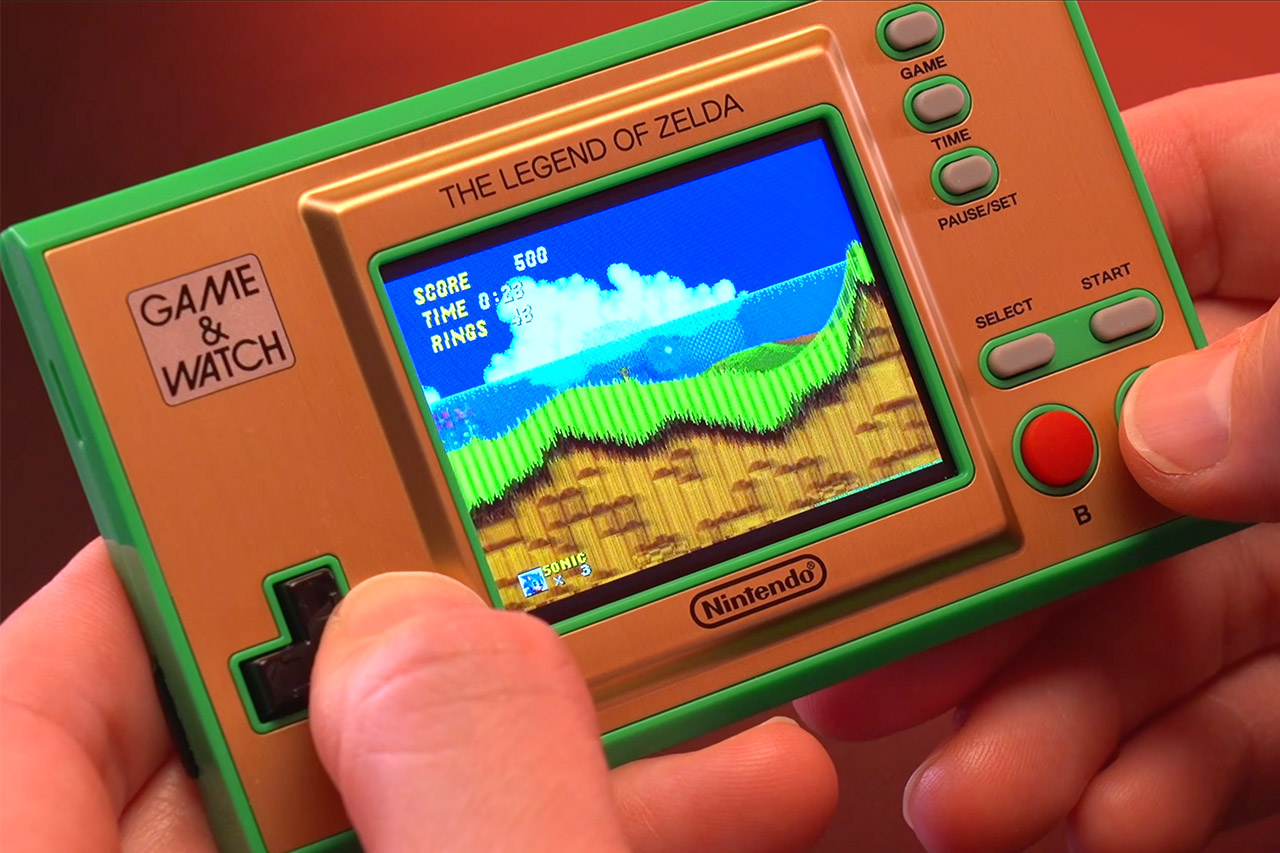
Tito of Macho Nacho Productions takes out his trusty screwdriver and goes to work on a limited edition Zelda Game & Watch from Nintendo that he received in 2020. This portable includes three iconic games: the original Legend of Zelda, Zelda II: The Adventure of Link, and Link’s Awakening from the Game Boy. It comes with a great collection of features out of the box, including a crisp LCD screen, a nice D-pad, and separate start and select buttons. The battery life is adequate, and it even has a USB-C charging connection, but Tito wants to take this device to the next level.


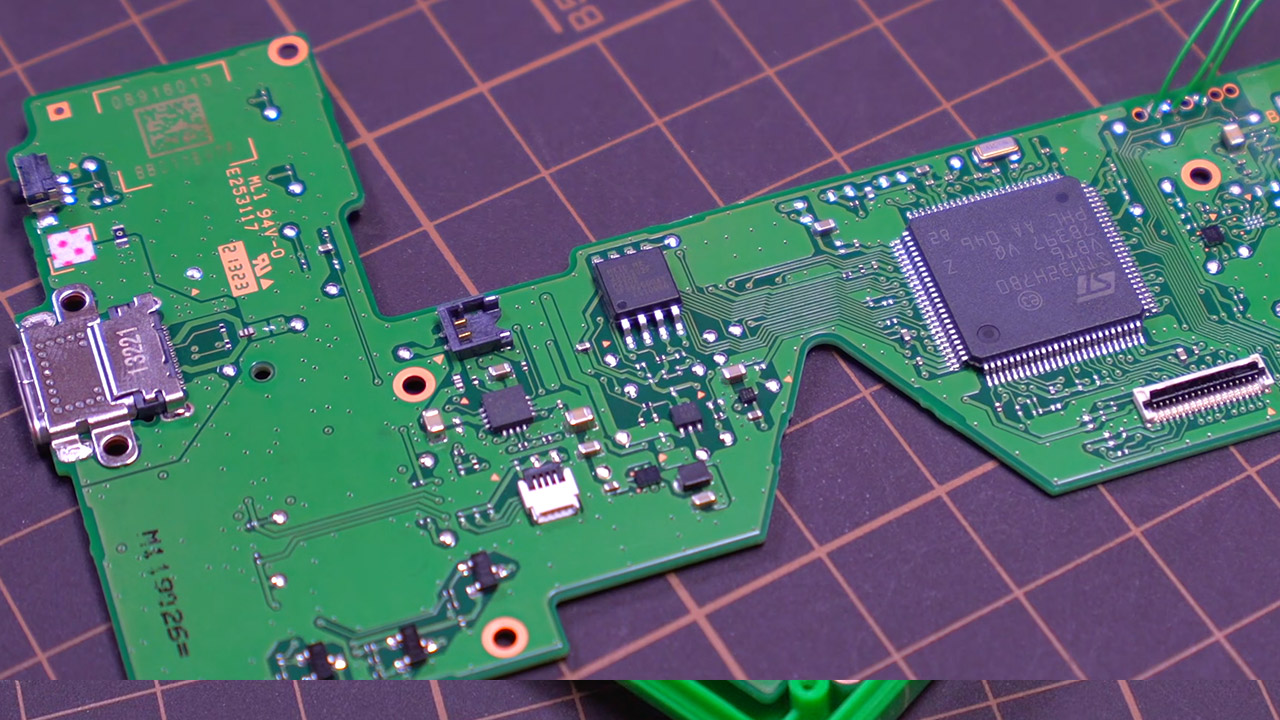
First, he removes four screws from the back plate, disconnects the battery, and then pulls out the two ribbon cables that link to the LCD. The speaker desolders, giving him some freedom to operate with. The motherboard is then released by removing ten additional screws. Tito connects an ST-Link programmer to the SWDIO, ground, and SWCLK pads as he boots up his PC and launches PowerShell as an administrator. He utilizes Chocolatey to install Python, Pipix, OpenOCD, and G&W Manager from GitHub. The unlock command is executed, and the device displays a blue screen. Everything appears to be in order.


Nintendo Game & Watch: The Legend of Zelda – Not Machine Specific
  • With a retro look, legendary flourishes, and the power to save Hyrule, the Game & Watch: The Legend of Zelda system is a tribute to 35 years of the…
  • Included are three Full Legend of Zelda games; The Legend of Zelda, Zelda II: The adventure of Link, and the Legend of Zelda: Link’s Awakening.
  • There’s also a version of the Game & Watch classic, Vermin, starring Link, and a playable clock and timer.

Zelda Game & Watch Handheld Retro Gaming Mod
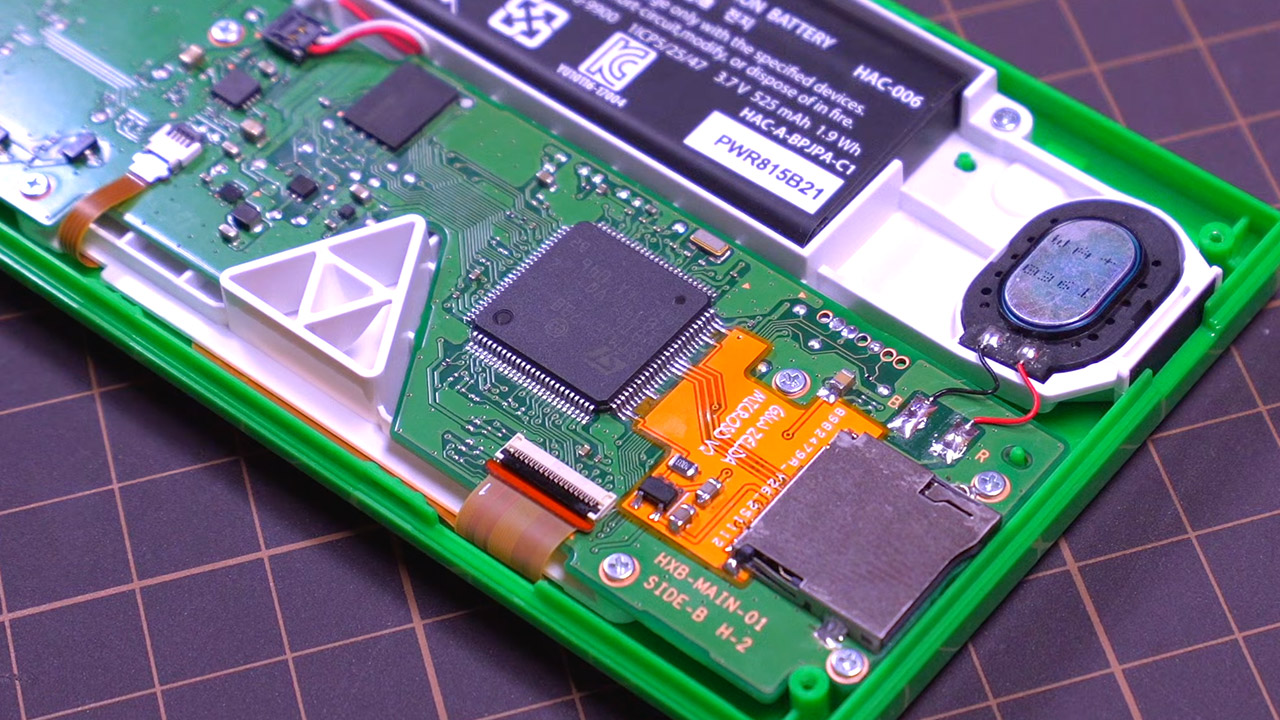
Tito removes the original 16MB flash chip, which is a bit of a bottleneck, and heats it with a hot air station before applying flux to the pads. Tin foil and Kapton tape protect the area to prevent the neighbors from becoming too hot, and then it comes off clean. He cleans the pads, inserts a new 64MB chip, and reconnects the cables. G&W Manager flashes some custom firmware onto the device, which actually works for a second before halting at step 13. A retry resolves the issue, and Tito resumes business.

Zelda Game & Watch Handheld Retro Gaming Mod
The next step is to create a custom ribbon cable by soldering a couple of capacitors, a resistor, and an LDO regulator on. He inserts a microSD card slot and reduces the alignment posts flat. He aligns the ribbon pins with the CPU pads, connects a wire to a capacitor, and then uses a rotary tool to scrape off the soldermask and reveal the ground plane. With a little wire and some work, the microSD slot is fully operational. Tito next tackles the rear shell mods, removing the D-pad posts, drilling four holes with 3D-printed jigs, and smoothing out the edges with a file to ensure everything is nice and flush.

Zelda Game & Watch Handheld Retro Gaming Mod
With all of the mod completed, it’s time to launch his own firmware. He downloads the firmware update binary from RetroGo SD on GitHub, places it on a FAT32 microSD card, and turns the device on to install it. Once completed, he restarts it and enters RetroGo – from there, it’s as simple as adding some ROMs for the Game Boy, NES, SEGA Genesis, TurboGrafx-16, and other systems. Super Mario World works well, and Zelda: A Link to the Past is as crisp as ever.

Source link

Advertisement
Continue Reading

Trending

Copyright © 2025