Tech
iFixit Shows How Replacement iPhone Batteries Take Shape Inside a Chinese Factory

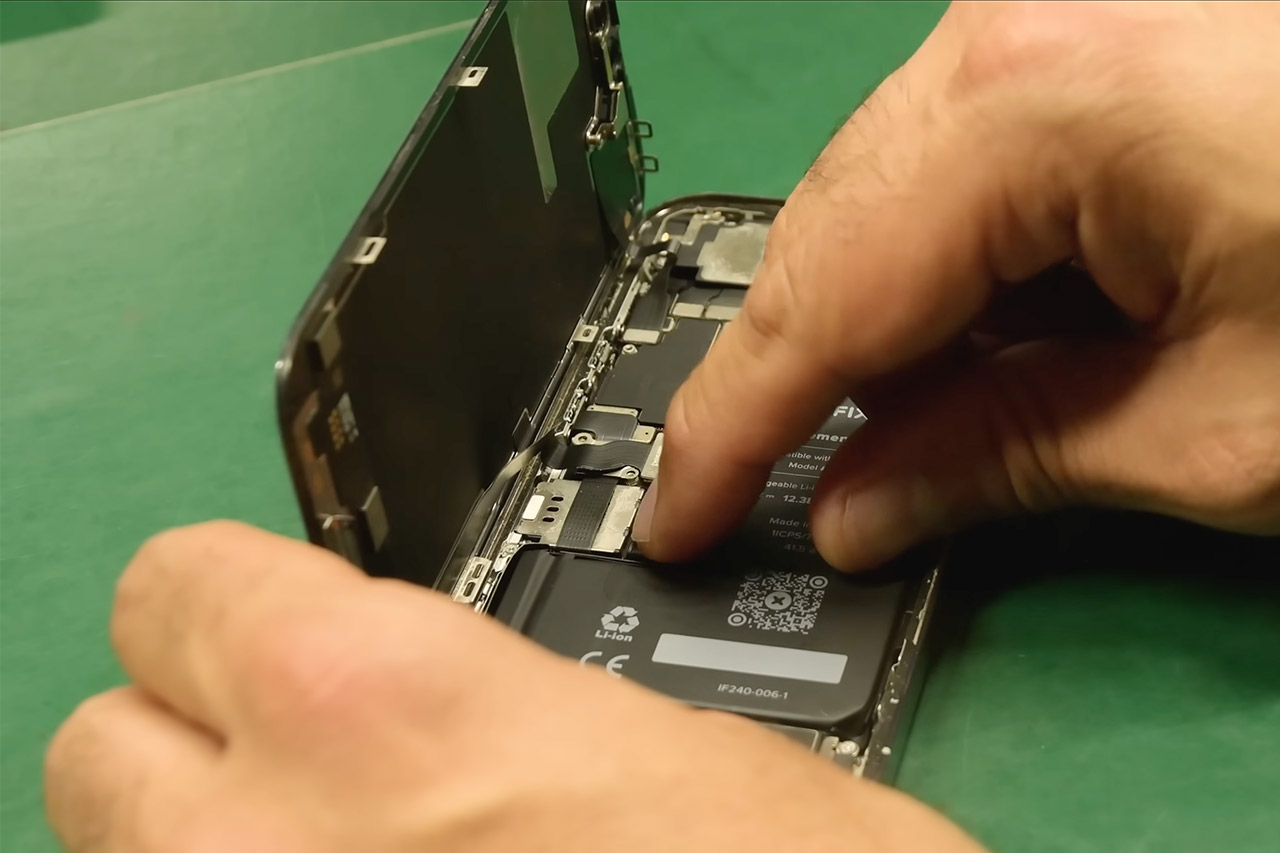
A visit by iFixit to one of China’s large battery production sites offers a rare look at how replacement batteries for iPhones actually get finished and tested. The team captured the work on video, showing lead teardown technician Shahram Mokhtari walking through the final assembly steps that turn a bare lithium-polymer cell into a complete, safe pack ready for installation.

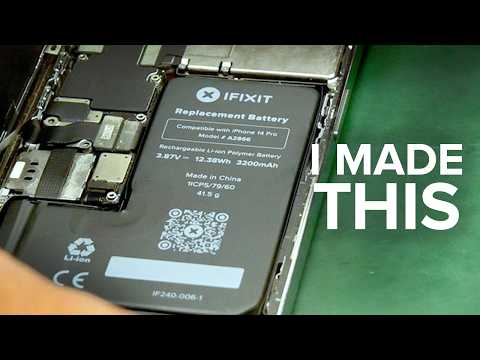
The facility operates on a massive scale, manufacturing approximately 13 million battery cells per month. These cells begin life as a stack of dozens of ultra-thin layers that are sealed to extremely tight tolerances, ensuring that the chemistry inside remains stable and efficient throughout years of continuous use. Quality control tests are performed at each stage to detect any potential problems that could affect capacity, heat buildup, or long-term reliability, down to the smallest details that can make a significant difference.
Sale


UGREEN Nexode Power Bank 20000mAh 165W with Built-in USB C Cable Laptop Travel Portable Charger, 100W…
- 25.6-inch Retractable Cable (65cm) – Built-in & Clutter-Free: Stay organized during business travel. The integrated 25.6inch (65cm) retractable…
- 165W Max Output – Dual Device Power Without Compromise: Charge your MacBook Pro and iPhone simultaneously with 100W + 65W output. Efficiently handle…
- 100W Fast Recharging – Fully Recharged in Just 1.9 Hours: Quick top-ups between flights or overnight hotel stays. With 100W max input, this power…
When a finished cell reaches the assembly area, the true integration begins. Rows of blank battery management system boards, or BMS boards, are waiting to be programmed. A machine places a contact pin into each board and applies the firmware that protects the cell from damage. That software protects the battery from overcharging or overdischarge, monitors the temperature, and delivers correct health data to the phone. Without it, even raw cells cannot be trusted to function securely within an iPhone.
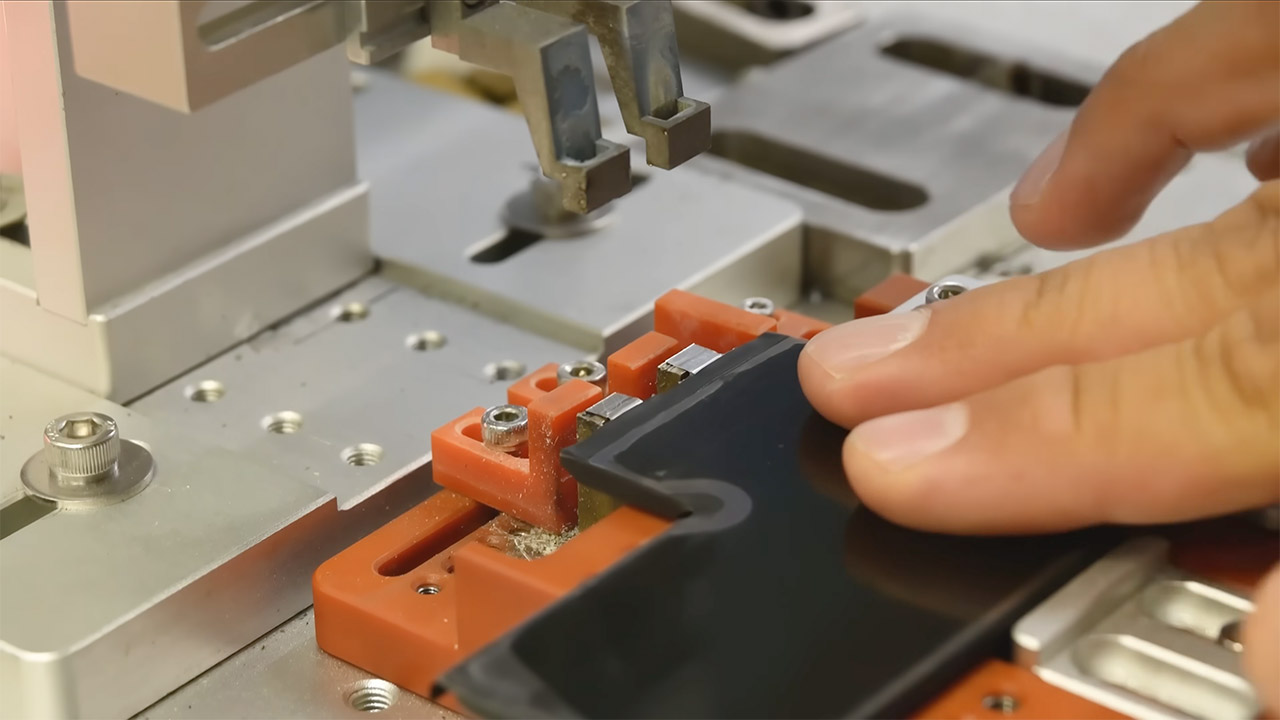
The next step is attachment, which involves a machine pressing a programmed BMS board and its flexible cable onto the bare cell extremely nicely. It’s critical that the connection is solid but small, as any misalignment at this step could come back to get you later when the battery needs to fit into an iPhone. Folding follows, with workers or machines folding the BMS board down twice to fit snuggly against the cell. The edges are wrapped with Kapton tape to prevent any exposed contacts from contacting and causing a short, and the sticker machine applies a little label that folds back on itself to keep the board in place and from shifting during handling or installation.

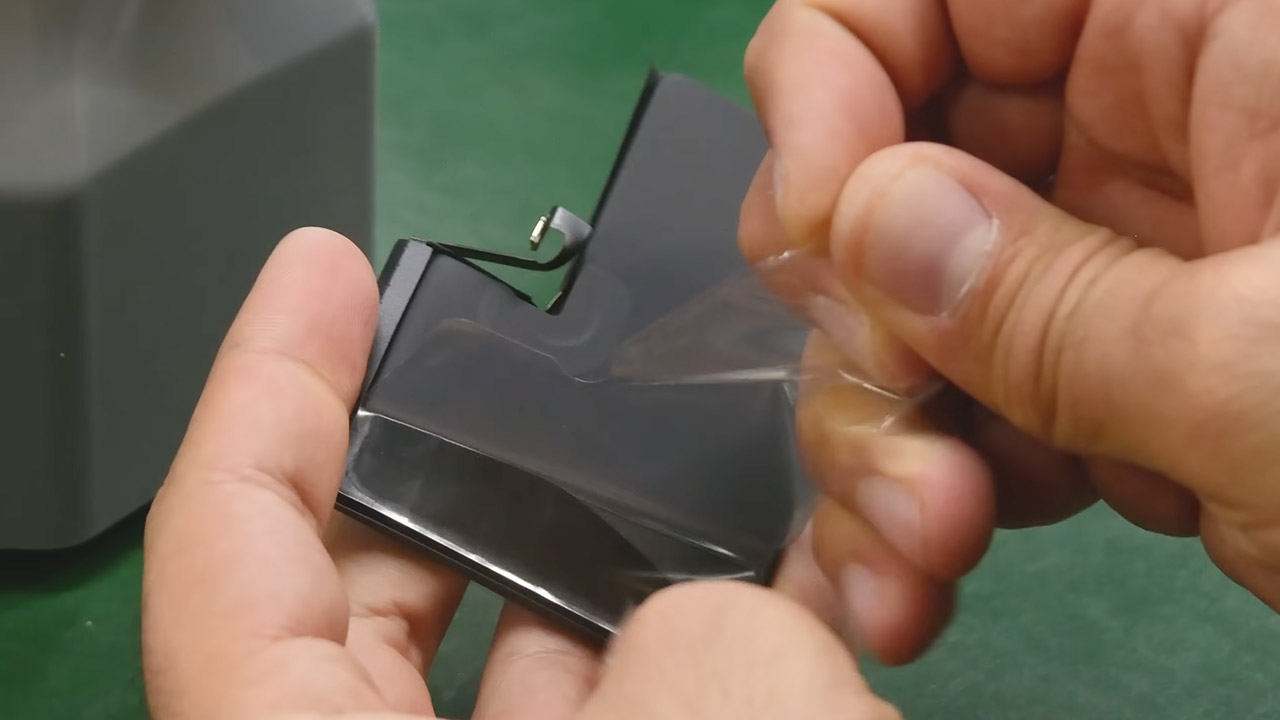
Now it’s time to remove the protective films that were applied to both sides of the cell during early manufacture. Those films have kept the surfaces pristine up until now. Removing them prepares the battery for the adhesive strips that will keep it securely in place within the iPhone case. Quality control must be nearly excellent at this time. A testing machine takes the battery through a variety of checks, including impedance, capacity, and overcurrent tests, and returns a simple pass or fail result. A pass indicates that the battery is in good working order and will behave as expected in a genuine device, whereas failed batteries are removed.
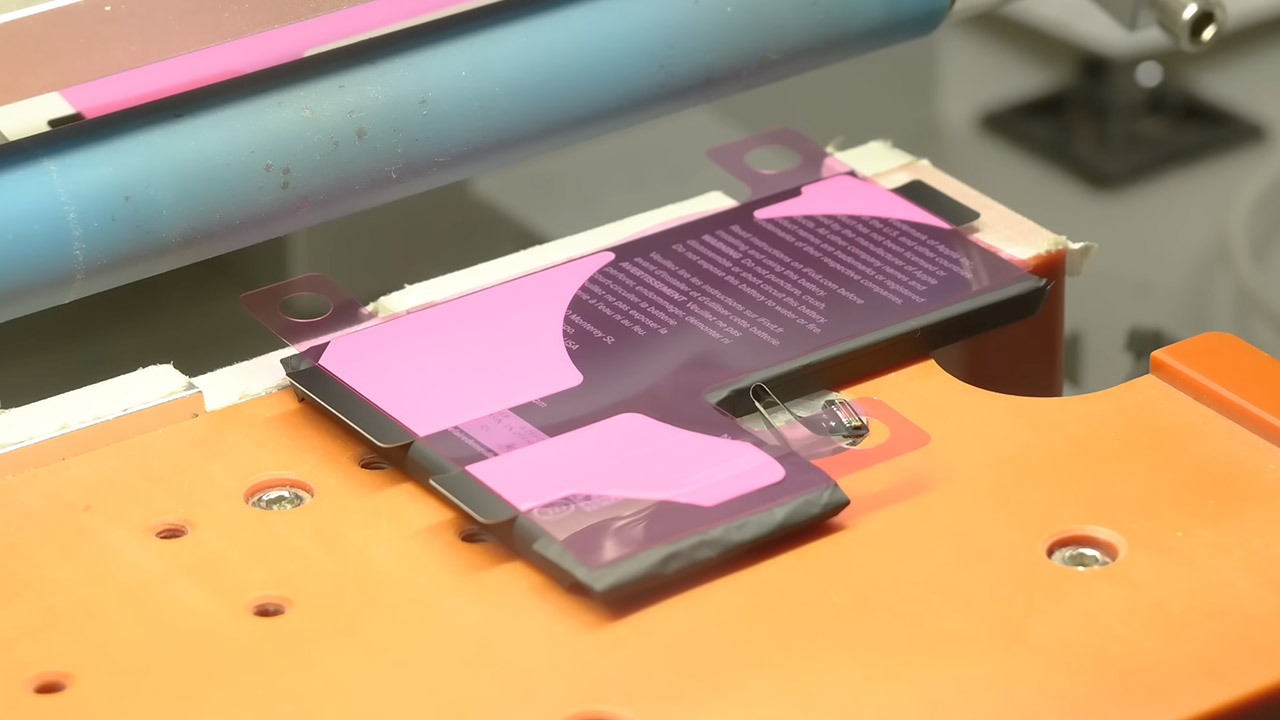
Mohktari then plugs the finished battery with a diagnostic tool. The screen displays all of the live data obtained directly from the BMS, such as the current charge level, condition of health, temperature, design capacity, and actual maximum capacity. It’s all the proof you need to know the battery will function correctly, just like a fresh new pack in a phone. The final step in preparation is to apply the adhesive pull strips that Apple uses to secure batteries inside iPhones. Those strips allow technicians to cleanly remove the old battery during a repair and secure the new one without adding excessive bulk. To ensure that everything works properly, the completed battery is inserted into an actual iPhone, which switches on without a hitch, demonstrating that the pack works from start to finish. Every step up to that point has been taken to ensure that the last bit happens as planned.
You must be logged in to post a comment Login