Tech
Inside the satellite factory: Portal Space Systems gets set for the debut of Starburst and Supernova

BOTHELL, Wash. — Portal Space Systems is getting ready to send its first Starburst spacecraft to Florida for a milestone launch, and at the same time is fleshing out its plans for an even more capable spacecraft known as Supernova.
Both spacecraft are designed to offer rapid maneuverability in orbit at low cost, and both will take advantage of Portal’s core technologies, supply chains and manufacturing processes. But Supernova will be heavier than Starburst (1,100 pounds vs. 600 pounds) and will make use of an innovative solar thermal propulsion system to move within a wider range of orbits.
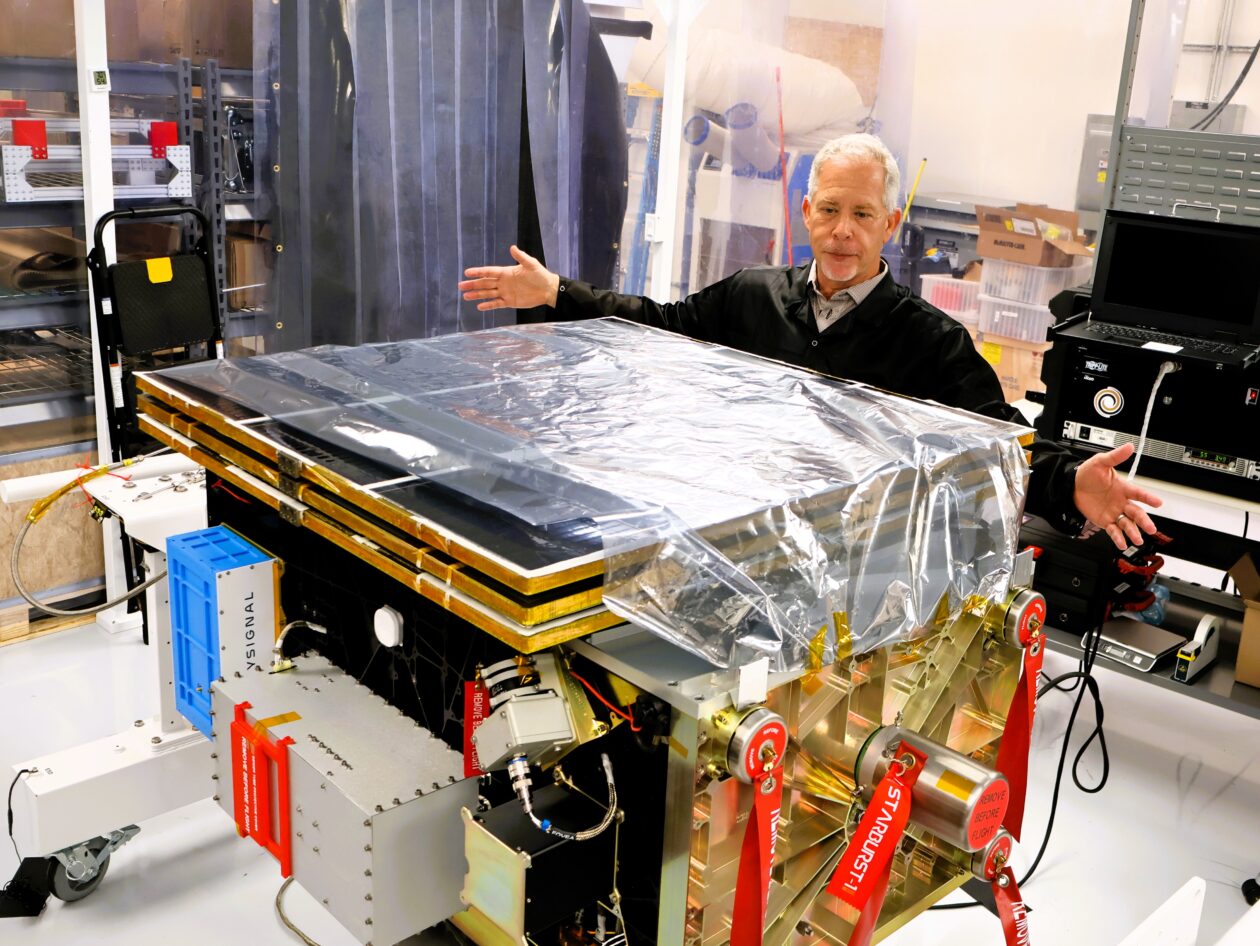
Seventeen months after the official opening of Portal’s 8,000-square-foot development and testing lab in Bothell, I was invited back to the facility to get a peek at Starburst-1 — and get a sense of how far the startup has come.
Starburst: Getting ready for blastoff
Starburst-1 will blaze the trail for Supernova. The desk-sized spacecraft recently returned to the Bothell lab after undergoing a round of vibration testing in California. It’s scheduled for an October launch from Cape Canaveral Space Force Station in Florida on SpaceX’s Bandwagon-5 satellite rideshare mission.
Portal CEO Jeff Thornburg said he expected Starburst-1 to be trucked to Florida in September, after engineers make their final software adjustments.
“Until we get ready to fly, we’ll be constantly testing it and evaluating its health, and making any tweaks that we think we need to make,” he said. “Anything that helps reduce the risk for the first flight, up to the point where we launch — we’ll implement that if we need to.”
Back in March, Portal sent a payload about the size of a tissue box into space to test the electronics and control systems designed for Starburst and Supernova. That instrument package, known as “Mini-Nova,” is still attached to an orbiting space vehicle, but a replica is displayed in a conference room next to the lab.
Starburst-1 takes center stage in the lab’s clean-room enclosure. The satellite’s solar arrays are stacked on top, and several contraptions stick out from the sides. The hardware includes Starburst-1’s star trackers and communications equipment. A full-motion video system, provided by TRL11, will monitor the spacecraft and its orbital surroundings.
Here’s a slideshow featuring Portal’s lab and Starburst-1:
-
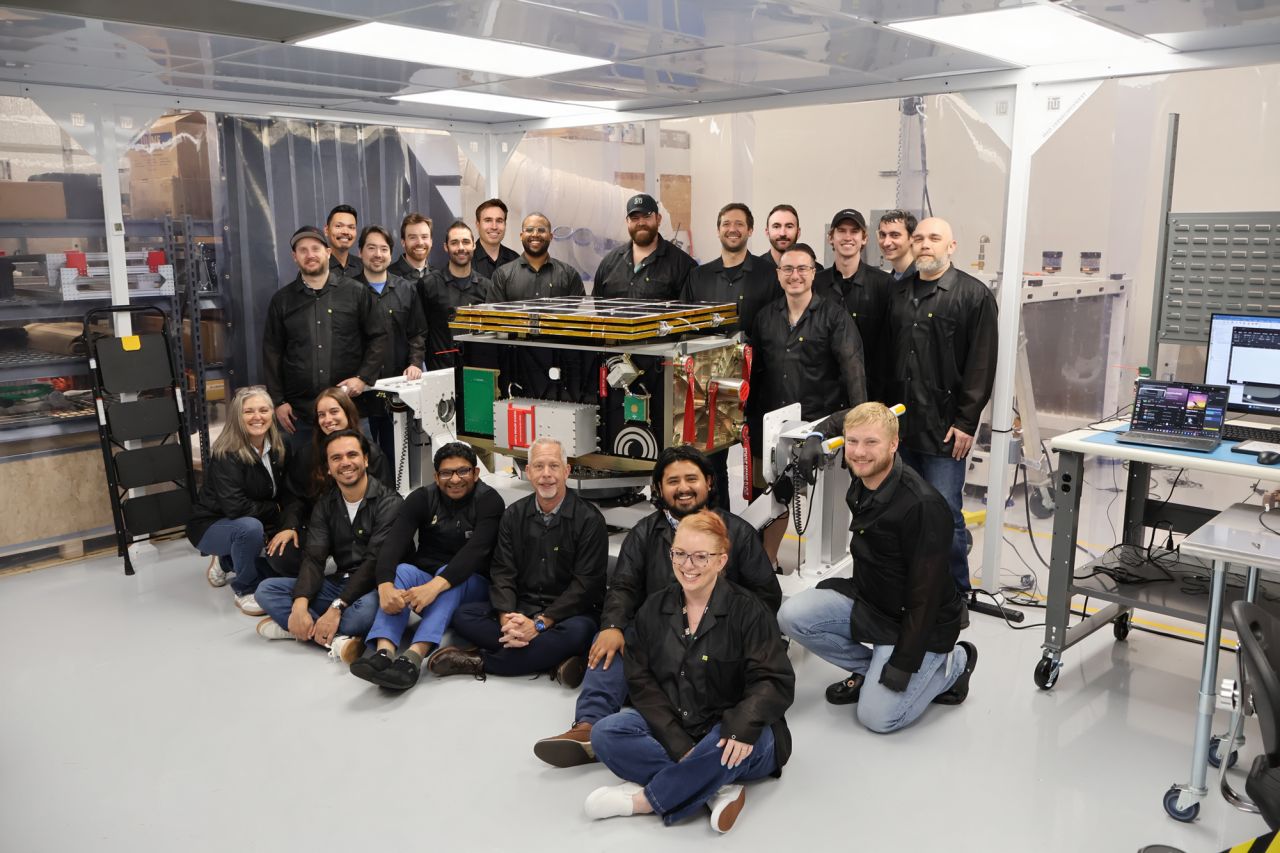
Members of Portal’s Bothell team gather around Starburst-1. (Portal Space System Photo) -
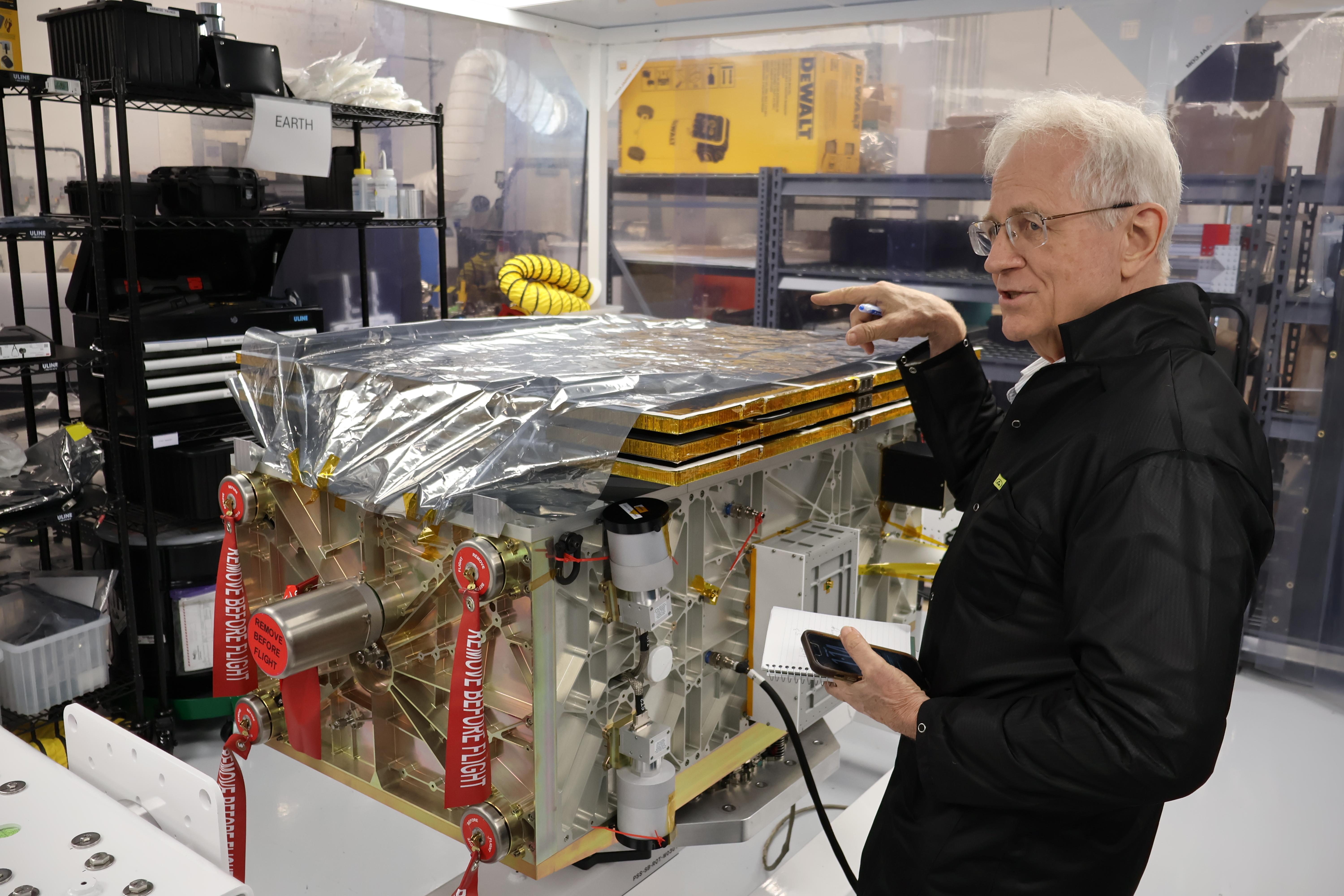
GeekWire’s Alan Boyle gets a close look at Starburst-1. (Portal Space System Photo) -
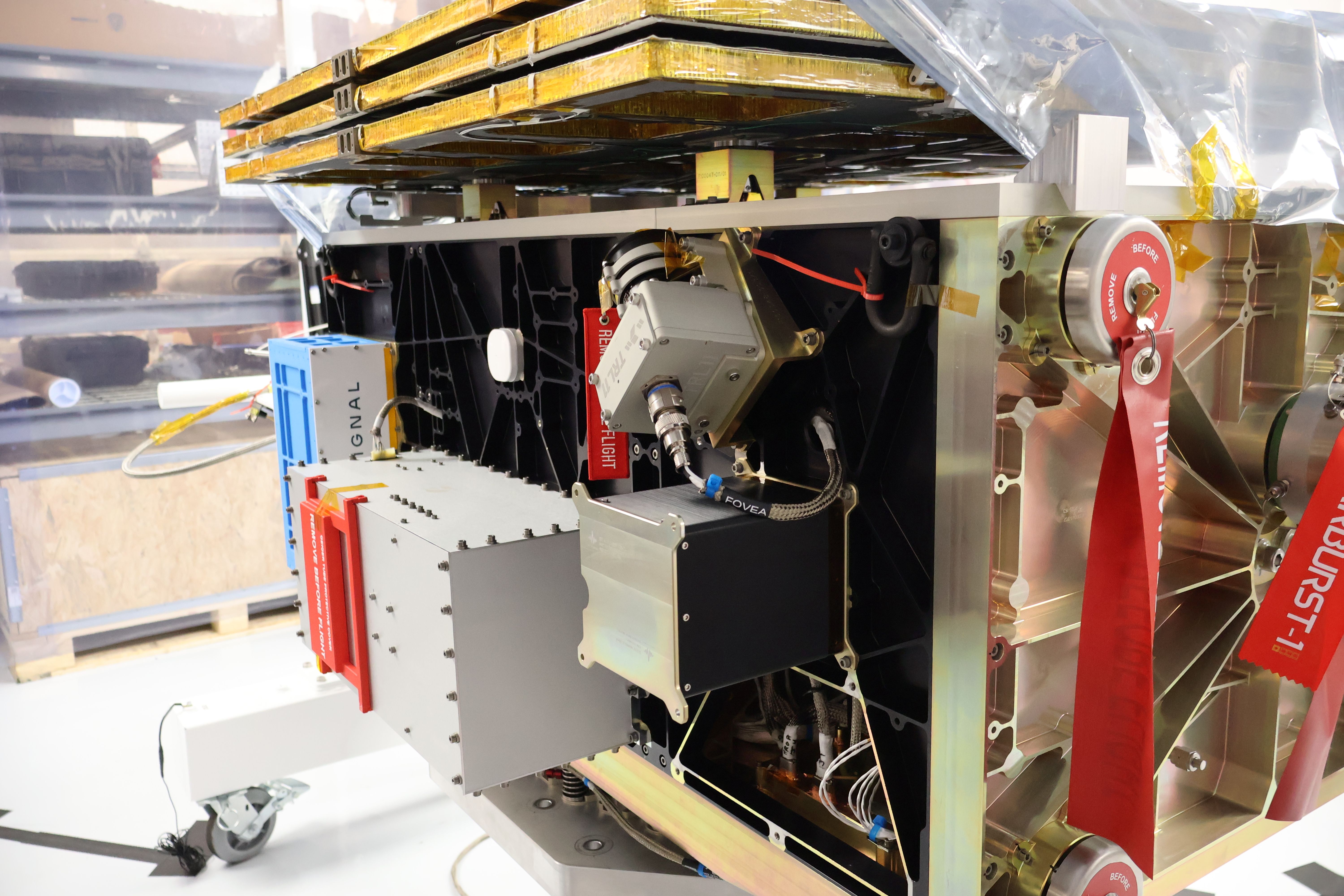
TRL11’s video system and Zenno’s superconducting magnet are attached to Starburst-1. -
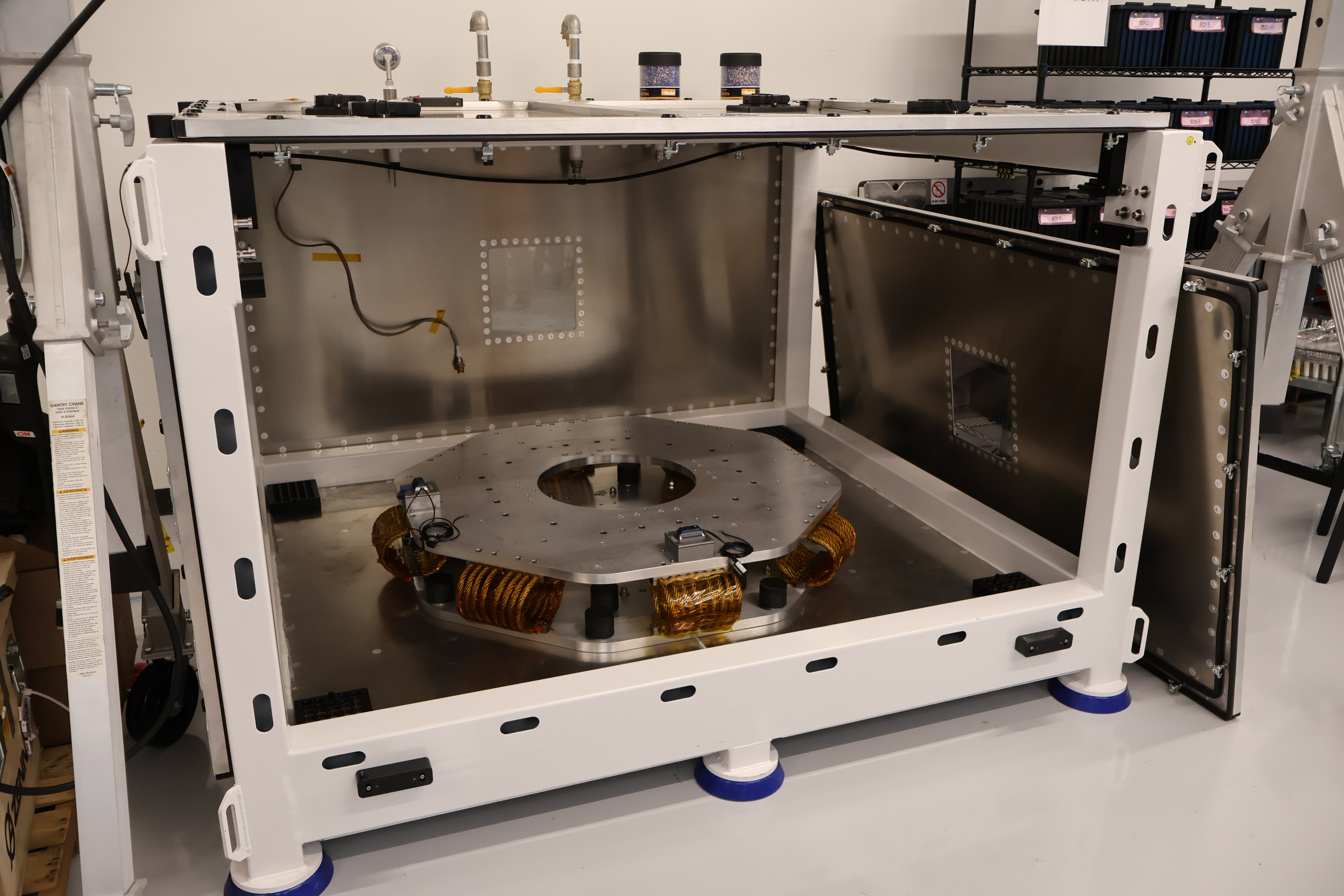
Starburst-1 will travel in this shipping container. (Portal Space Systems Photo) -
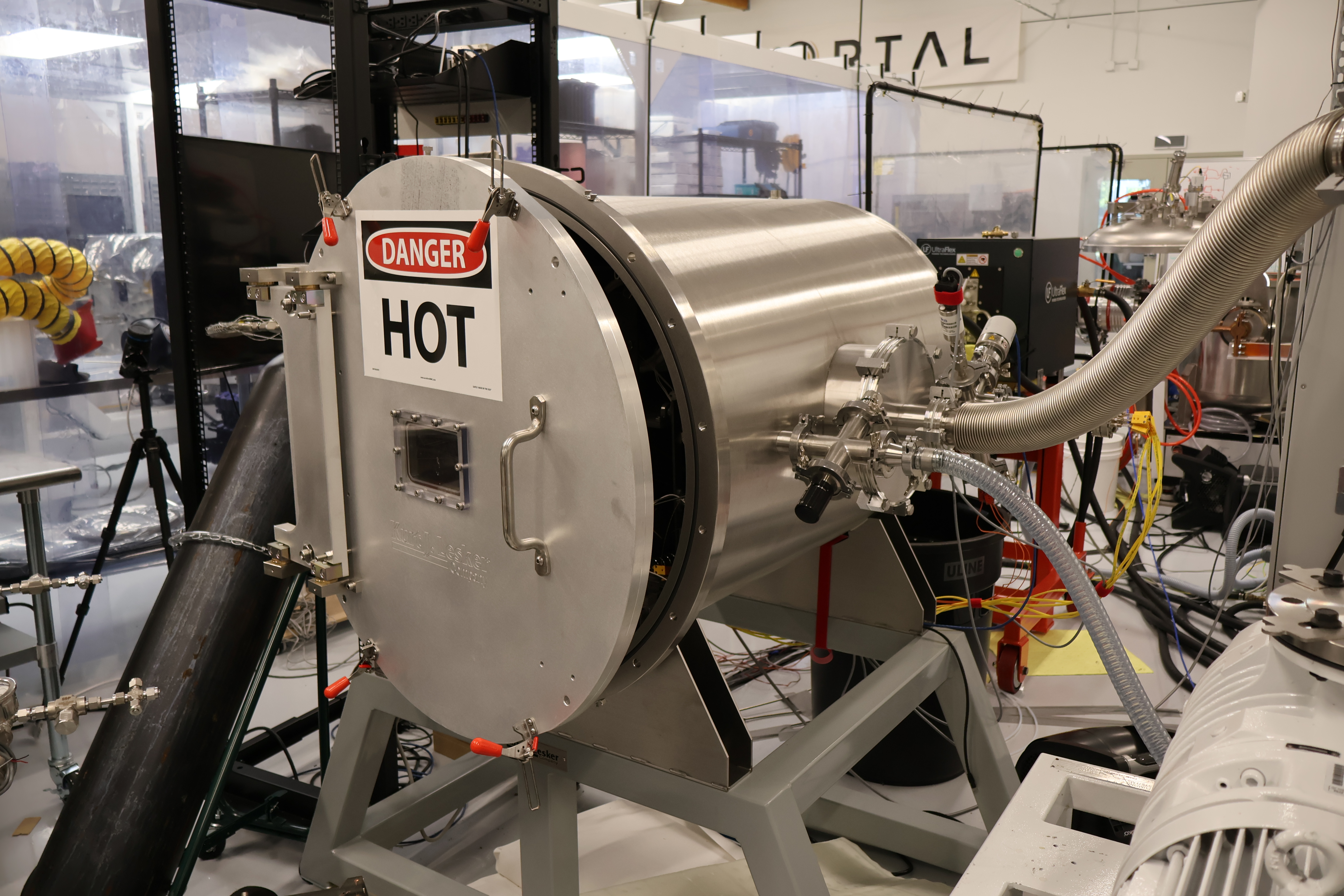
Hardware is tested inside this vacuum chamber. (Portal Space Systems Photo)


One of the boxes attached to Starburst-1 contains a superconducting magnet produced by Zenno, a New Zealand startup that’s in the process of moving its headquarters to Los Angeles. Theoretically, Zenno’s magnet system could be used to maneuver spacecraft in orbit by interacting with Earth’s magnetic field, and it could also serve as a radiation shield for a spacecraft’s sensitive electronics.
“It’s the Star Trek shields coming to life on the spacecraft,” Thornburg said. “That’s probably the use case I’m most excited about.”
Thornburg emphasized that testing the video system and the magnet are secondary mission objectives. The primary objective is to validate Starburst-1’s engineering design over the course of a year or more.
“Everything after a year becomes residual capability,” he said. “If all is healthy, then we’ll basically go into a stable orbit, and then we’ll re-engage this with other Portal spacecraft in the future to practice rendezvous proximity operations, and practice everything we need to refuel these spacecraft.”
By this time next year, Portal’s satellite manufacturing operation will have made the transition over to a much bigger facility in Bothell. “We have 65,000 square feet we’re moving into, just down the road about three miles, and it’ll have the capacity to produce 12 Supernova and 16 Starburst spacecraft a year,” Thornburg said.
Supernova: Putting the plans in place
Supernova will be the flagship of Portal’s highly maneuverable space fleet. It’s designed to serve as an orbital platform for payloads that have to shift to different orbits in hours or days rather than weeks or months.
Two years after emerging from stealth, Portal has attracted tens of millions of dollars in funding and Pentagon development grants. The company anticipates using Supernova for applications ranging from satellite inspection and protection to orbital trash disposal.
Today Portal announced that its first Supernova space vehicle will be launched in 2028 on a SpaceX Falcon 9 rocket. California-based Maverick Space Systems, which did the vibration testing for Starburst-1, will handle payload accommodation, integration and manifest optimization.
“We’re designing an optimized payload stack for Portal, and bringing additional rideshare payloads to the mission, helping reduce launch costs for all mission partners,” Vidur Kaushish, Maverick’s chief operating officer and co-founder, said in a news release. “This new rideshare model is precisely what the industry needs. Portal’s ability to maneuver on orbit gives us the flexibility to select orbits that are truly valuable to rideshare customers.”
@media (max-width: 600px) {
aside.callout { float:none !important; max-width:100% !important; margin-left:0 !important; margin-right:0 !important; }
aside.callout .callout-img { display:none !important; }
}
The key to Supernova’s rapid maneuverability is its solar thermal propulsion system, known as Flare. The system concentrates sunlight to heat up ammonia propellant in a heat exchanger, producing high-efficiency thrust without chemical combustion. Starburst also uses heated ammonia as a propellant, but in a more traditional electrothermal thruster system.
Supernova will be equipped with a battery to store heat when the spacecraft is in Earth’s shadow. “The thermal battery is a material that lives inside our heat exchanger, and it heats up and retains the heat for up to an hour,” Thornburg told me. “So, I don’t need to see the sun to be able to execute a maneuver.”
Supernova’s first mission will be called “Motus Via Sol,” meaning “Movement With the Sun.” And Portal Space Systems will be on the move as well.
“I think the timing will work out where all our future builds will be in our new facility,” Thornburg said. “I’d say in the next six to 12 months, we’ll probably have all of this capability in the new building, and then we’ll vacate this facility. But I’m not rushing engineering, because I don’t need to.”
Thornburg said it was only recently that he realized the full significance of that transition, and what it will mean for “our little mini-facility that did what it needed to do.”
“I was seeing the end of this building,” he said, “and the beginning of the next one.”
You must be logged in to post a comment Login