Tech
Insta360’s Pocket Drone Patent Takes Aim at One of DJI’s Smallest Flyers

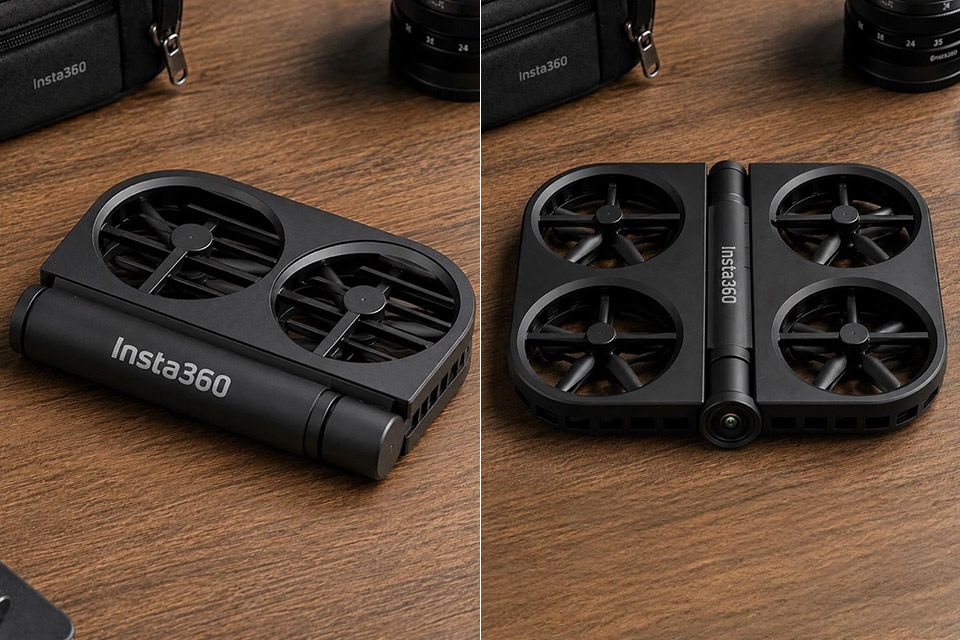
Photo credit: Sarang Sheth
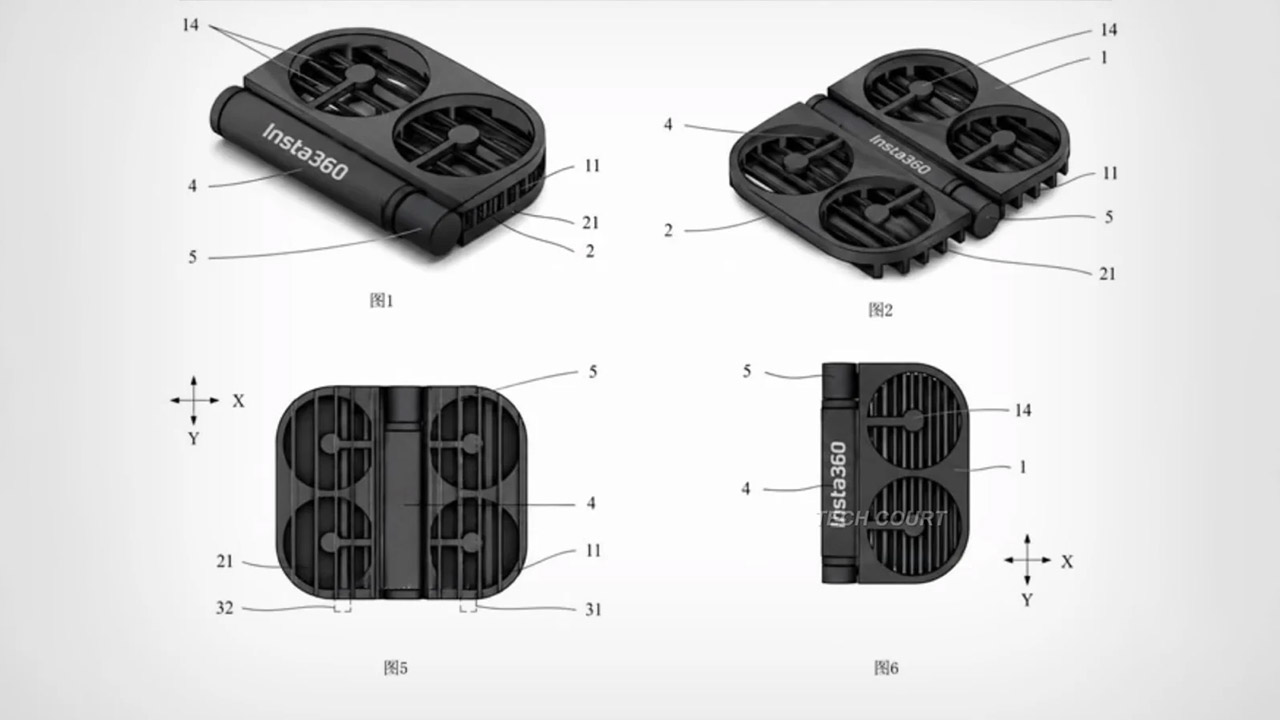
Insta360 keeps filing patents that point straight at the same light, easy-to-carry drones DJI has been selling to casual pilots and creators. The latest one, utility model CN223865117U, describes a compact aircraft with arms that fold completely into the body and a ring-shaped guard around the propellers. Images from the filing, first noticed in mid-July, show a small black chassis stamped with the company logo and a simple locking system that holds the arms open or closed. The entire package is designed to stay under 250 grams, the legal limit that lets many countries skip the more complicated registration rules.


These designs are more concerned with folding up and taking off than with camera features. Two structural arms rotate on a shaft and tuck together when folded to snuggle against one other. You have clearance areas between them to keep the propellers and motors from colliding when the contraption is folded up. There is a separate lock to keep everything safe until the pilot decides to take the thing flying. The end result is a form that resembles a thick smartphone rather than a traditional drone with fixed arms poking out. Early prototype photographs released accompanied the patent show the same black body and ring protectors during outdoor tests, and the drone is occasionally placed next to a shoe for size to get a sense of how little it is.
Insta360 already sells a high-end drone under their Antigravity sub-brand, the A1. That model weighs less than 249 grams and has a dual-lens camera capable of recording 8K 360-degree video. However, the new patent appears to be geared at a second, more basic machine that will not overlap with the A1. According to some sources, the new drone may still have a 360-degree camera for later refinding, while others point out that the patent drawings do not even show the fisheye lens. That could imply that the new drone will only feature a simpler fixed camera, resulting in a significantly lower price. In any case, the folding mechanism and protecting rings provide the design a distinct practical edge for anyone looking for something that can withstand being crammed in a backpack or jacket pocket.
DJI’s Neo 2 is in the same weight class as a standard rigid one-piece frame and has a flying time of around 19 minutes. It launches from the palm of your hand and has several extremely rapid cinematic modes that are simple to operate and take little expertise. Insta360’s method takes some of that simplicity and allows you to fold the drone flat to better protect the spinning parts while traveling. The company has spent years improving its FlowState stabilization and automated tracking in its cameras, so such features are likely to be here if the drone ever hits shelves. You can definitely expect on palm takeoff and simple one-button shots, as it follows a similar path to the Neo series.

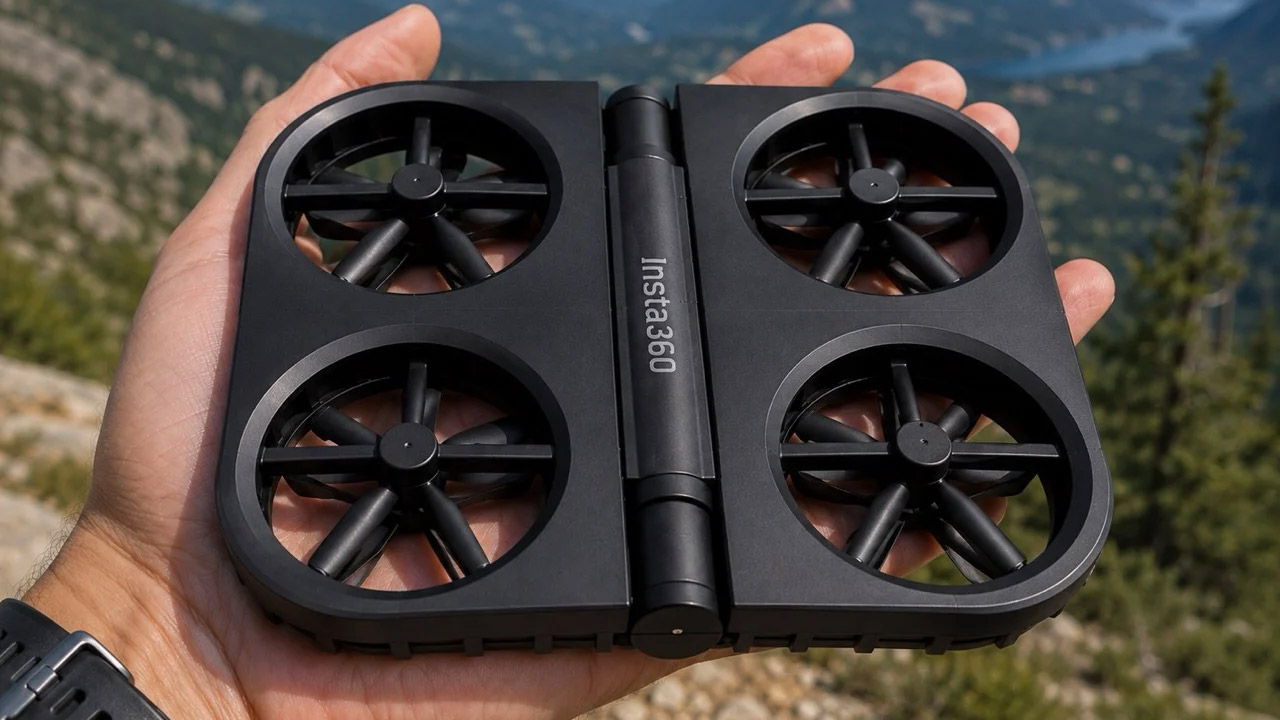
Testing of the second prototype began as early as August 2025. Leaked photographs show it flying alongside the Antigravity A1, implying that Insta360 views the two vehicles as companions rather than competitors. One focuses on immersive 360-degree aerial footage, and the other strives for everyday portability at a lower price range, possibly around $200 if the camera remains basic. The release date is likely to be late 2026 or early 2027, after the company has completed refining the fold and the software that controls it.
[Source]
You must be logged in to post a comment Login