Tech
Intel could launch ‘Raptor Lake Next’ in 2027 as DDR4 makes a comeback

Rumor mill: Intel is preparing to extend the life of its Raptor Lake platform, and the signal is not coming from a formal announcement, but from conversations happening around the supply chain. The company is planning a new wave of processors under the name Raptor Lake Next with a launch expected in the first half of 2027. The chips would arrive after Intel introduces its next-generation Nova Lake CPUs, which the company intends to unveil at CES next year.
That sequencing would put an older architecture alongside a newer one in the market at the same time, a decision that seems driven as much by platform and component realities as by standard product cycles.
Details about Raptor Lake Next are still thin. The name has surfaced through sources cited by Tom’s Hardware, but Intel has not disclosed specifications or confirmed how the chips will be positioned. It is also unclear whether this will involve deeper architectural changes or mostly be a continuation of existing silicon under a new label.
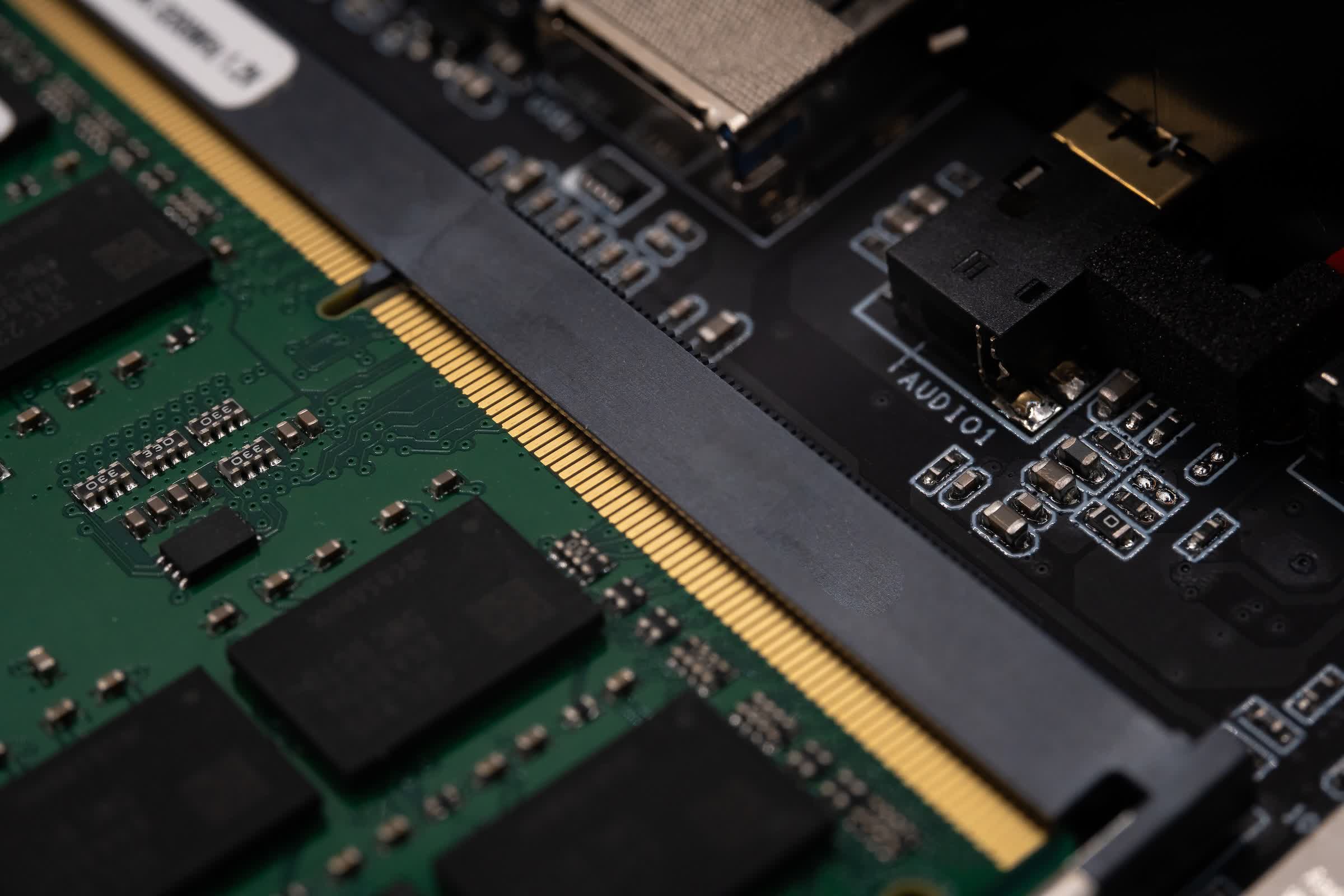
What is clearer is the environment shaping the decision. At least two motherboard vendors said they are increasing production of DDR4-compatible boards for both AM4 and LGA 1700, citing stronger demand for the last-generation memory. The vendors did not directly reference Raptor Lake Next, but the overlap in timing raises the possibility that the two developments are related.
That demand shift appears tied to ongoing volatility in memory pricing and availability. DDR5 has not fully displaced DDR4 in all segments, particularly where cost sensitivity or upgrade paths matter. Keeping a DDR4-compatible platform alive gives Intel a way to serve that part of the market without forcing a transition to newer, and often more expensive, components.
Raptor Lake, first introduced with Intel’s 13th-generation processors, already has a long runway behind it. Even so, it continues to hold ground in certain performance categories. In gaming, Raptor Lake Refresh still includes Intel’s best gaming chip, and the newer Core Ultra 7 270K Plus trails the Core i9-14900K only narrowly.
There are also indications from Intel’s own product stack that the underlying architecture is not going away. The company recently introduced Bartlett Lake processors for embedded and industrial use, built on Raptor Cove cores and the Intel 7 process.
These chips are compatible with the LGA 1700 socket used by Raptor Lake, even if they are not officially supported on consumer motherboards. But some enthusiasts have managed to run those processors on 600- and 700-series boards.
That continuity makes a refresh like Raptor Lake Next easier to execute. That lets Intel keep using a mature process, support hardware that is already in the field, and tweak performance or pricing without forcing a full platform change.
The strategy may also mirror what AMD has done in response to similar market conditions. Faced with memory constraints, Team Red recently brought back a prior-generation DDR4-based chip, an example of how older platforms can stay relevant when pricing and supply line up.
It’s still worth remembering that, as with any roadmap detail emerging from vendor conversations, plans could change.
You must be logged in to post a comment Login