Tech
Invisible Door Sensors are More Useful Than You Think, This Project Shows Why

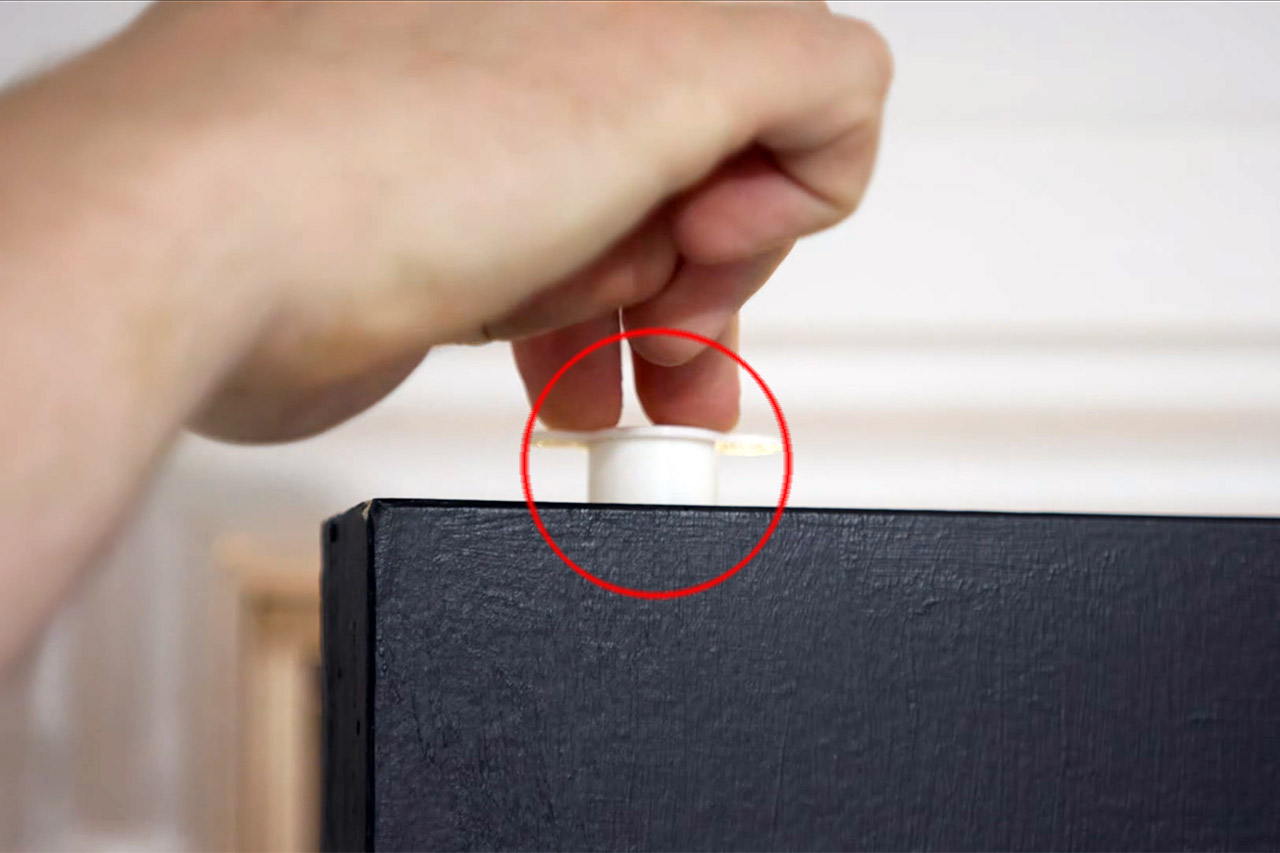
This project takes regular door sensors and amps them up a few notches, providing a brilliant way to keep your smart house smart without having a single gadget attached to the frame. Dillan Stock of The Stock Pot got his hands on those cheap Aqara T1 touch sensors and decided to rebuild their housings from scratch, effectively stuffing everything inside the door and frame.


Aqara T1s already have some fantastic specs: they run on Zigbee, have a long battery life from a single CR2 battery, and cost $8 apiece when purchased in bulk. Not awful at all, but the issue arises when you consider how they look, as people just do not want to overload every door with these things. Stock discovered that by stripping the sensor down to its bare circuit board, which contained the reed switch and battery, and then creating a new enclosure for that board, he could make it all disappear.
Sale

YoLink LoRa Smart Door Sensor Starter Kit: – 1/4 Mile Open-Air Range, Door Left-Open Reminders,5 Years…
- A SMART START! Everything you need to get started: one YoLink Hub and four Door Sensors. Batteries are included and preinstalled, good for up to 5…
- WHY PAY A MONTHLY FEE, when you can secure it for free? Self-monitor and save when you take advantage of our many ways to be notified of alarms and…
- THAT WAS EASY! Installs in moments: scan the sensor’s QR code, give it a name, peel off the pre-applied 3M brand mounting tape protective plastic,…
Reed switches do the detecting because they work with a tiny bit of glass and metal; if there is no magnetic field, the two metal bits stay apart and the circuit remains open; however, if a magnet is nearby, it snaps those bits together, closing the circuit and informing you of the status of the door. In this design, the reed switch is hidden inside the door, while the magnet is located just above the door frame on the opposite side. The door closes, the magnet aligns perfectly, and the switch activates. When the door opens, the magnet no longer aligns, and the system immediately begins the change process.
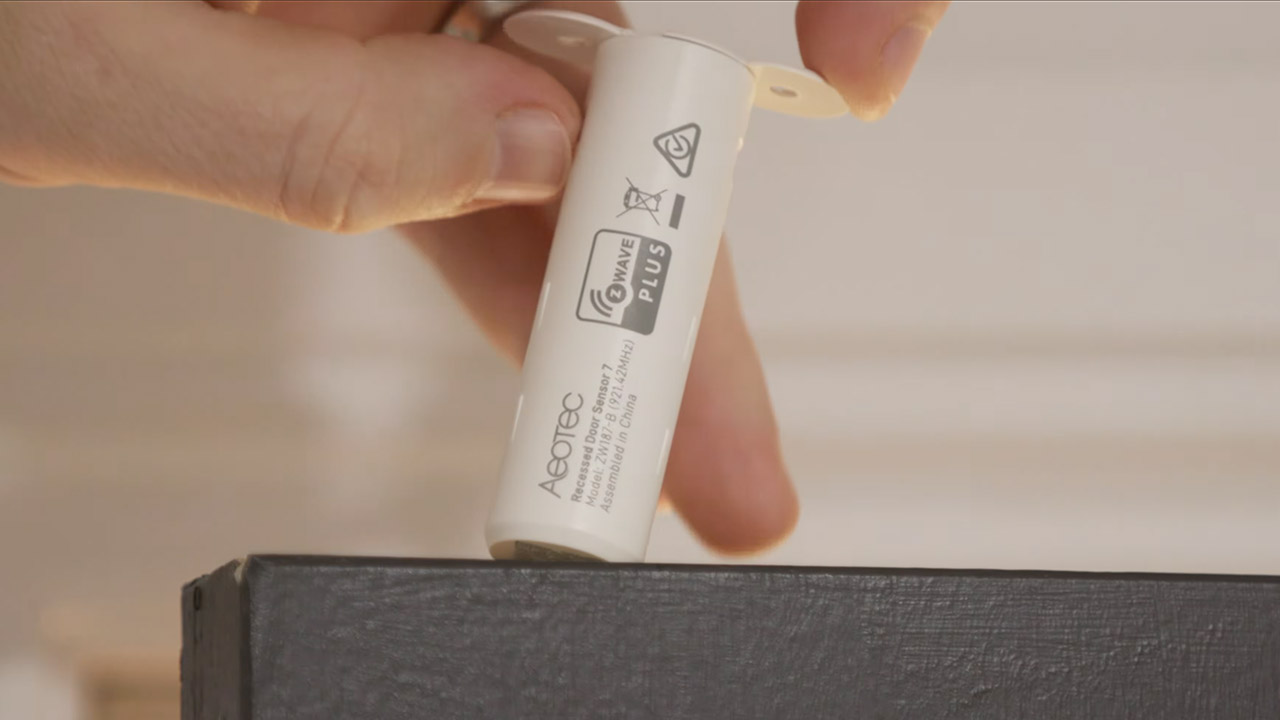
To get things started, Stock was inspired by the Aeotec Recessed Door Sensor 7, but he had to avoid it due to its high cost and dependability difficulties. So he measured the Aqara board after he disassembled it, turned it 90 degrees to fit in the available area, and created a 3D model in Fusion 360. He designed a tubular shape that fits into a hole he drills in the door, as well as a separate cap and little bit for the magnet to sit in.

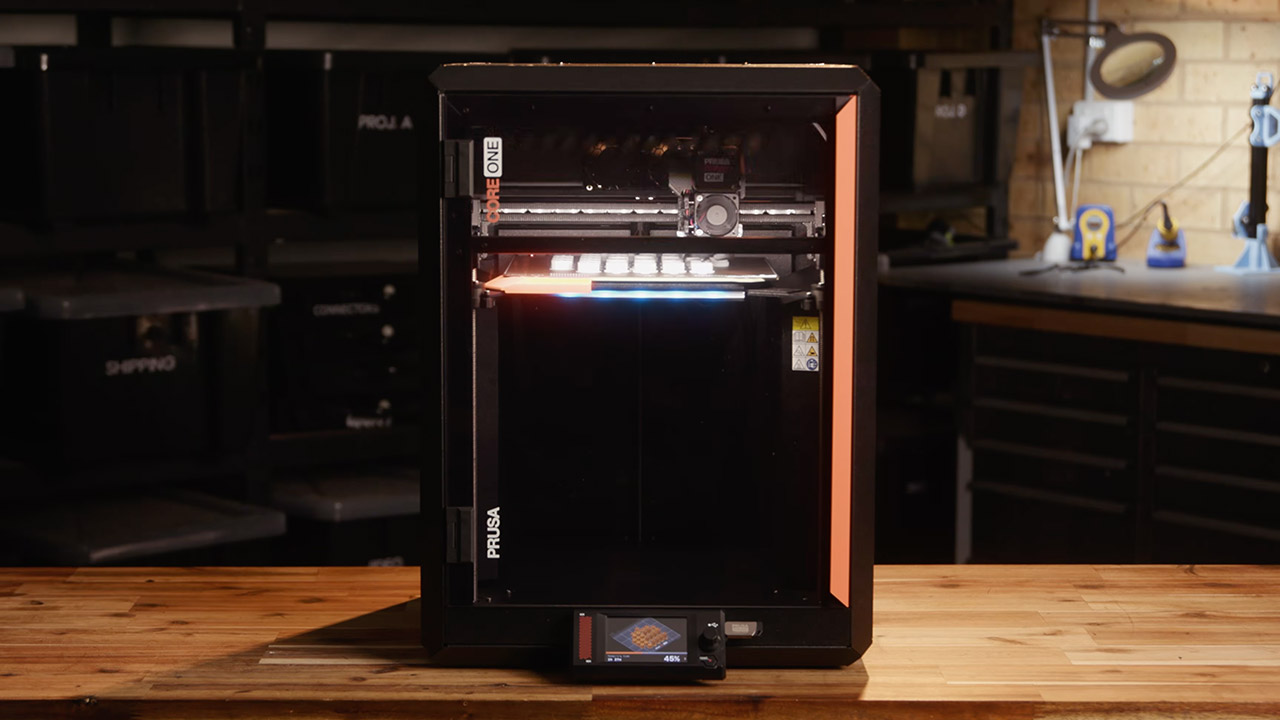
Printing takes place on a standard 3D printer, and the files are free to use on Printables, or you may download your own enclosures from Stock’s website if you don’t want to make them yourself. Once printed, there are only a few pieces to assemble, usually an M2 screw to fasten the cap and several small wood screws to hold the unit in place within the door hole once it’s all put together.
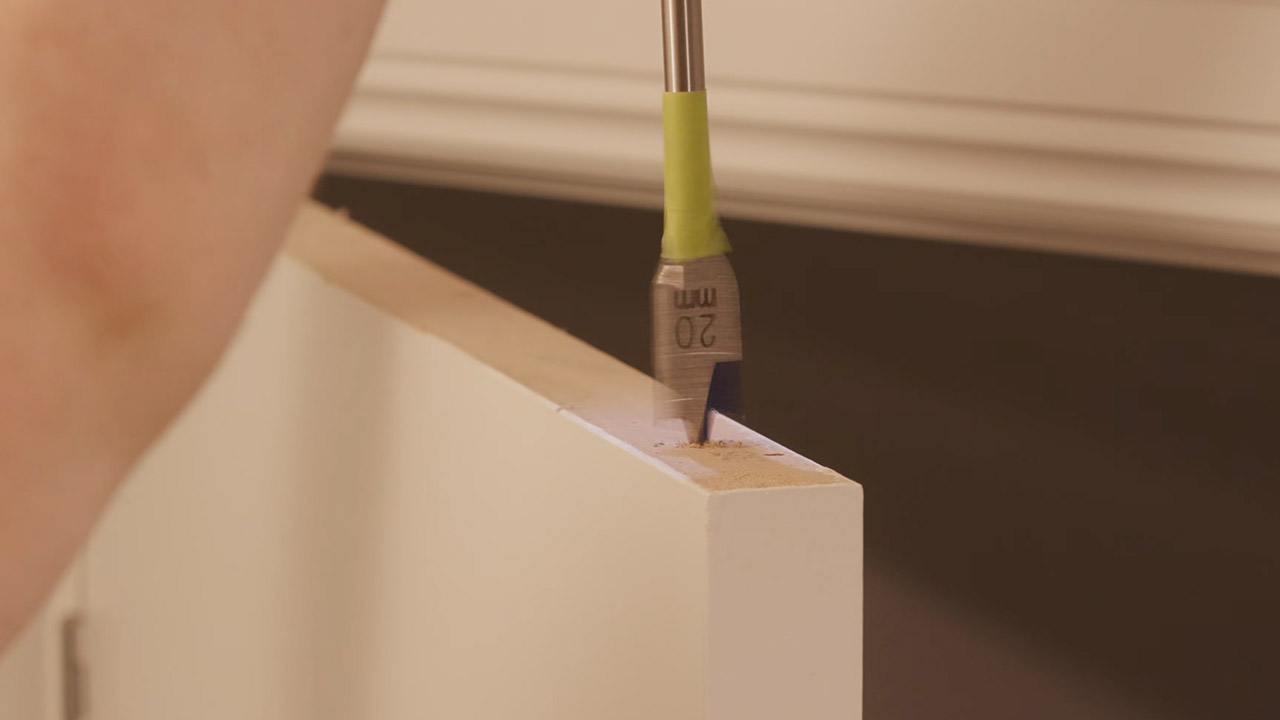
To ensure proper alignment, begin by marking the center point on the top of the door, preferably a reasonable distance away from the hinges. Grab a 20- or 21-mm spade drill bit and drill a hole around 35 to 40 mm deep; the same bit will work for the frame, but only go 20 mm deep. The downloadable files include a centering tool that will help you get everything perfectly aligned. Pop the magnet enclosure into the frame hole; it should fit tightly, but a dab of glue can help set it in place if necessary. Next, slip the sensor body into the door hole, screw it in, and insert the battery. Don’t worry about the bind button getting in the way; there’s enough space for a pin tool to get in there and do its thing when it’s time to couple up with a Zigbee hub.
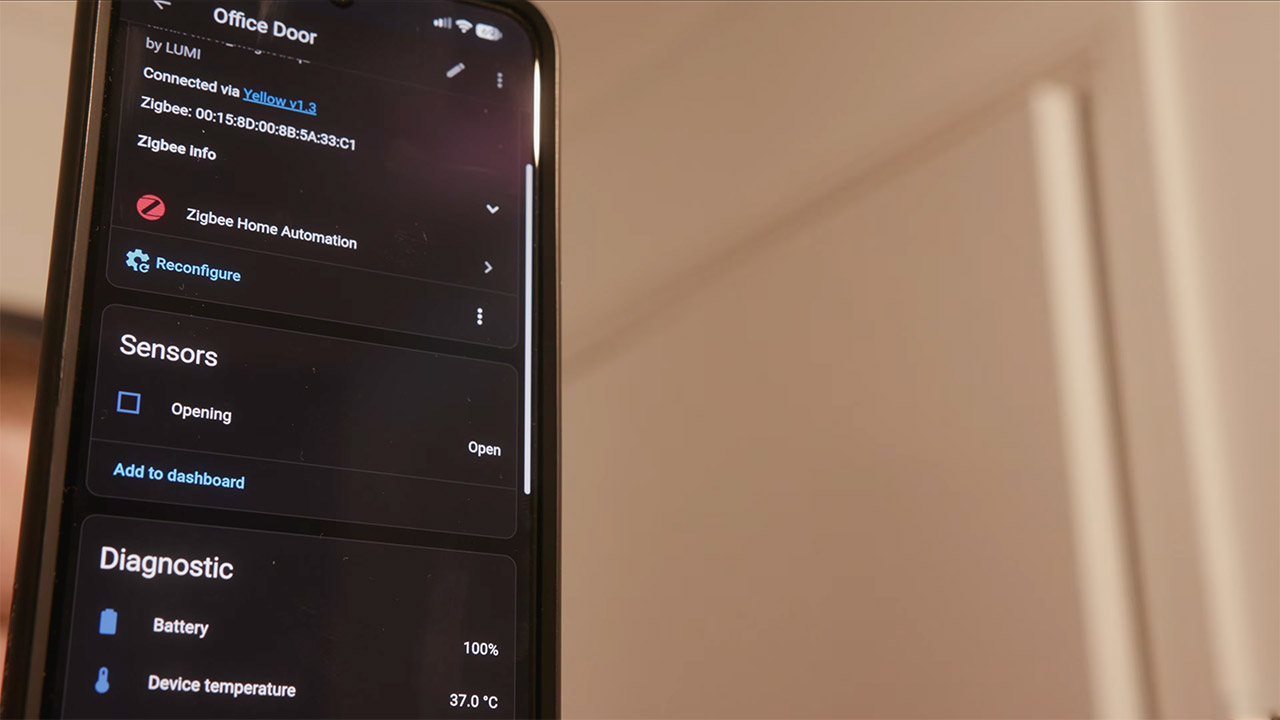
Once you’ve completed the setup, the sensors will begin relaying information about your doors to your smart home system. Open the patio door, and the lights turn on. As you enter the children’s bedroom, the lamps will dim gradually. Every door in the house is monitored, without having to change the appearance of any of the rooms. Plus, the battery life is amazing, lasting a year or more depending on how much traffic your doors see. Best of all, the entire setup will be significantly less expensive than any of the commercial recessed systems you’re used to seeing, and you won’t have to worry with the connectivity dropouts that caused so much trouble in Stock’s previous Aeotec efforts.
[Source]
You must be logged in to post a comment Login