Tech
Iron Walks Off the Line, XPENG Starts Building Humanoids in Guangzhou

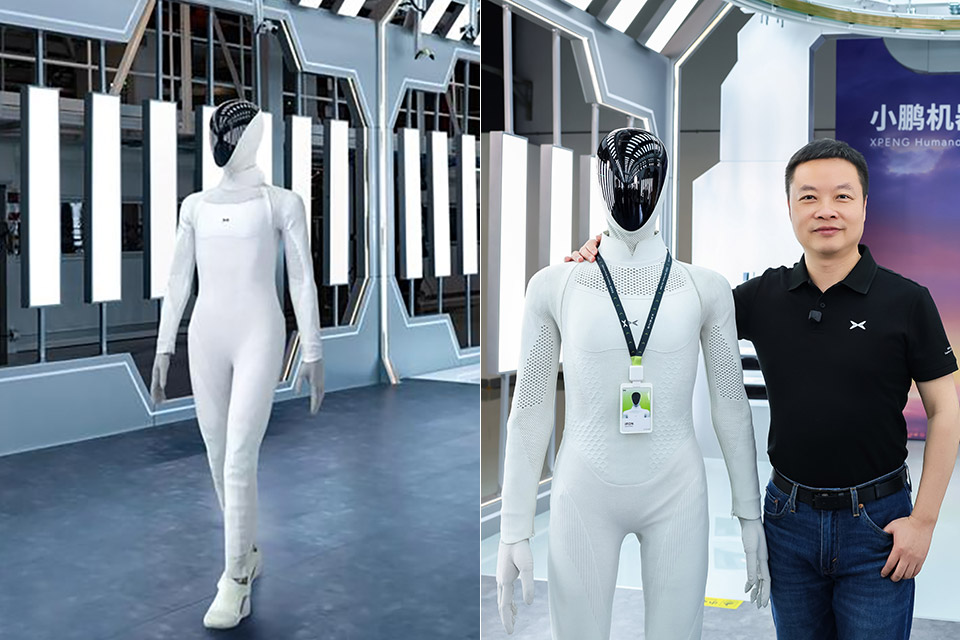
Finished on a new Guangzhou line, XPENG’s Iron stood up and walked away on its own. No remote pilot. No stage crew. Just a completed humanoid leaving the factory floor the way a car leaves a paint booth, only this one used two legs. The company called the September 7 moment the first time an advanced general-purpose humanoid had been built on automated production lines and then departed under its own power.


XPENG claimed the factory as the first fully automated line constructed for humanoid robots of its kind. More than 80% of the production line’s fundamental steps have to be automated. They used their existing quality systems from e-vehicle factories, but said they needed to be altered to suit the tighter tolerances required for humanoid robots. The goal was to build a production line that could consistently produce high-quality products and scale up without tearing down the entire facility. He Xiaopeng, chairman and CEO of XPENG, stated that when they began to develop the lines, they had no prior playbook to follow. He described the success as a little first step toward opening up an entirely new product category.
Sale


ELEGOO UNO R3 Smart Robot Car Kit V4 with Camera, Compatible with Arduino
- BUILD, CODE & DRIVE YOUR OWN ROBOT CAR: Turn coding, electronics and engineering into a working programmable robot car you can assemble, program and…
- EXPLORE FPV, LINE TRACKING & OBSTACLE AVOIDANCE: Control the robot with the ELEGOO app or IR remote, view live FPV video through the onboard camera…
- BEGINNER-FRIENDLY BUILD WITH GUIDED WIRING: Keyed XH2.54 connectors help reduce wiring mistakes, while the illustrated tutorial and example programs…
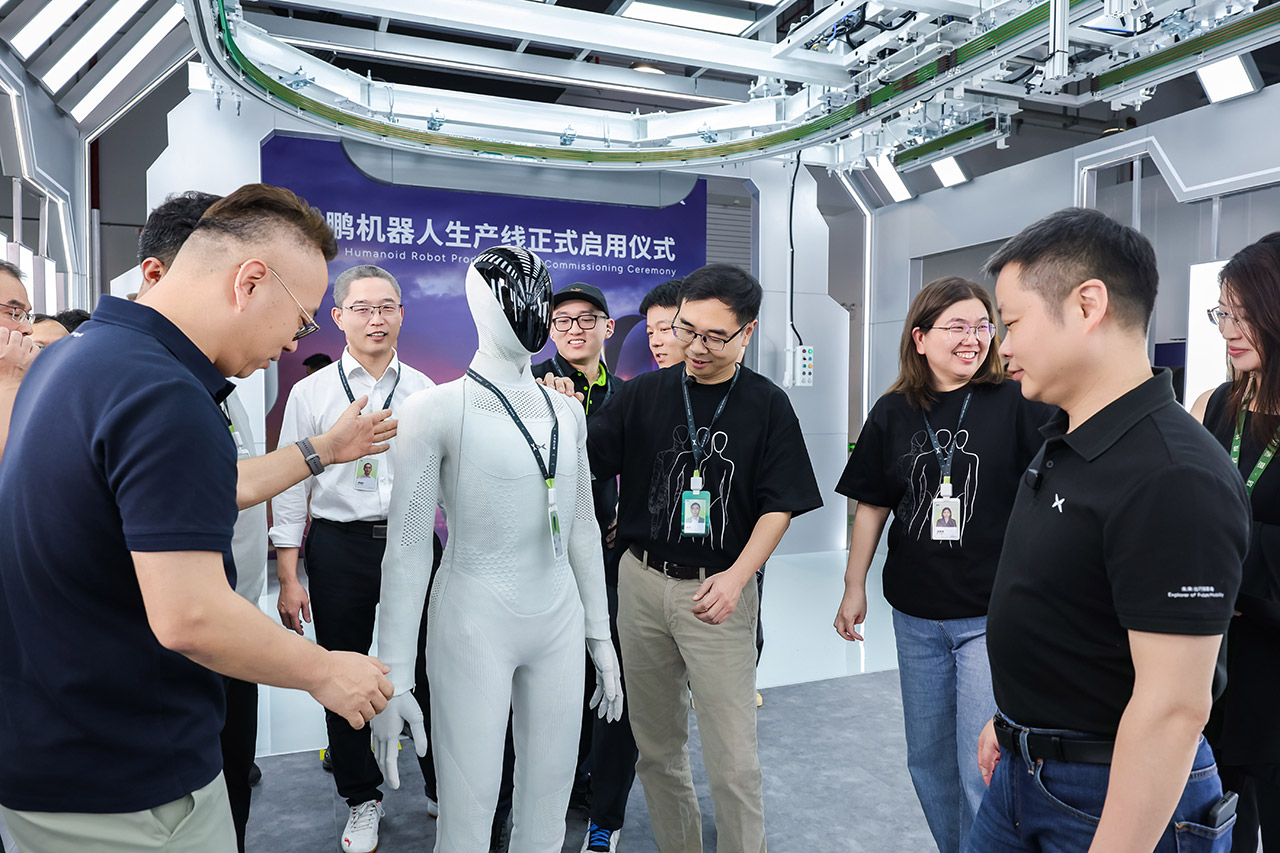
Iron, the humanoid robot, has a remarkable 76 degrees of flexibility in its body and an additional 21 in each hand. It has a completely enclosed, flexible lattice construction that not only gives it a human-like appearance but also has a sophisticated safety net design. So it can now survive the rigors of manufacturing with greater security. Three custom-designed Turing chips deliver an impressive 2,250 TOPS (tera operations per second), more than enough to operate the company’s Physical AI base model on the robot itself rather on a remote server. On paper, this should reduce latency and allow the device to do complex tasks without requiring human control via a joystick. Officially, it is a platform designed to handle a wide range of tasks, but it can also continue to learn as it moves around the world. It will begin with a low-key distribution of tasks for XPENG in its own stores and campuses later this year. In a few months, it will be on the move in China and over the world by 2027.

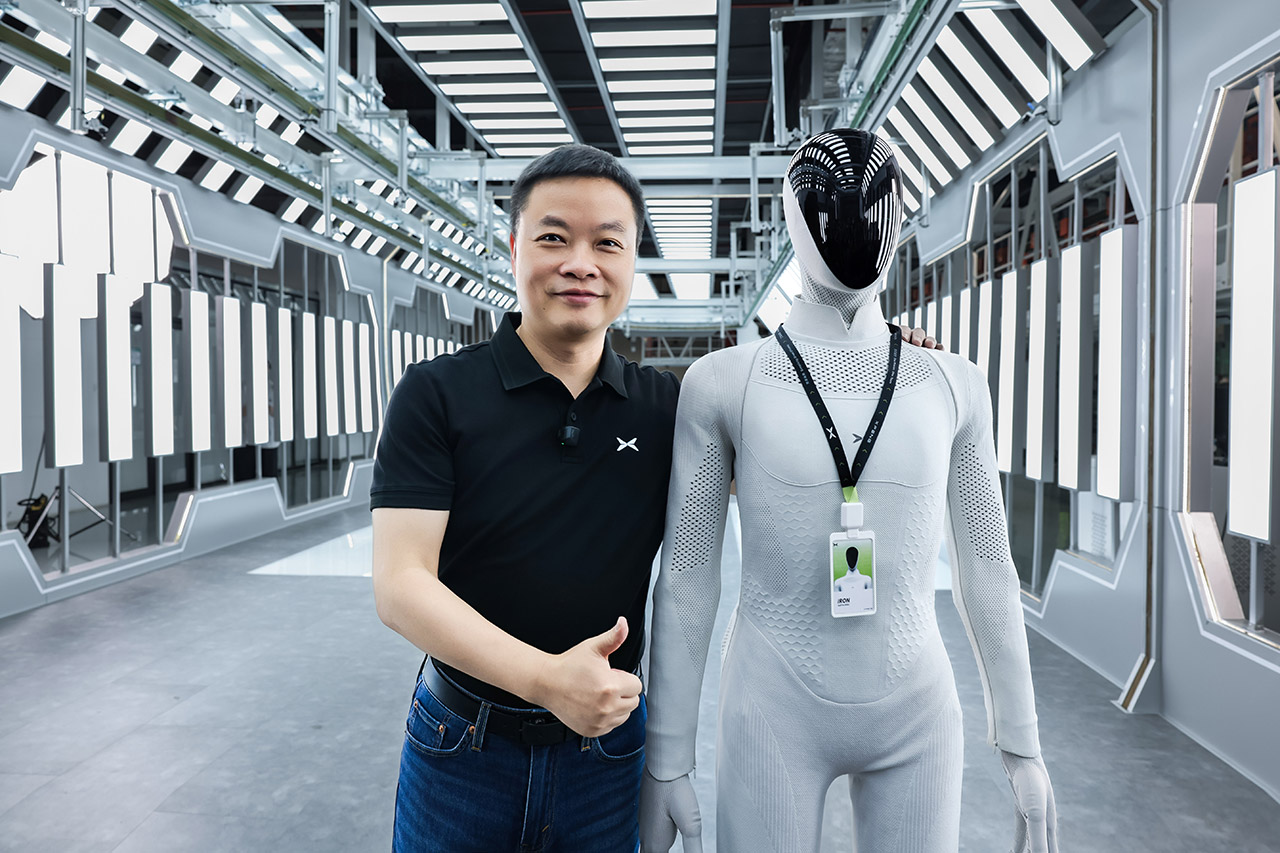
Iron is a large machine, standing 178 cm (5.8 ft) tall and weighing 70 kilograms (154 pounds). It has 76 degrees of freedom in its body, with an additional 21 in each hand. A flexible lattice framework wraps around the entire object, giving it a human appearance while yet meeting safety standards. Three unique Turing-type AI chips give the power to operate the company’s Physical AI base model directly on the robot. This should keep things relatively nearby, resulting in reduced latency and eliminating the requirement for a human to be trapped holding a controller someplace in a faraway location.
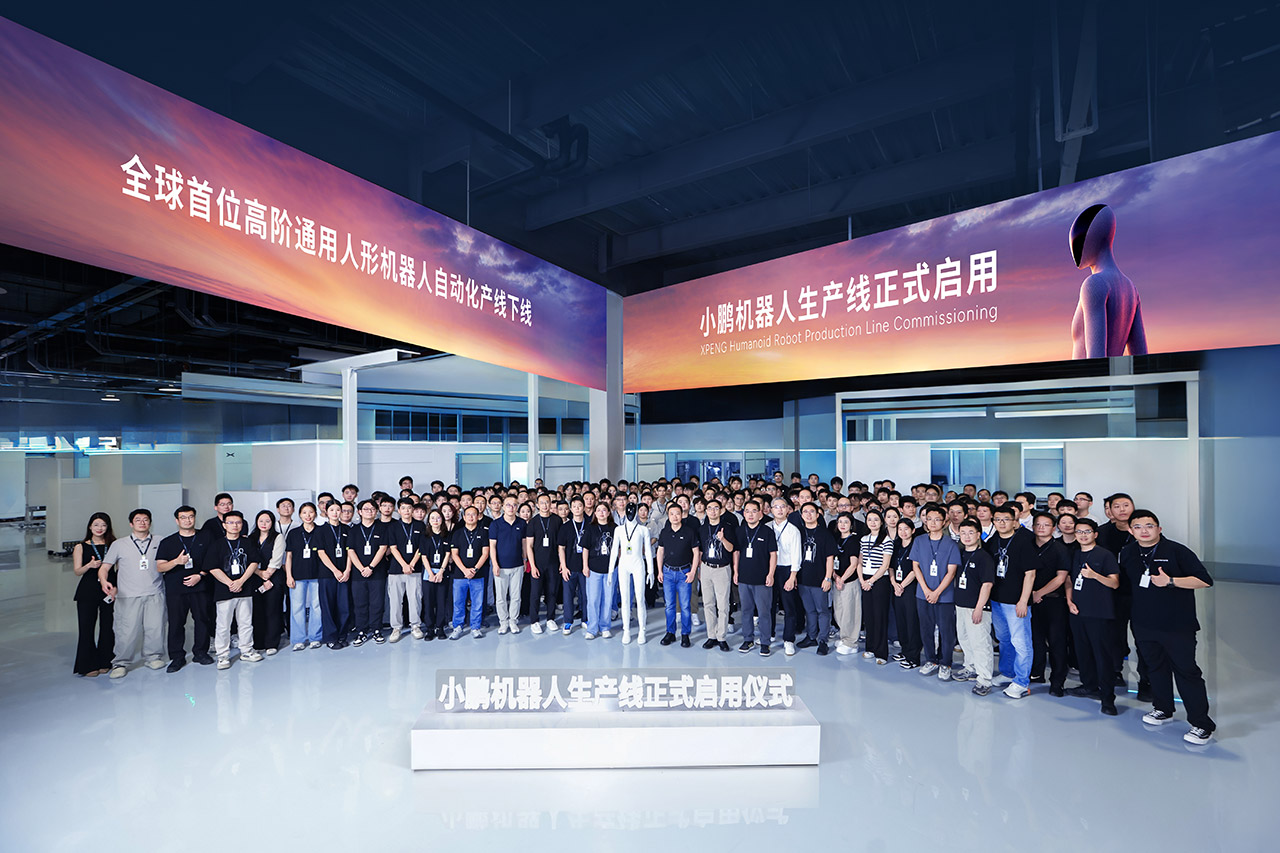
Battery-wise, they are putting high-energy solid-liquid hybrid batteries into production. By the end of 2026, XPENG will be churning out IRON by the hundreds. Following that, the first batch of robots will begin to work inside business stores and campuses in 2027, followed by a wider rollout in China and other markets that same year. If all goes as planned, they hope to be producing over 1,000 units each month by the end of 2026, with the much longer-term objective of selling a million units by 2030.
You must be logged in to post a comment Login