In what looks to be a radical departure from its existing lineup, Range Rover has confirmed an entirely new fifth vehicle: the Range Rover GT, an all-electric grand tourer built on the company’s Electrified Modular Architecture (EMA), the same platform that will underpin other midsized cars for the brand.
Range Rover has only shared camouflaged prototype pictures for now, as the GT is supposedly still undergoing final testing, ahead of a full launch expected later this year. That means details on this completely new model are scant to say the least: no price, no range, and no power figures have been disclosed. As for a release date, Range Rover confirmed the GT hits the road in 2027.
What is evident from the camo images is the GT’s sleek silhouette and coupé proportions, more typically associated with Range Rover’s sister brand, Jaguar, than with the marque known for its commitment to SUVs. Both companies sit below the parent company, JLR (formerly spelled out as Jaguar Land Rover).
The clean Range Rover GT interior shows a small driver’s display and larger central screen, but the company has shunned the auto industry’s return to physical switchgear.
Advertisement
Courtesy of JLR
In a statement, Martin Limpert, global managing director at Range Rover, says the Range Rover GT is intended to “redefine the grand-touring segment” with its “GT poise, proportions and long-distance refinement,” adding that the EV will offer “capabilities no conventional GT can match.”
The inclusion of the word “conventional” is doing some heavy lifting. Range Rover will likely take pains in the coming months explaining how this new all-electric grand tourer isn’t a direct competitor to Jaguar’s new all-electric grand tourer, the hugely anticipated and polarizing Type 01, intended to signify a complete reset for Jaguar, also arriving in 2027.
“We have spent the last few years working obsessively on the fundamentals of the GT formula, reinterpreted in a sophisticated, uniquely Range Rover way,” says Limpert, adding that this GT, like its SUV stablemates, will apparently still be able to off-road. “The result is the most car-like Range Rover ever created. Its blend of effortless EV performance, first-class long-haul refinement, and all-terrain capability is pure Range Rover, while its interior previews our vision of a modern grand tourer.”
The GT’s rear has plenty of legroom, a central screen for passengers, and a panoramic roof that tapers down to maintain a grand-tourer outline.
Turns out the “Hide” part of Hide My Email wasn’t doing its job quite as advertised, something that I covered early in July. Security researcher Tyler Murphy reported the flaw in June 2025, but despite Apple claiming it was resolved in March 2026, independent tests confirmed it remained exploitable, at least until July 3, 2026.
So how did this bug actually work?
The flaw meant that if someone sent a message to your hidden address and it bounced as spam, even a completely legitimate email, your actual email address could get exposed in the sender’s mail logs.
Apple
You wouldn’t even know it happened. A bounced message never lands in your inbox for you to notice. Murphy first flagged the bug to Apple back in June 2025. Apple told him in March 2026 it had been resolved, but it hadn’t. Fast forward to early July, and 404 Media went public with the story.
Apple shipped an actual fix just two days later, on July 3. Make of that timing what you will. “The bug that caused Apple’s Hide My Email to leak hidden email addresses to senders has been fixed,” reports 404 Media.
Is the issue resolved entirely?
However, the outlet warns that email addresses linked to Hide My Email aliases, especially those created prior to July 7, 2026, may still reside in retained third-party mail logs. Apple’s also now facing a lawsuit seeking class action status, accusing the company of violating California consumer protection law by selling a feature that didn’t work as promised.
Advertisement
Apple
This pattern, quietly acknowledging a flaw internally while telling the reporter it’s fixed when it isn’t, echoes complaints commenters raised about Apple’s App Store moderation only responding to public pressure.
Privacy features marketed as premium selling points invite exactly this kind of scrutiny, and a pending class action means Apple’s handling of the timeline will matter as much as the fix itself.
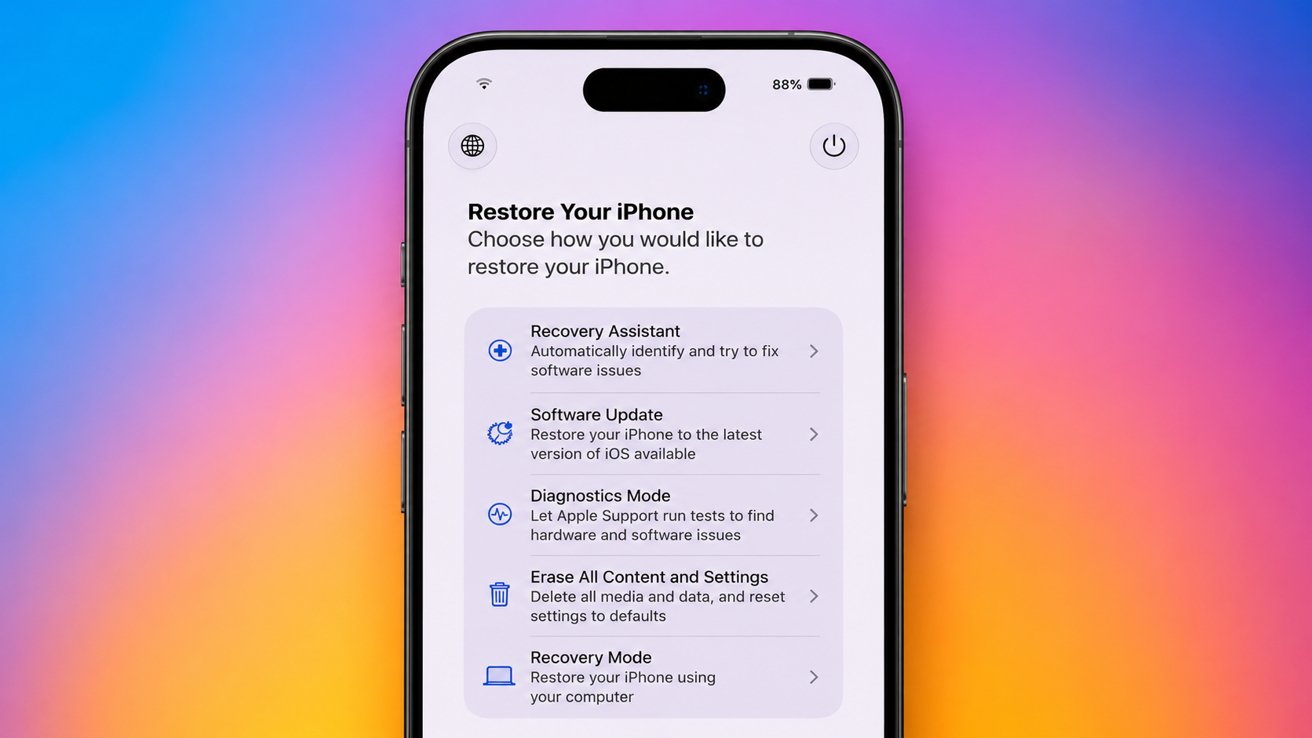
Apple’s iOS 27 recovery screen offers iPhone and iPad users a better first step when a device won’t start, especially without a computer nearby. Here’s how to open it, which repair option to try first, and when computer-based recovery is still safer.
iOS 27 Recovery Mode
A failed startup is one of those iPhone problems that immediately feels worse than it may actually be. The device can sit on the Apple logo, restart in a loop or refuse to finish booting after an update. Before iOS 27, most users eventually ended up connecting the device to a computer and working through Recovery Mode. The iOS 27 and iPadOS 27 public betas add a recovery screen that puts several troubleshooting tools directly on the affected device. The new recovery screen matters most for people who use an iPhone or iPad as their main computer. Recovery Assistant and Software Update may get the device running again without immediately erasing it, while Diagnostics Mode can show whether software recovery is worth attempting. Continue Reading on AppleInsider | Discuss on our Forums
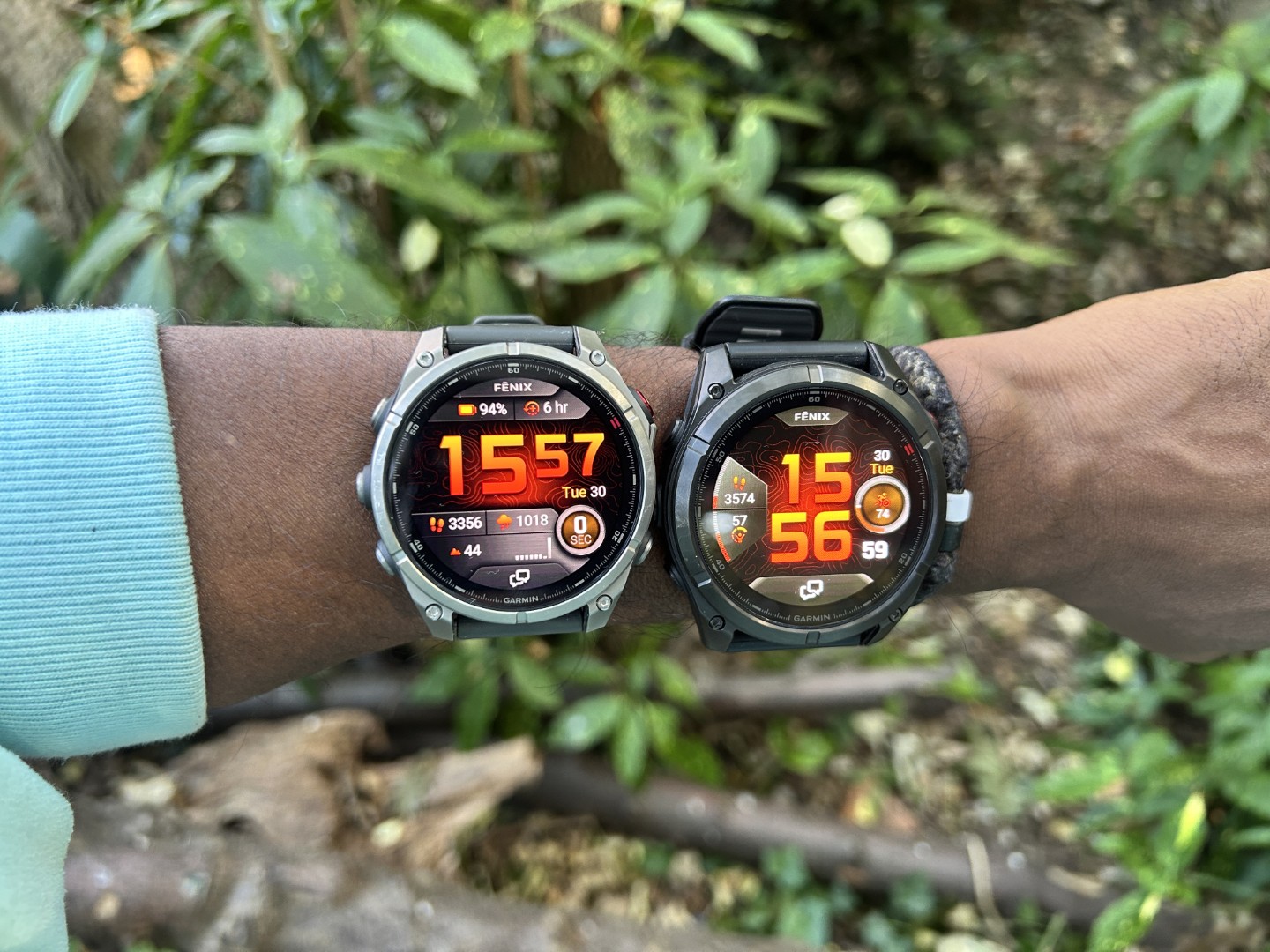
Garmin is reportedly preparing to launch the Fenix 9, Fenix 9 Pro and Enduro 4 simultaneously this year.
That timeline comes from Garmin Rumors, which reports that Garmin plans to bring all three watches to market together rather than staggering their releases as it has with past generations.
The Enduro 4 stands out within that lineup as the only model expected to retain a memory-in-pixel display, a power-saving screen technology paired with integrated solar cells to extend battery life well beyond typical smartwatch limits.
The standard Fenix 9, by contrast, is expected to ship exclusively with an AMOLED panel, a shift that continues Garmin’s gradual move away from memory-in-pixel screens across its flagship range in recent years.
Advertisement
AMOLED technology delivers deeper contrast and considerably brighter, more accurate colours than memory-in-pixel alternatives, though it also draws noticeably more power, particularly when brightness increases to keep the display legible in direct sunlight.
Advertisement
That trade-off explains why Garmin appears to be splitting its flagship range by display type rather than replacing memory-in-pixel screens outright, keeping the Enduro 4 as a dedicated option for ultra-endurance athletes who prioritise battery life over screen vibrancy.
That AMOLED shift arrives alongside another break from precedent, as Garmin appears set to release the Fenix 9 and Fenix 9 Pro together rather than following the staggered rollout used for the Fenix 8 and Fenix 8 Pro.
Advertisement
The Fenix 8 Pro did not reach the market until several months after the more affordable Fenix 8, a gap that let Garmin treat the Pro model as a distinct, later-cycle upgrade rather than a same-day alternative.
The Fenix 9 Pro is expected to carry over the built-in LTE modem and inReach satellite connectivity that distinguished the Fenix 8 Pro, features that let wearers send messages and location updates without a paired phone nearby.
Garmin Rumors also points to a smaller 43-millimetre case option for the Fenix 9 Pro, expanding beyond the 47-millimetre and 51-millimetre sizes that were the only choices available for the Fenix 8 Pro.
Garmin itself has not issued any official statement on the Fenix 9, Fenix 9 Pro or Enduro 4, however, so take these claims with a pinch of salt for now.
It’s been a big year for AI acquisitions — so big that most of them barely register anymore. Anthropic and OpenAI have each gone on buying sprees, snapping up developer tooling, AI services shops, and product-testing startups to convert model capability into enterprise revenue and extend their reach faster than the other. Which is what made a weekend rumor about Anthropic acquiring robotics startup Physical Intelligence stand out. It spread exceedingly fast, even after a denial from Physical Intelligence’s CEO.
Part of that ties to who’s involved. Physical Intelligence isn’t some obscure robotics shop. It was co-founded by Lachy Groom, an investor-operator whose star has been on the rise in Silicon Valley in recent years; it has raised more than $1 billion (and was reportedly in talks this spring for another $1 billion round at an $11 billion valuation); and its π0.5 model is apparently among the more widely used robot brains in robotics research.
As it turns out, the rumor wasn’t completely spurious. Anthropic and Physical Intelligence actually did hold acquisition talks this spring, according to The Information, so tech blogger Robert Scoble — whose weekend post on X set off the frenzy — may have gotten the specifics wrong without being wrong that something had happened.
Physical Intelligence’s response to the rumor mill wasn’t the world’s most vigorous denial, it should be noted. According to The Information, Physical Intelligence CEO Karol Hausman told employees the reports weren’t true via a Slack message containing a gif of a character from “The Office” shaking her head no.
Advertisement
Groom, for his part, did not respond to TechCrunch’s request for comment, sent Monday night.
Anthropic has made four known acquisitions this year; OpenAI has been more aggressive, acquiring at least 17 companies since 2023. Both are also, of course, now preparing to go public. Anthropic confidentially filed for an IPO on June 1, followed by OpenAI a week later, setting up what could be two of the largest U.S. stock debuts in history.
So why robotics, why now? The likeliest answer is that physical-world understanding may be a prerequisite for superintelligent systems, and no amount of internet text can substitute for it.
OpenAI’s own history here is instructive. It built an early robotic hand that could solve a Rubik’s Cube, then shut the entire robotics group down in 2021, with co-founder Wojciech Zaremba later saying the approach was missing pieces needed for real superintelligence. The team came back in 2024, quietly building a humanoid robotics lab in San Francisco, before CEO Sam Altman made it official in late May, announcing “OpenAI Robotics” was hiring and describing a near-term focus on robots for infrastructure work, with a personal robot for everyone as the long-term goal.
Advertisement
Anthropic hasn’t built anything resembling OpenAI’s hardware lab. What it has done is publish a string of research pieces through its internal group that stress-tests frontier capabilities for safety purposes. That included Project Fetch last November, where Anthropic staff tested how much Claude could help non-experts program a robot dog, and a second phase in June that, according to Anthropic, found a newer model completed the same tasks roughly 20 times faster than the best human-plus-Claude team from the year before.
Buying an existing team with robotics expertise would let Anthropic skip years of work. There’s a possible complication, though. Physical Intelligence was founded in San Francisco roughly two years ago by Groom, former Google researchers, and professors from Stanford and Berkeley, and its early investor base looks a lot like OpenAI’s own, including Khosla Ventures and Thrive Capital. Founders Fund — also a major OpenAI investor — was reportedly involved in Physical Intelligence’s newest funding round earlier this year.
In fact, OpenAI is itself an investor in Physical Intelligence, so it isn’t just a peripheral player; it’s a stakeholder in a company that its chief rival was reportedly in talks to buy very recently.
That raises questions around whether OpenAI’s early investment came with any information rights, or a right of first refusal over a sale to a competitor — the kind of protective provisions that strategic investors sometimes negotiate for precisely this scenario.
Advertisement
That leaves open the possibility that if Physical Intelligence is actually in play, OpenAI — already a shareholder, already close to Groom, already trying to ensure it bests Anthropic in robotics — may have the more obvious claim to it than Anthropic does. We asked OpenAI these questions earlier today and the company didn’t respond.
When you purchase through links in our articles, we may earn a small commission. This doesn’t affect our editorial independence.
Each payout per work will amount to roughly $3,000, to be paid to around 500,000 works.
A US judge has approved Anthropic’s $1.5bn settlement of a major AI copyright lawsuit filed by a trio of authors, setting the record for the largest settlement in copyright law in the country’s history.
In their 2024 lawsuit, authors Andrea Bartz, Charles Graeber and Kirk Wallace Johnson accused Anthropic pirating their copyrighted material to train Claude. “Largescale theft of copyrighted works” is a key component of the company’s business model, they said.
The court found that Anthropic illegally acquired millions of books through shadow libraries, but ruled that the company was protected by fair use when using books to train its AI models. The lawsuit was certified as a class action last July, the first in copyright litigation against AI companies.
Divided up between some 500,000 works, each payout per work under the approved settlement will amount to roughly $3,000, which the court pointed out is four-times the statutory damages awarded for “wilful infringement”.
The class includes copyright owners whose works were found in shadow libraries LibGen and PiLiMi, which were downloaded by Anthropic.
In a statement, Anthropic deputy general counsel Aparna Sridhar said that the company is “looking forward to bringing this matter to a close”.
Advertisement
“We reached this settlement in 2025, after the court’s landmark ruling that training AI on books is fair use under copyright law – which remains the law today.
“We are pleased that more than 91pc of authors and publishers covered by the settlement have claimed their share of the payment.”
For comparison, the $1.5bn settlement makes up roughly 0.8pc of Anthropic’s September valuation and marginally more than 0.1pc of its value after the May raise.
Don’t miss out on the knowledge you need to succeed. Sign up for the Daily Brief, Silicon Republic’s digest of need-to-know sci-tech news.
Reports indicateHuawei is building and operating DRAM fabs through a joint venture with state-controlled SwaySure
This is part of an alleged 11-fab network Huawei operates behind state-owned fronts that it denies exists
The move, seen as a bid by Huawei to secure captive HBM supply for its increasingly powerful Ascend AI chips, could place the company above Apple, Intel, and Nvidia, none of which makes its own memory.
Mounting evidence suggests Huawei is taking the same approach that saw it build CPUs and AI chips in the past to DRAM in the present.
The Chinese tech conglomerate is allegedly building and operating DRAM fabrication plants on the mainland, bringing it into direct competition with only one major player at the same scale, albeit for a much larger consumer base: Samsung.
Drawing on media reports and postings by semiconductor analysts, Block & Files has published claims (which Huawei currently denies) that the company is potentially building and operating DRAM fabs through a joint venture with Shenzhen-based memory maker SwaySure, giving it effective control over at least 11 different semiconductor fabs in the region.
Latest Videos From
A move borne out of sanction-mandated necessity
Despite its ramifications and Huawei’s denials, the claim is hardly new: the first link between the two companies was in 2025, when the Financial Timespublished satellite images of Huawei’s advanced chip production line that tied it to SwaySure and cited state financial backing for the facilities shown.
Advertisement
Huawei’s purported move did not happen in a void, however; it finds itself in a situation where the Chinese state is increasingly and aggressively defending it not only covertly but overtly, on multiple fronts, as it responds to Washington-backed sanctions that limit and in some cases all but eliminate its ability to access cutting-edge silicon.
The overt part is easy to identify: the Semiconductor Industry Association estimated that Huawei is receiving $30 billion in state funding from the central government and its hometown of Shenzhen to build its chip network, while a separate 2019 estimate put the lifetime figure at US$75 billion in state support.
The government has also effectively barred its tech giants from buying AI chips from AMD and Nvidia while propelling Huawei’s Ascend line to de facto standard in the Chinese market, guaranteeing Huawei revenue it would otherwise have to compete for.
Advertisement
Sign up to the TechRadar Pro newsletter to get all the top news, opinion, features and guidance your business needs to succeed!
The covert part is much harder to identify, but equally crucial: China also allegedly tolerates a shadow fab network that is, at least on paper, not directly associated with Huawei but is, for all intents and purposes, an arm of the giant, the opacity making it hard to pinpoint the direction and scale of Huawei’s ambitions in the space. This is also why the US resorts to Entity List designations of Huawei’s affiliates: Washington is trying to pierce a veil Beijing built on purpose.
The strongest corroborating signal, ironically, comes from Huawei’s adversary: the US government’s own Entity List designations imply that BIS investigators concluded these companies function as one network, which is as close to official confirmation as is currently available.
Huawei’s move stems from a voracious appetite for AI-centric High Bandwidth Memory (HBM), which sanctions ensure it cannot source directly from international suppliers, with the US having tightened export controls to keep it, at least legally, out of Chinese hands.
Advertisement
While a Huawei that fabs its own DRAM would be a notable leap, it may be more of a potential future supplier to Apple than a direct competitor, as Apple is toying with the idea of buying memory from Chinese makers to ease its own supply issues.
Huawei’s products do, however, compete with Apple in the smartphone segment, with Intel‘s server CPU offerings, and with Nvidia’s AI chips, even as the last of these struggles to find a foothold in what was once one of its largest markets by revenue.
It does seem to have Samsung’s Western position in its crosshairs as it builds toward zero Chinese dependency on suppliers Washington can sanction, but it has a lot of catching up to do to hold its own against the current king of the hill. Samsung holds a 3–4 year lead in HBM, arguably the gap that matters most, over China’s CXMT, while its DRAM lead is much narrower and closing considerably faster against China-based memory makers.
Advertisement
Chinese makers have meanwhile reached relative parity in the NAND flash used in SSDs, an increasingly important space for AI, even as Huawei still relies on SMIC for CPU and GPU fabrication, a process roughly two nodes behind industry leader TSMC.
Huawei, at least on paper, has its own designs but does not fab them itself, leaving that to other specialist firms. But if the report holds true, it just might become the first real challenger to Samsung’s position as chip designer, fabricator, and memory supplier all rolled into one.
Overview: As social media algorithms come under increasing scrutiny, policies to ban children from services such as Facebook, X, YouTube, and Snapchat are gaining popularity across the globe. France has just become the latest country to pass such legislation – but data suggests the impact of Australia’s earlier ban has been limited.
France’s Parliament gave final approval on Tuesday to a law banning children under age 15 from social media, with the National Assembly voting 279 to 81 after the Senate had approved the text earlier the same day. The vote followed the Assembly’s initial approval of the bill in January by a margin of 130 to 21.
President Emmanuel Macron, who strongly championed the legislation, wants it in effect before the new school year begins in September. The bill also bans smartphone use in high schools but exempts online encyclopedias such as Wikipedia, educational and scientific directories, and open-source software platforms such as GitHub.
The bill enjoyed unusually broad bipartisan support in France’s traditionally divided parliament. Macron fast-tracked the legislation, hailing its passage as a “major step forward” and positioning France as the first country in the European Union to approve a blanket social media ban for minors.
Advertisement
Macron cited data from France’s national public health agency indicating that one in two teenagers in the country spends between two and five hours each day using smartphones. Approximately 90% access the internet via phones daily, and more than half access social media on them.
The president has said the country aims to protect children’s brains from being “manipulated,” in his words, “neither by American platforms, nor by Chinese algorithms.” Lawmaker Laure Miller, who authored the bill, said the legislation firmly establishes that social media is not harmless, arguing it causes children to read less, sleep less, and compare themselves to others more.
With the law now passed, France leapfrogs proposals still moving through other European countries, including Greece, Norway, Spain, and the UK. Greece aims to enforce a ban starting next year, and restrictions for under-16s are set to be introduced into the Norwegian and British parliaments by the end of 2026.
Australia became the first country in the world to attempt such a ban, in December 2025, but recent studies cast doubt on its effectiveness. Australia’s eSafety Commissioner found that roughly seven in ten children who held social media accounts before the ban took effect still retained them three months later, and a study published in the British Medical Journal put the figure as high as 85%.
Advertisement
Regulators say Facebook, Instagram, Snapchat, TikTok, and YouTube have largely failed to enforce the removal of underage accounts. Most teenagers who kept access report never encountering an age-verification check, even though some circumvented restrictions using VPNs or other workarounds. France is also considering restricting VPN use to close a similar loophole.
In response to the noncompliance, the Australian government doubled the maximum penalty for infringing companies to $99 million AUD (about US$68 million). Australia’s internet regulator, eSafety, is currently investigating Facebook, Instagram, Snapchat, TikTok, and YouTube for non-compliance.
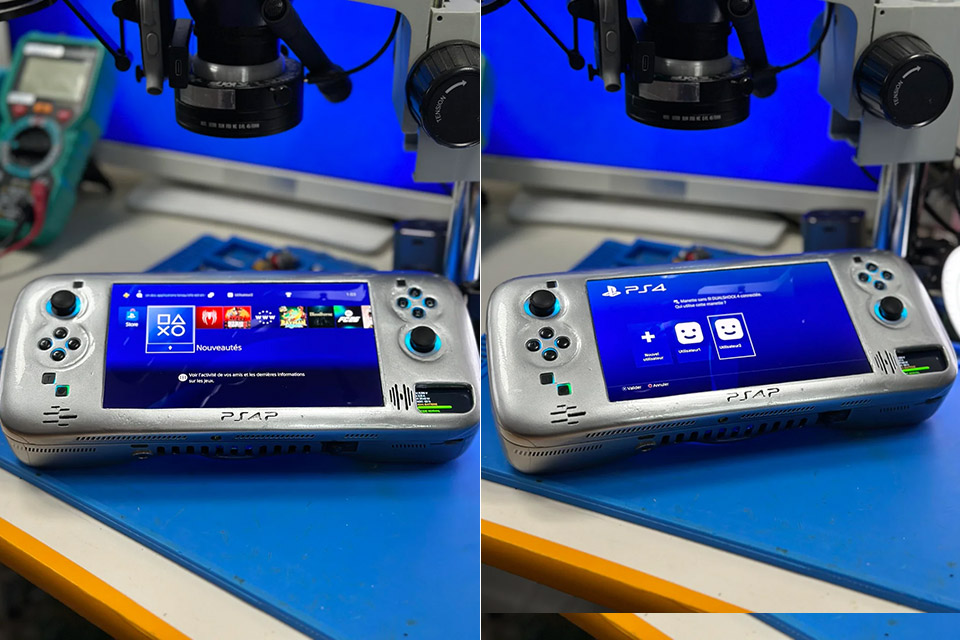
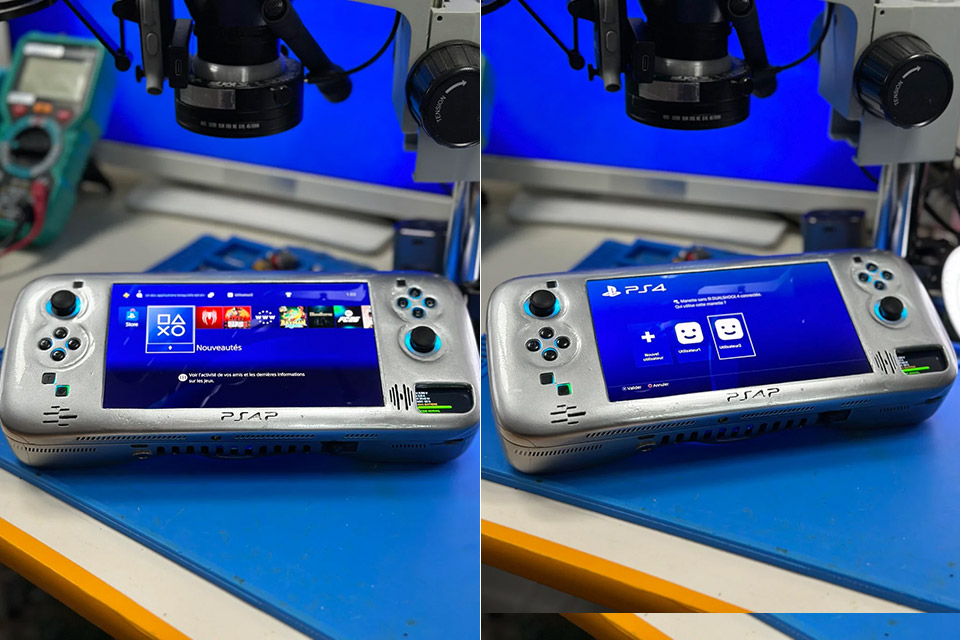
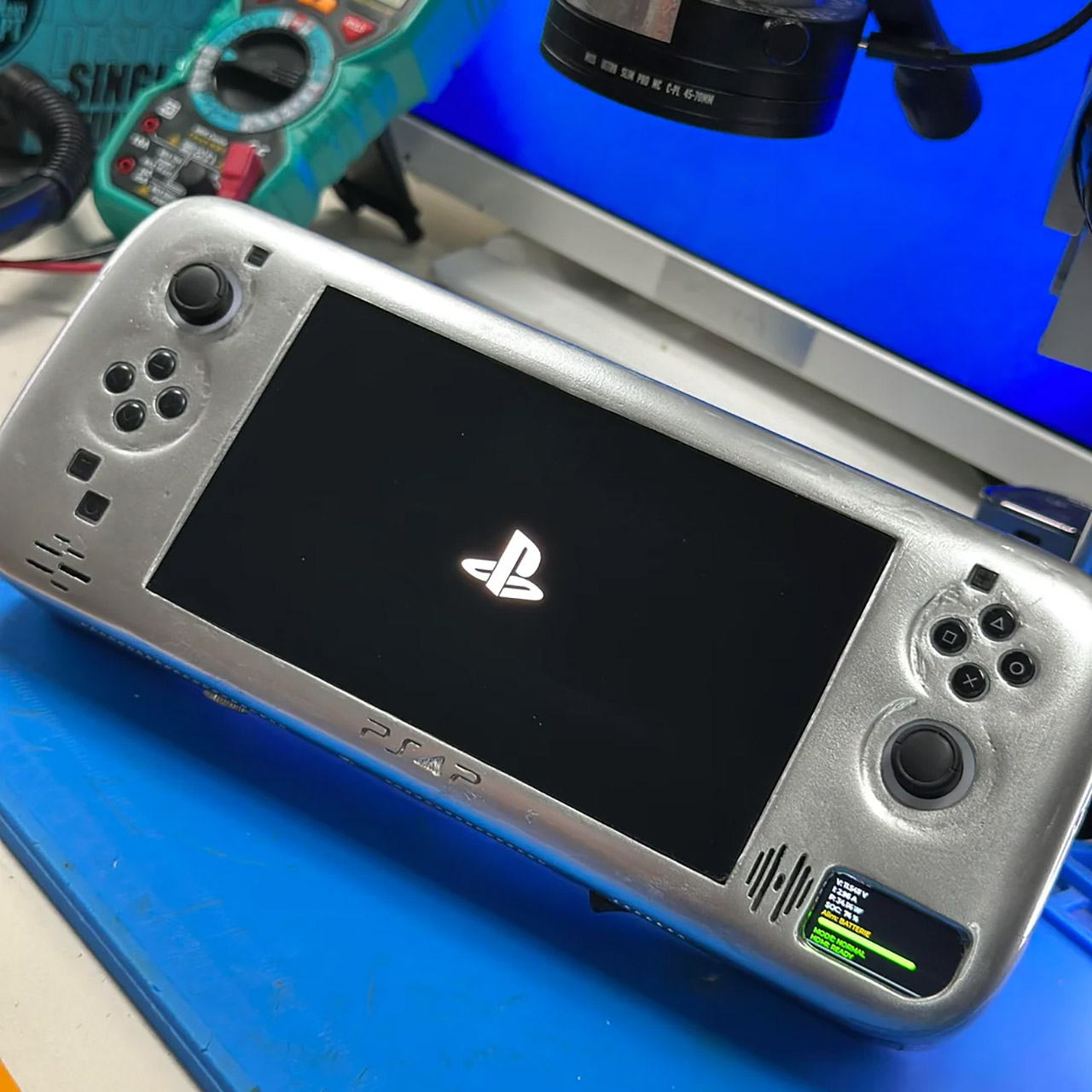
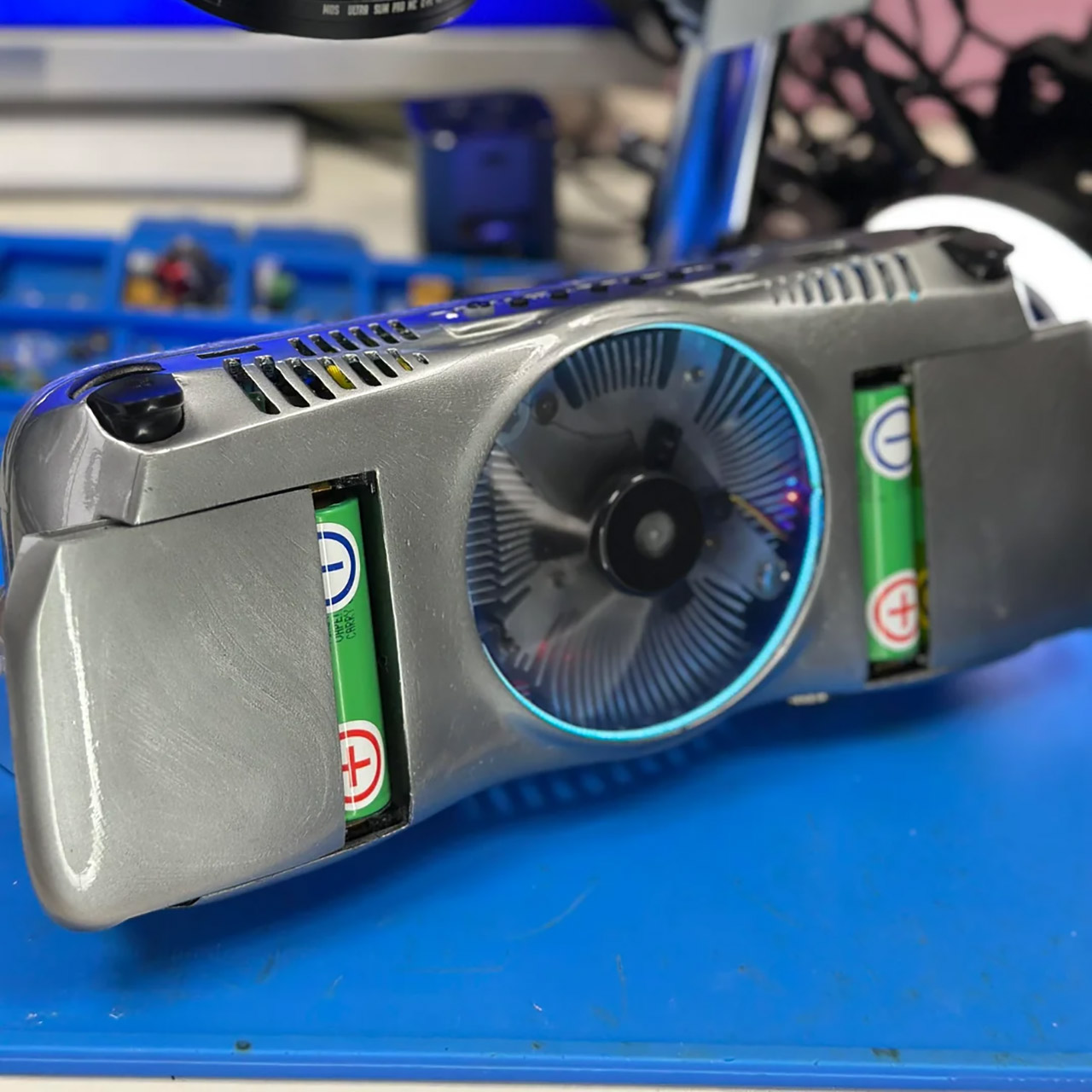
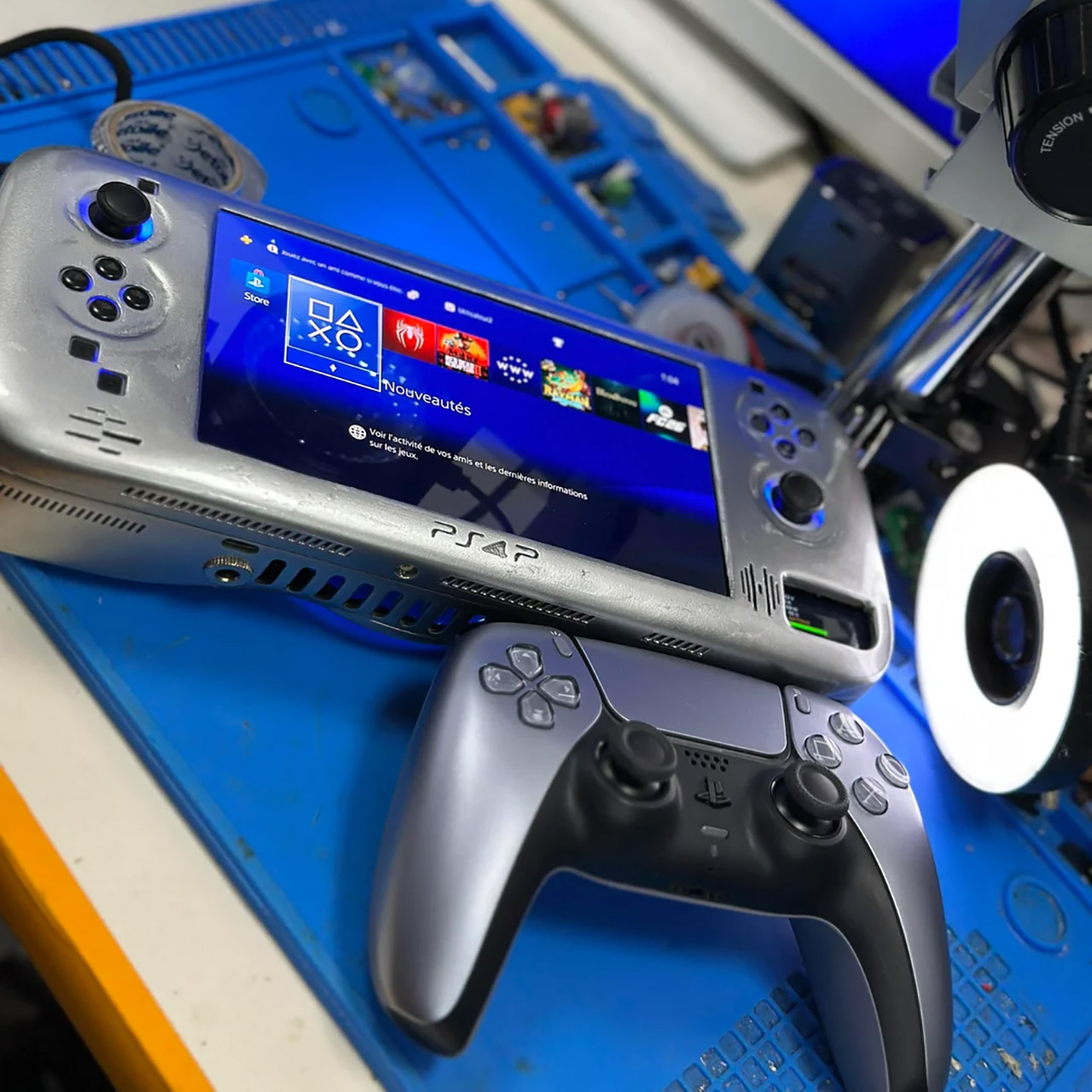
Photo credit: Wewillmakeitnow Months of cutting, measuring, and reprinting have produced a second version of a fully native PS4 handheld that sits smaller and more balanced in the hands than the first attempt. Modder wewillmakeitnow started with the same PS4 Slim motherboard that powered the original project, then trimmed it further after gaining sharper skills with 3D modeling software. The board still delivers complete PlayStation 4 performance, only now it draws less power and fits inside a cleaner shell.
A 7-inch OLED display brings games to life in 1080p, with razor fine detail and deep blacks that these panels are known for. The good news is that many PS4 titles already natively target 1080p, so your games will appear crisp with no upscaling to worry about. Next to the main panel is a tiny secondary display driven by an ESP32-C6 chip that monitors power consumption, battery life, and temperatures. It also allows the system to switch on and off the OLED screen simultaneously, which is a nice touch that makes the overall experience feel more approachable.
Play Your Game Collection with Remote Play – PlayStation Portal Remote Player can play compatible games you have installed on your PS5 console…
Cloud Streaming from the Game Catalog and Classics Catalog – Discover an awesome library of PS5 games on the PlayStation Portal Remote Player with…
Cloud Streaming for PS5 Games in Your Library – With PlayStation Plus Premium, stream select digital PS5 games in Your Library from PlayStation Store…
Six 21700 cells, each with a decent 5000 mAh, are housed in a replaceable pack on the back of the machine. When the batteries are removed, the entire device weighs only 900 grams, which is light enough that you could easily plug it in and continue playing without the added weight. The battery life is also rather good, lasting approximately 90 minutes in the more demanding titles and a full three hours in lighter ones. He lost some battery life over the previous version, but this is easily compensated for by the fact that the board itself consumes less power and the GPU has been deliberately undervolted to achieve its lowest stable point.
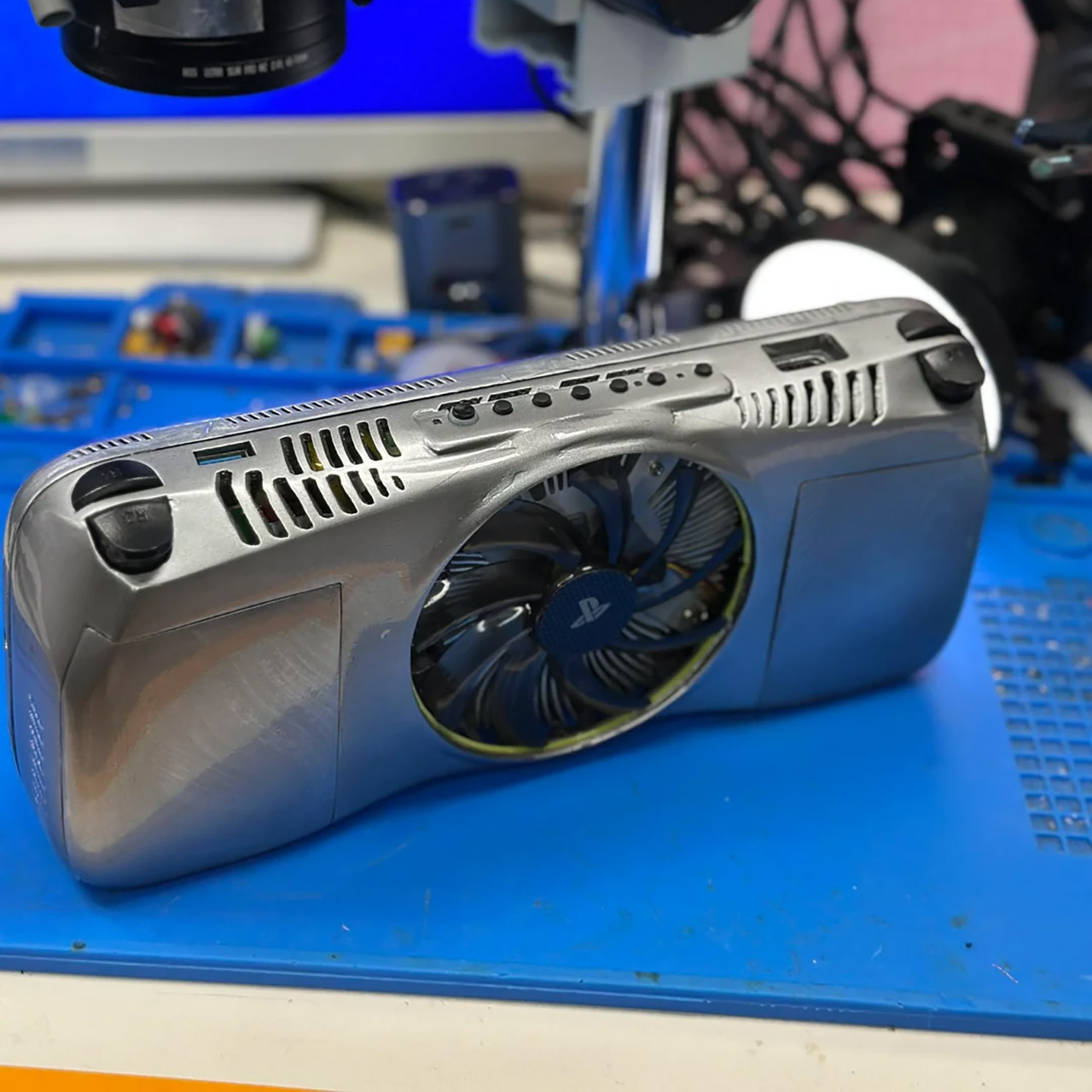
Cooling is handled by a fan borrowed from an old GTX 750 graphics card, which is installed on the rear of the chassis and flows air softly. There’s also a much smaller 30mm fan controlling airflow within the chassis, which can get rather noisy, especially if you’re playing for lengthy periods of time, but the good news is that you can simply remove a plastic guard to allow the case to breathe a little more if necessary.
HDMI is still supported, so you can plug this thing into your TV and play on the big screen exactly like you would with a PS4, or use a DualShock controller if you like. The casing is also 3D printed, and they were able to get a decent fit with it. The controls are pleasant and near to your fingers, and the whole vibe is much less like a prototype and much more like a device you could actually take on a journey. [Source]
A new NYT Connections puzzle appears at midnight each day for your time zone – which means that some people are always playing ‘today’s game’ while others are playing ‘yesterday’s’. If you’re looking for Tuesday’s puzzle instead then click here: NYT Connections hints and answers for Tuesday, July 21 (game #1136).
Good morning! Let’s play Connections, the NYT’s clever word game that challenges you to group answers in various categories. It can be tough, so read on if you need Connections hints.
What should you do once you’ve finished? Why, play some more word games of course. I’ve also got daily Strands hints and answers and Quordle hints and answers articles if you need help for those too, while Marc’s Wordle today page covers the original viral word game.
Advertisement
SPOILER WARNING: Information about NYT Connections today is below, so don’t read on if you don’t want to know the answers.
Latest Videos From
NYT Connections today (game #1137) – today’s words
(Image credit: New York Times)
Today’s NYT Connections words are…
WHITE STRIPES
HOLE
PINS
STROKES
HIVES
HOOVES
VINES
SCORE
SNAPS
RASH
MANE
TWEETS
PAR
REDNESS
TAIL
ITCHING
NYT Connections today (game #1137) – hint #1 – group hints
What are some clues for today’s NYT Connections groups?
Advertisement
YELLOW: Involuntary biological response
GREEN: Marks for completing 18
BLUE: Social media messages
PURPLE: Like a striped horse
Need more clues?
We’re firmly in spoiler territory now, but read on if you want to know what the four theme answers are for today’s NYT Connections puzzles…
Sign up for breaking news, reviews, opinion, top tech deals, and more.
Advertisement
NYT Connections today (game #1137) – hint #2 – group answers
What are the answers for today’s NYT Connections groups?
YELLOW: SYMPTOMS OF AN ALLERGIC REACTION
GREEN: ON A GOLF SCORECARD
BLUE: PLATFORM-SPECIFIC POSTS
PURPLE: FEATURES OF A ZEBRA
Right, the answers are below, so DO NOT SCROLL ANY FURTHER IF YOU DON’T WANT TO SEE THEM.
Advertisement
NYT Connections today (game #1137) – the answers
(Image credit: New York Times)
The answers to today’s Connections, game #1137, are…
YELLOW: SYMPTOMS OF AN ALLERGIC REACTION: HIVES, ITCHING, RASH, REDNESS
GREEN: ON A GOLF SCORECARD: HOLE, PAR, SCORE, STROKES
PURPLE: FEATURES OF A ZEBRA: HOOVES, MANE, TAIL, WHITE STRIPES
My rating: Hard
My score: 1 mistake
WHITE STRIPES, STROKES, and HIVES are all alt-rock bands from the same era, but being unable to find a fourth, I added HOLE — whose main period of activity was a decade earlier. I really should have known this was a trap, but I just couldn’t help myself.
Pulling myself together I saw that HIVES instead belonged to a group made up of SYMPTOMS OF AN ALLERGIC REACTION, but it took getting HOOVES, MANE and TAIL before I saw where WHITE STRIPES fitted into a world beyond music.
With eight tiles left, PINS caused me some dilemma as it belonged both in the world of social media (Pinterest, to be precise) and golf. Fortunately, I chose to link it with VINES, TWEETS, and SNAPS instead of ON A GOLF SCORECARD.
Advertisement
Yesterday’s NYT Connections answers (Tuesday, July 21, 2026, game #1136)
BLUE: ELEMENTS OF A MUSICAL: BOOK, LYRICS, MUSIC, ORCHESTRATION
PURPLE: TELE____: GRAM, KINESIS, PROMPTER, VISION
What is NYT Connections?
NYT Connections is one of several increasingly popular word games made by the New York Times. It challenges you to find groups of four items that share something in common, and each group has a different difficulty level: green is easy, yellow a little harder, blue often quite tough and purple usually very difficult.
On the plus side, you don’t technically need to solve the final one, as you’ll be able to answer that one by a process of elimination. What’s more, you can make up to four mistakes, which gives you a little bit of breathing room.
It’s a little more involved than something like Wordle, however, and there are plenty of opportunities for the game to trip you up with tricks. For instance, watch out for homophones and other word games that could disguise the answers.
It’s playable for free via the NYT Games site on desktop or mobile.
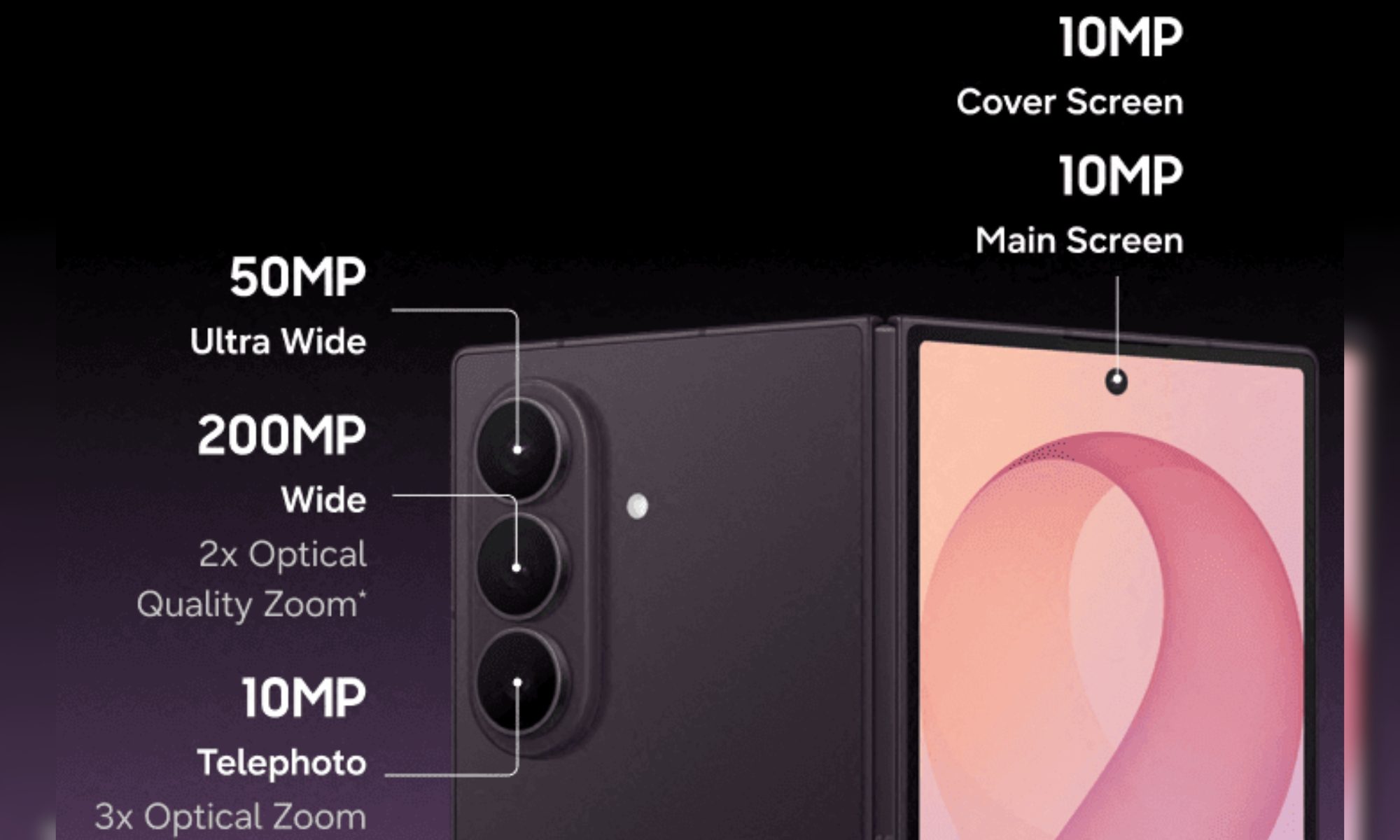
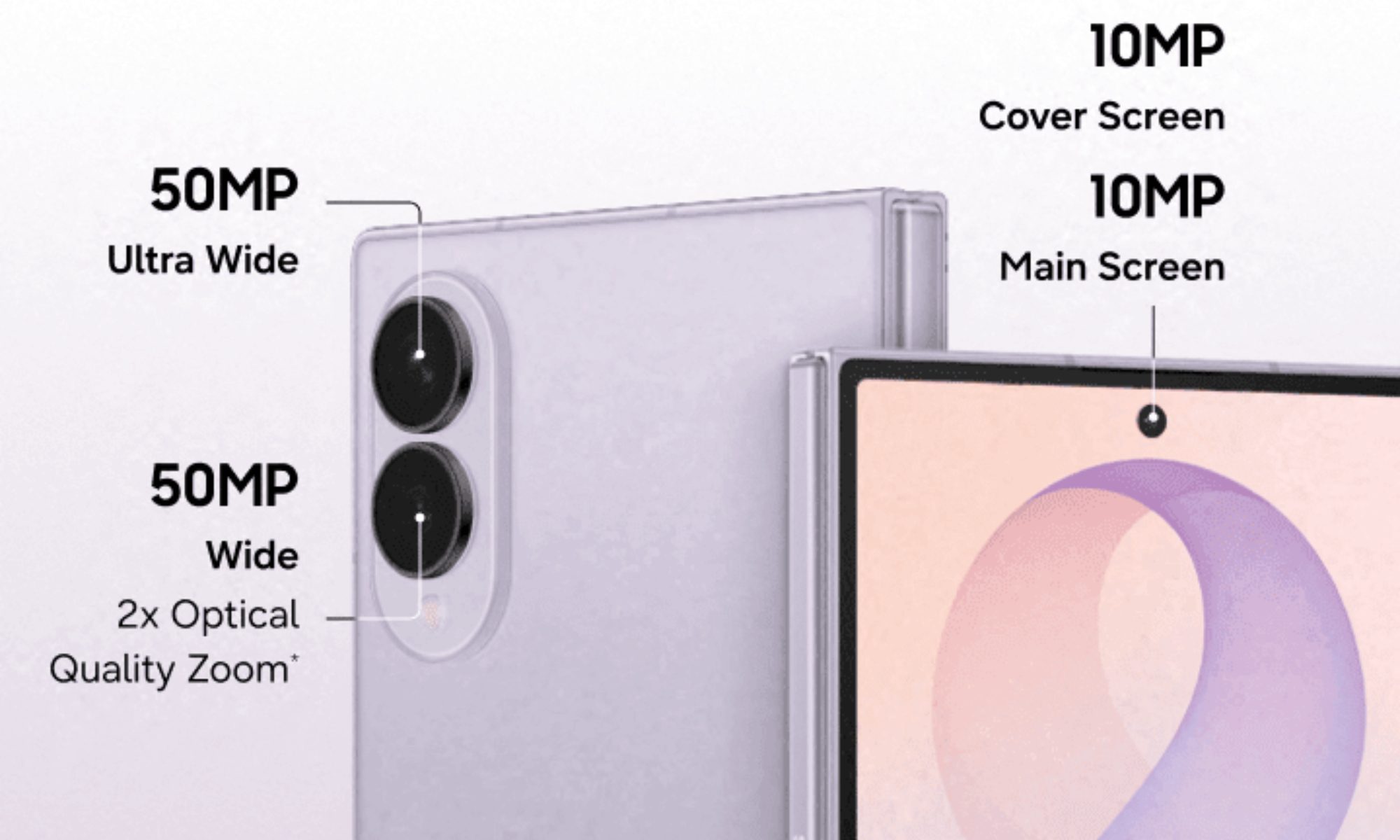
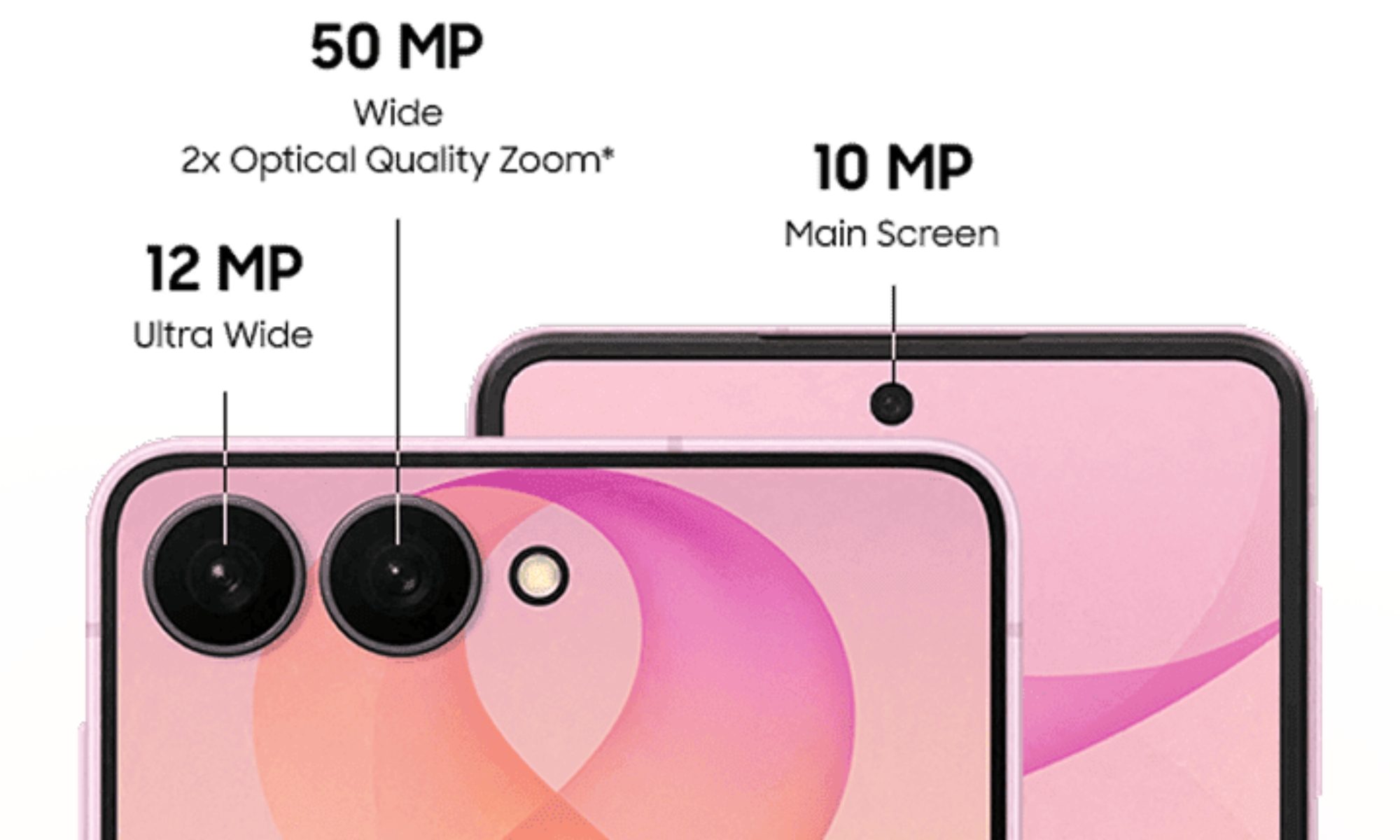
In a newsletter email sent by Samsung Austria, the company has confirmed it’s no longer offering the free storage bump customers are used to getting when they pre-order a Galaxy flagship.
In other words, those pre-ordering the Galaxy Z Fold 8 Ultra, Galaxy Z Fold 8, and Galaxy Z Flip 8 won’t get a free storage upgrade in return for showing interest in the new smartphones and getting their units reserved ahead of the general sales.
Evan Blass
This isn’t a surprise exactly; an industry insider called this months ago, but seeing it in writing still feels like the end of an era.
What do you get instead, and is it still worth it?
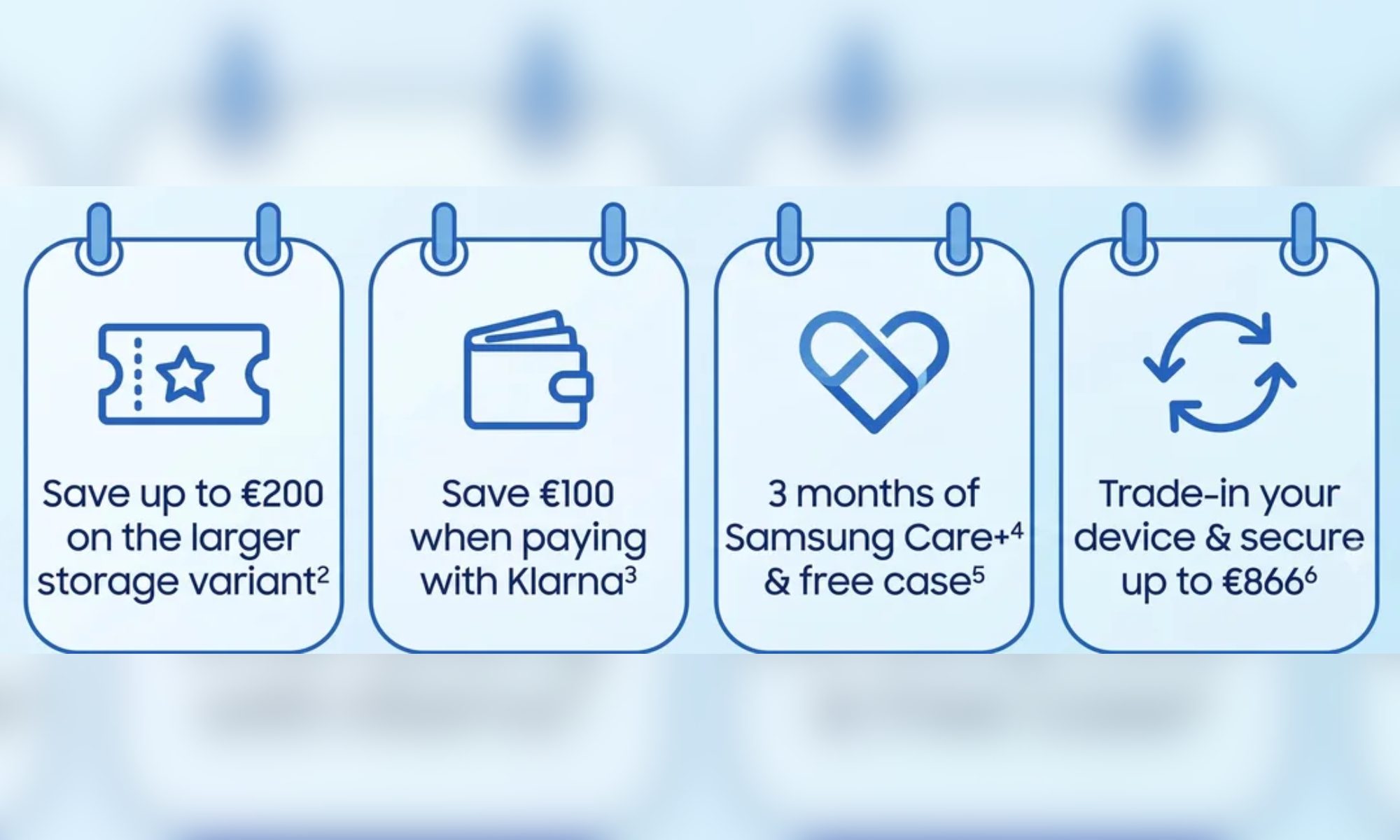
Rather than free storage, Samsung Austria is going down the discounted upgrade path. Choosing the 512GB model during pre-order gets you a €100 deduction, while jumping to 1TB knocks €200 off.
Advertisement
Based on leaked European pricing, that works out to roughly half of what the storage upgrade will cost once the pre-order window closes. So it’s not nothing, but it’s a real step down from getting double the space for free.
Evan Blass
Samsung hasn’t confirmed whether this exact structure applies outside Austria. However, given how much worse the global memory crisis is, and how companies have been passing on the additional cost to consumers (even Apple), I can’t say with absolute certainty that Samsung US won’t follow the same approach.
What could Samsung do in the US?
Samsung has two ways to deal with this. First, it can absorb the rising bill of materials by reducing its effective margin on the products and retain the free storage-upgrade offer for its buyers in the US. However, it could meet the customers in the middle and offer them discounts on higher storage tiers.
Evan Blass
Until official US pre-order terms are announced, these two paths reflect the balancing act between protecting margins and preserving buyer incentives.
























































You must be logged in to post a comment Login