Tech
I’ve Seen Sony’s Upcoming True RGB TV: Here’s Why It Could Be a Game-Changer

At an event at Sony’s TV headquarters in Tokyo last month, we were treated to some one-on-one time with Sony’s upcoming RGB LED-backlit LCD TV, and I can say this TV is clearly something special. We got to see the new set, which Sony is calling “True RGB,” in its final form and with its LCD panel and screen removed, exposing the RGB backlight unit. Next to it was Sony’s current Mini LED flagship TV, the BRAVIA 9, also in complete form and also with its LCD panel and screen removed, exposing the Mini LED back light unit for comparison.

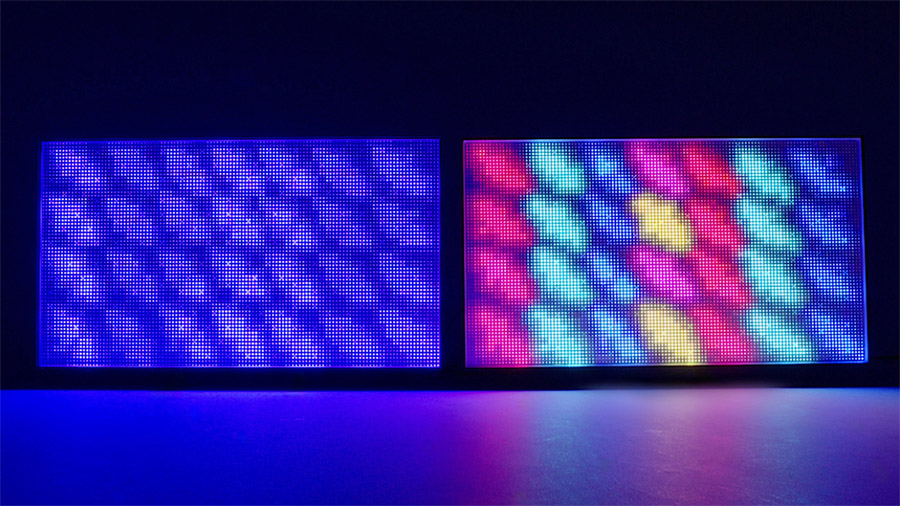
Compared to the BRAVIA 9, the True RGB TV exceeded the performance of that set in just about every measurable (and subjective) way, with wider color gamut, impressive peak brightness and freedom from artifacts like aliasing and color banding. It also had black levels and contrast that will give an OLED TV a run for its money. The new set offered excellent off-axis viewing with minimal dimming and color shift when viewing it from the sides. The upcoming set, which will be publicly unveiled later this spring, does all this while actually using less power than its predecessor, thanks to highly efficient power management and precise control over its RGB backlighting system.
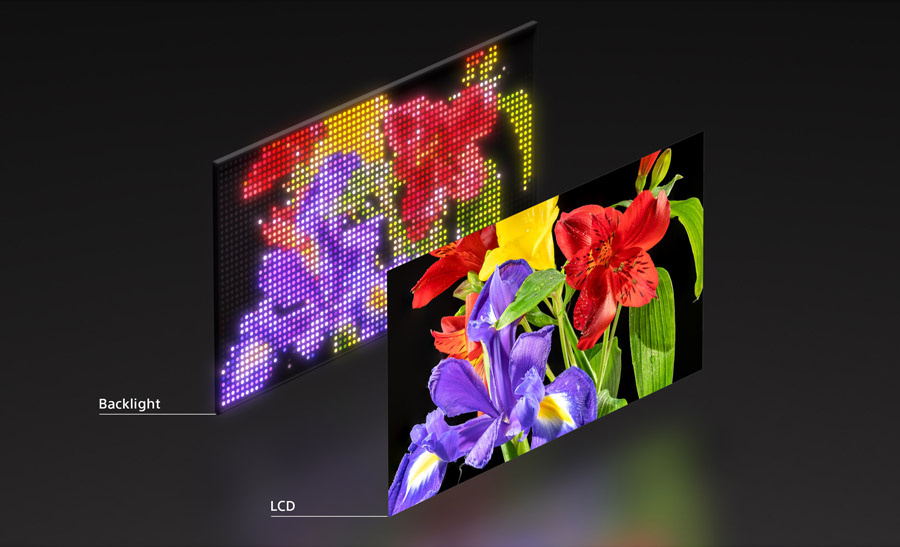
Mini LED/LCD TVs like the BRAVIA 9 have a relatively easy job when it comes to color reproduction. The blue LED elements combine with a quantum dot layer to generate a white backlight. Each pixel on the LCD panel itself creates colors by adjusting the opaqueness of each LCD pixel’s red, green and blue subpixel. Because the backlight is uniform in color, the color filter process is entirely predictable and uniform from pixel to pixel.


With an RGB backlit TV, the image processor has to decide how to adjust both the intensity of each individual red, green and blue LED diode in each zone of the backlight unit and do further adjustment at the pixel level adjusting each of the red, green and blue LCD subpixels in order to create each pixel’s final color. This two-step process can lead to more accurate and more vivid color reproduction, wider color gamut and higher overall brightness, but at the expense of requiring more processing power. It is just this complexity that has led to Sony taking its time in releasing its first RGB-lit TV of the new era.

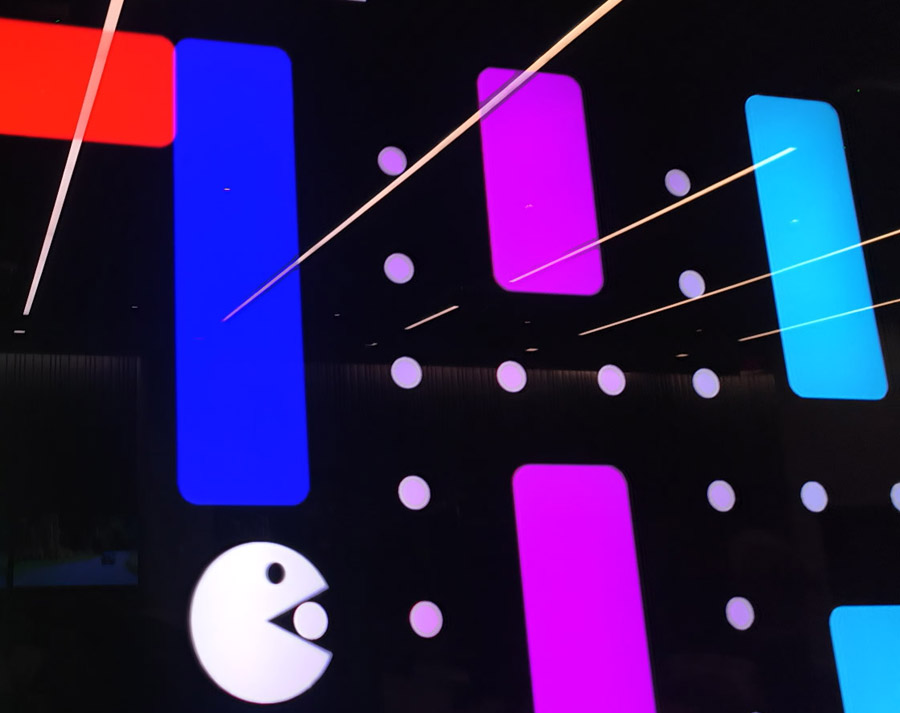
At Sony’s headquarters, we got to see the new True RGB set up against several RGB-backlit models from competitors. In this comparison, the Sony True RGB set was better able to remain in its true RGB backlighting mode, taking full advantage of its wide color gamut reproduction with independent control over its red, green and blue diodes, while at least one competitive model switched to a full white backlight whenever multiple contrasting colors were displayed on the screen concurrently. This caused the competing set to lose its RGB color advantage by reverting to a uniform white backlight. And this was evident in visible loss of color saturation.

We’ve seen some RGB backlit TVs struggle with reproduction of multiple colors onscreen at the same time, due to a condition called “color crosstalk.” This occurs when you have multiple colors on screen at a time, or white objects next to or surrounded by colored backgrounds. Some of that background color can bleed into the white due to less than perfect backlight and color filter management. The Sony True RGB set we saw in Japan exhibited none of these color crosstalk issues or color bleed.

Off-axis viewing and glare reduction were both exceptionally good on the True RGB TV, with the new TV able to maintain its colors and rich black levels, even when viewed from the sides in a fairly bright room. While there was occasionally some mild blooming on brightly colored images set against a black background, the use of RGB lighting elements made these faint artifacts nearly imperceptible. On traditional LED/LCD TVs, the bloom or halo around a bright object is typically white, while on a True RGB TV, the light bloom matches the color of the on-screen object, making it much less noticeable.

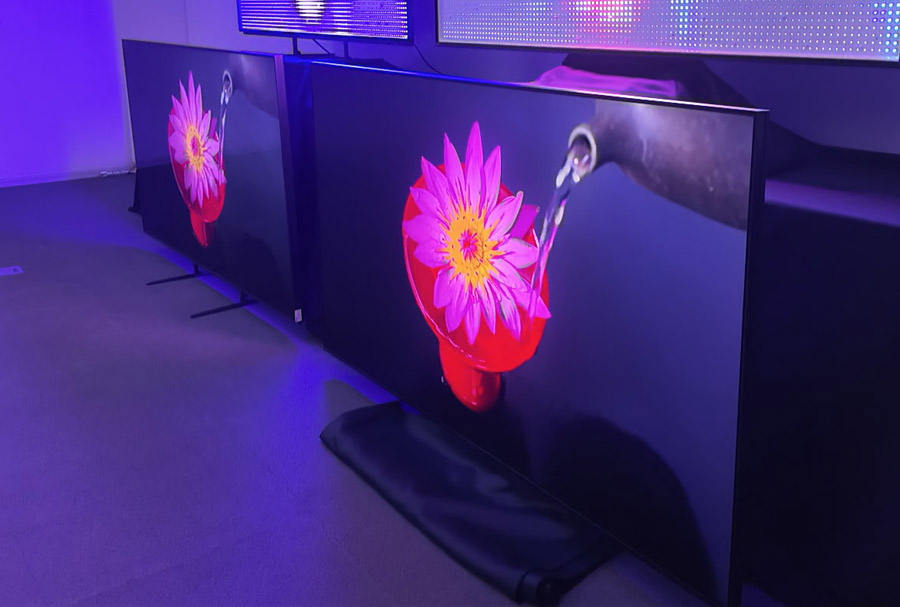
We viewed several challenging 4K/HDR clips highlighting HDR tone mapping and found that the new True RGB set outperformed the BRAVIA 9 MiniLED TV in both specular highlights and shadow detail. And the BRAVIA 9 is already a strong performer for tone mapping, so this was a pretty impressive feat.

The True RGB TV we spent time with in Japan was a 65-inch version, but, because these TVs use standard LCD “mother glass,” we can expect Sony’s True RGB tech to be available in much larger screen sizes. Certainly larger than OLED TVs which currently max out at 97 inches diagonally. More details will follow later this spring.

The Bottom Line
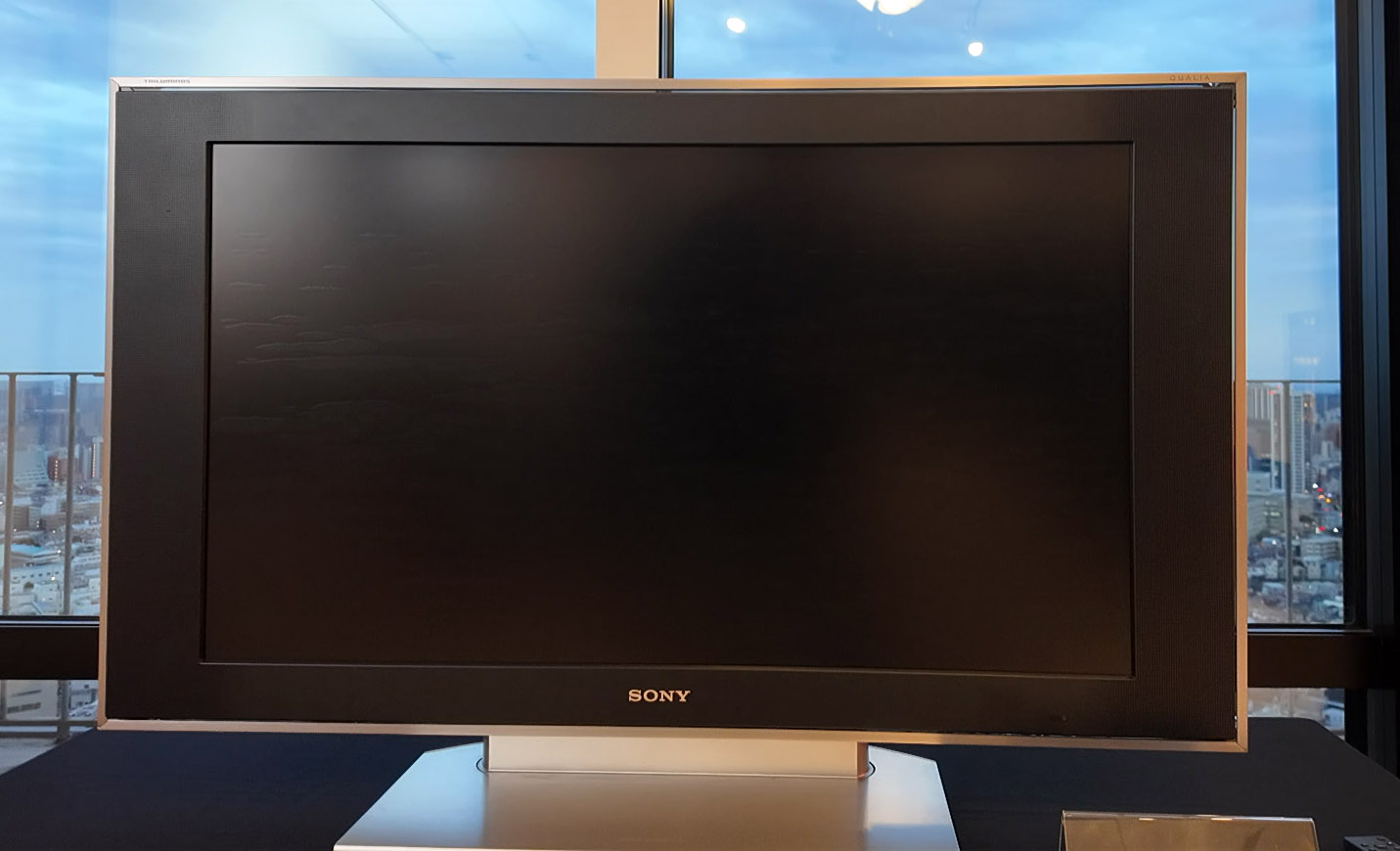
While Sony was the first TV maker to use RGB LED backlights in an LCD TV, with the Qualia 005 from 2004, they were not first to market with this new wave of RGB-backlit LCD TVs. Models from Samsung, TCL and Hisense were introduced last year, and second generation models are coming soon from these same manufacturers. LG also unveiled their own RGB-backlit LCD TVs this year, though they are still standing behind OLED technology for their flagship TVs.
Sony has been working on perfecting RGB backlighting in LCD TVs for several years. About a year ago, we saw Sony’s then current prototype RGB backlit TV, which was impressive, but this latest version is even more so. From what we can gather, the company wanted to make sure their version of RGB backlighting was truly ready for prime time before its release. And, from what we’ve seen so far, the wait will be worth it.
Stay tuned to eCoustics for more details on Sony True RGB TVs, including industrial design, model numbers, screen sizes, prices and more, coming later this spring.
Related Reading:
We’ve Seen the Future of Sony TVs in All its Red, Green and Blue Glory: Here’s What’s Coming
It’s Here! Check Out the 116-inch Hisense 116UX RGB Backlit TV
Sony, TCL Finalize Joint Venture for TVs and Audio; Say Hello to BRAVIA, Inc.
You must be logged in to post a comment Login