Tech
Josh Traded Hundreds of Broken Consoles for $10,690 in GameStop Credit

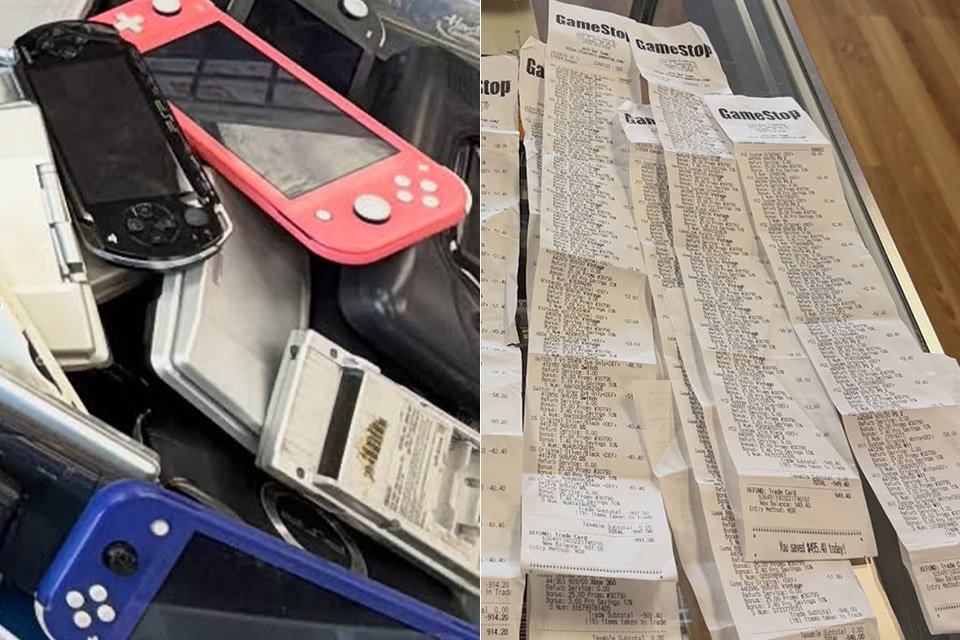
Josh arrived at the GameStop in Clackamas, Oregon, with plastic crates stacked high. Inside sat hundreds of consoles that no longer worked. Staff sorted through PlayStations, Xboxes, Nintendo Switches, Game Boys spanning several generations, a Sega Game Gear, a pair of Sony PSPs, and more. Some units were modern enough to still hold residual value even in poor shape. Others dated back years.

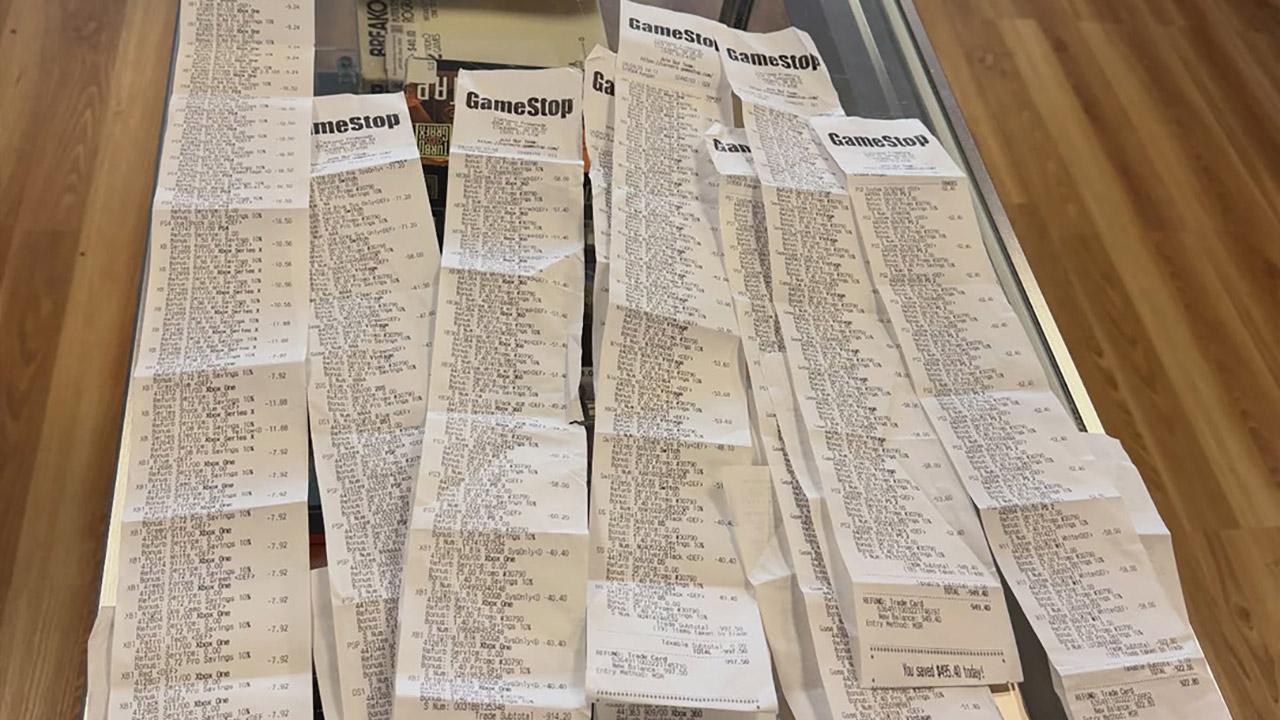
Josh’s whole collection was traded in at GameStop. The crew ran each console through their system, churning out a bunch of lengthy receipts that accumulated into a sizable pile. Most of the receipts showed the Xbox Ones at $7.92 apiece, the Xbox Series Xs at between $10 and $11, the PS4s at $16, and a few Xbox Ones in good condition fetching approximately $40 each. There were also a lot of older handhelds and Xbox 360s that didn’t bring much, but when you multiply all the consoles by the volume, it adds up quickly.

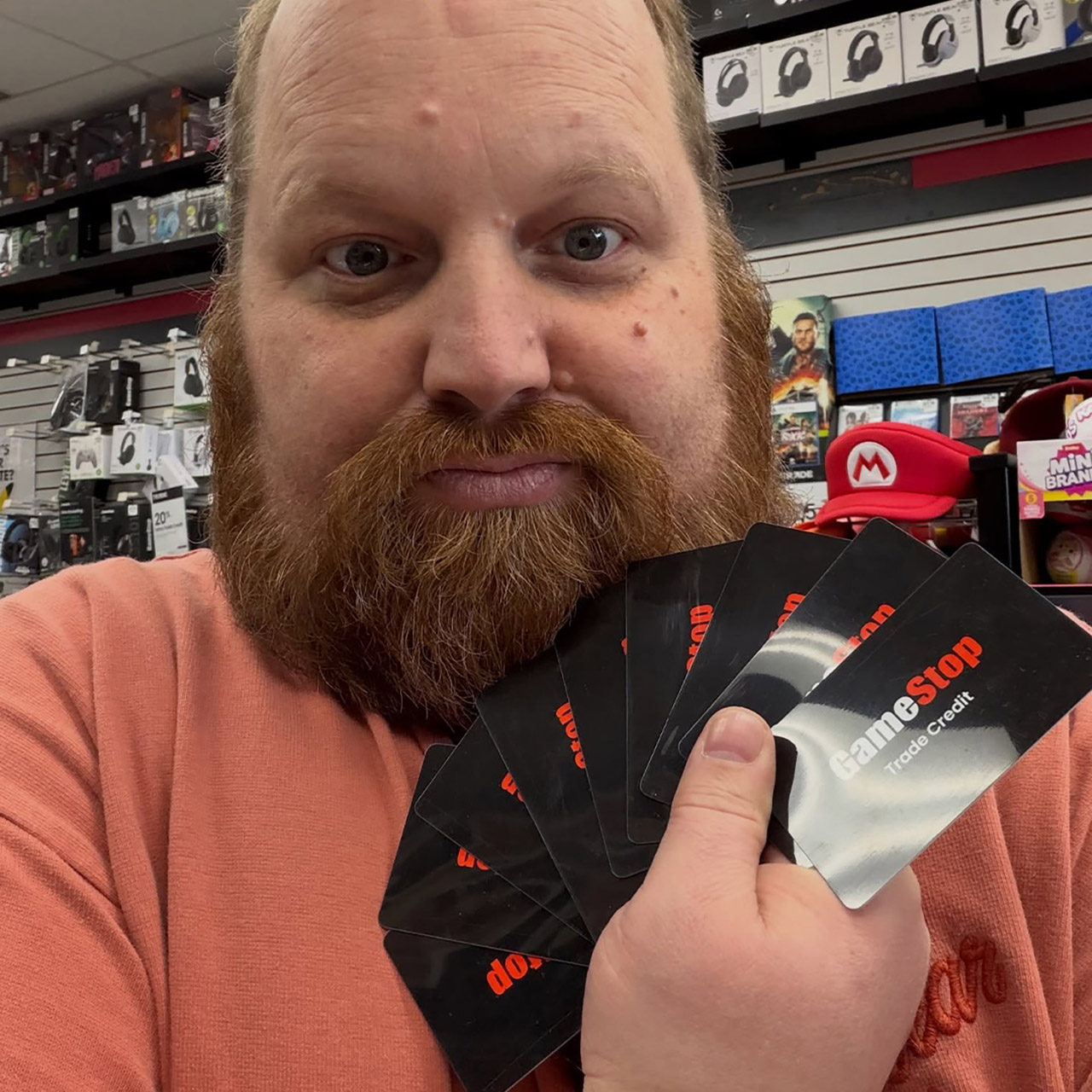
When the last receipt was issued, the total had reached $10,690.06. Everything arrived as shop credit, which is the more valuable option they provide instead of cash. Josh walked away with a large stack of credit cards and a big smile on his face, which GameStop later published on social media. GameStop’s article put it succinctly: there was a guy in Clackamas who traded hundreds of broken systems for that exact amount and thanked him for the junk.

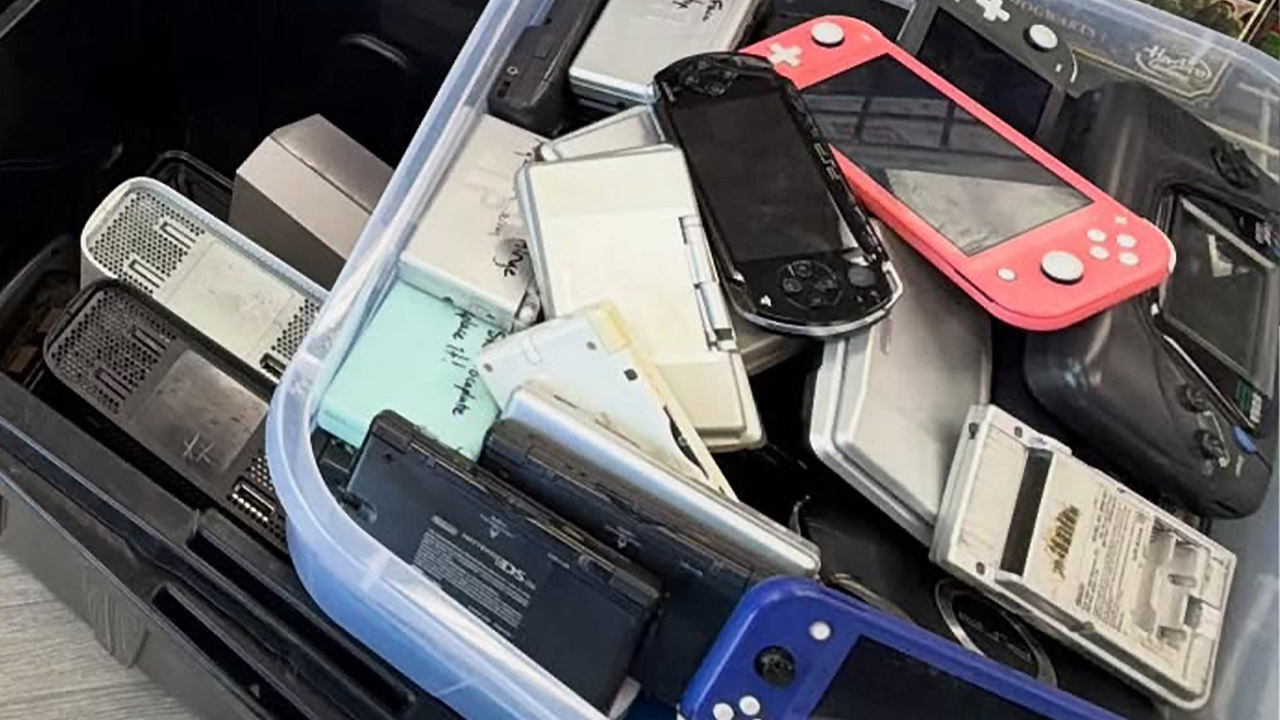
The photographs show a mix of Nintendo Switch Lites, old Game Boys, Game Gears, and PSPs. There was also a black and white Xbox 360 toward the bottom of a carton, which was only the tip of the iceberg. The total number of crates required far exceeded the one clear bin shown in the image. The team was able to handle everything on-site, testing what they could and provide trade values based on the console and current demand for components or repair.

GameStop is pretty keen on accepting non-working hardware, which is a way of saying they’ll take your broken systems off your hands. They are always looking for working units to clean and test for resale, as these are sold as refurbished stock. The broken ones are useful for collecting donor boards, housings, and other components to keep other systems running. They end up picking up some merchandise at a nice low price, and the customer simply walks away with some store credit to spend on whatever they want.
[Source]
You must be logged in to post a comment Login