Tech
Jurassic Park’s Lost Animation Device from the 90s Gets a Fresh Start With a Webcam
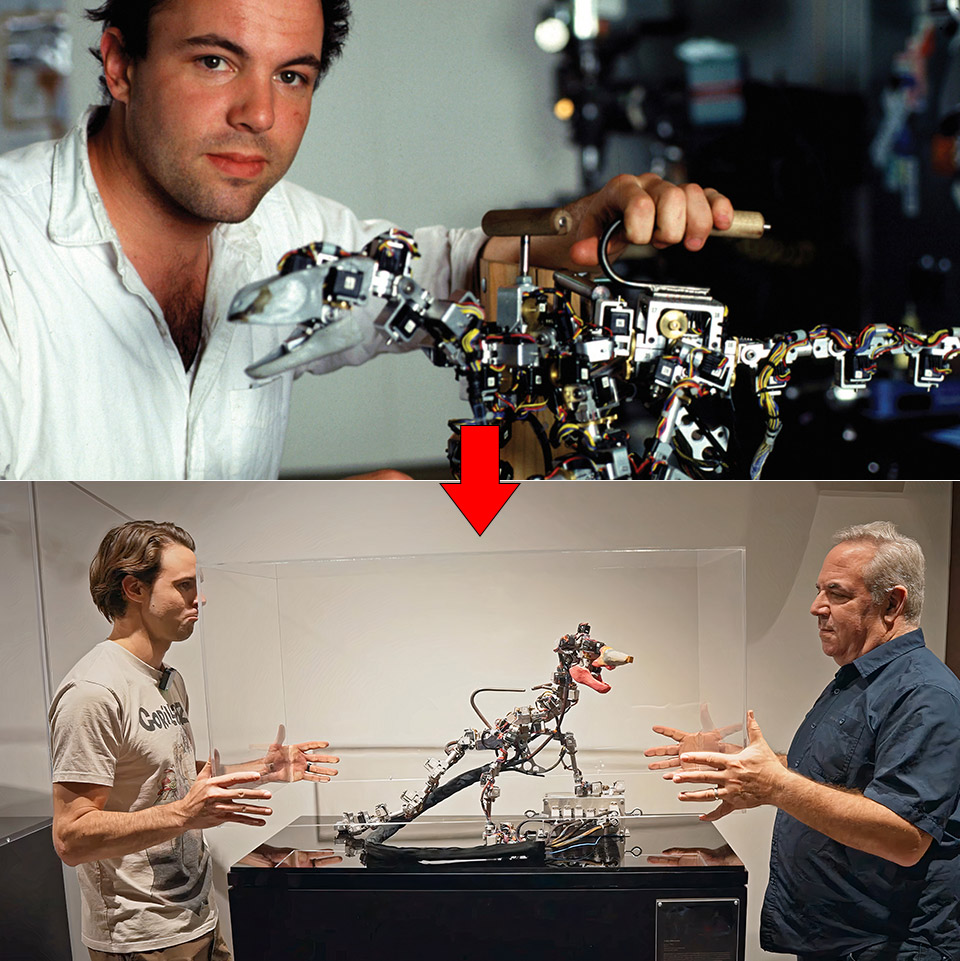
Photo credit: VFX Blog
Dean from Corridor Crew wanted to bring back a clever piece of 1990s visual effects history. The original tool let stop-motion animators work directly with early computer graphics on Jurassic Park. Hardware proved stubborn to rebuild from scratch. The path forward turned into something simpler, cheaper, and more useful for today’s creators.


Back in the early 1990s, Industrial Light & Magic was looking for character animators that knew dinosaurs. The film had recently debuted 3D, a completely new ballgame that few people were familiar with. Stop-motion artists, on the other hand, had perfected their timing, weight, and performance. They saw an opportunity to bridge the two worlds and created the Dinosaur Input Device, or DiD. A skilled puppet maker produced a series of miniature metal armatures that resembled T-rex and raptor bones. Optical encoders were placed at each joint; when an animator moved the physical model, the encoders transmitted movement data to an SGI computer. The computer immediately updated a corresponding digital skeleton in real time. Animators could do what they wanted and then send over the data to digital artists to polish and light it up.


LEGO Jurassic World Dinosaur Fossils: Tyrannosaurus Rex – Building Set for Adults, Ages 18+ – Dinosaur…
- LEGO SET FOR ADULTS – Jurassic Park fans aged 18+ can build the LEGO Jurassic World Dinosaur Fossils: Tyrannosaurus rex (76968) set, a detailed…
- JURASSIC PARK ICONS – This building set includes LEGO minifigures of Ellie Sattler and Alan Grant inspired by the original 1993 film, plus a display…
- POSABLE DINOSAUR SKELETON – Features articulated joints including a movable head, opening jaw, posable hands, and tail for creating dynamic display…

The DiD received a Technical Achievement Oscar. Later films used it, but the technology soon became obsolete. Computer animation turned toward layered keyframe work, and the hardware was beginning to show its age. The original armatures wound up in museum collections, which provided Dean with a pleasant sense of nostalgia. He grew up doing stop-motion and still enjoys working with physical models. Modern 3D tools are fantastic, but for him, there’s something missing: a sense of distance from performance. He wanted Blender users to experience the spirit of the classic DiD.
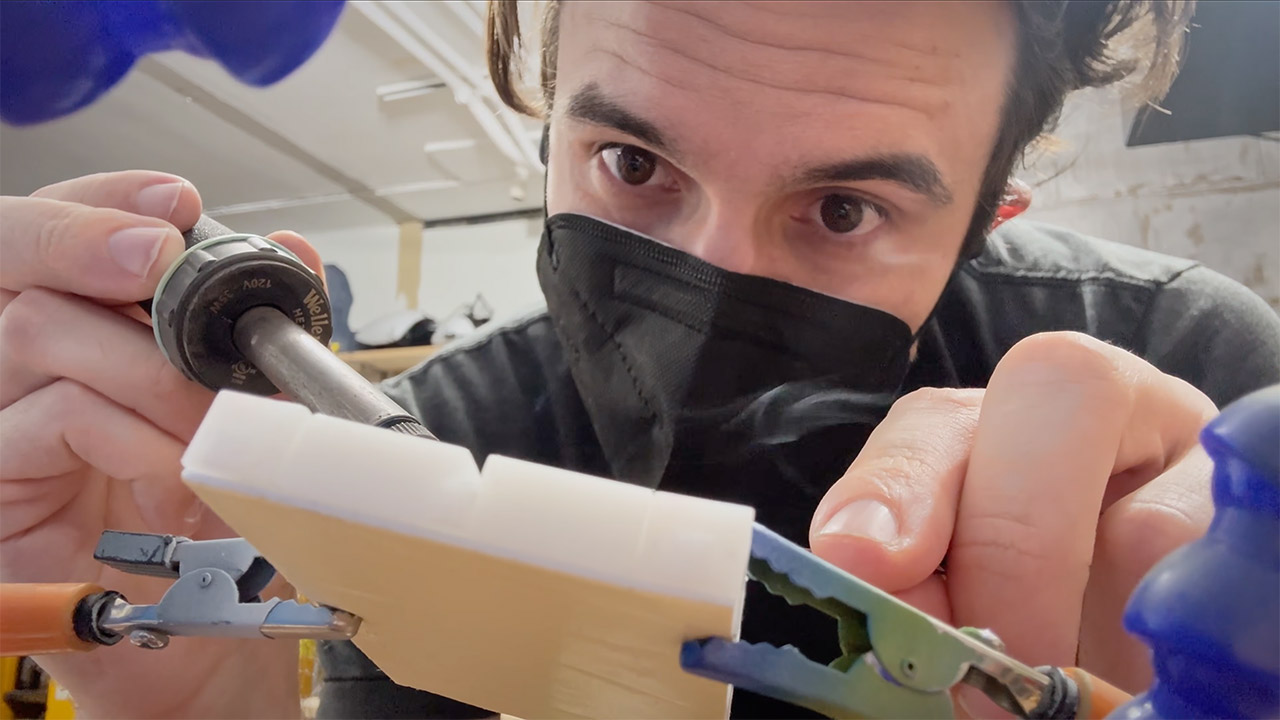
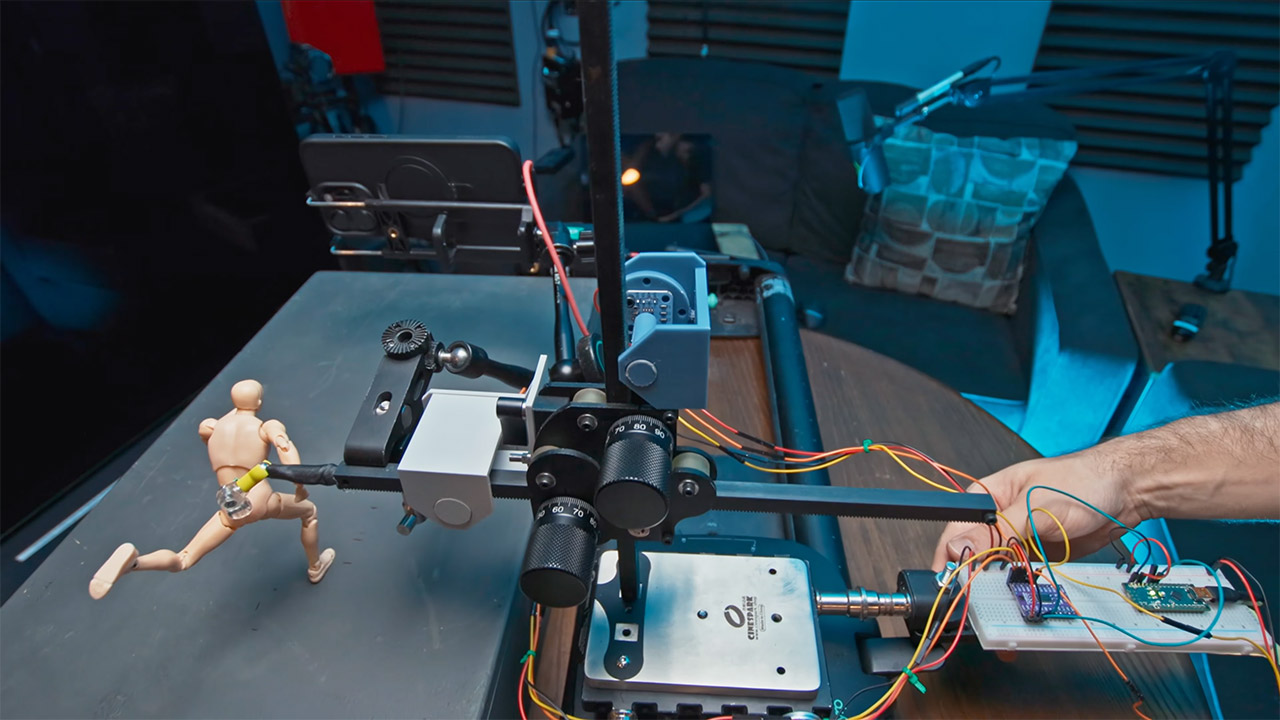
First, he followed the original technique and produced a 3D printed armature with encoders at the joints. An Arduino board reads the sensor data and feeds it into Blender. Worked well for precision, but needed some tuning to match the digital characters. The problem was that modern animation rarely occurs in a single continuous take, as it did in the days of stop-motion. The hardware method worked as an idea, but it did not fit in with current pipelines as well as he had planned.

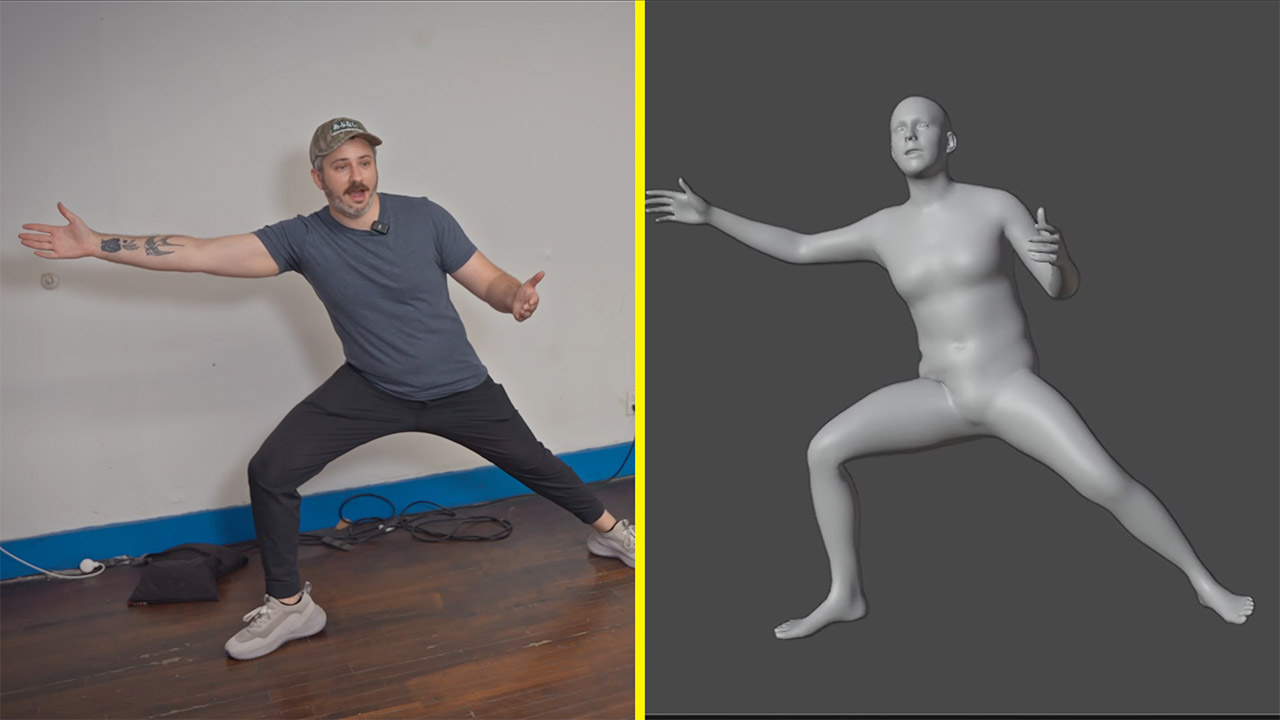
Dean and Ale Alvaro dug deeper, however, as the most recent research on single image 3D posture estimation suggested an alternative path. Why bother adding sensors to each joint when a camera can simply observe the movement and an AI can figure out the pose? The resulting result is PoseCap, a free Blender addon that works in tandem with a small companion software. Simply point any webcam at your subject, let a modern NVIDIA graphics card eat through the frames, and PoseCap will transmit approximated full body positions to Blender at up to 30 frames per second. You can add those poses as keyframes to the character timeline or select individual positions as needed.
The system’s technical heart uses Pearls (the PEAR model) to convert a 2D image into SMPL-X parameters that determine body shape and joint locations. To protect Blender’s UI from stalling, a local socket connection keeps intensive work off the main thread, allowing you to use the interface. This is because, let’s be honest, depth from a single camera is always going to be a little off, so using a position with the pelvis locked in place helps to keep things stable. Future updates intend to include camera tracking, allowing us to move the entire globe.
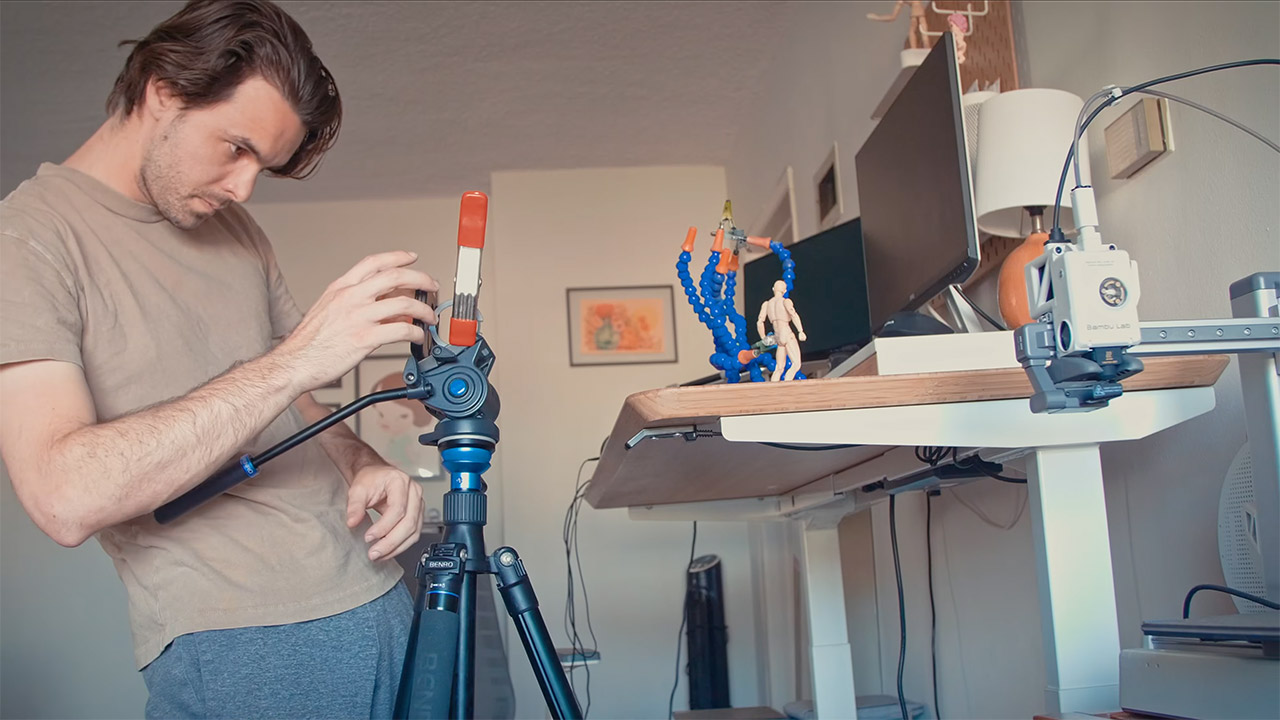
One of the cool little elements that makes everything work so well is that it recreates the old retro feel of DiD (the digital skeleton toy) without the need for any of those nasty encoder cords. You can manually position a miniature 3D-printed figurine with joints in front of the camera. It turns out that the same position algorithm that works on a human body also works on your tiny digital figure, causing it to conform. There are no connections to get tangled in, and no lengthy calibration to deal with; simply pick it up and start moving it about, and the computer will instantaneously transfer everything into digital form.
[Source]
You must be logged in to post a comment Login