
Kodak Snapic A1: one-minute review
The Kodak Snapic A1 is a 35mm analog film camera designed and manufactured by Hong Kong-based Reto Production – the same company behind other licensed Kodak analog models like the Ektar H35N and Charmera. Priced from just $99, it’s one of the more affordable ways to dip your toes into the world of film photography, and it comes loaded with enough retro charm to justify that novelty appeal.

In good outdoor light, I found that the Snapic A1 delivers characterful, grainy 35mm shots with that all-important analog look. Vignetting and some chromatic aberration are present, but these feel like features rather than flaws. Indoors, however, the flash struggles; it lacks the reach and power to properly illuminate subjects beyond a few feet, making indoor shots a more hit-or-miss experience, particularly with slower film.
The main practical gripes are minor but worth flagging. The Mode button sits awkwardly on the left edge of the top plate, and it’s easy to accidentally trigger it depending on how you hold the camera. There’s also no lens cap, which makes the pouch essential rather than optional. And while the price is genuinely affordable for the hardware, film and processing costs ramp up fast. A single 36-exposure roll and a set of digital prints can run close to $40 / £30, meaning the ongoing cost of ownership is considerably higher than buying the camera itself.
Taken as a whole, I think the Kodak Snapic A1 is a fun, well-designed entry point into analog photography – and one of the best new film cameras for the money. It won’t satisfy anyone looking for creative control or technical precision, but for casual shooters who want a stylish, pocketable film camera that just works, it hits the mark at a price that’s hard to argue with.
Kodak Snapic A1: price and availability
- $99 / £99 / AU$179
- Ongoing costs of 35mm film and processing
The Kodak Snapic A1 is available to buy now, and refreshingly cheap at just $99 / £99 / AU$179.
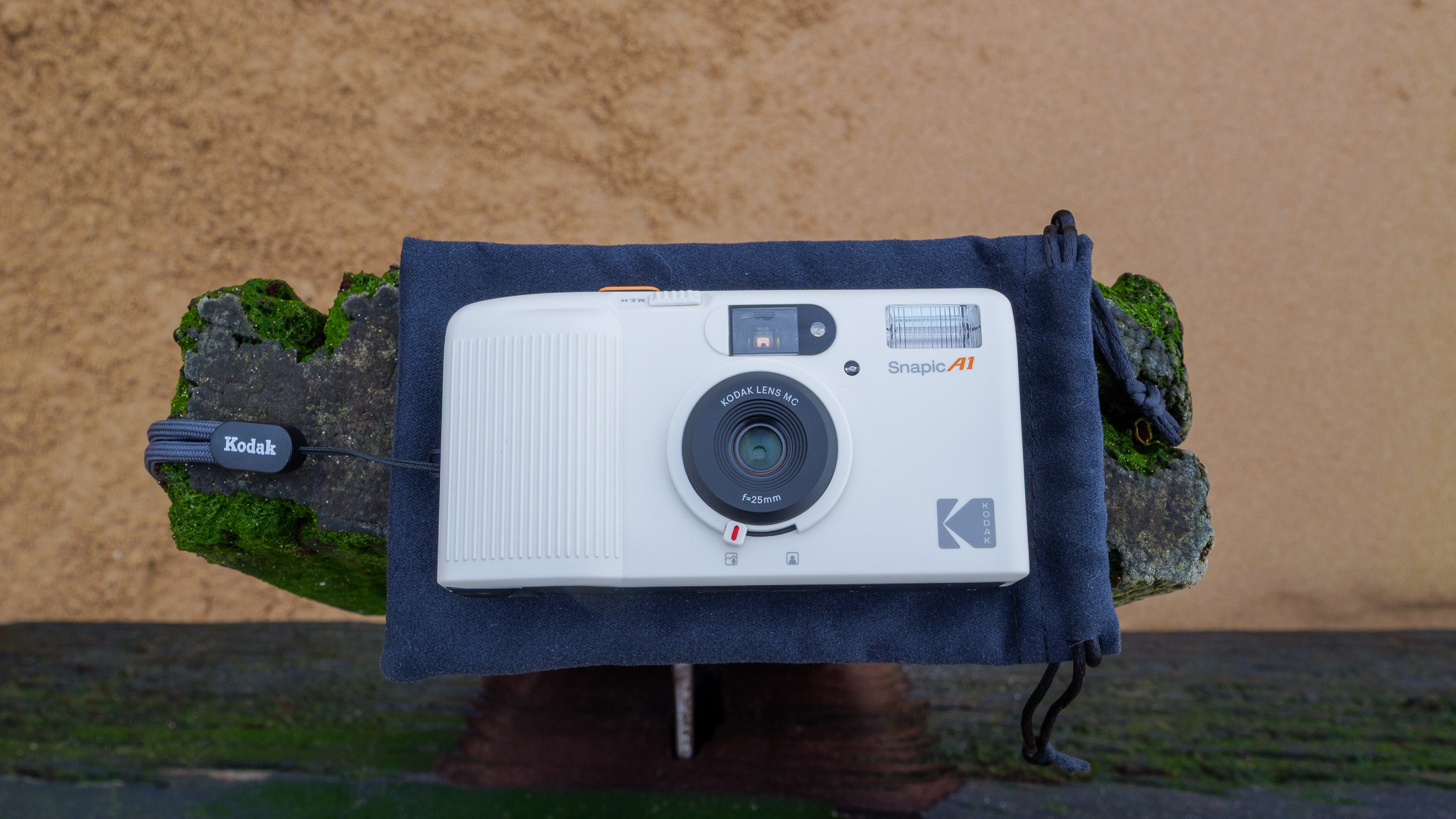
Also supplied in the box are two handy accessories: a soft microfiber drawstring pouch for keeping the camera protected when not in use, and a corded strap that’s long enough to fit around the user’s neck or shoulder. Kodak could have shipped this with just a tiny wrist strap, so I was impressed with the extras.
You will, however, need to supply your own batteries (2 x AAA), and there are the added costs of 35mm film, its development and potential printing to consider as well. This can quickly add up: buying a roll of 36-exposure Kodak ColorPlus film and getting some medium-quality digital prints costs me almost £30 in the UK (around $40 / AU$ 57). So, despite the affordability of the hardware, the Snapic A1 isn’t a particularly cheap camera to own.
Kodak Snapic A1: specs
|
Format: |
35mm |
|
Lens: |
25mm f/9.5 |
|
Focus: |
0.5m to infinity (two-stage) |
|
Flash: |
Built in |
|
Exposure: |
Auto |
|
Battery: |
2x AAA |
|
Viewfinder: |
Optical, direct vision |
|
Size: |
118 x 62 x 35mm, 120g |
Kodak Snapic A1: design
- Small, stylish and built from sturdy plastic
- Just 120g in weight and 118 x 62 x 35mm in size
- Film is easy to load thanks to large rear door and auto wind
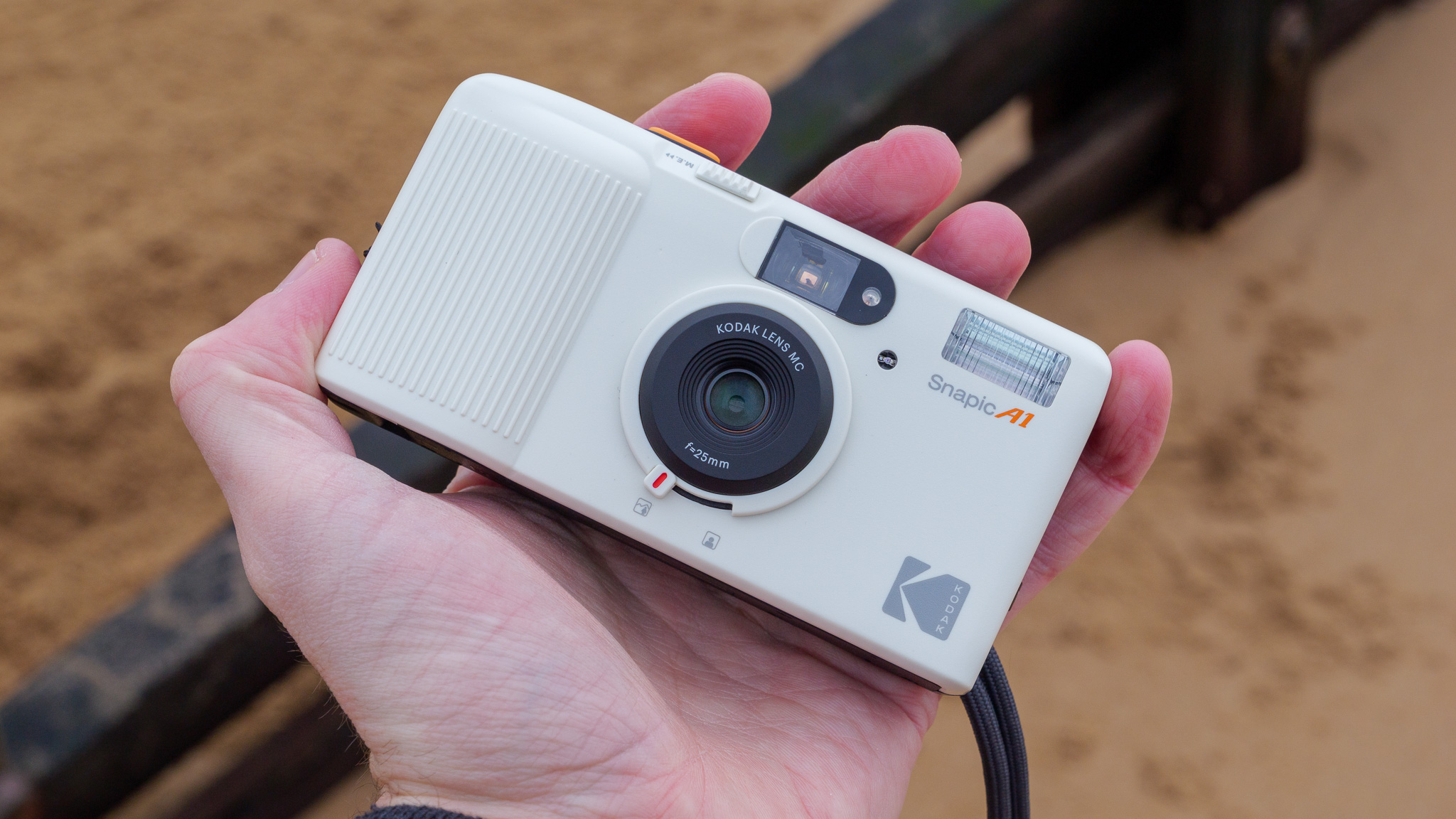
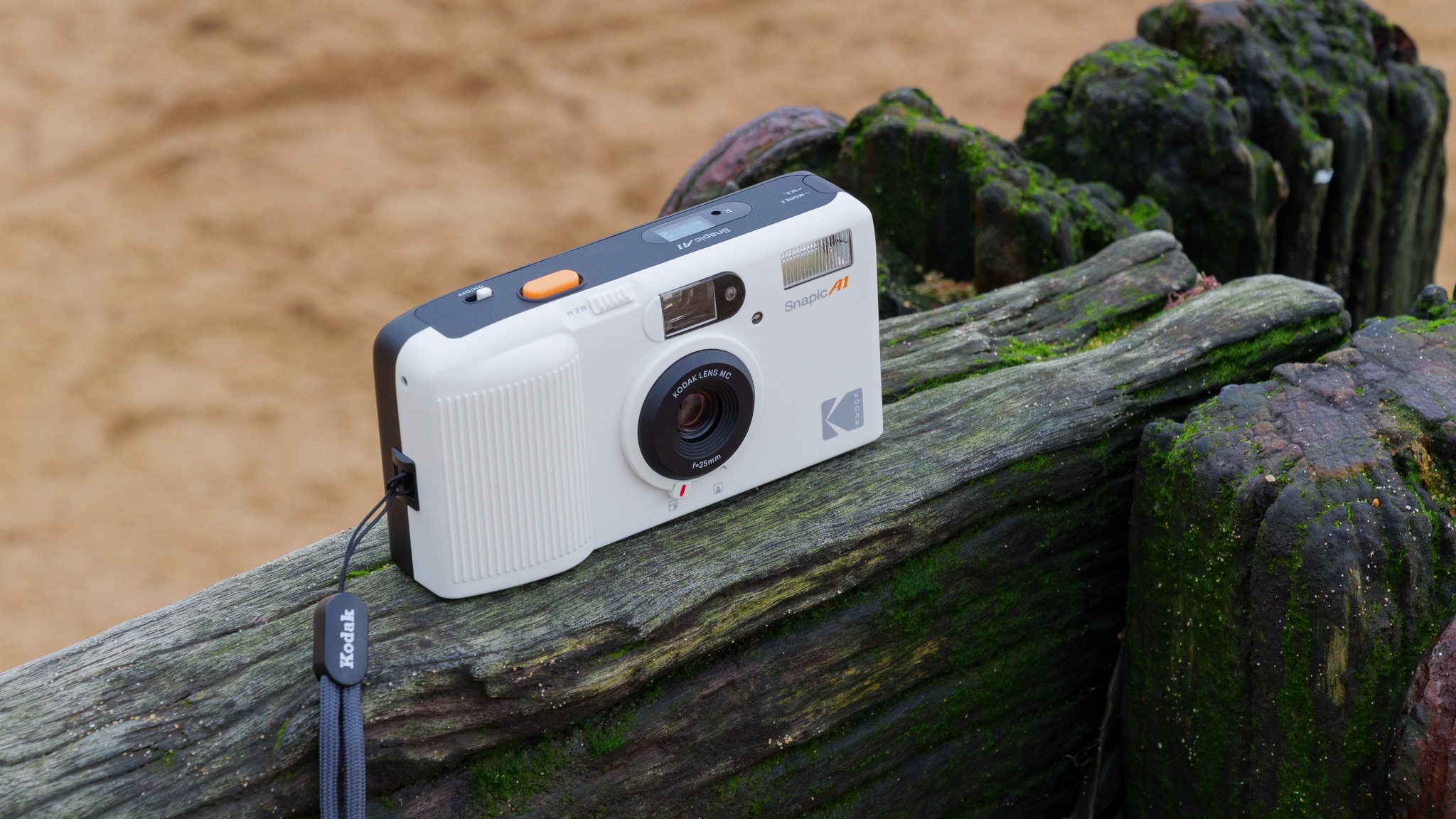
Kodak (or Reto, to be precise) has kept things pleasingly nostalgic with the styling. The camera body is ABS plastic but built to nice sturdy standards, and its clean lines and ivory white front (it’s also available in a dark gray color finish), with a couple of flashes of classic Kodak orange on the shutter button and logo, bring to mind the retro-futuristic production design of something like 2001: A Space Odyssey. It’s not just another 1950s or 60s-esque camera, and I really like that.
At under 120g and just 118 x 62 x 35mm in size, the camera is genuinely pocket-sized and I found it very easy to bring along to social events and out on hikes. There’s no lens cap to protect the glass front element, which makes the included protective pouch all the more valuable.
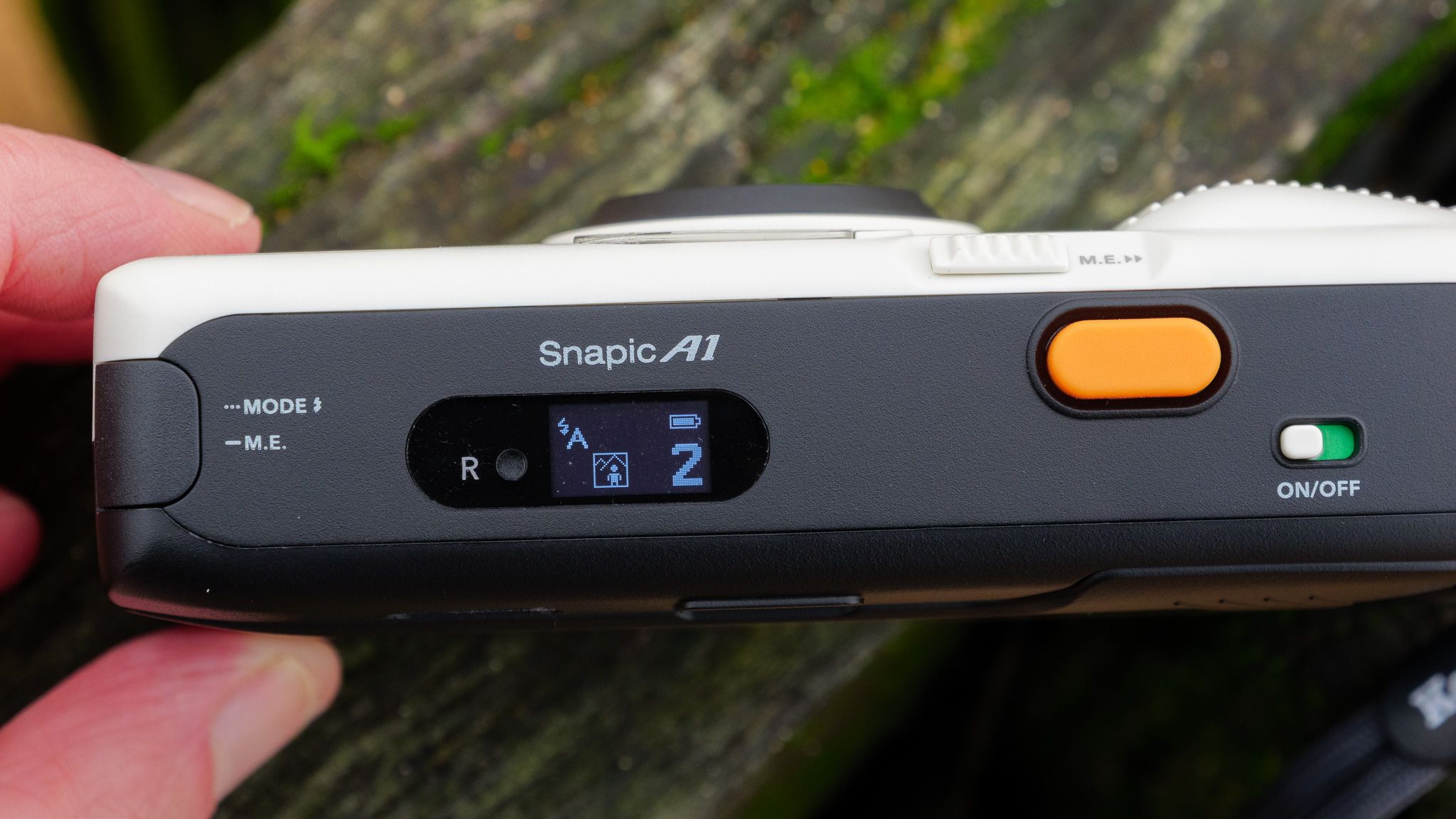
While the Snapic A1 is fairly bare-bones in terms of features and functions, it does have some interesting design touches. By flicking a switch underneath the lens, for instance, I could toggle between close-up (0.5 to 1.5m) and far-off (1.5m to infinity) focus. And, up on top, there’s an OLED panel that provides at-a-glance info on remaining exposures, battery life and the current flash and focus settings. It’s monochrome and tiny, but easy to read and perfectly equipped for its job.

My main gripe with the design is the placement of the Mode / M.E. button, which sits right on the left edge of the top plate, curving around to the left side of the camera. Often, when I was gripping the camera and about to take a shot, my left forefinger would hit this button and change the shooting mode. Depending on how you hold the camera, this may never become an issue for you, but it forced me to adjust the way I took photos, which I found a little annoying.
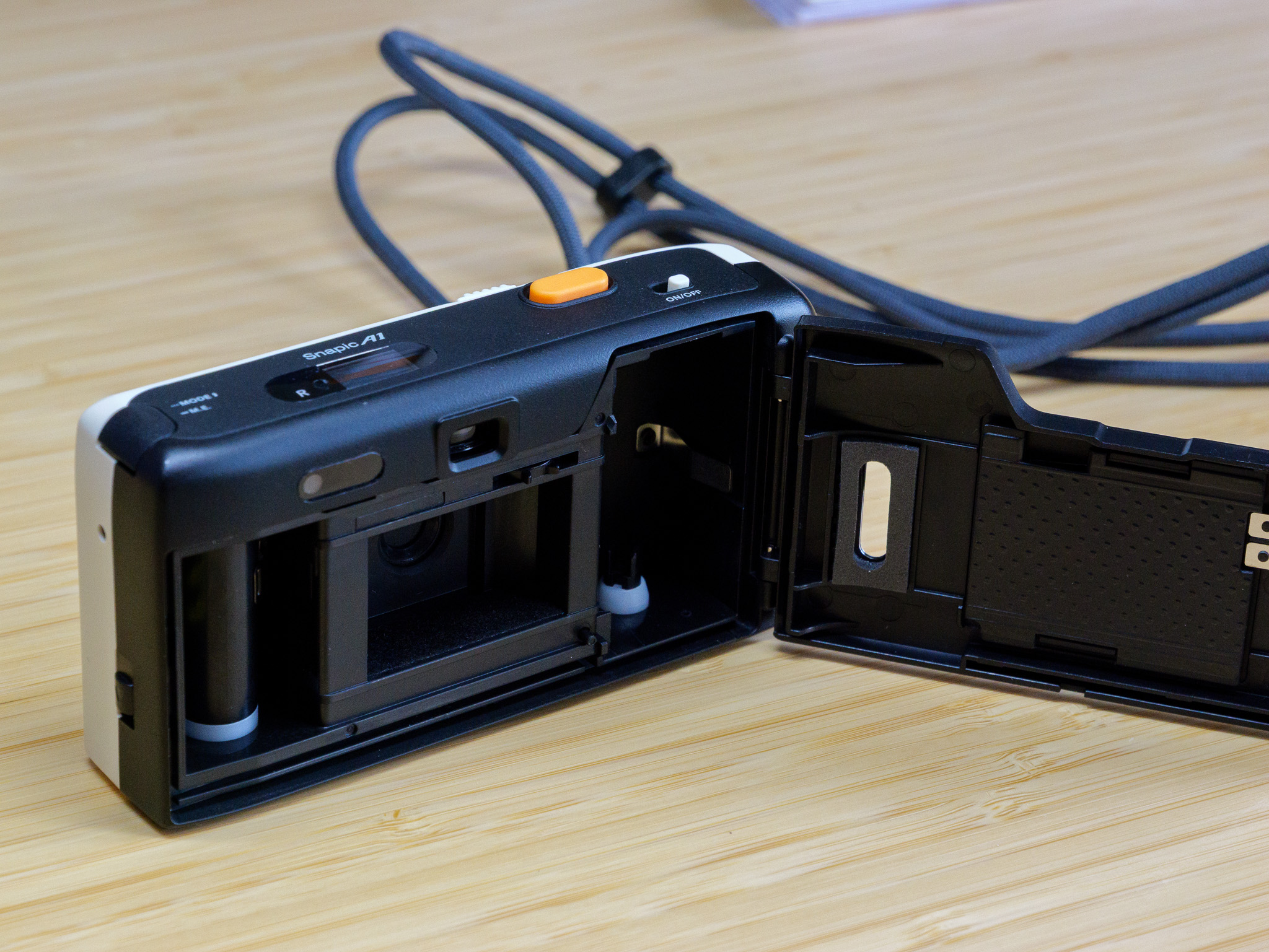
Getting film in and out of the camera is easy thanks to a large, easy to open rear door that provides plenty of room to work. There’s a tiny plastic window on the door so that you can instantly see whether or not any film is inside. And, in a nice user-friendly touch, film winds on automatically between shots and will fully rewind once a roll is complete.
Kodak Snapic A1: performance
- Strong, characterful 35mm photos
- Flash isn’t particularly powerful
- Solid battery life
Most cheap 35mm cameras use plastic lens elements, but the Kodak Snapic A1 has a three-element glass lens. It has a wide-angle 25mm focal length and a rather narrow fixed aperture of f/9.5, along with a fixed shutter speed of 1/100s.
There’s the two-stage manual focus I mentioned above, as well as a flash (which can be set to automatic, on or off, and has a red-eye reduction mode), but other than that there’s no way to control your exposures. This is very much a point-and-shoot camera, and while that’s not necessarily a bad thing – simplicity is welcome – it does mean you need to know its limits if you want to get the best out of it.
Image 1 of 1

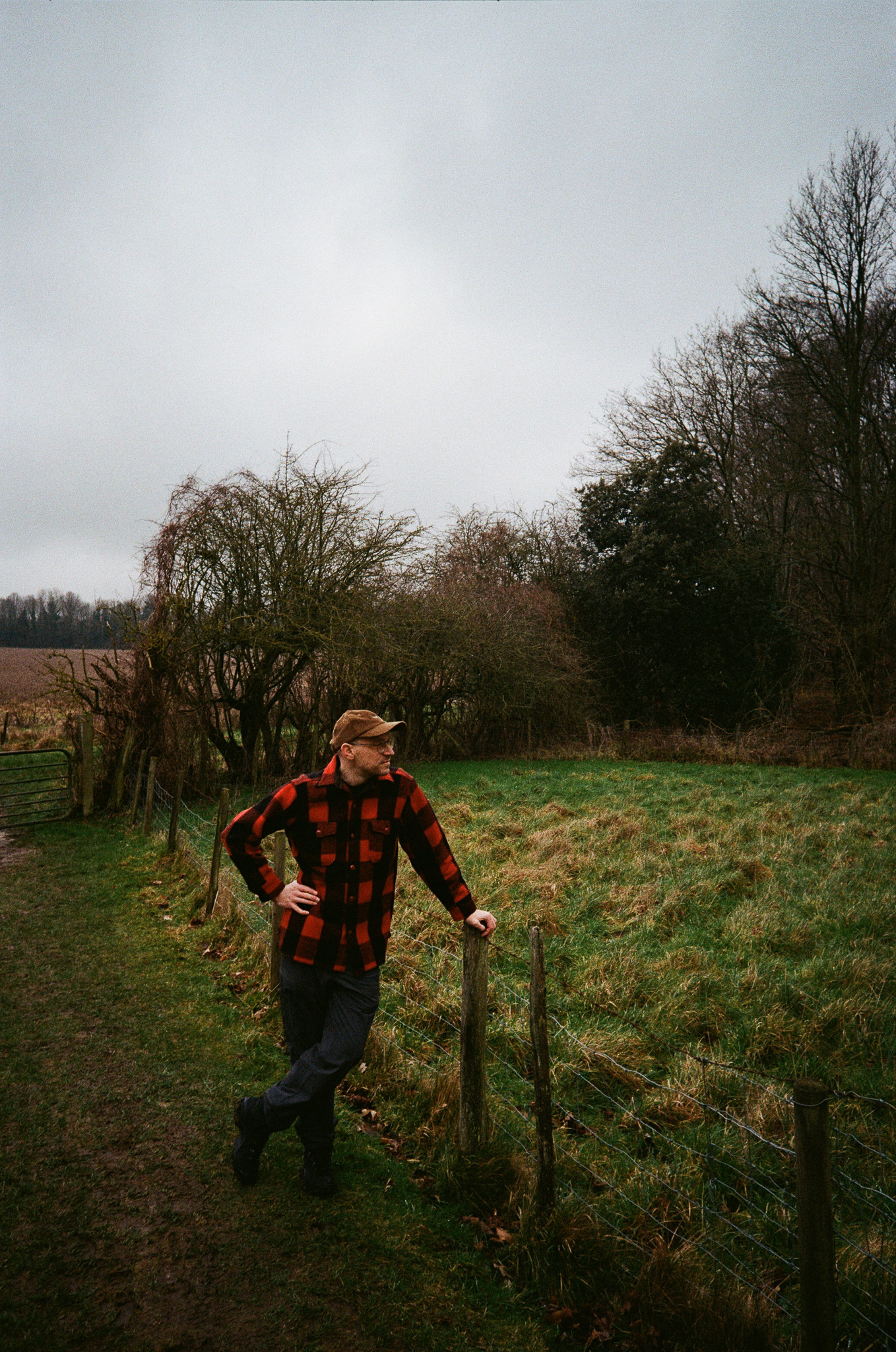
I shot using Kodak ColorPlus 200 speed film, with which the camera performs well outdoors in the daytime. I managed to capture some striking snaps that I’m very happy with, and I love the grainy look of those images. Indoors, however, I found that the flash doesn’t have the reach or power to illuminate subjects more than a few feet away. It may fare better with 800 or 1600 speed film, of course, but in my experience my most successful indoor shots were all close-up portraits, where the flash could do its job properly.
Are the Snapic A1’s photos “high quality” by today’s standards? Not really – if you pull out a 10-year-old smartphone it’ll take sharper, cleaner images than these; there’s noticeable vignetting around the edges, particularly in the corners, and some chromatic aberration too.
Image 1 of 8


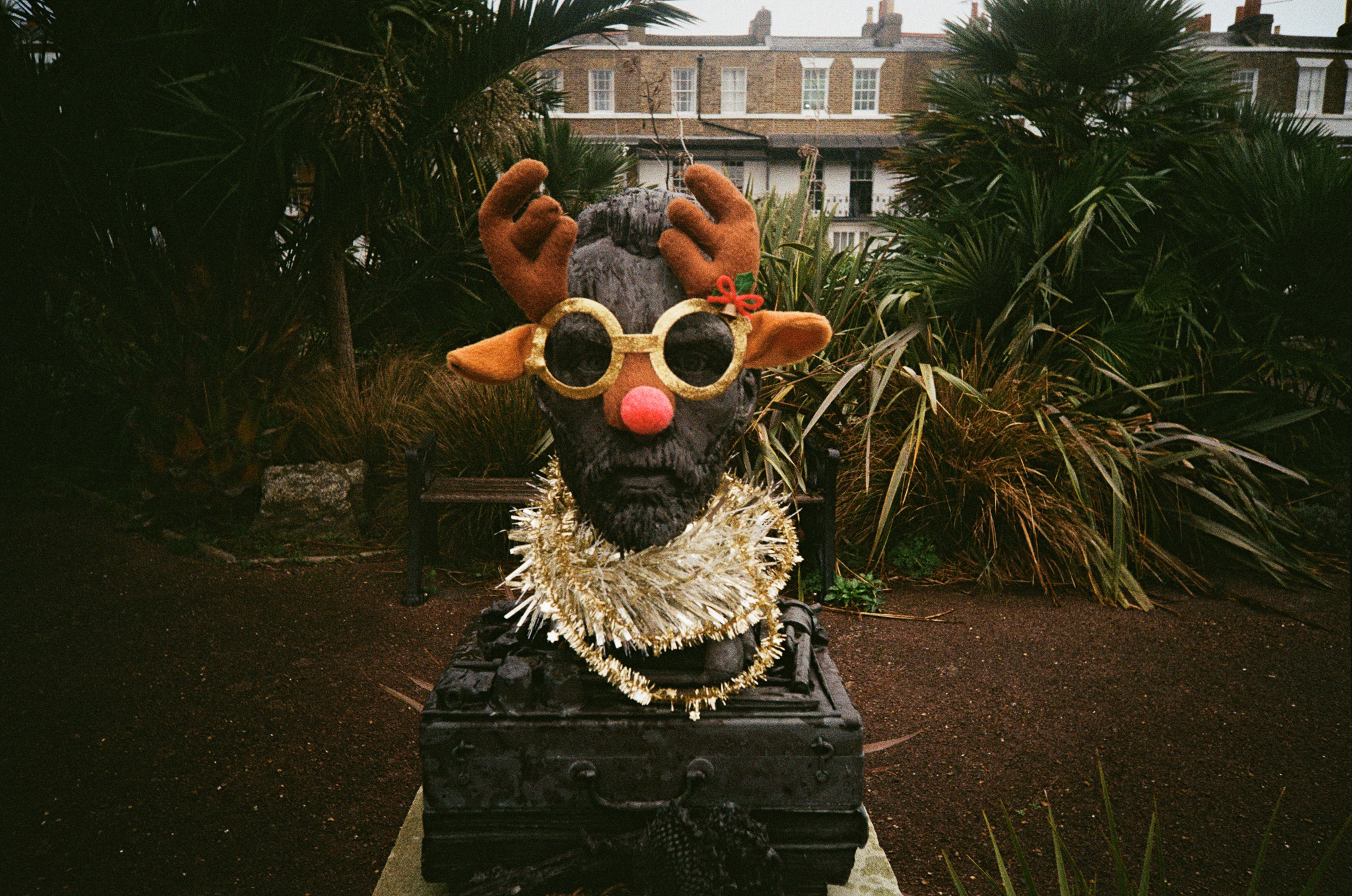
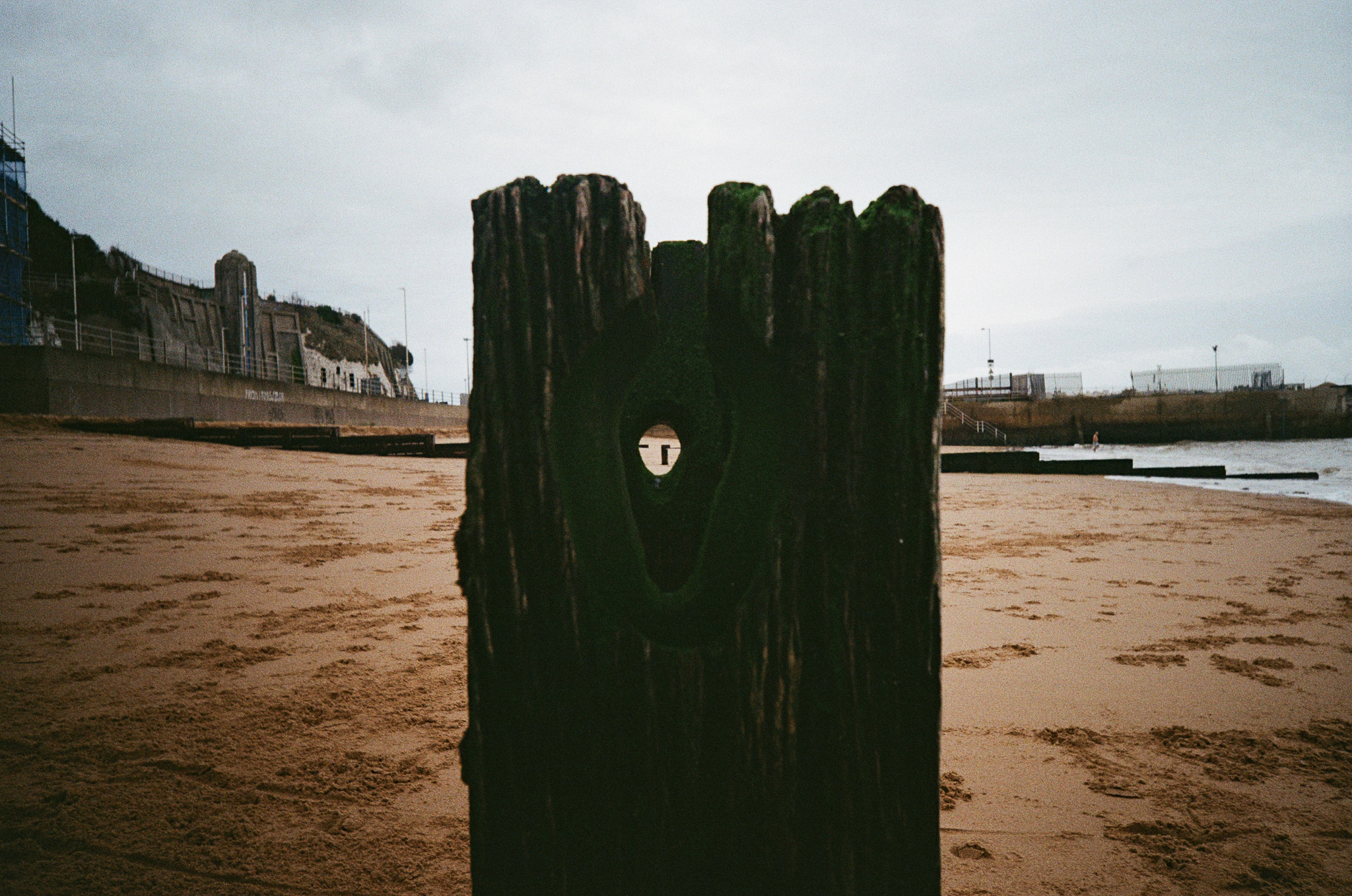
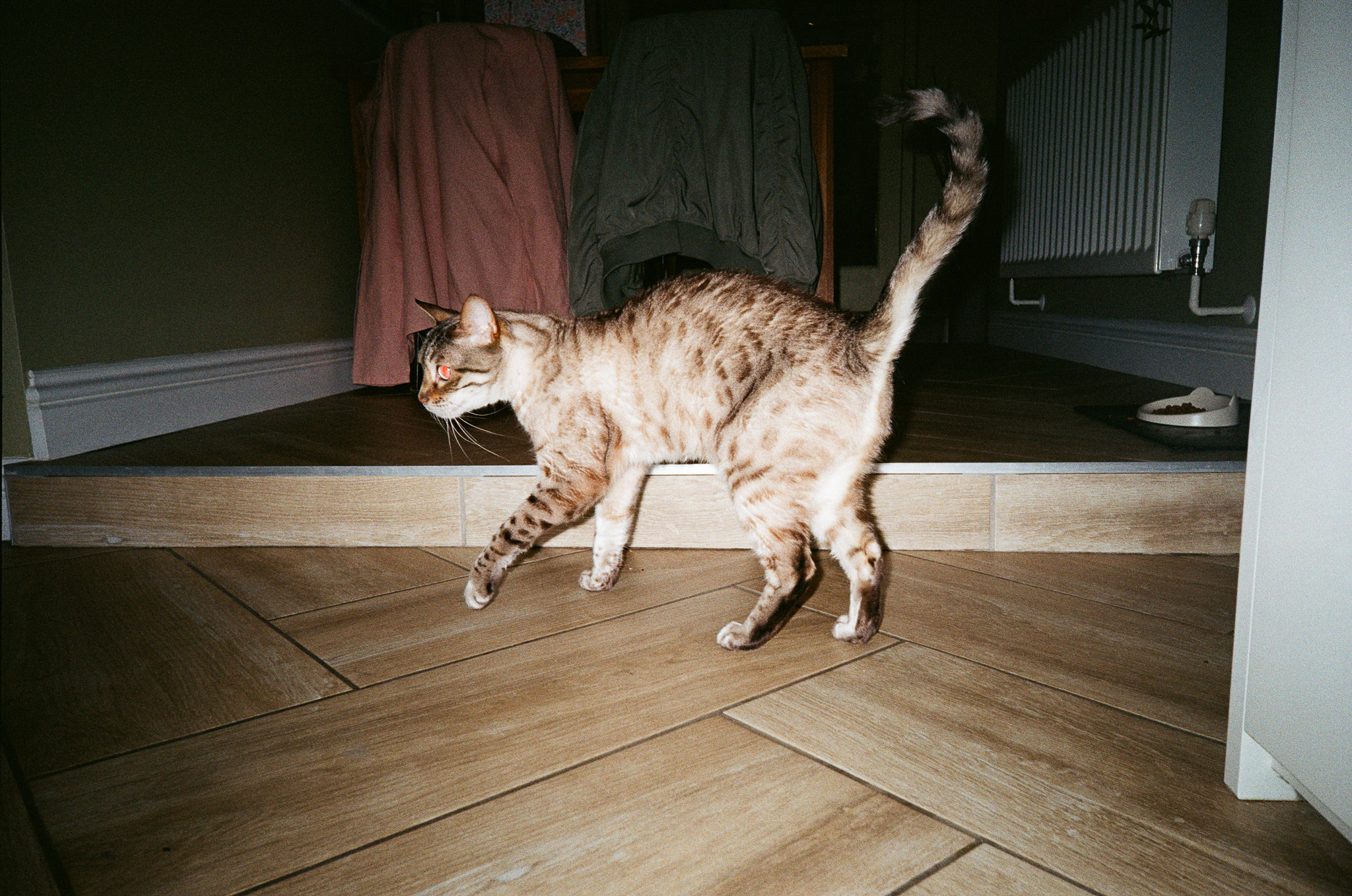
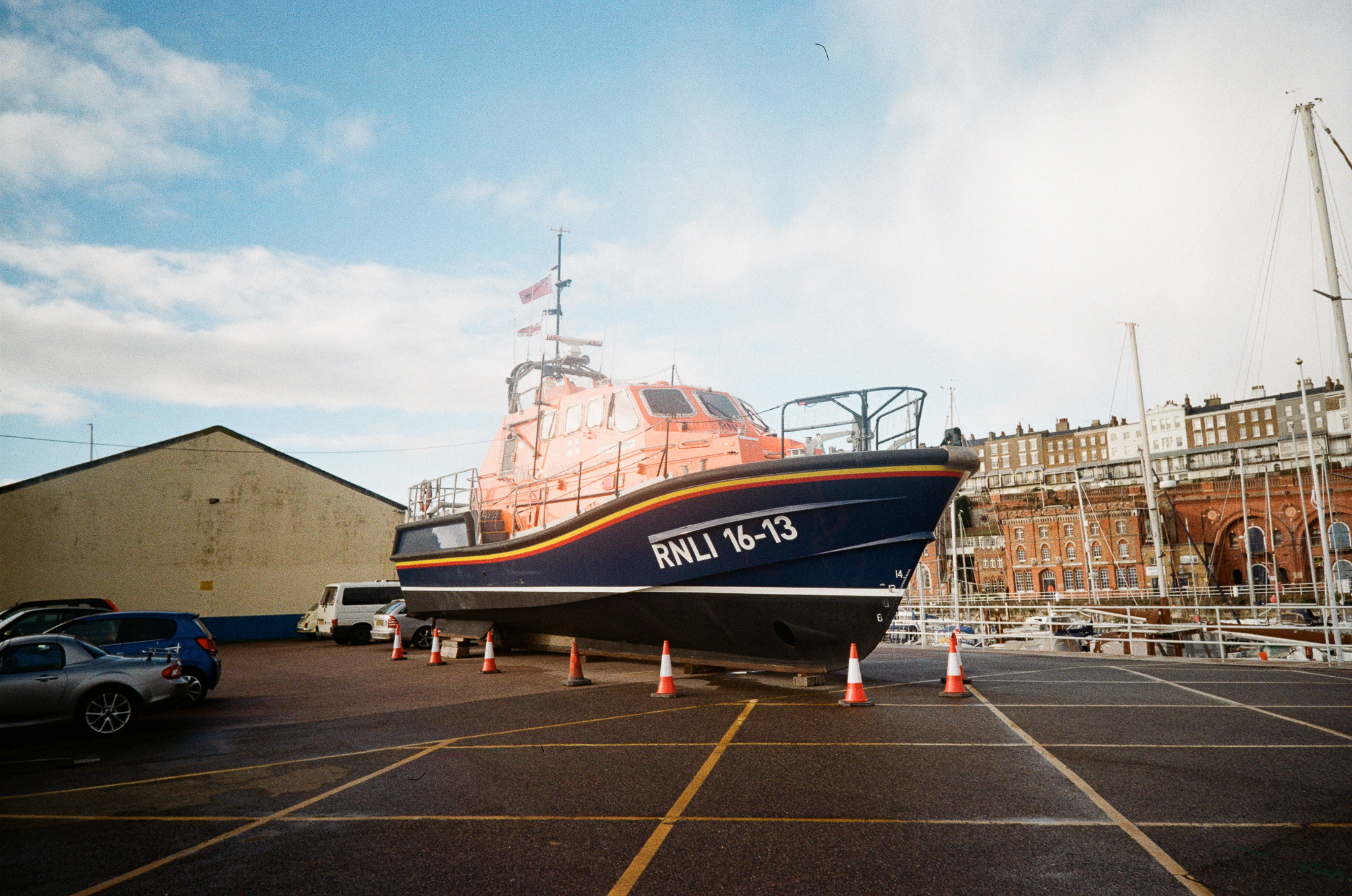
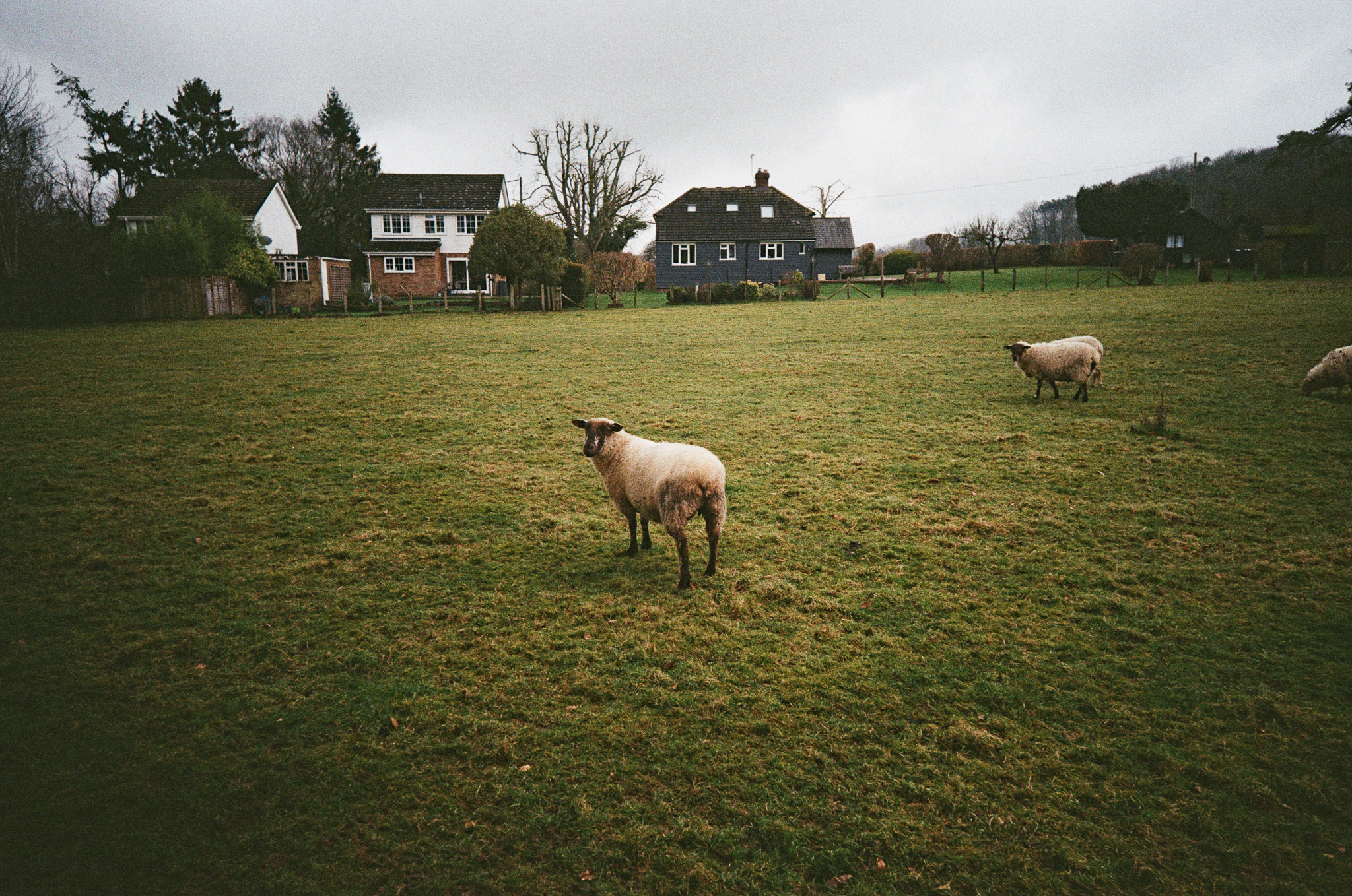
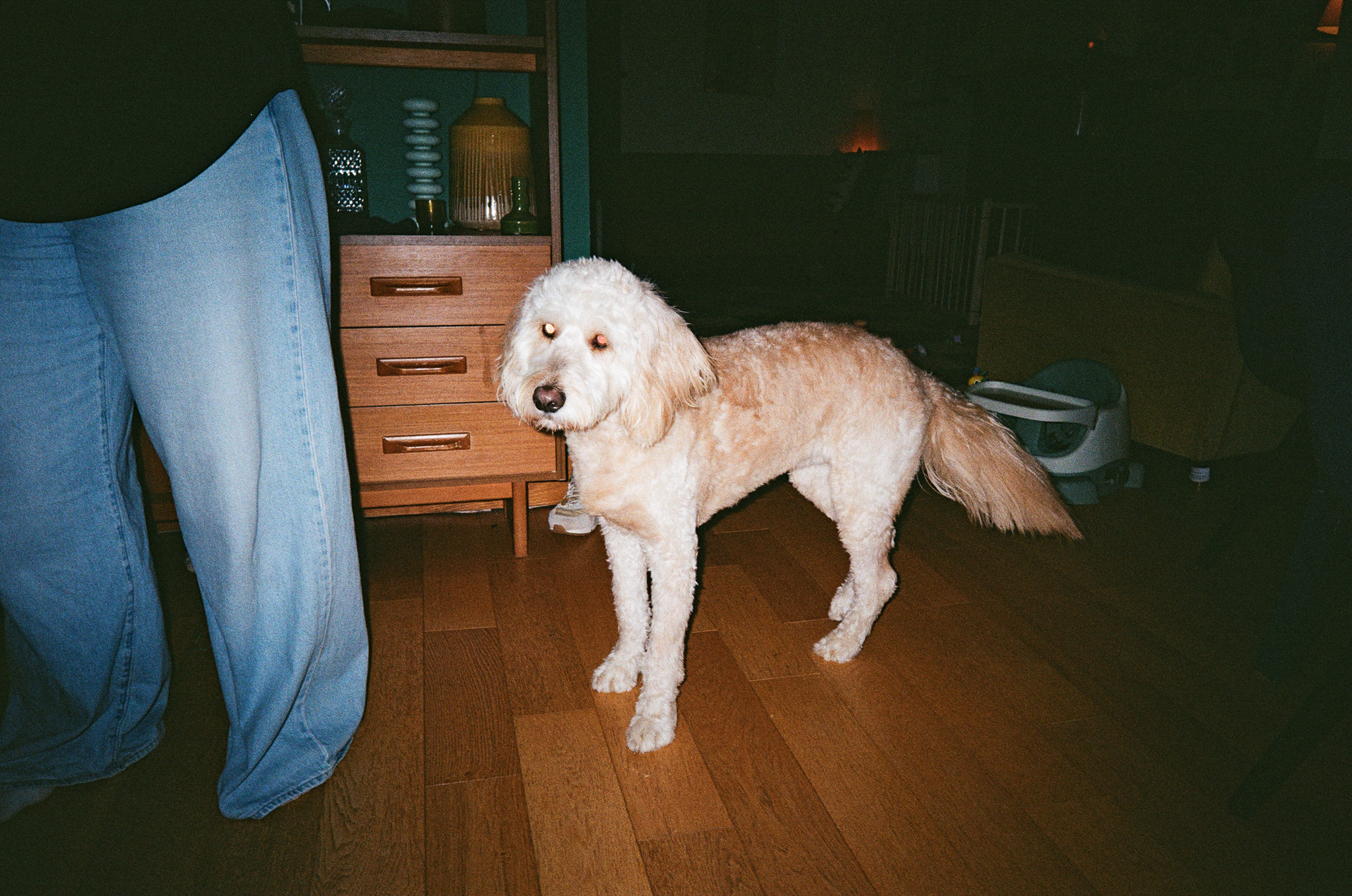
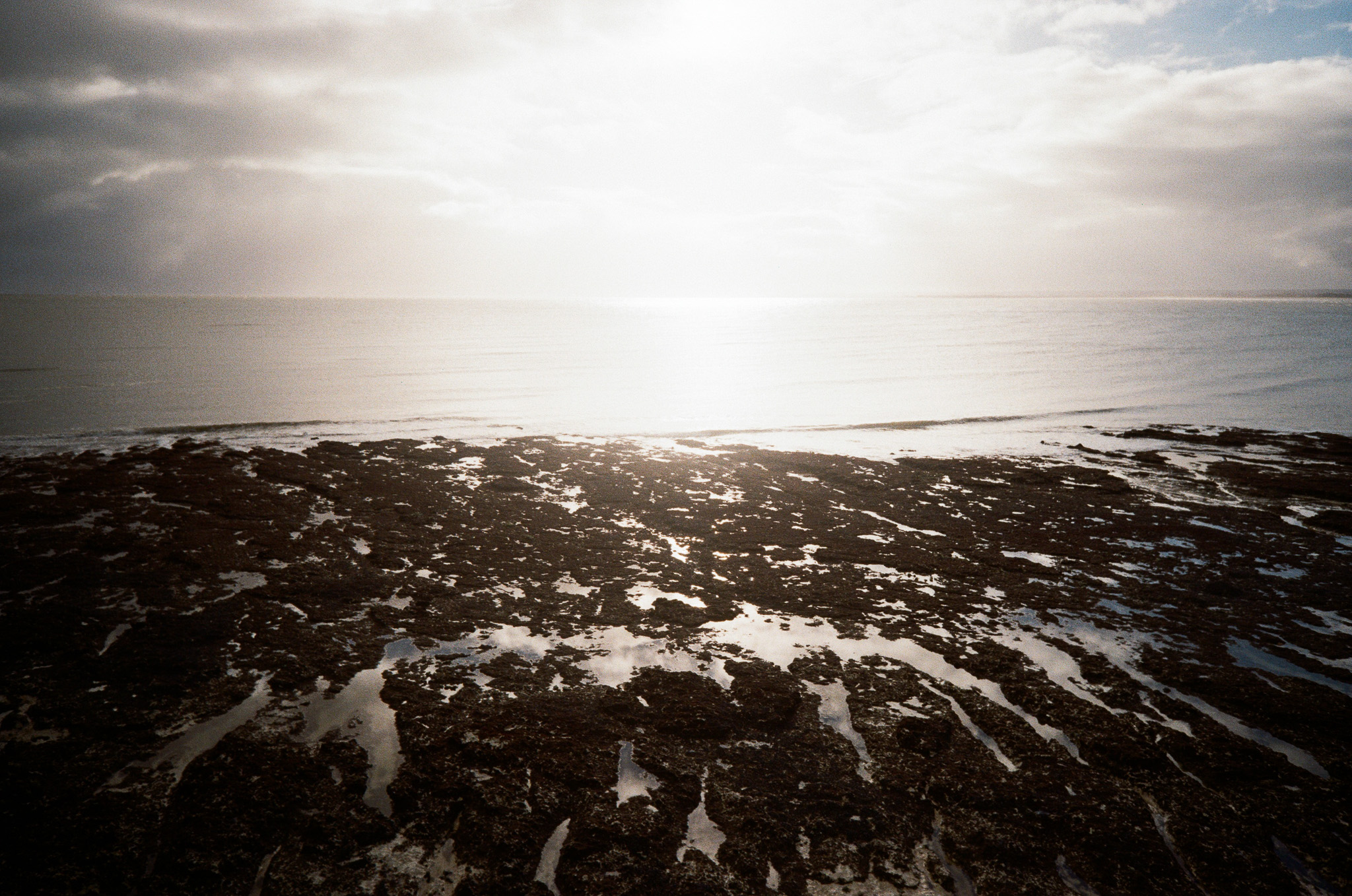
But I don’t think quality is ever really the point with a cheap 35mm camera – the look and feel of analog photos can’t easily be replicated by digital filters and algorithmic tweaking, and you buy an old-fashioned camera like this for, ironically, the novelty of shooting on film. Yes, its photos aren’t noise-free or razor-sharp edge-to-edge, but they have real texture and character.
If you do want to get a little more creative, the Snapic A1 can capture double exposures – just hold down the Mode button to select it, and the OLED panel will make it clear whether you’re shooting the first or second exposure.

Battery life feels pretty solid to me. After shooting a 36-exposure roll of film on the camera, the battery indicator still showed as full, and according to Kodak users should be able to shoot around 10 rolls of 24-exposure film on a single pair of AAA alkaline batteries. Your mileage, of course, may vary depending on which batteries you’re using and how frugal you are with the flash.
Should you buy the Kodak Snapic A1?
Buy it if…
Don’t buy it if…
Also consider
How I tested the Kodak Snapic A1
- Used over a few weeks in different lighting conditions, indoors and outside
- Tested with Kodak ColorPlus 200 film
- Film sent to Analogue Wonderland for processing and development
Testing a film camera is a much slower process than reviewing a digital camera, because you can’t look at the photos right away. In fact, I reviewed the Kodak Snapic A1 (a sample of which was sent to me by a PR rep) over a period of well over a month, taking it with me to various parties, hikes and events and snapping a photo or two until my 36-exposure roll of Kodak ColorPlus 200 film was spent.
I made sure to use the camera in all kinds of conditions – indoors and outdoors, day and night, bright and overcast – testing out the flash and focus controls.
I then sent the film to UK-based online film retailer and developer Analogue Wonderland for processing. They created digital scans for me to download – I opted not to pay extra for physical prints.