Tech
Kreios Space’s Satellite Will Scoop Thin Air to Fight the Drag That Kills Low Orbits

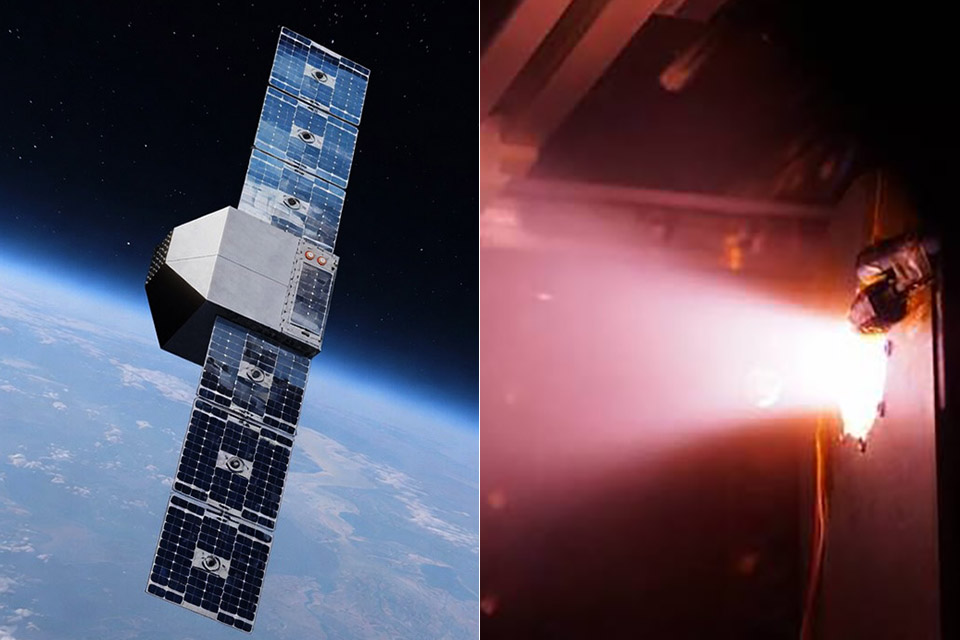
Spanish startup Kreios Space just named Kongsberg NanoAvionics as the builder of the platform that will carry its experimental thruster into space. The goal is straightforward and ambitious: prove that a satellite can collect residual atmospheric gases at extremely low altitudes and turn them into continuous thrust, staying aloft where conventional craft fall quickly.

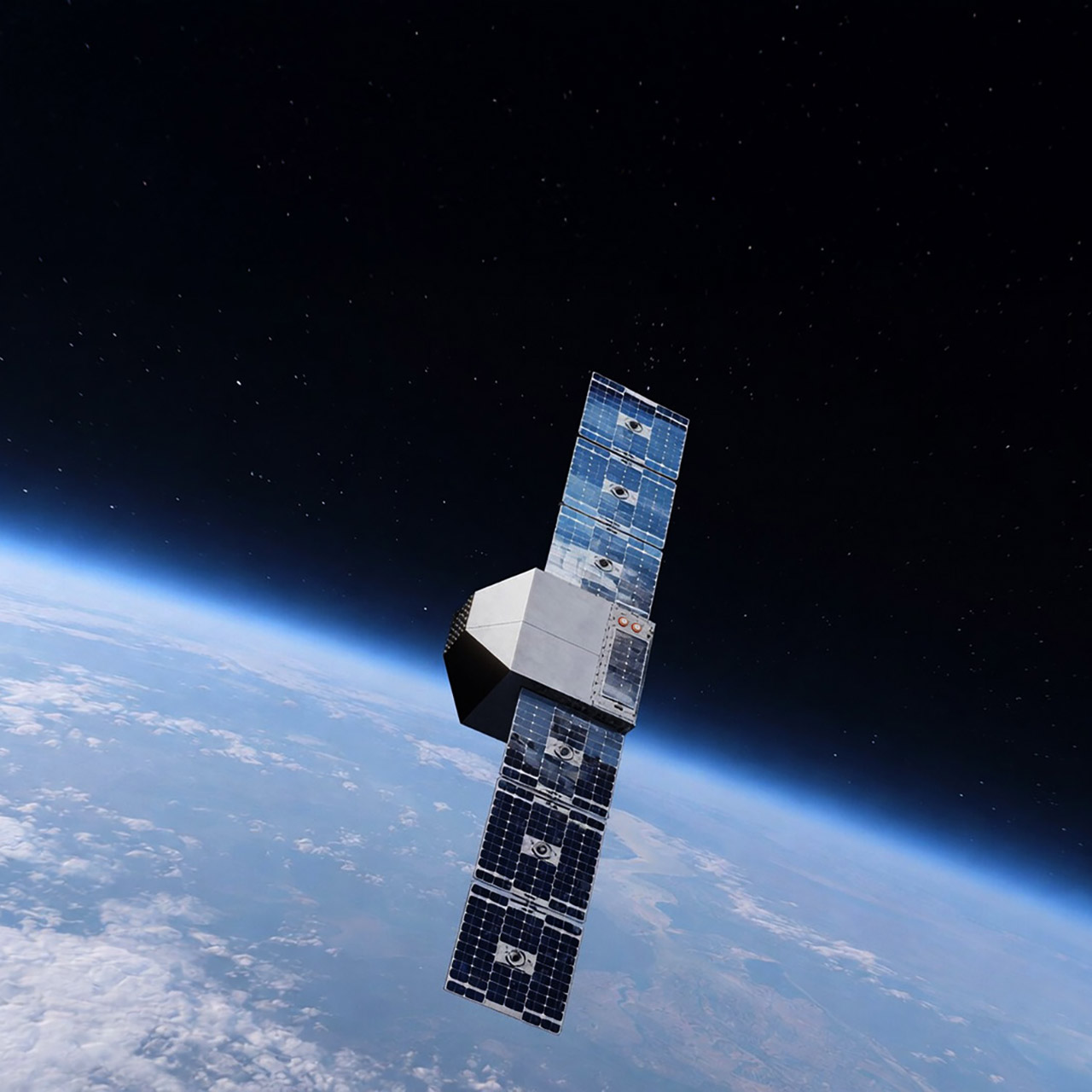
Very low earth orbit, particularly the zone between 150 and 300 kilometers up, has certain obvious advantages. Being so close to the surface results in crisper photos, much stronger signals, and much less lag. The catch has always been drag, as the thin air at that altitude acts as a powerful brake. Most satellites in that zone require huge fuel tanks, which add weight and shorten the lifespan, or both. Short-term missions have always been the best we could hope for.


LEGO Icons Hubble Space Telescope 11382
- EXPLORE THE HUBBLE SPACE TELESCOPE – Celebrate one of humanity’s greatest scientific feats while enjoying a relaxing building experience with the…
- REPLICA SPACE MODEL – Recreate the legendary space-based telescope with posable solar arrays and antennas, an opening aperture door and a detailed…
- AUTHENTIC DETAILS – Remove the exterior panels to reveal a detailed instrument bay, which features gyroscopes alongside primary and secondary…
Kreios has developed an air-breathing electric propulsion system that challenges that equation. They’ve devised a system in which oxygen, nitrogen, and other particles are drawn in from the front of the spacecraft. These gases are then fed into a helicon plasma thruster, which converts them into plasma using radio-frequency power before expelling them all. The electricity comes from the sun. The key advantage is that there is no requirement for propellant tanks onboard. Lab versions of this thruster have already gone through several iterations, with the first becoming online in 2021. A second one was more advanced, contained an intake, and worked in a vacuum. A third went even further, testing with various gasses and power sources and achieving the best results yet.
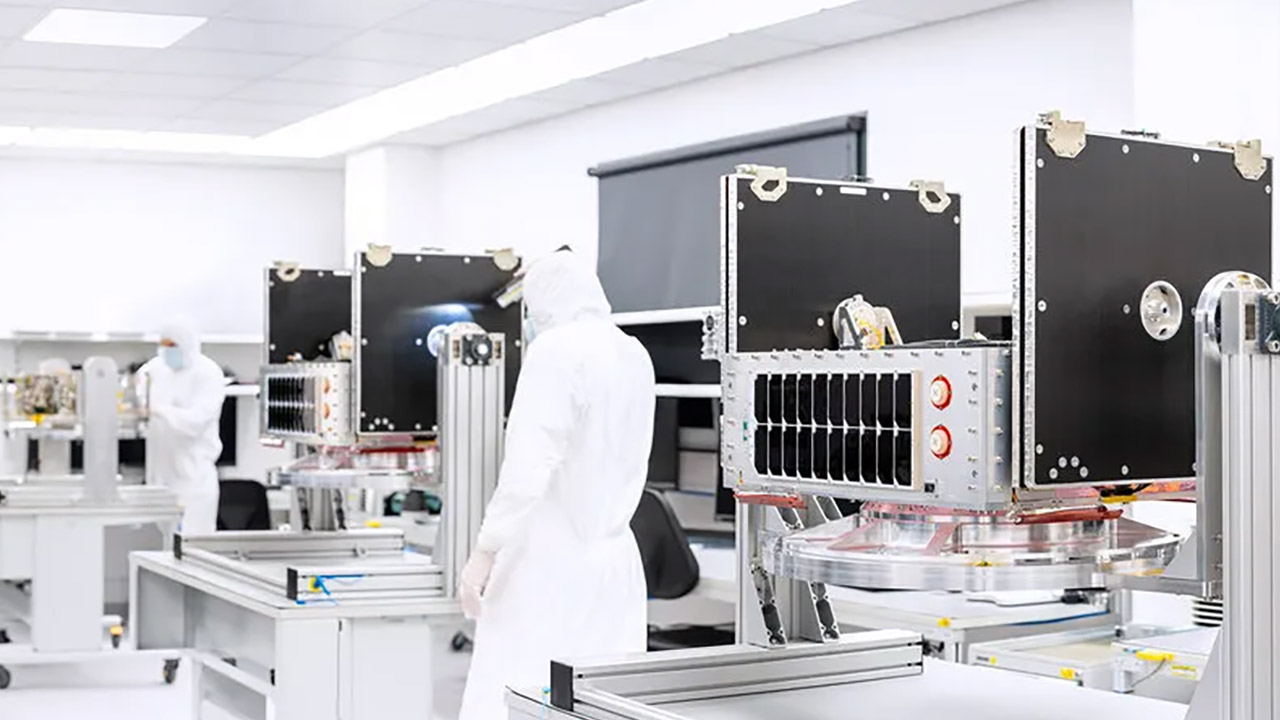
Kreios chose NanoAvionics’ tried-and-true MP42 microsatellite bus for its first orbital mission. Once the optical payload is installed, the entire spacecraft will weigh approximately 200 kg. NanoAvionics will modify the bus, integrate cameras that take photos in visible and near-infrared light with sub-meter resolution, test the entire system, and manage commissioning early in orbit. Once that’s completed, Kreios will take over day-to-day operations. The demonstration will begin higher up, about 300-350 kilometers, and gradually float downward while the thruster fires at various heights. The engineers will be collecting performance data, sampling the local atmosphere, and photographing the entire process.

The MP42, on the other hand, isn’t exactly meant for drag-free VLEO, so the demo will be finished in about six to ten months, which is just as well, because the actual aim here is simply getting this thruster up and operating so Kreios can refine their future platforms. Their long-term goal is to construct satellites that can operate for seven years or longer below 200 kilometers.
[Source]
You must be logged in to post a comment Login