Tech
Linsoul Avant Is the Company’s First IEM, With 2DD, 3BA and MEMS Drivers for $369

Linsoul has spent the past decade selling and distributing a rather staggering number of IEMs, headphones, DACs and headphone amplifiers from other manufacturers. For 2026, however, the company has decided that watching everyone else have all the fun was apparently no longer sufficient.
The $369 Linsoul Avant is the first in-ear monitor developed and sold under the Linsoul name, and it enters one of the most brutally competitive segments of the headphone market with six drivers per earpiece: two dynamic drivers, three balanced armatures and one MEMS solid-state driver. Linsoul officially released the Avant on August 21, following prototype demonstrations earlier this summer, including CanJam London.
That timing is also interesting. Linsoul is scheduled to attend CanJam SoCal on August 29-30, 2026, although the company has not specifically confirmed on its event page that the Avant will be available for demonstration.
Related Reviews:
What Makes the Linsoul Avant Different?

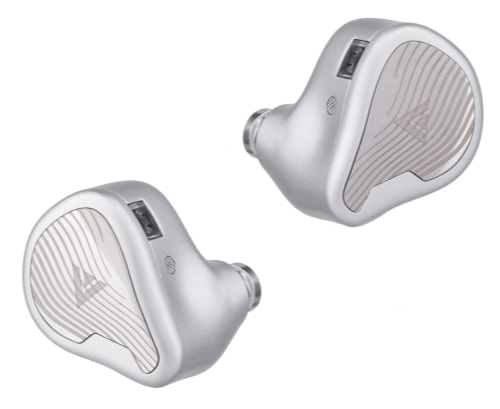
The most important part of the story isn’t really the driver count.
The Avant is significant because Linsoul is putting its own name on an IEM after years of working with dozens of brands and hundreds of models. That also means the company has had a very good seat from which to observe what works, what doesn’t and how crowded the $300 to $500 IEM category has become.
Its 2DD + 3BA + 1 MEMS arrangement is unusual, but it is not unprecedented. The Binary Acoustics EP321 already uses a similar six-driver 2DD/3BA/MEMS configuration and sells for $309.99. Linsoul also sells the Kiwi Ears Halcyon, a $259 tribrid using one dynamic driver, three balanced armatures and a MEMS driver.
So no, six drivers and MEMS technology do not automatically make the Avant revolutionary. Driver count is not horsepower, regardless of what some IEM marketing departments would like us to believe.
What makes the Avant more interesting is how Linsoul is implementing those drivers.
Bass is handled by two custom 10mm PET diaphragm dynamic drivers arranged in what Linsoul describes as a dome-to-dome constant-pressure configuration. The company says this arrangement was designed to deliver stronger sub-bass extension and more focused kick-bass rather than simply increasing overall bass quantity.
The midrange uses two custom Dibei 653011 balanced armature drivers, while a Knowles 33518 BA tweeter contributes to the upper frequencies. A silicon-based MEMS solid-state driver handles additional treble information and transient detail.
Linsoul also claims its MEMS implementation can operate at the same voltage levels as the dynamic and balanced armature drivers, without requiring the specialized high-voltage amplification associated with some earlier MEMS designs. That’s potentially useful for anyone planning to run the Avant from a portable DAC/headphone amplifier rather than a dedicated desktop system.
How Is the Avant Tuned?
Linsoul describes the Avant as having a warm-neutral presentation, with a 9dB sub-bass shelf concentrated between 20Hz and 200Hz. The company specifies only a 1dB change between 200Hz and 1kHz, followed by a 9dB peak around 3kHz intended to increase vocal presence and clarity.
The upper treble then rolls off progressively rather than remaining elevated, which Linsoul says should help prevent the MEMS driver from becoming excessively aggressive. That sounds promising on paper, but frequency-response targets only tell part of the story and we have not heard the production version yet.

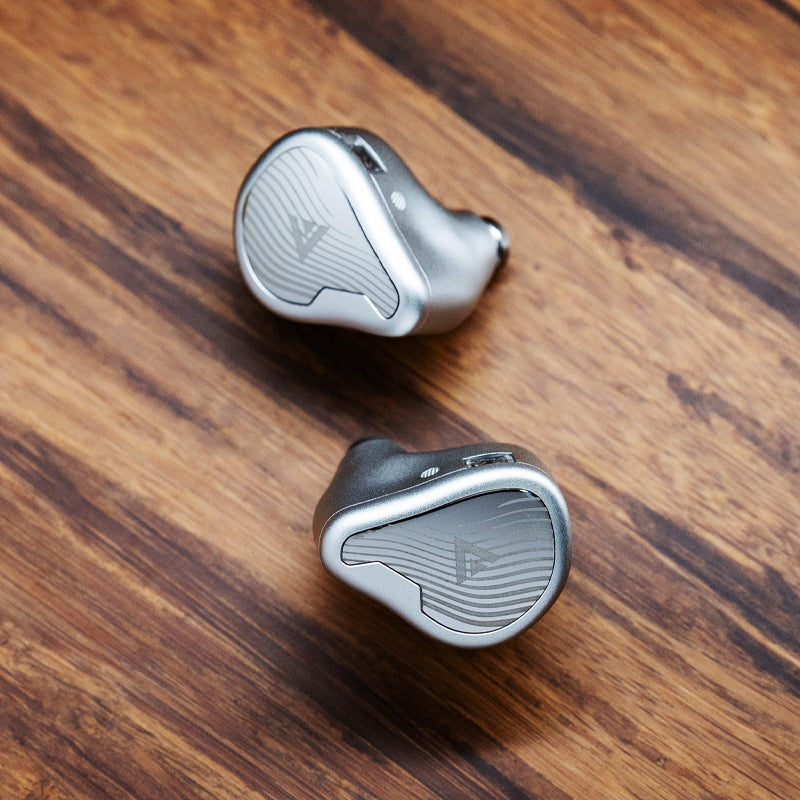
Linsoul Avant Specifications
- Type: Wired tribrid in-ear monitor
- Driver configuration: 2DD + 3BA + 1 MEMS per earpiece
- Dynamic drivers: 2 × 10mm PET diaphragm
- Balanced armatures: 2 x Dibei 653011 + 1 x Knowles 33518
- High-frequency driver: Silicon-based MEMS solid-state driver
- Impedance: 12 ohms at 1kHz
- Sensitivity: 104dB at 1kHz
- THD: ≤0.5%
- Connector: 0.78mm 2-pin detachable cable
- Warranty: 1 year on IEMs; 3 months on cable
Linsoul has not published a complete frequency-response specification, shell material, crossover details, supplied cable conductor material or termination information on the current product page. Those are rather conspicuous omissions on a $369 IEM and worth keeping in mind until we get a complete production sample and specifications.
The Bottom Line
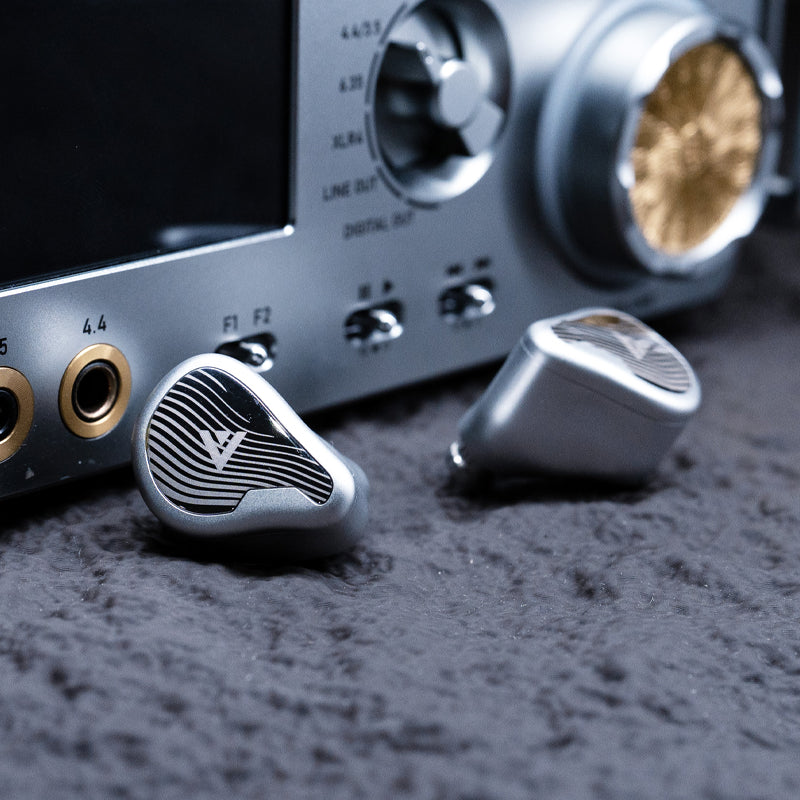
The Linsoul Avant is more important as a statement of intent than as another exercise in cramming more drivers into an acrylic shell.
Linsoul already knows the IEM market extremely well, and the Avant represents its decision to compete under its own name with a combination of dual dynamic woofers, dedicated balanced armatures and MEMS technology. The standard-voltage MEMS implementation and dual 10mm bass arrangement are the parts we are most interested in hearing.
At $369, however, the Avant also costs more than the Binary EP321 and Kiwi Ears Halcyon, which means the execution needs to justify that premium. Six drivers make for an impressive specification sheet. Making six drivers sound like one coherent transducer is the considerably harder part.
Where to buy: $369 at Linsoul
You must be logged in to post a comment Login