Tech
Lockheed Martin’s LampreyMMAUV Can Launch Underwater Drones in Contested Waters

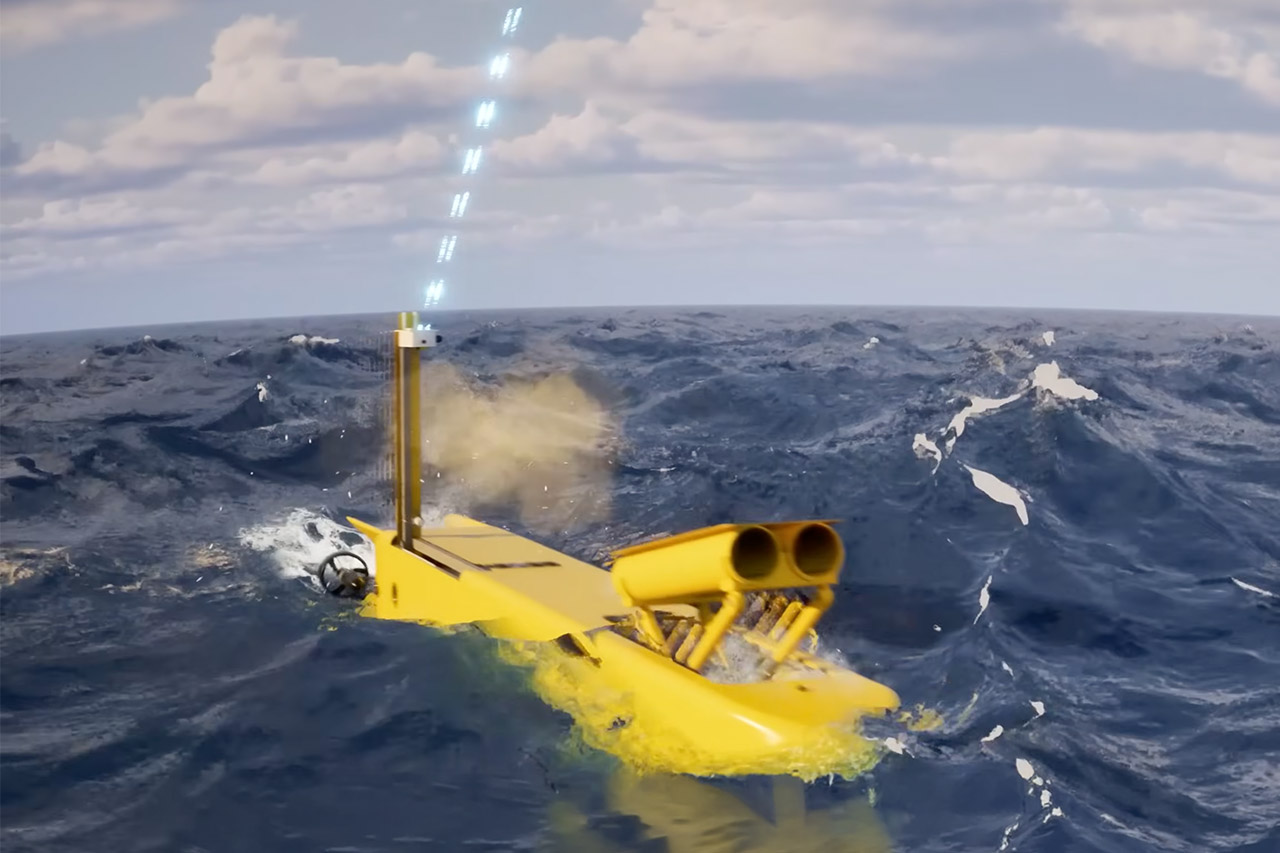
Lockheed Martin’s Lamprey Multi-Mission Autonomous Undersea Vehicle (MMAUV) challenges traditional methods for operating underwater drones in adverse environments. This stealthy autonomous vehicle attaches to a larger ship or sub, travels quietly to remote locations, and is ready to enter without using up its own power.


Lockheed Martin engineers drew inspiration from nature for the basic idea, similar to how lampreys and remoras employ hosts for free rides. They did the same thing with the Lamprey, using a docking system that clicks onto the hull of a surface ship or submarine, requiring no alterations to the host vessel. As it travels, it includes built-in generators that use the energy from the host’s movement to fully recharge its batteries, ensuring that it reaches at its destination with all of the necessary power.


DJI Neo 2 (Drone Only), Lightweight & Foldable 4K Drone With Camera, Palm Takeoff & Landing, Gesture…
- Lightweight & Portable Design – Weighing just 151g [9] and C0 certified, this compact drone features full-coverage propeller guards for safer,…
- Palm Takeoff & Landing [1], Gesture Control [2] – Enjoy easy palm takeoff and landing, plus intuitive gesture controls for hands-free operation and…
- Smooth & Reliable Tracking – ActiveTrack [3] keeps your subject in focus, while Apple Watch lets you view live feed, check flight status, or use voice…
Once in position, the Lamprey breaks free and begins to operate on its own. Its boxy hull includes a 24 cubic foot cargo bay with plenty of capacity inside for the operator to arrange to suit the mission, and no defined limits on what can be stored within. You can equip it with lightweight torpedoes to destroy submarines, retractable tubes that launch up to six aerial drones for surveillance or attack, and just about any other type of equipment you might think of.
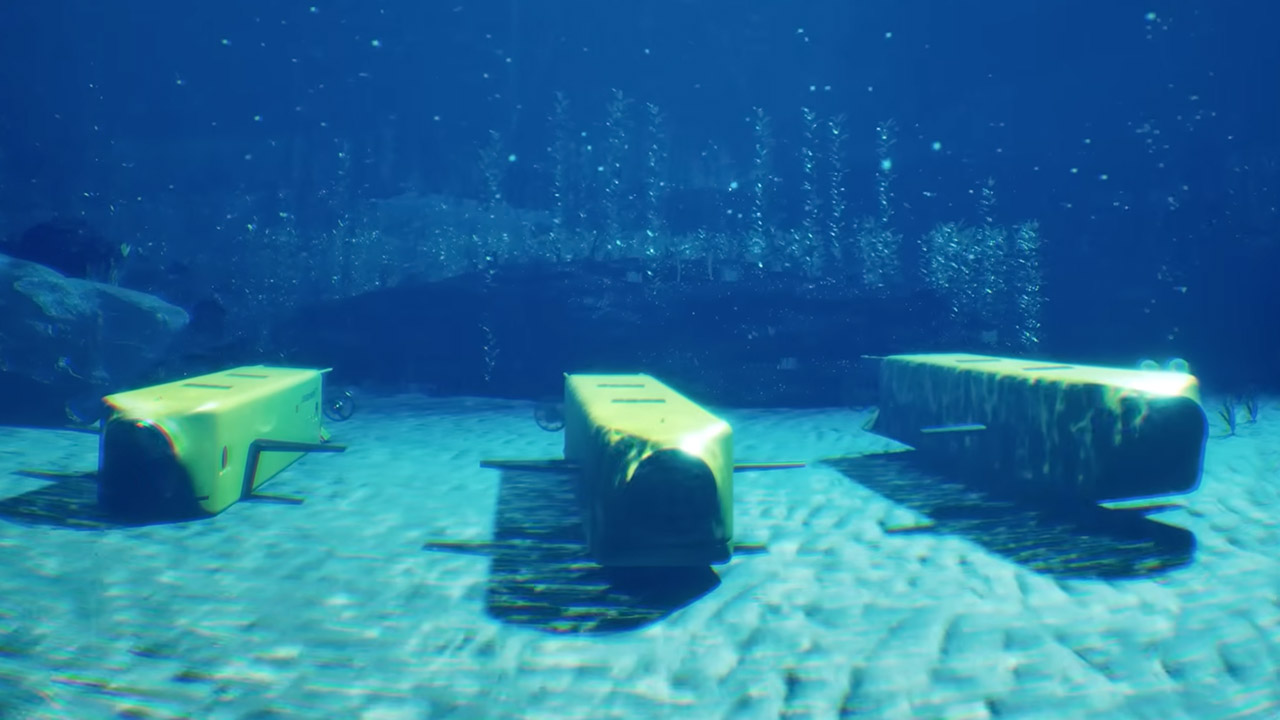
With four thrusters, it can move in any direction, while the onboard computers handle navigation, steering it through hazardous waters. A retractable mast rises to the surface to send a signal, while data is transmitted below through seabed nodes or to adjacent aircraft such as an F-35.

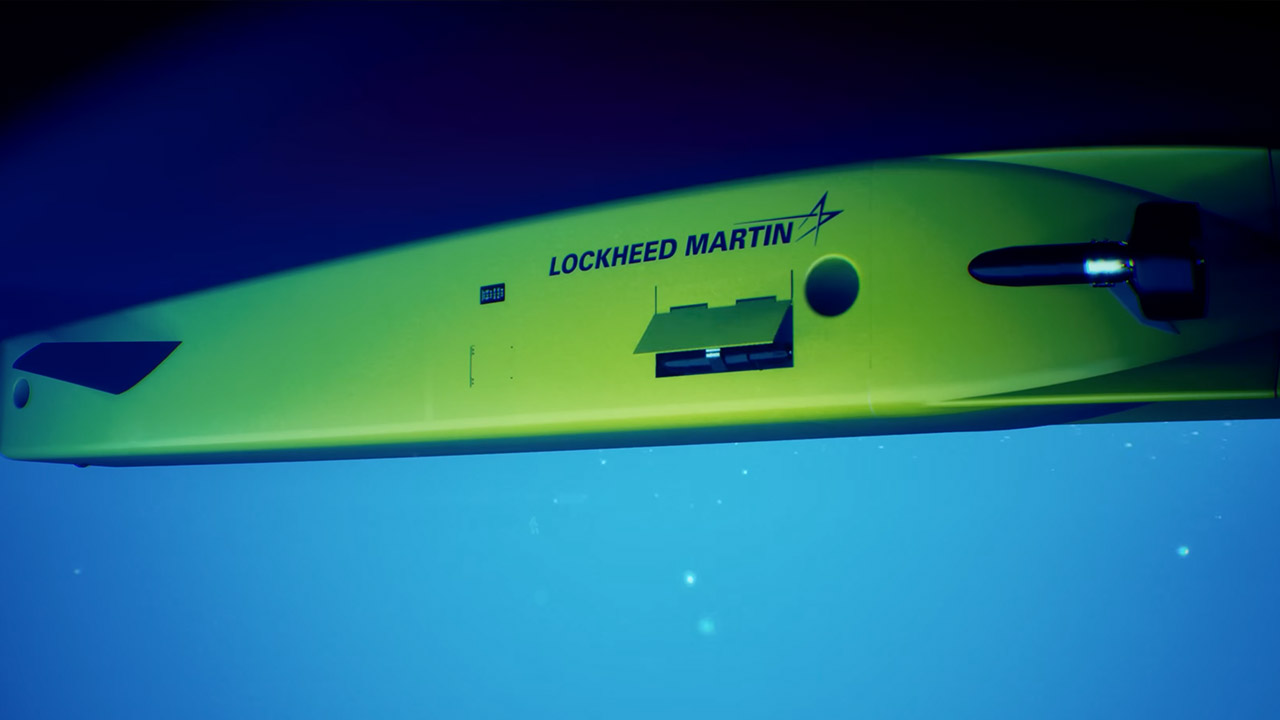
The Lamprey’s capabilities are nearly limitless, as it can acquire information using its own sensors (which could include sonar, radio signals, or optical gear) or drop down sensors to the seafloor to monitor objects. It can use a variety of technology to monitor large areas of the floor, then silently collect the data and go, or stay and observe. This indicates that commanders can keep an eye on areas where humans cannot reasonably be kept for a lower cost than a manned submarine.
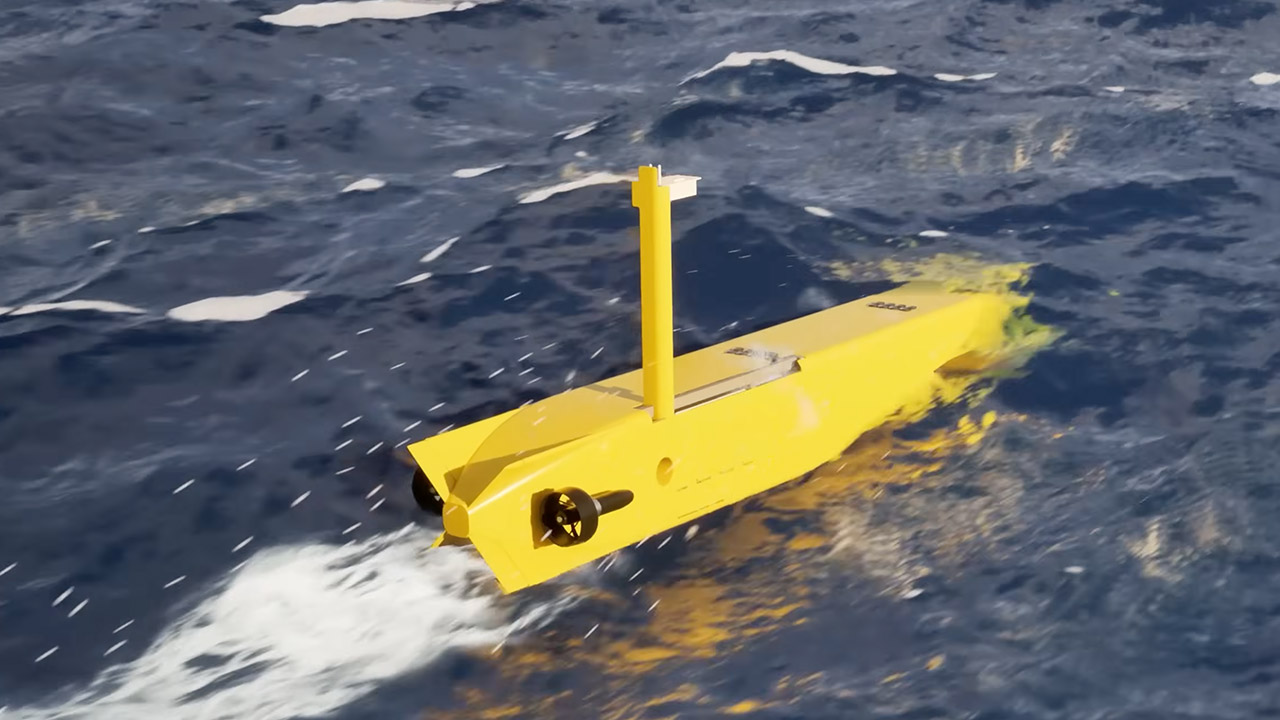
The Lamprey is designed with two main roles in mind: in a scenario where you need to get in and out without being noticed, it’s great for stealthy surveillance, long-term watching, and precise strikes; however, if you need to disrupt the enemy, it can also do that by deploying decoys, delivering attacks, or just generally causing havoc.
Lockheed Martin had total control over the Lamprey’s development budget, allowing them to complete tasks far faster than they could otherwise. According to Paul Lemmo, VP of Sensors, Effectors, and Mission Systems, this speed enabled them to design a platform capable of detecting threats, manipulating them, creating diversions, and defending itself against attacks.
[Source]